
Boerenwoning — History & Facts
Who listens when art speaks of silence? In the stillness of Boerenwoning, one can feel the weight of whispered histories and unvoiced dreams. This artwork invites you to delve into the essence of rural life, capturing a moment that resonates with both tranquility and the undercurrents of revolution. Look to the left where a humble farmhouse stands, its simple structure bathed in soft, golden light. The earthy tones of ochre and green create a harmonious blend, drawing the viewer's eye towards the sturdy thatched roof and the open door, hinting at the warmth within.
Notice how the artist employs gentle brushstrokes, creating a sense of movement in the surrounding fields, as if nature itself breathes life into the scene. In this piece, the juxtaposition of serenity and potential upheaval is palpable. The open door signifies opportunity, yet the quietude of the landscape suggests an impending shift, where the stillness may soon be disturbed. The shadows cast by the evening light hint at the complexities of rural existence — a life of labor, but also one on the brink of transformation, echoing the broader social changes of the era. Etienne Bosch painted Boerenwoning during a time of significant transition in Dutch society, between 1873 and 1931.
This period witnessed a growing awareness of social issues and burgeoning movements advocating for change. Bosch, absorbed in this dynamic environment, infused his work with the spirit of the times, capturing the profound simplicity of rural life while subtly reflecting the revolutionary ideas that were beginning to take root in Europe.
More Artworks by Etienne Bosch
Browse all →
Gezicht op de achterkant van de Notre Dame in Parijs Notre Dame
Etienne Bosch
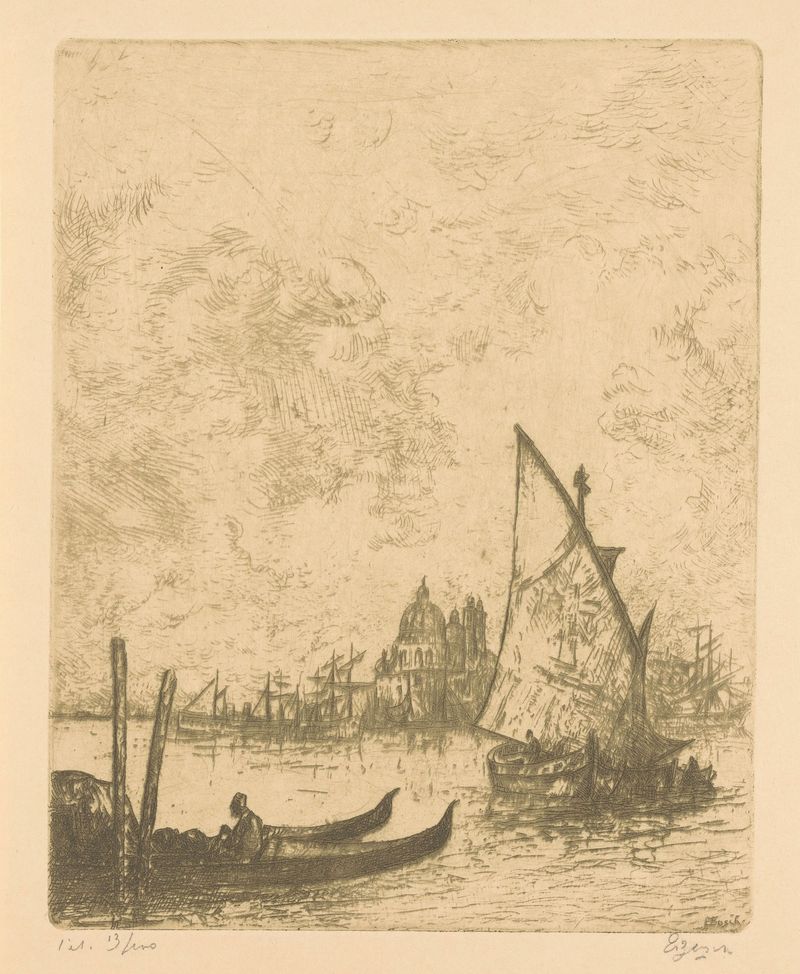
Venetië
Etienne Bosch

Amsterdamse poort te Haarlem
Etienne Bosch

Le Palatin Rome
Etienne Bosch

Landschap bij Rome
Etienne Bosch

Scheveningen
Etienne Bosch
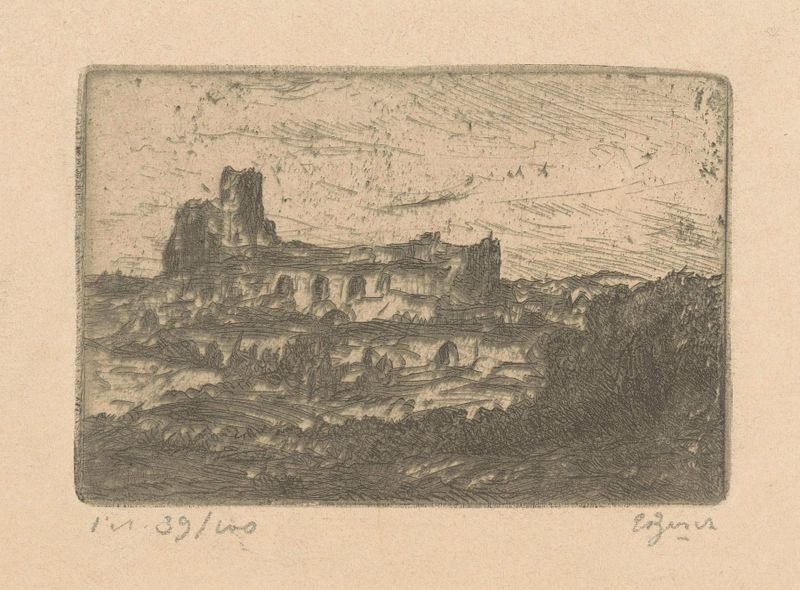
Ruïne Rome
Etienne Bosch
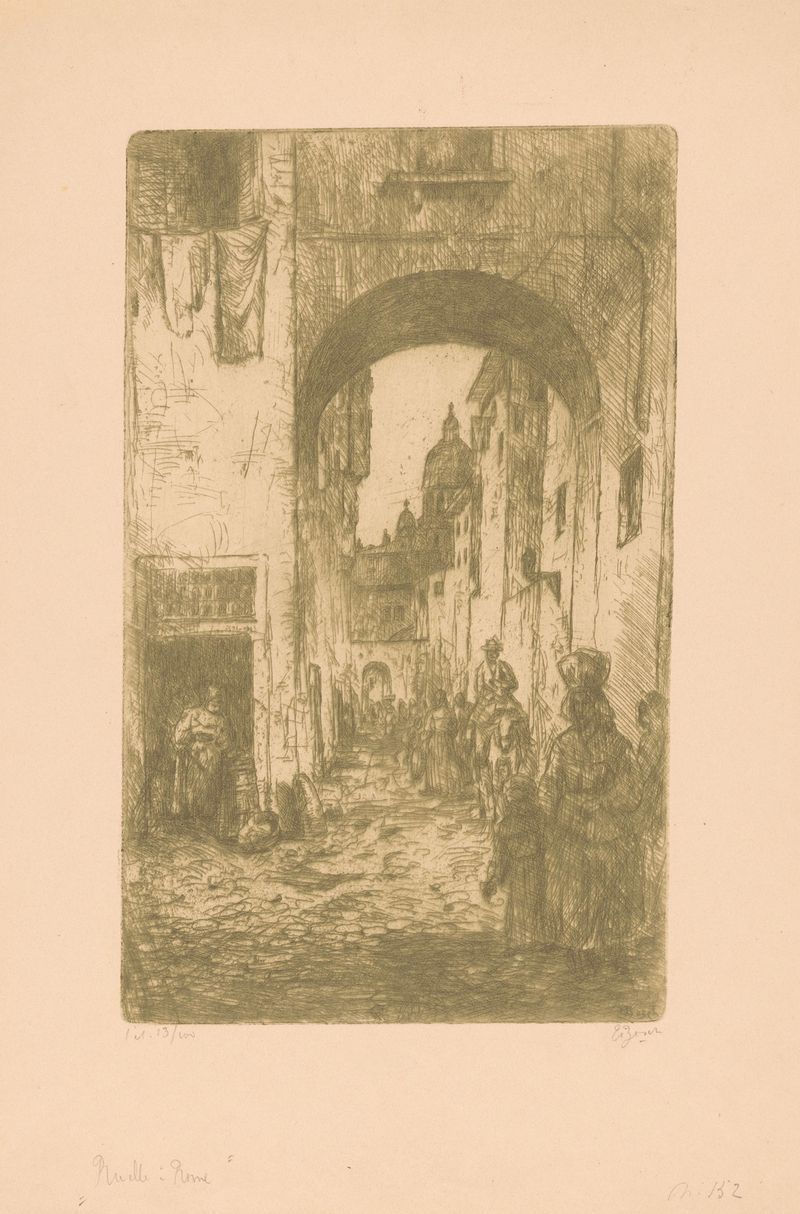
Ruelle, Rome
Etienne Bosch
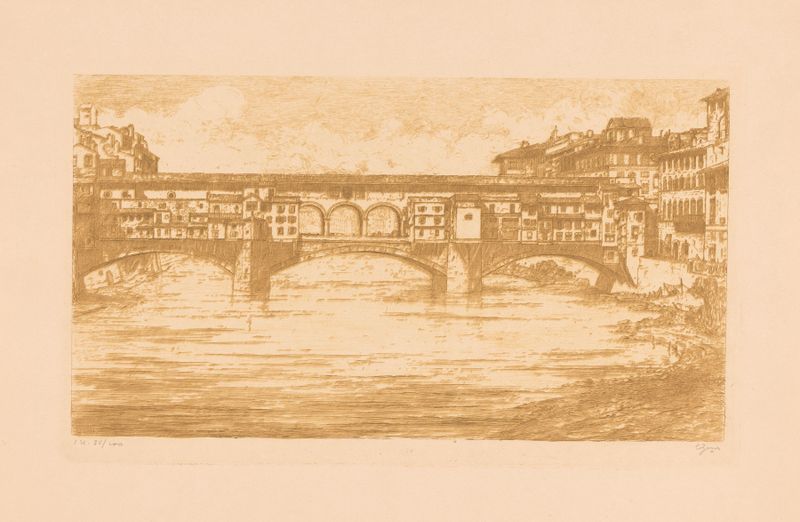
Ponte Vecchio in Florence
Etienne Bosch

Landschap, Rome
Etienne Bosch





