
Le Palatin Rome — History & Facts
In the depths of every canvas lies a promise, a whisper of hope waiting to be uncovered. This is where the heart of Le Palatin Rome beats, a work that invites contemplation and introspection. Look to the center of the piece, where layers of earthy tones blend seamlessly, evoking the ancient grandeur of the Palatine Hill. The soft play of light casts gentle shadows, while bold strokes define the architectural forms, creating a dialogue between solidity and transient beauty.
As your eyes traverse the scene, notice how the warm hues of ochre and sienna breathe life into the ancient remnants, imbuing them with a sense of nostalgia and reverence. Beneath the surface, the painting reveals the contrasts of decay and rebirth, the passage of time juxtaposed against the eternal. Small details, such as the delicate foliage creeping through stone, suggest resilience in the face of oblivion. The interplay of light and shadow speaks to fleeting moments, perhaps hinting at the hope that persists within the ruins of history, an enduring testament to the human spirit. Etienne Bosch created Le Palatin Rome between 1873 and 1931, a period marked by a fascination with classical themes amidst the burgeoning modern world.
Living in France while exploring Italy, he was influenced by the interplay of light and architecture, capturing a transitional moment in art history that melded impressionistic techniques with a classical subject. The painting reflects not only his artistic journey but also a collective yearning for connection to the past.
More Artworks by Etienne Bosch
Browse all →
Gezicht op de achterkant van de Notre Dame in Parijs Notre Dame
Etienne Bosch
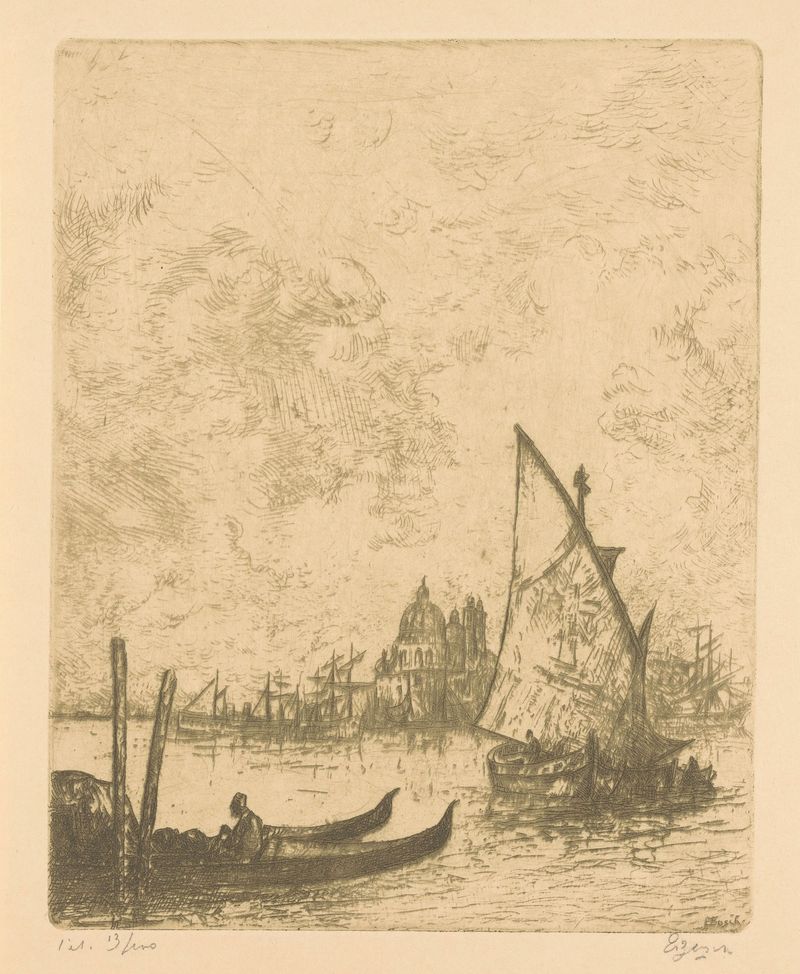
Venetië
Etienne Bosch

Amsterdamse poort te Haarlem
Etienne Bosch

Landschap bij Rome
Etienne Bosch
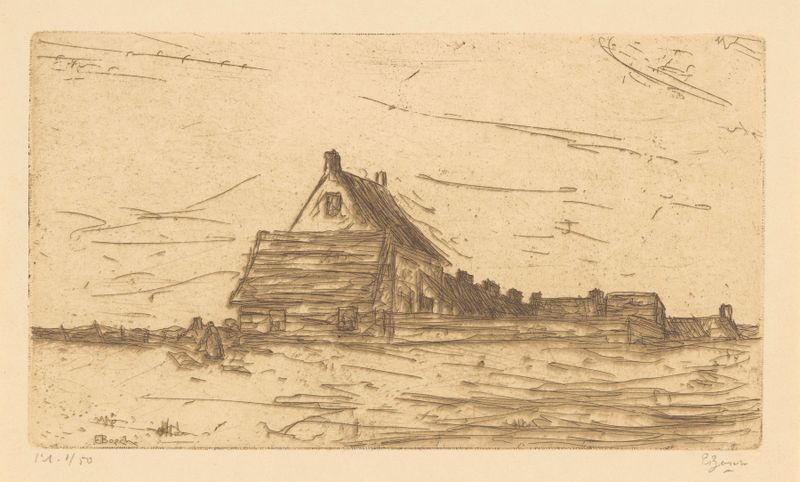
Boerenwoning
Etienne Bosch

Scheveningen
Etienne Bosch
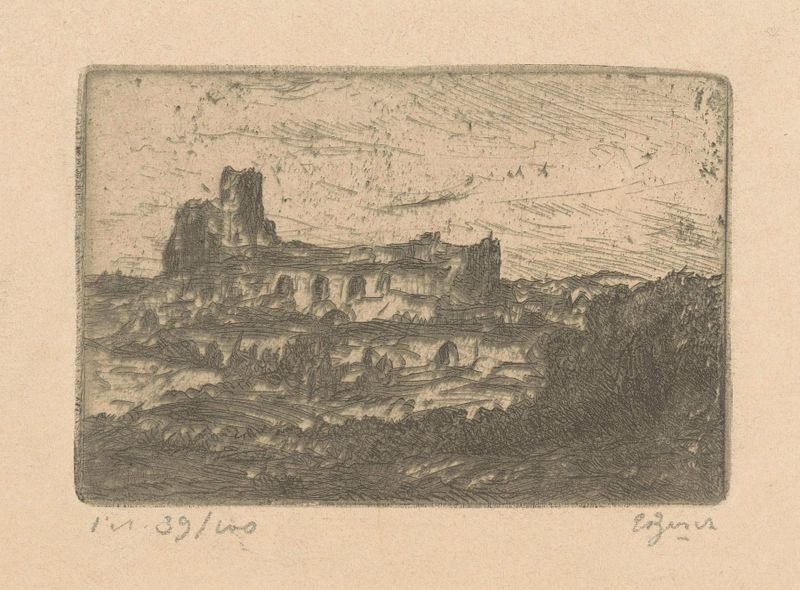
Ruïne Rome
Etienne Bosch
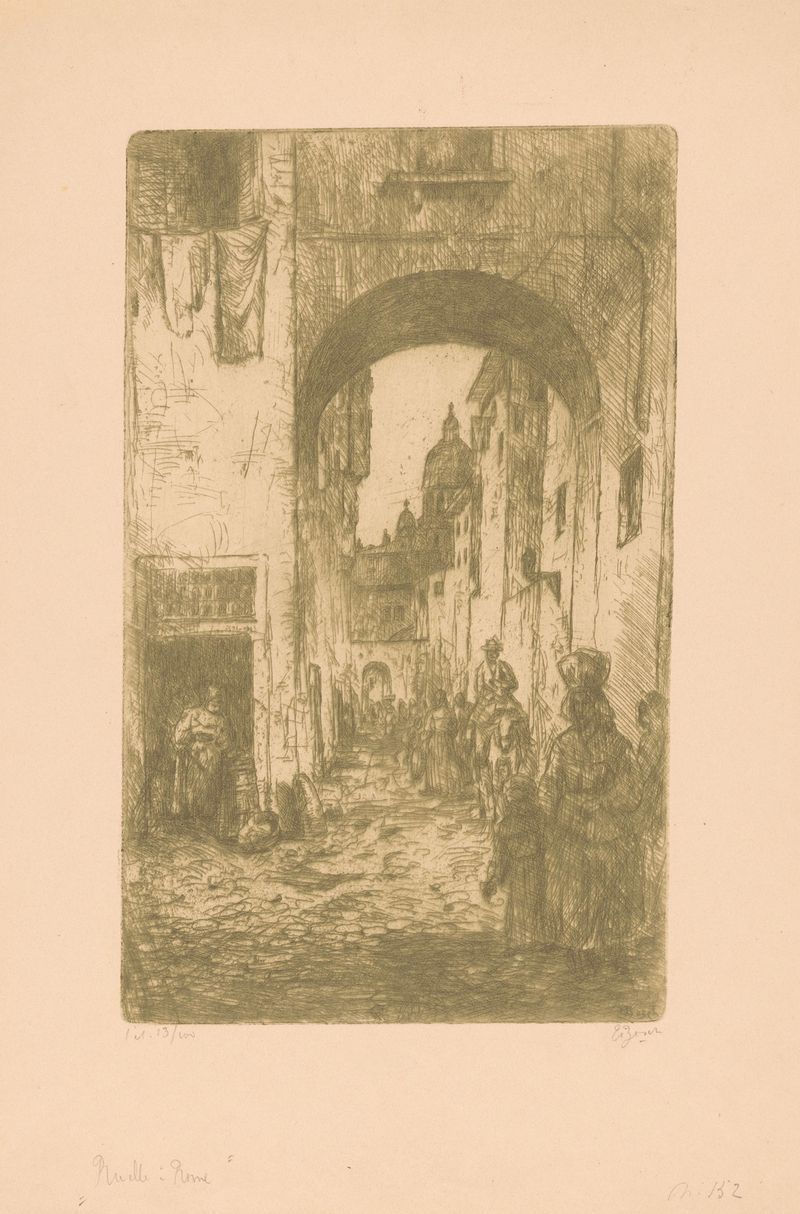
Ruelle, Rome
Etienne Bosch
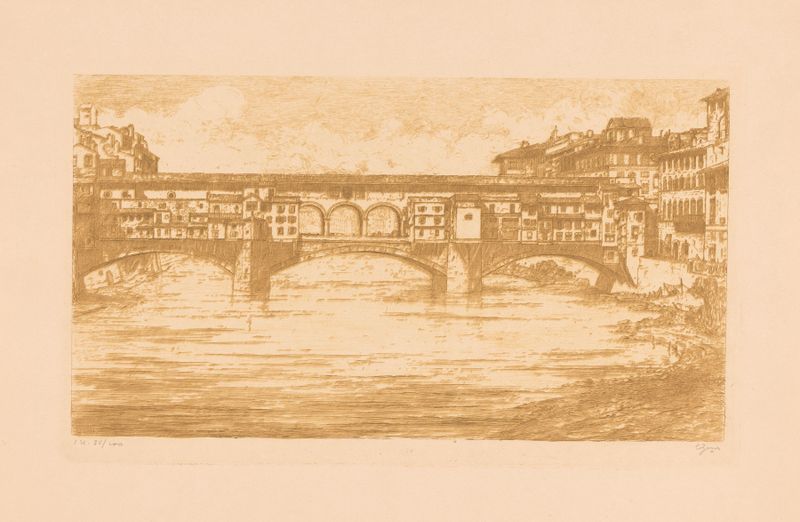
Ponte Vecchio in Florence
Etienne Bosch

Landschap, Rome
Etienne Bosch





