Ruelle, Rome — History & Facts
In the hushed corners of Ruelle, Rome, faith intertwines with the stillness of the streets, inviting contemplation and introspection. The painting whispers secrets of devotion and doubt, echoing through its intricate details. Look to the lower left, where sunlight filters softly through the narrow lane, illuminating the cobblestones worn by countless footsteps. Notice how the warm hues juxtapose against the cool shadows, creating a visual dialogue between light and dark.
Bosch employs precise brushwork to render the ancient architecture, drawing your eye upward to the delicate arches and faded murals that hint at the passage of time and devotion etched into the very stones of this timeless city. In this quiet depiction, the contrast between the vibrancy of life and the solemnity of the sacred is palpable. Each element holds significance: the empty street suggests solitude, while the distant archway conveys a sense of hope and beckoning faith. This tension between presence and absence reflects the human condition, where every moment of stillness invites deeper reflection on one’s beliefs and the weight of history. Created during the early 20th century, Bosch painted Ruelle, Rome while living in a world that was increasingly grappling with the upheavals of modernity.
His focus on spiritual themes amid the changing dynamics of art mirrors his own artistic journey, as he sought to blend realism with a sense of the ethereal, capturing the essence of faith in an ever-evolving landscape.
More Artworks by Etienne Bosch
Browse all →
Gezicht op de achterkant van de Notre Dame in Parijs Notre Dame
Etienne Bosch
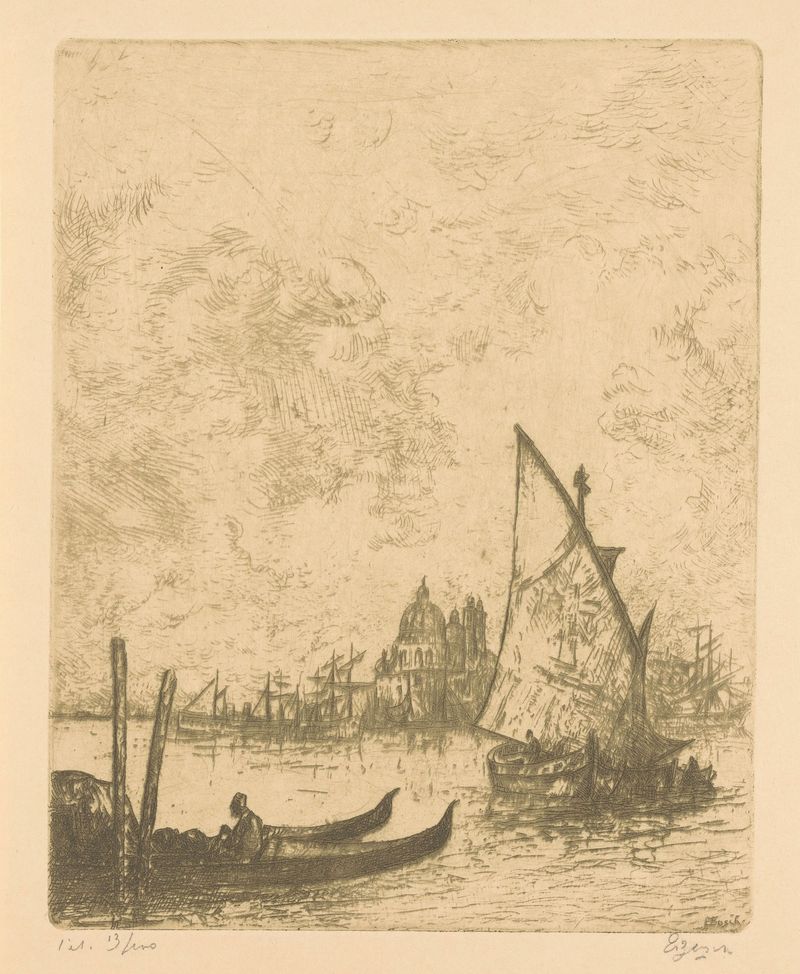
Venetië
Etienne Bosch

Amsterdamse poort te Haarlem
Etienne Bosch

Le Palatin Rome
Etienne Bosch

Landschap bij Rome
Etienne Bosch
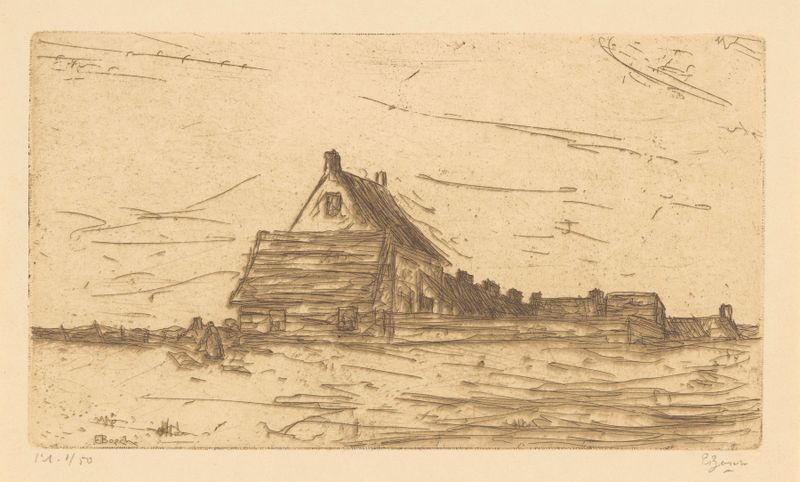
Boerenwoning
Etienne Bosch

Scheveningen
Etienne Bosch
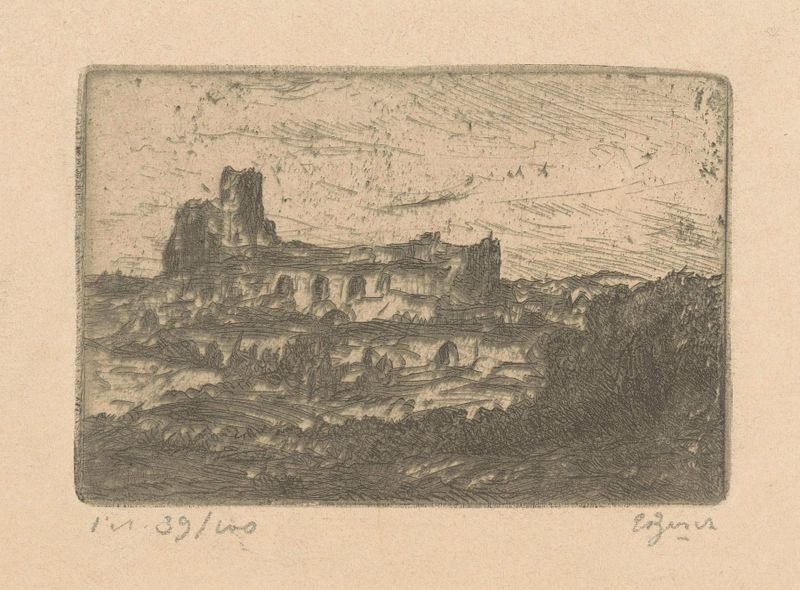
Ruïne Rome
Etienne Bosch
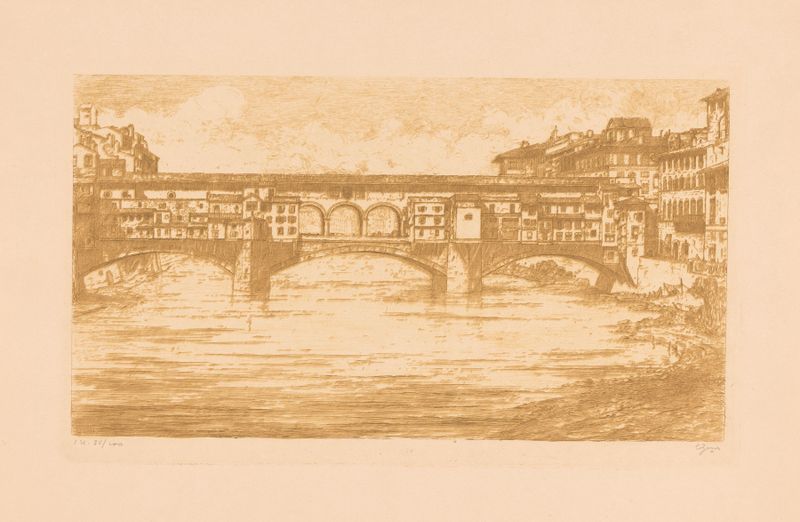
Ponte Vecchio in Florence
Etienne Bosch

Landschap, Rome
Etienne Bosch