
Gezicht op de achterkant van de Notre Dame in Parijs Notre Dame — History & Facts
Is this a mirror — or a memory? The reflection of Notre Dame in all its sublime chaos invites contemplation on the nature of beauty and ruin. Look closely at the bottom center of the canvas, where the shimmering waters of the Seine cradle the cathedral’s majestic silhouette. The artist masterfully employs subdued greys and muted blues to evoke the chill of early morning, as delicate ripples distort the image, blurring the lines between reality and illusion. Notice how the light dances on the water’s surface, creating a dynamic interplay that suggests movement, while the solid architecture of Notre Dame stands resolute in the background, a testament to permanence amidst the flux. Diving deeper into the composition, the contrasting elements of the tranquil water and the grandeur of the stone structure gesture towards the duality of existence — chaos and calm, memory and reality.
The soft brushstrokes suggest a fleeting moment, hinting at the fragility of beauty that can dissolve into chaos at any time. The cathedral, a symbol of faith and resilience, paradoxically exists in a state of reflection, constantly subject to the ebb and flow of time and memory. Etienne Bosch created this evocative piece between 1873 and 1931, a period marked by significant transformations in art and society. Working during a time of rapid modernization in Paris, Bosch was part of a movement that sought to capture the spirit of the city amid its burgeoning chaos.
His artistic journey mirrored the tensions of the age, balancing traditional forms with the emerging avant-garde.
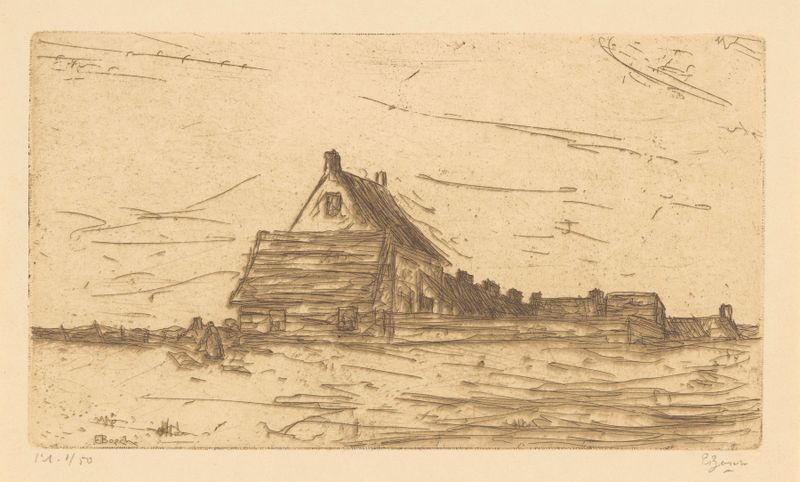
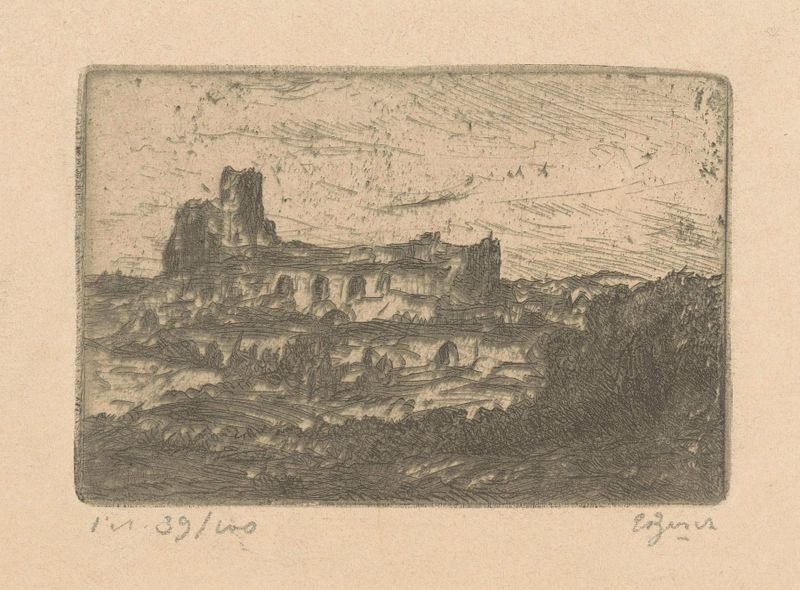
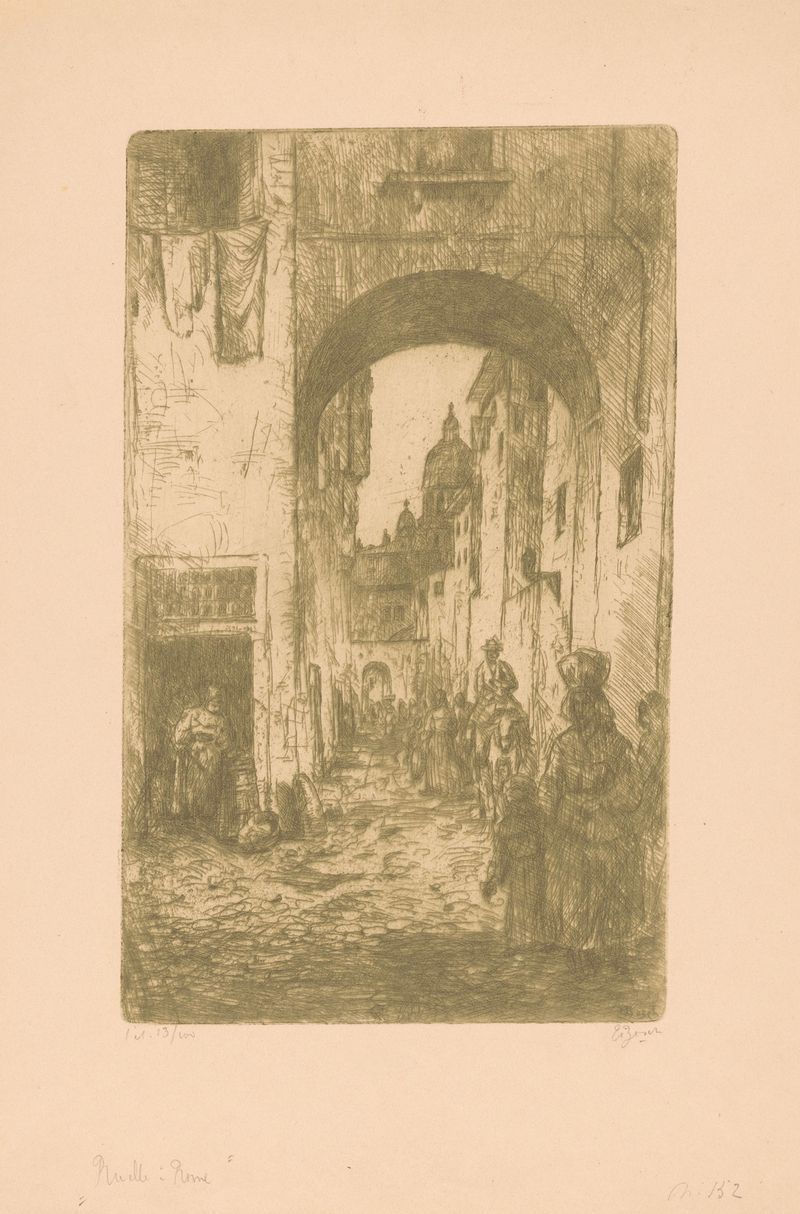
More Artworks by Etienne Bosch
Browse all →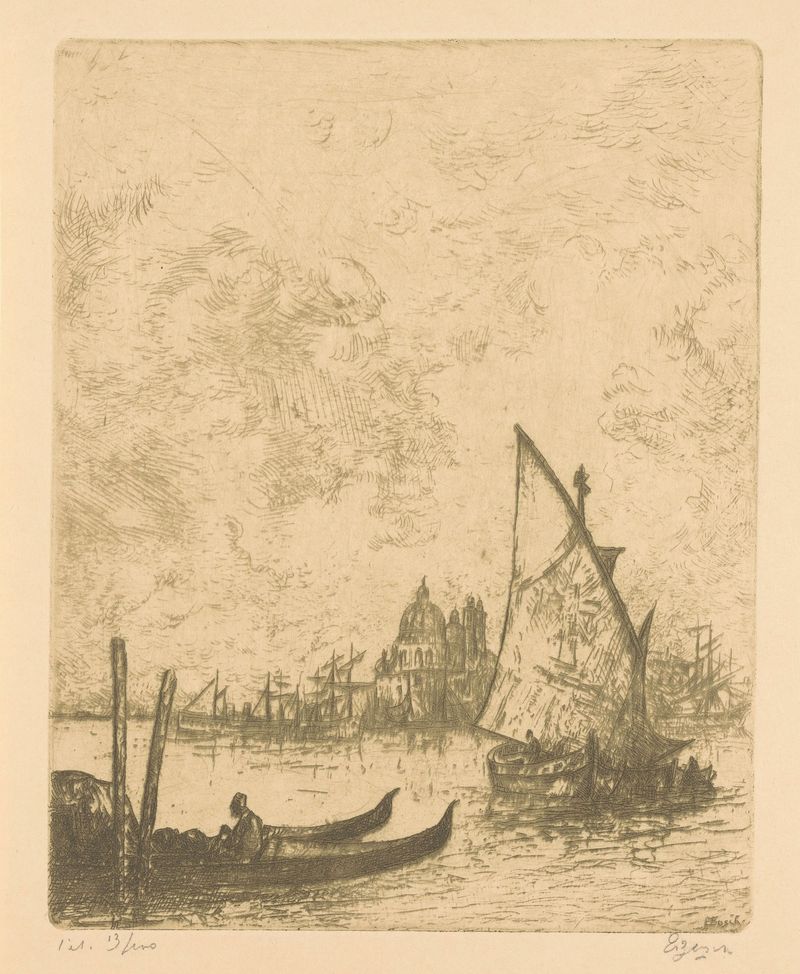




More Architecture Art
Browse all →
The statue of Liberty
Frédéric Auguste Bartholdi

View of Houses in Delft, Known as ‘The Little Street’
Johannes Vermeer

View of Houses in Delft, Known as ‘The Little Street’
Johannes Vermeer

The Cathedral in Rouen. The portal, Grey Weather
Claude Monet

The yellow house
Vincent van Gogh

The Church in Auvers-sur-Oise, View from the Chevet
Vincent van Gogh