
Ruïne Rome — History & Facts
What secret hides in the quiet of the canvas? The interplay of color whispers tales of forgotten grandeur and lingering decay, inviting us to peer deeper into its layers. Look to the soft hues that saturate the canvas, where muted ochres and gentle greens blend into the remnants of ancient architecture. The ruins loom majestically, their crumbling forms defined by delicate brush strokes that create a sense of both fragility and permanence. Notice how the light dances across the surfaces, highlighting texture and shadow, while subtle gradations evoke the passage of time itself.
The composition draws the eye upward, where the sky engages in a tender dialogue with the ruins, offering a contrasting vibrancy that breathes life into the stillness. Beneath the surface, the painting reveals a poignant contrast between nature’s persistent reclamation and humanity’s fleeting presence. The vines intertwine with stone, suggesting an eternal struggle between decay and renewal. There’s an emotional weight in the silence of this moment—each crack and crevice speaks of stories long forgotten, while the tranquility evokes a melancholic reflection on impermanence.
The artist's choice of colors enhances this tension, allowing echoes of vibrancy to coexist with the somber remnants of a once-thriving civilization. Etienne Bosch created Ruïne Rome between 1873 and 1931, during a period marked by the rise of Impressionism and the exploration of color in the art world. Living in the Netherlands, he was influenced by the changing perceptions of landscapes and historical sites. Amidst the backdrop of significant artistic developments, Bosch sought to capture the essence of ruins—a theme resonating with both nostalgia and a contemplation of time.
More Artworks by Etienne Bosch
Browse all →
Gezicht op de achterkant van de Notre Dame in Parijs Notre Dame
Etienne Bosch
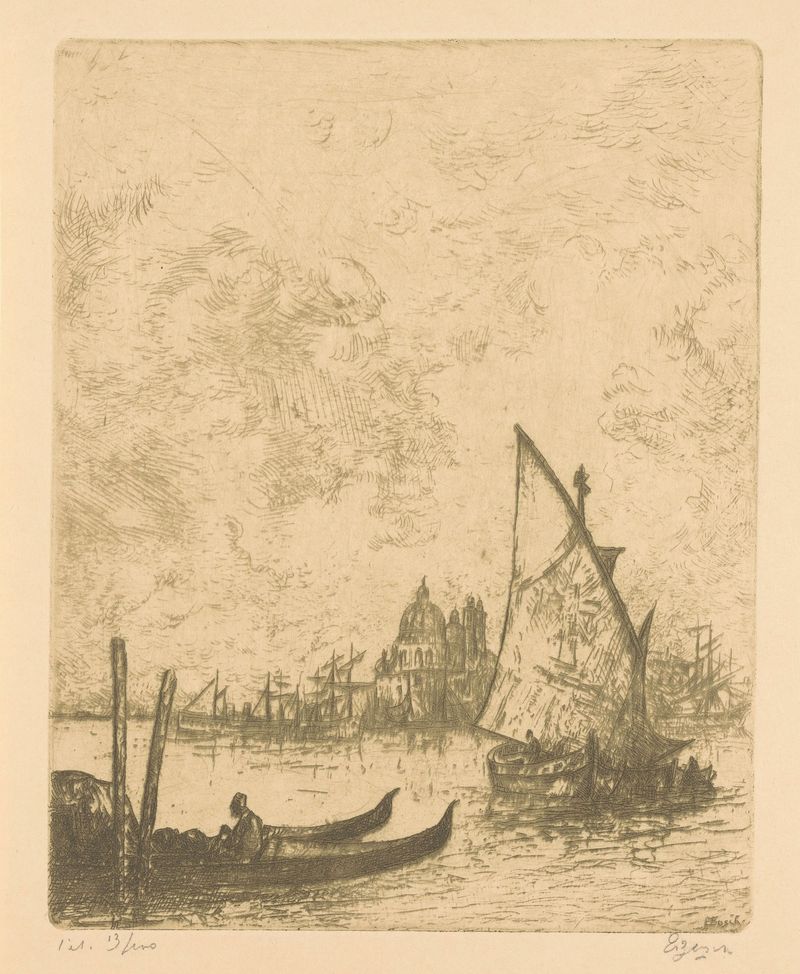
Venetië
Etienne Bosch

Amsterdamse poort te Haarlem
Etienne Bosch

Le Palatin Rome
Etienne Bosch

Landschap bij Rome
Etienne Bosch
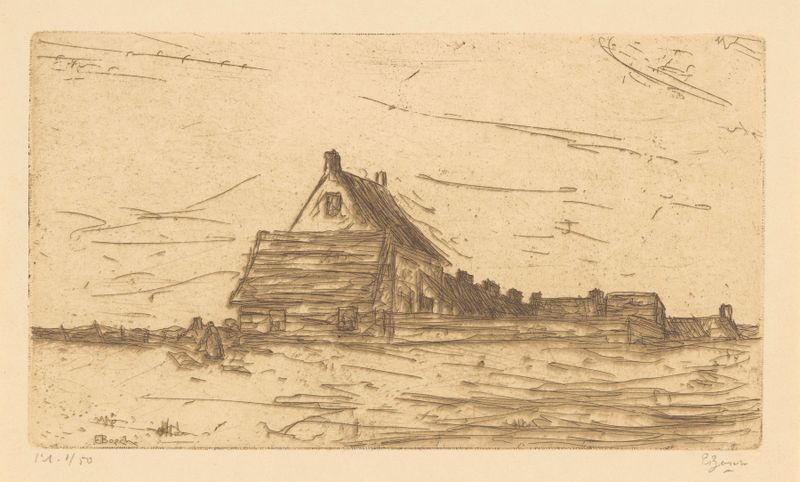
Boerenwoning
Etienne Bosch

Scheveningen
Etienne Bosch
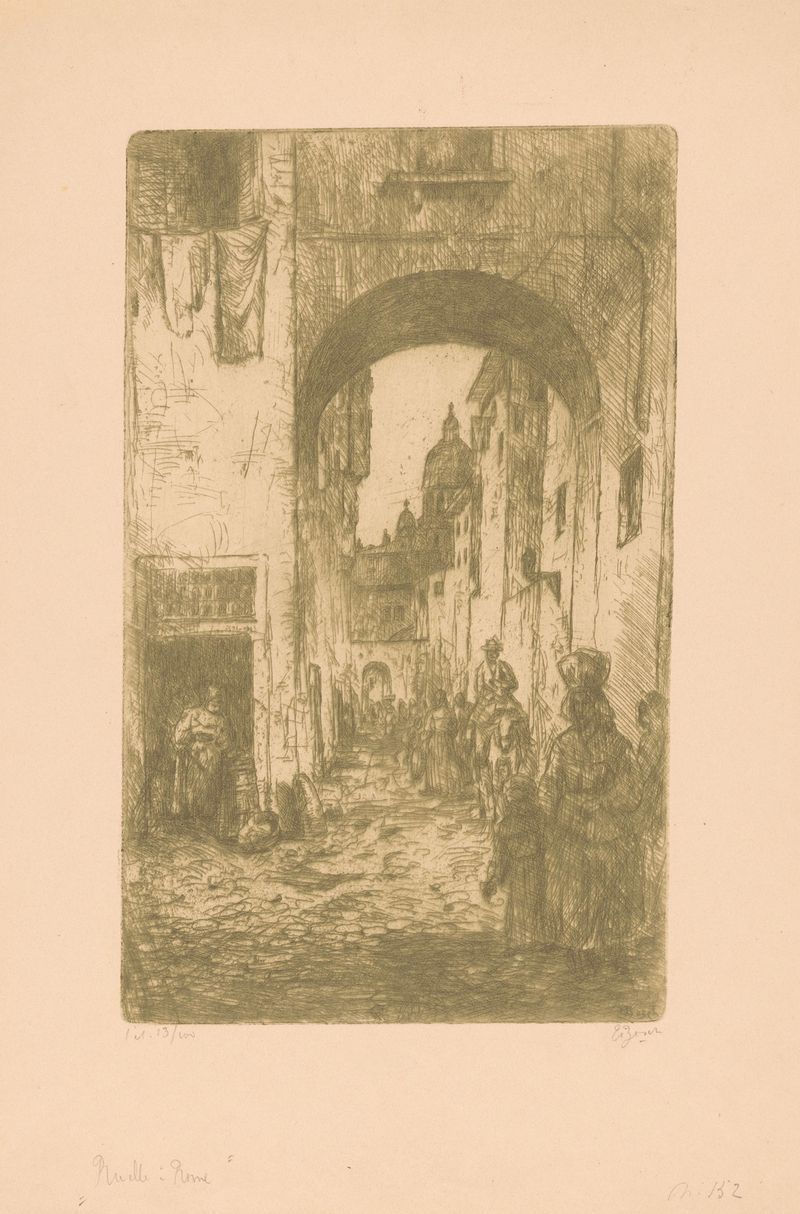
Ruelle, Rome
Etienne Bosch
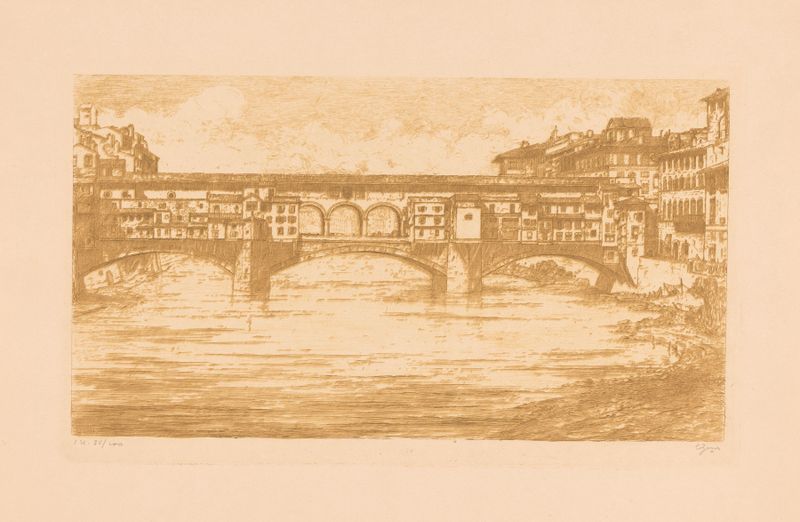
Ponte Vecchio in Florence
Etienne Bosch

Landschap, Rome
Etienne Bosch
More Architecture Art
Browse all →
The statue of Liberty
Frédéric Auguste Bartholdi

View of Houses in Delft, Known as ‘The Little Street’
Johannes Vermeer

View of Houses in Delft, Known as ‘The Little Street’
Johannes Vermeer

The Cathedral in Rouen. The portal, Grey Weather
Claude Monet

The yellow house
Vincent van Gogh

The Church in Auvers-sur-Oise, View from the Chevet
Vincent van Gogh