
Landschap, Rome — History & Facts
Did the painter know this moment would outlive them? In Landschap, Rome, a serene expanse unfolds, capturing the fleeting essence of time in a still yet vibrant tableau. Focus your gaze on the horizon, where the soft, rolling hills meet a gently diffused sky. The delicate touches of blue and gold merge seamlessly, inviting you into an ethereal realm. Notice how the trees stand tall on the left, their rich greens contrasting sharply with the warm earth tones below, guiding your eye through the landscape’s narrative.
Bosch's meticulous brushwork creates an illusion of depth, making the viewer feel as though they could step into this tranquil setting. Yet, the painting whispers of more than mere beauty. The interplay of light and shadow hints at the inevitable passage of time, while the lush greenery evokes a sense of life’s fleeting nature. The foreground speaks to a resilience, as if the earth itself is a guardian of secrets long forgotten.
Each element, from the winding path to the distant hills, weaves a story of contrast—between permanence and transience, the tangible and the ephemeral. In the early 20th century, Bosch painted this landscape amidst a world on the brink of change. Living in the vibrant artistic milieu of the period, he navigated the tensions of modernity, yet chose to embrace nature’s timeless allure. His work reflects a longing for connection to the past, as well as a response to the rapidly evolving artistic landscape of his time.
More Artworks by Etienne Bosch
Browse all →
Gezicht op de achterkant van de Notre Dame in Parijs Notre Dame
Etienne Bosch
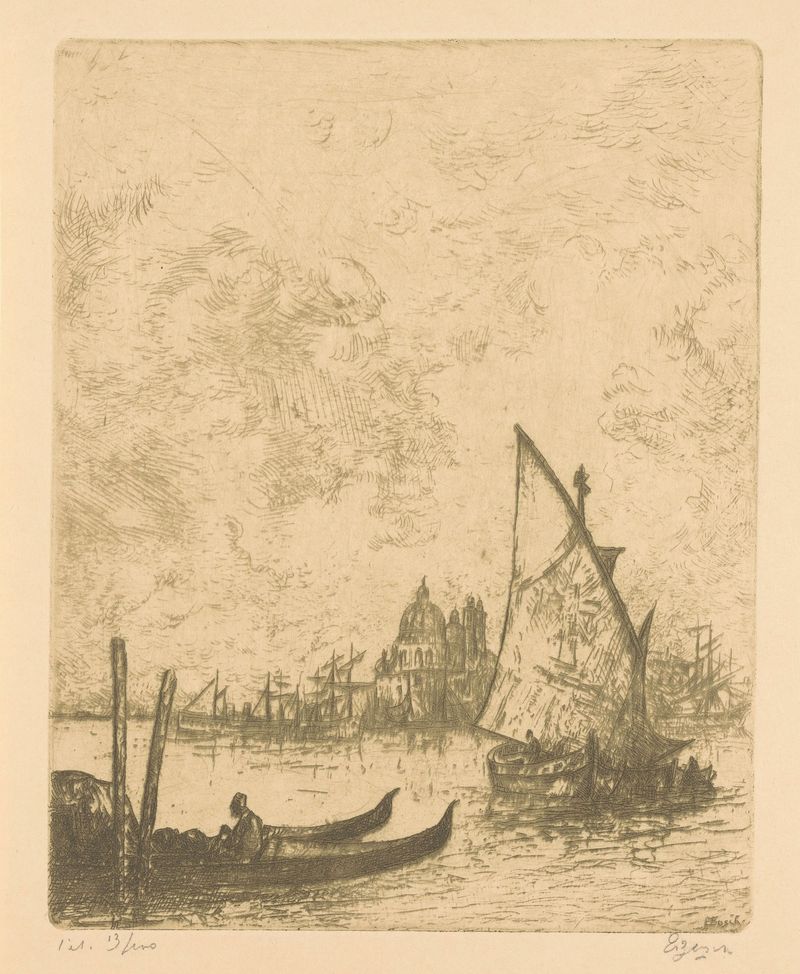
Venetië
Etienne Bosch

Amsterdamse poort te Haarlem
Etienne Bosch

Le Palatin Rome
Etienne Bosch

Landschap bij Rome
Etienne Bosch
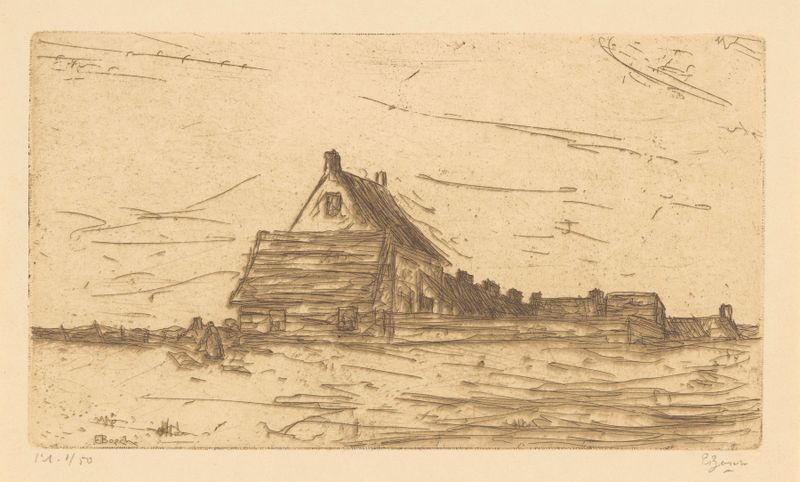
Boerenwoning
Etienne Bosch

Scheveningen
Etienne Bosch
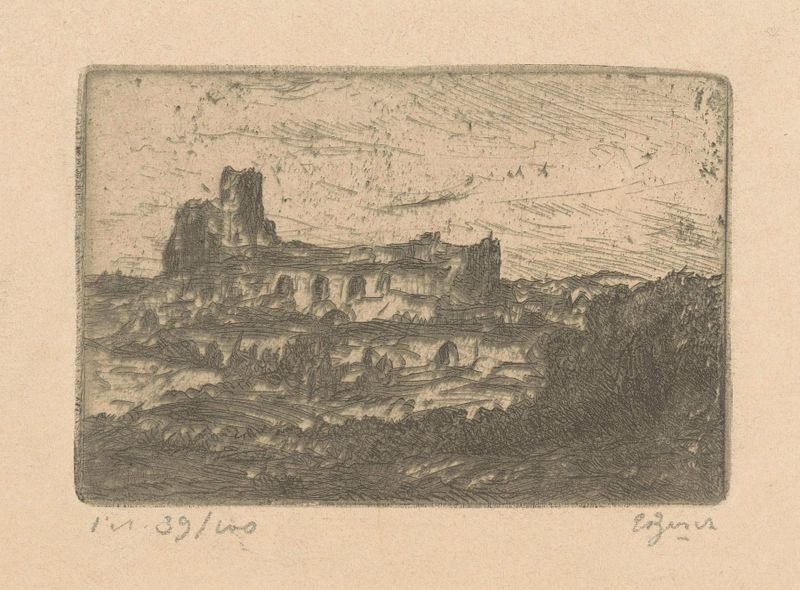
Ruïne Rome
Etienne Bosch
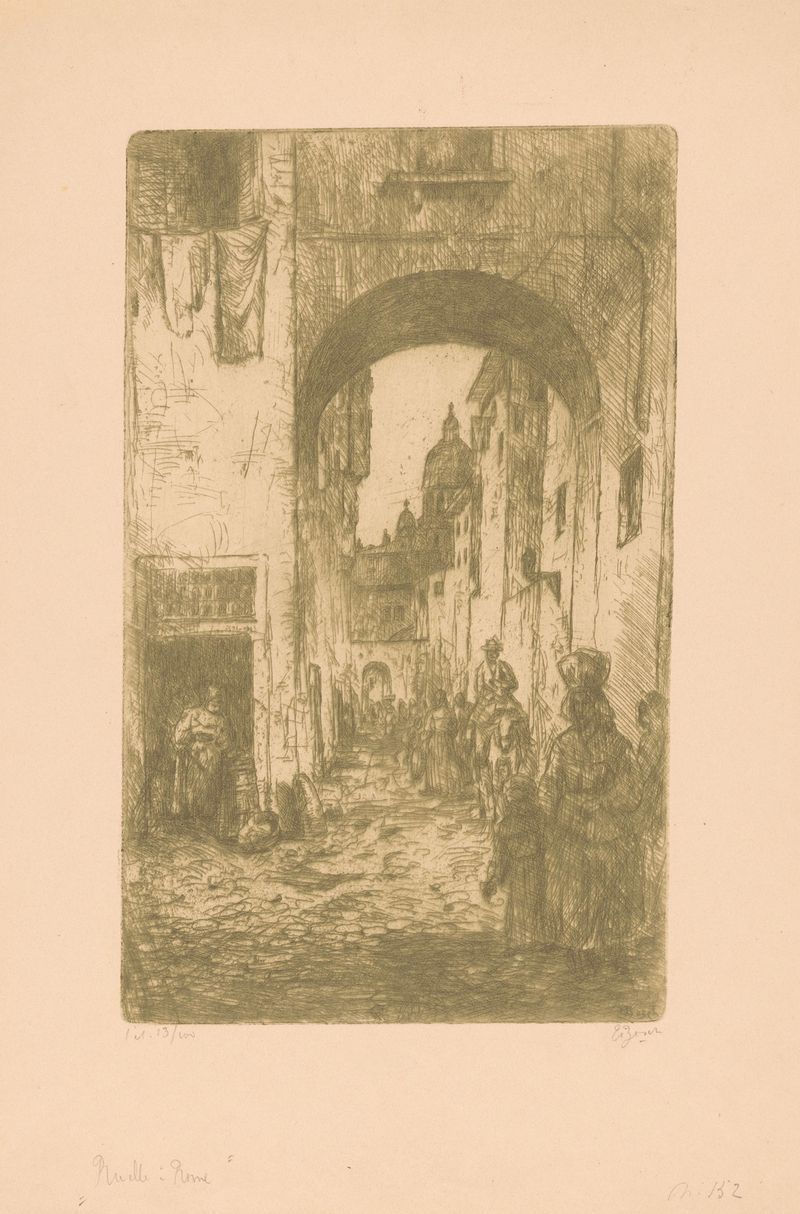
Ruelle, Rome
Etienne Bosch
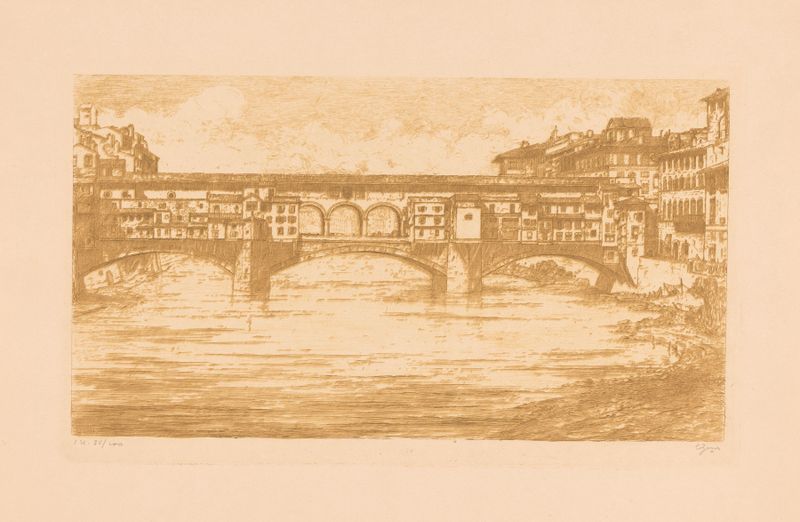
Ponte Vecchio in Florence
Etienne Bosch





