
Scheveningen — History & Facts
In the act of creation, the artist grapples with the essence of loss, capturing fleeting moments as they dissolve into memory. Here, the canvas becomes a vessel for recollection and reflection, echoing a poignant truth about the human experience. Focus on the vast expanse of the beach that stretches across the horizon, where the gentle rise and fall of the waves meets the soft blush of twilight. Note the deft brushstrokes that create a sense of movement, the mingling of blues and grays conveying both serenity and an underlying melancholy.
The figures scattered along the shoreline draw the eye, their silhouettes merging with the landscape—a reminder of the transience of life and connection. As you delve deeper, observe how the interplay of light and shadow enhances the emotional weight of the scene. The luminous sky, tinged with hints of orange and pink, contrasts sharply with the muted tones of the water, suggesting a world caught between day and night. Here, the distance of the figures imbues them with a sense of isolation, evoking themes of longing and the bittersweet passage of time—a collective memory that both unites and separates. Created during a period of profound change in Europe, the work emerged between 1873 and 1931, a time marked by artistic experimentation and the rise of modernism.
Etienne Bosch painted it while navigating personal and societal upheavals, capturing the essence of a world on the brink of transformation. This moment in his life, combined with a shifting art landscape, allowed him to explore the intersection of memory and emotion, resulting in a piece that resonates with anyone who has ever experienced loss.
More Artworks by Etienne Bosch
Browse all →
Gezicht op de achterkant van de Notre Dame in Parijs Notre Dame
Etienne Bosch
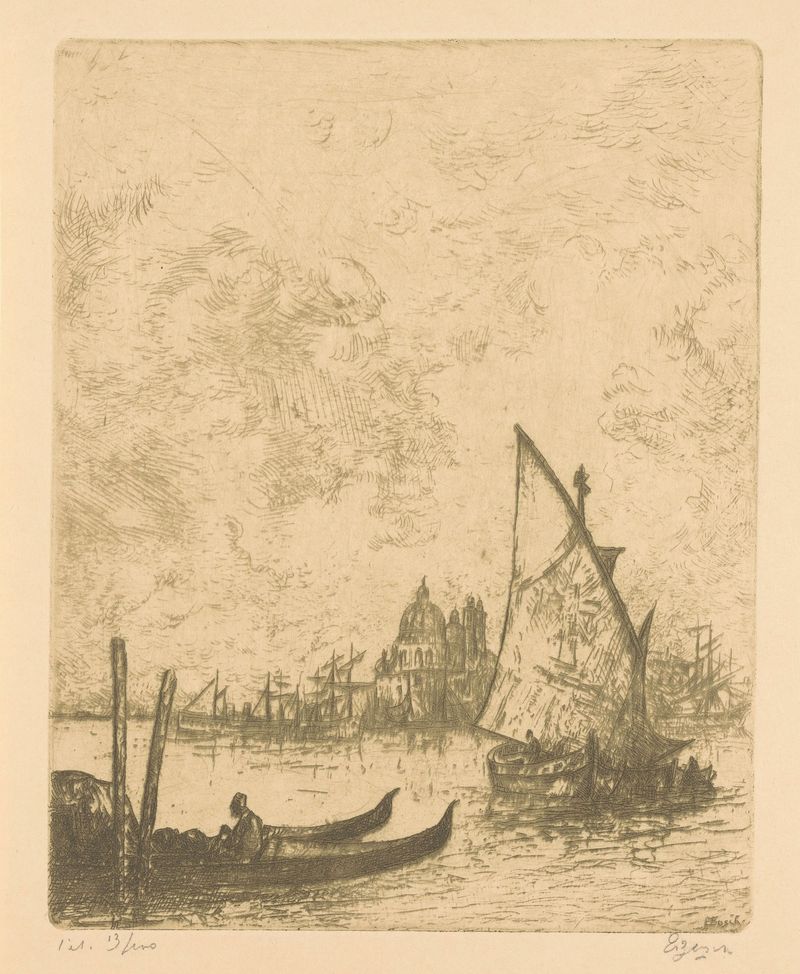
Venetië
Etienne Bosch

Amsterdamse poort te Haarlem
Etienne Bosch

Le Palatin Rome
Etienne Bosch

Landschap bij Rome
Etienne Bosch
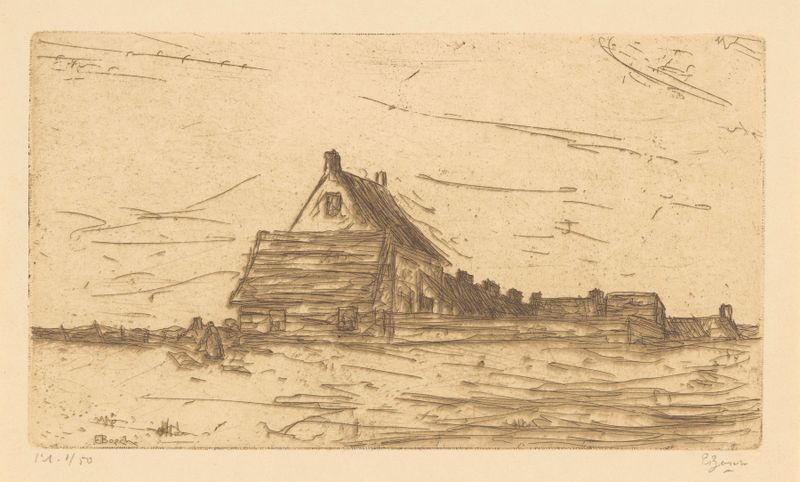
Boerenwoning
Etienne Bosch
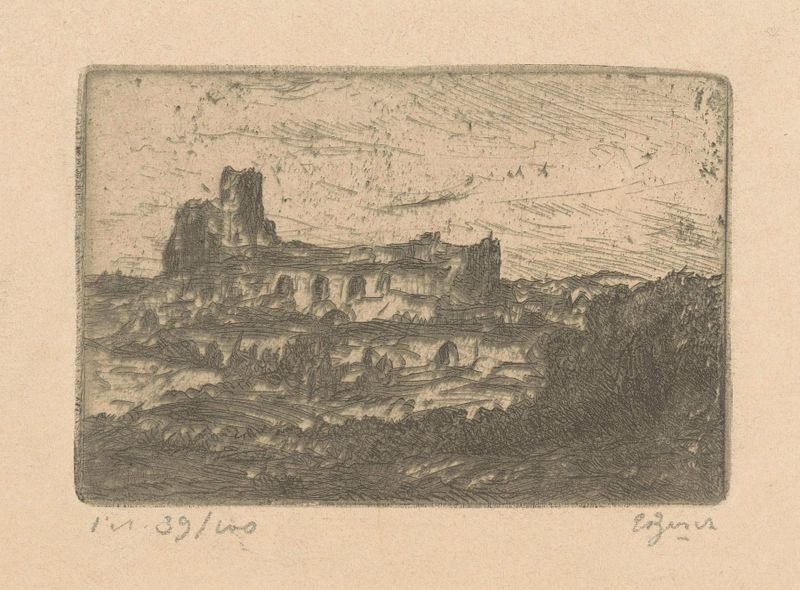
Ruïne Rome
Etienne Bosch
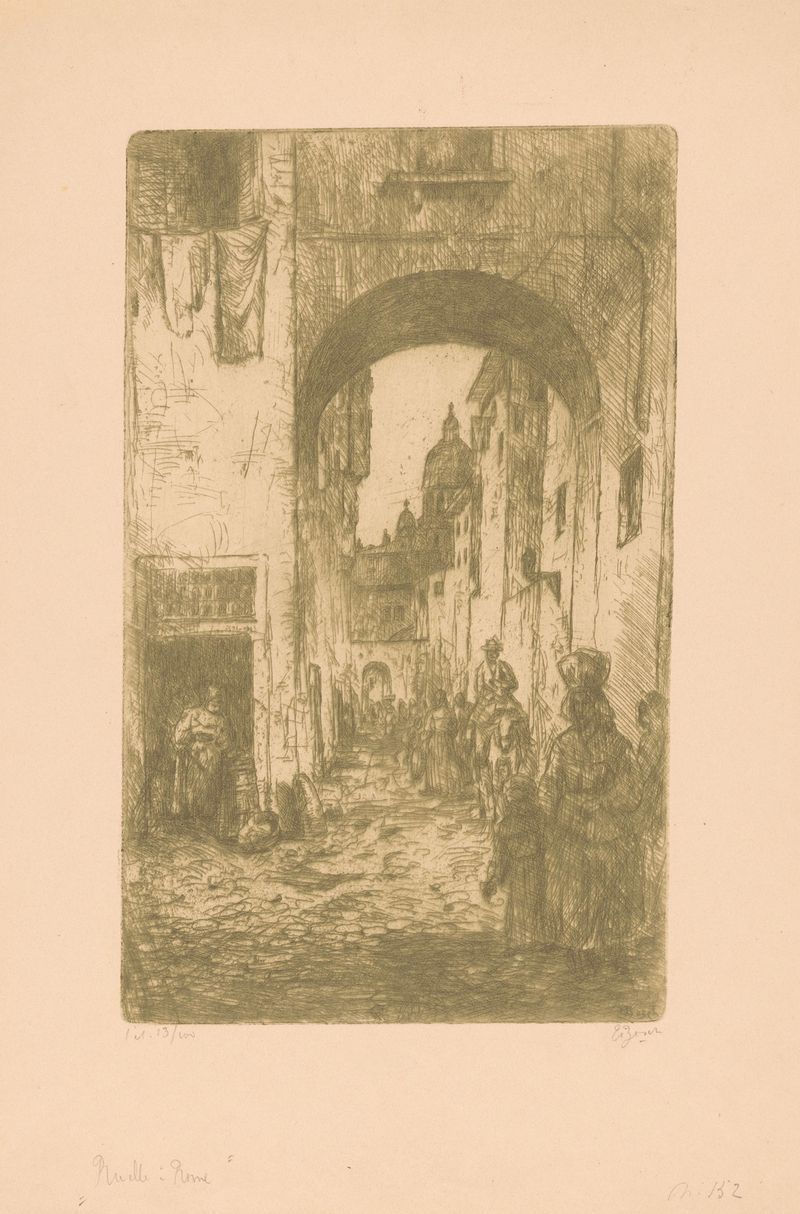
Ruelle, Rome
Etienne Bosch
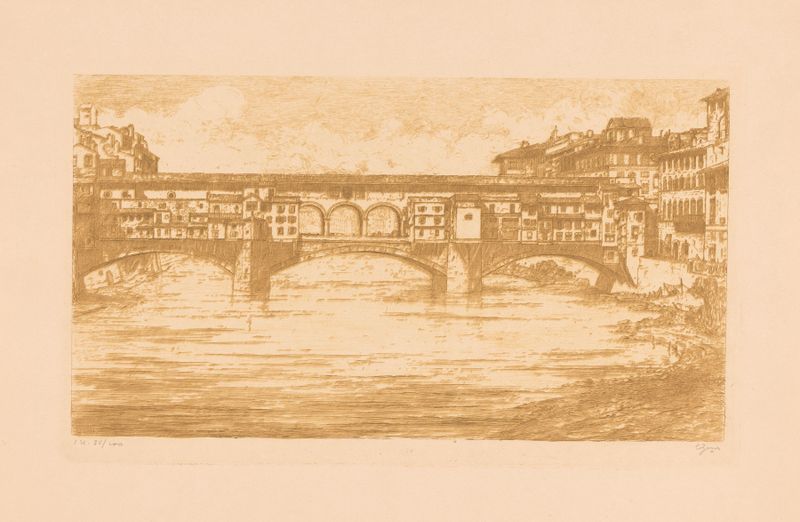
Ponte Vecchio in Florence
Etienne Bosch

Landschap, Rome
Etienne Bosch





