
An Abandoned Farm — History & Facts
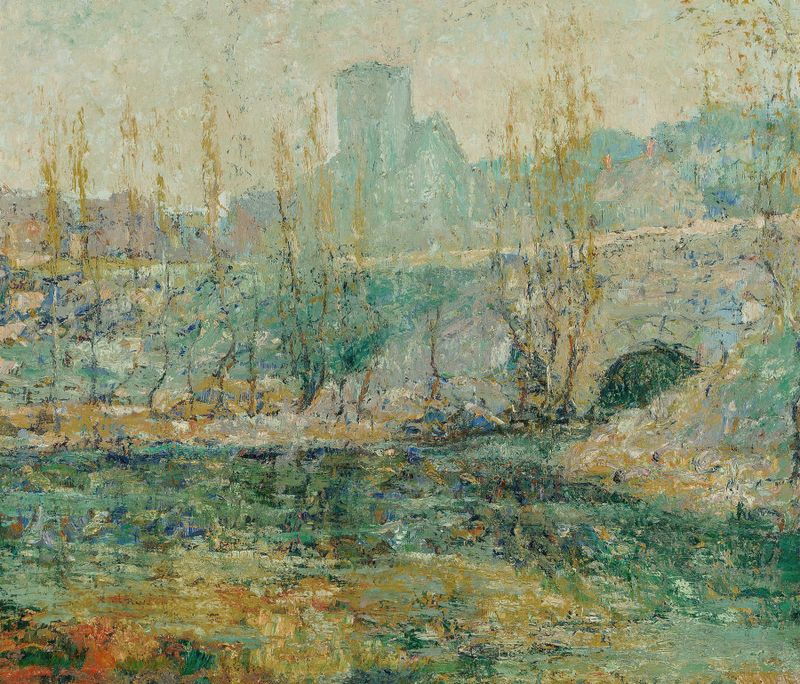
In the stillness of decay, the layers of time whisper of what once was, beckoning the viewer to reflect on the cycles of loss and rebirth. Focus on the gentle, muted greens and browns that dominate the canvas, grounding you in the somber reality of an abandoned farm. Notice how the light filters through the clouds, casting soft shadows that dance across the crumbling structure, hinting at a narrative of resilience. The brushwork is both loose and deliberate, creating a sense of movement as the landscape breathes, reminding us that even in abandonment, life persists. As you explore the artwork, consider the emotional tension between neglect and nature's reclamation.
The dilapidated barn stands as a testament to human endeavor, contrasted against the encroaching wildness of grass and vines, inviting thoughts of what once flourished. Each element represents a story — the strength of the earth versus the frailty of human ambitions, a poignant reminder of the inevitable passage of time. In 1908, the artist found himself amidst an evolving art scene in the United States, where the Ashcan School and American Impressionism were reshaping the aesthetic landscape. Lawson was deeply influenced by the natural beauty of rural settings, often exploring themes of solitude and transformation.
This period marked a significant moment in his life as he began to embrace a more personal style, seeking beauty in the overlooked and forgotten spaces that tell powerful stories of rebirth.
More Artworks by Ernest Lawson
Browse all →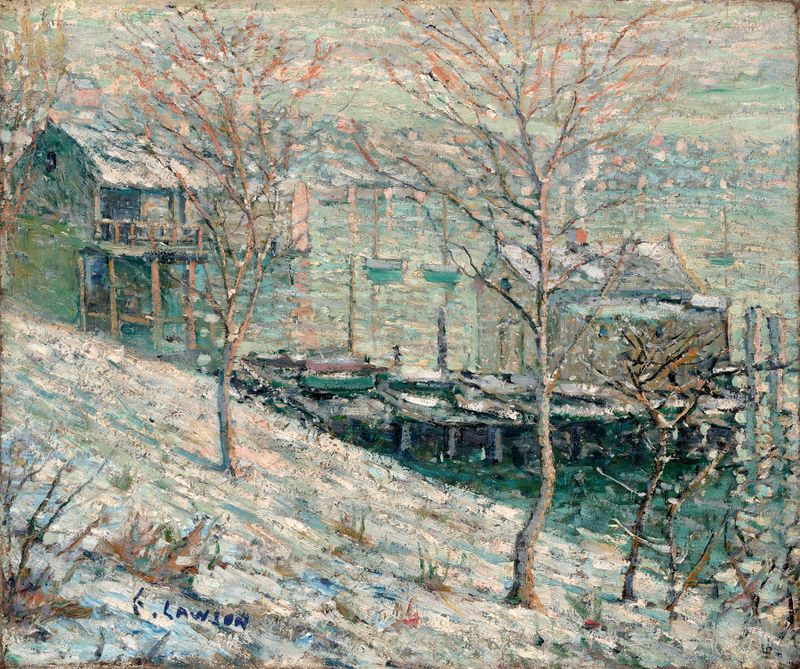
Harlem River Winter Scene
Ernest Lawson

Spring Night, Harlem River
Ernest Lawson

Upper Harlem River—Winter
Ernest Lawson
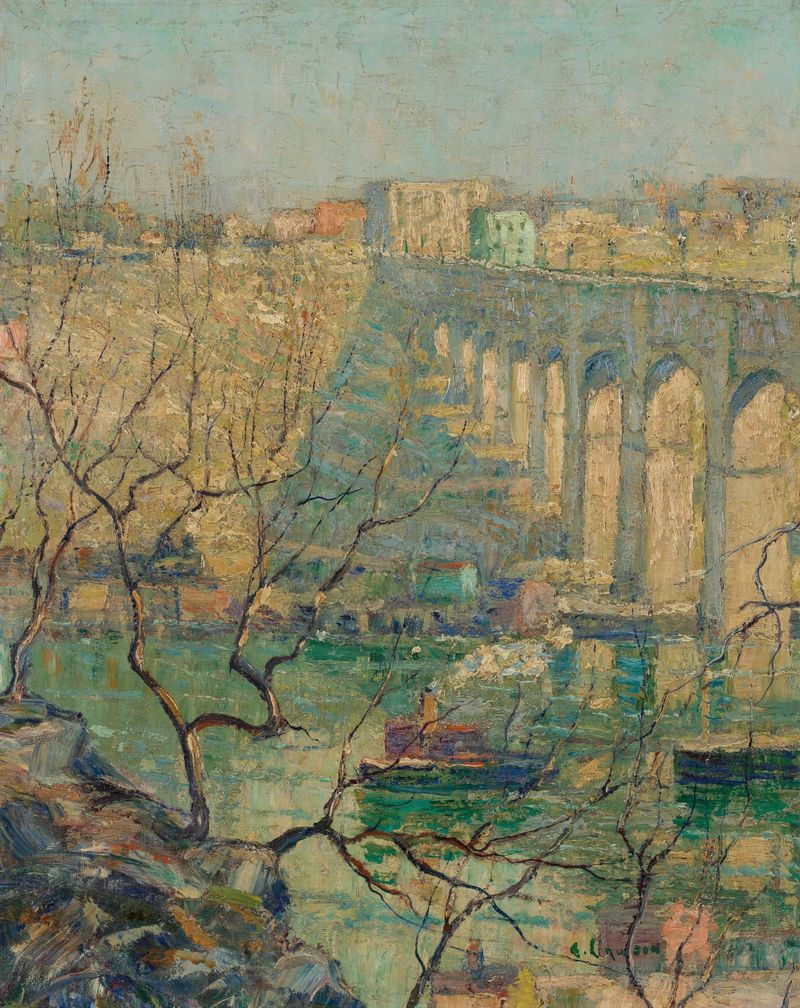
View of the Bridge
Ernest Lawson

A Bright Day, Spain (Segovia)
Ernest Lawson
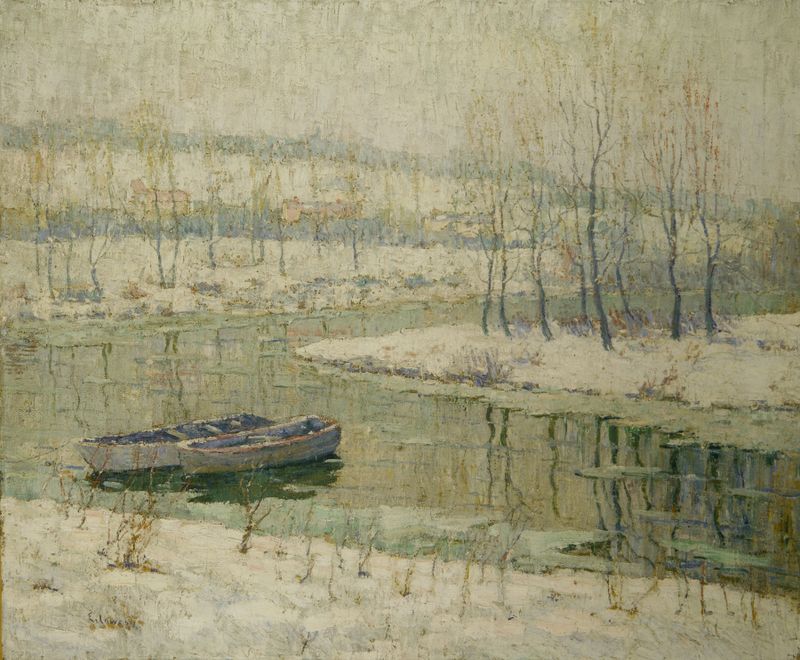
Spring thaw
Ernest Lawson

Road Down the Palisades
Ernest Lawson
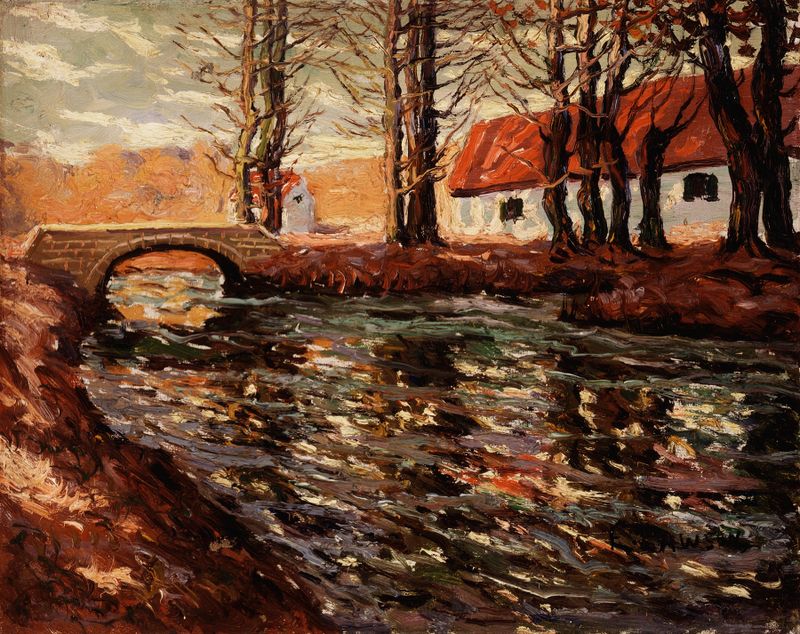
River Landscape
Ernest Lawson

The Mill
Ernest Lawson
The Pond and Gapstow Bridge, New York City
Ernest Lawson





