
An Allegory of Painting — History & Facts
When Artemisia Gentileschi painted An Allegory of Painting around 1640, she did something almost unheard of: she cast herself as the very embodiment of her craft. In an era when women were rarely allowed to paint, let alone claim the role of "La Pittura" itself, Gentileschi boldly inserted her own features into the allegorical figure. This was not just a personal statement but a declaration of artistic authority, echoing Cesare Ripa’s Iconologia—the standard source for allegorical imagery—yet subverting its rules by making the allegory a living, breathing woman, not an abstract ideal. The canvas captures the allegorical figure mid-action, her dark hair unbound, sleeves rolled, and body twisting toward the canvas she paints.
In her hand, she holds a brush and palette, the classic tools of the artist, while a gold chain with a mask-shaped pendant hangs from her neck—a symbol of imitation, the painter’s craft. The light falls dramatically across her face and arm, emphasizing the intensity of her gaze and the physicality of her work. Unlike earlier depictions by artists such as Francesco Furini, who often rendered "La Pittura" as a passive muse, Gentileschi’s figure is active and intent, caught in the act of creation.
The moment is both literal and symbolic: the artist as both subject and creator, claiming her place in a male-dominated tradition. The precise early history of An Allegory of Painting remains uncertain, and its original patron is unknown, but the work is often linked to Gentileschi’s years in England, where she worked at the court of Charles I. Its bold self-assertion marks a high point in her career, reflecting both her technical command and her personal journey as a woman artist. Over the centuries, the painting has passed through various collections and has sometimes been misattributed, a fate not uncommon for works by women of her era.
Today, it stands as a signature piece in the story of Artemisia Gentileschi, celebrated for its originality and for the way it captures the artist’s determination to define herself through her art.
More Artworks by Artemisia Gentileschi

Judith Beheading Holofernes
Artemisia Gentileschi
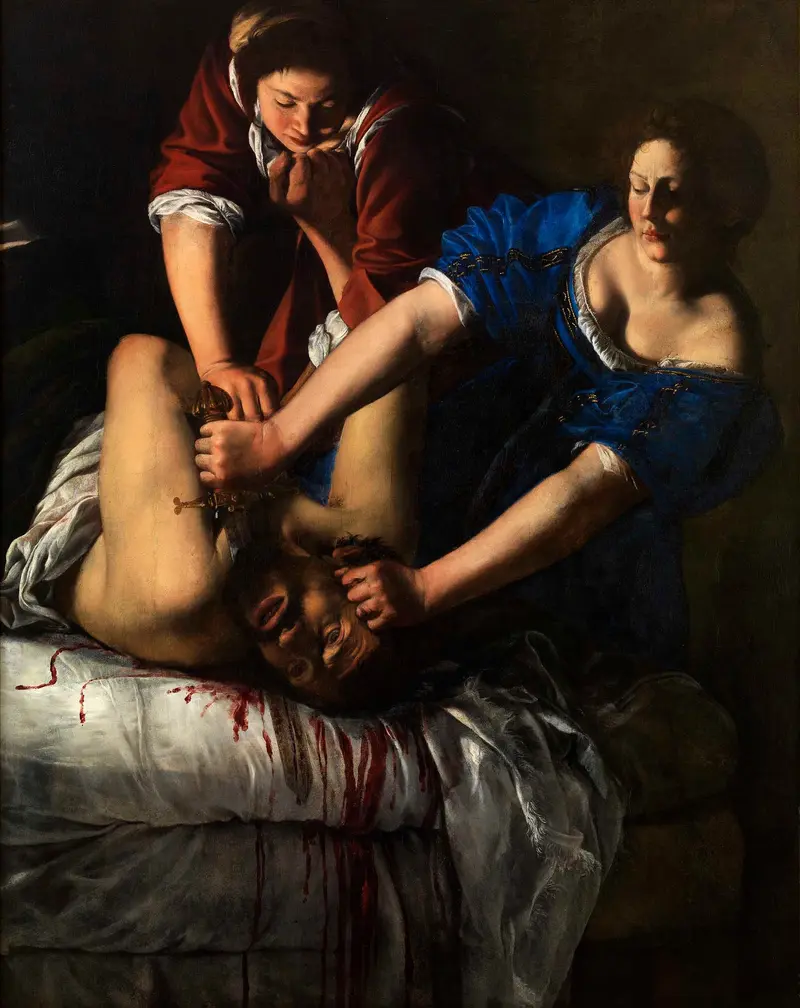
Judith Slaying Holofernes
Artemisia Gentileschi
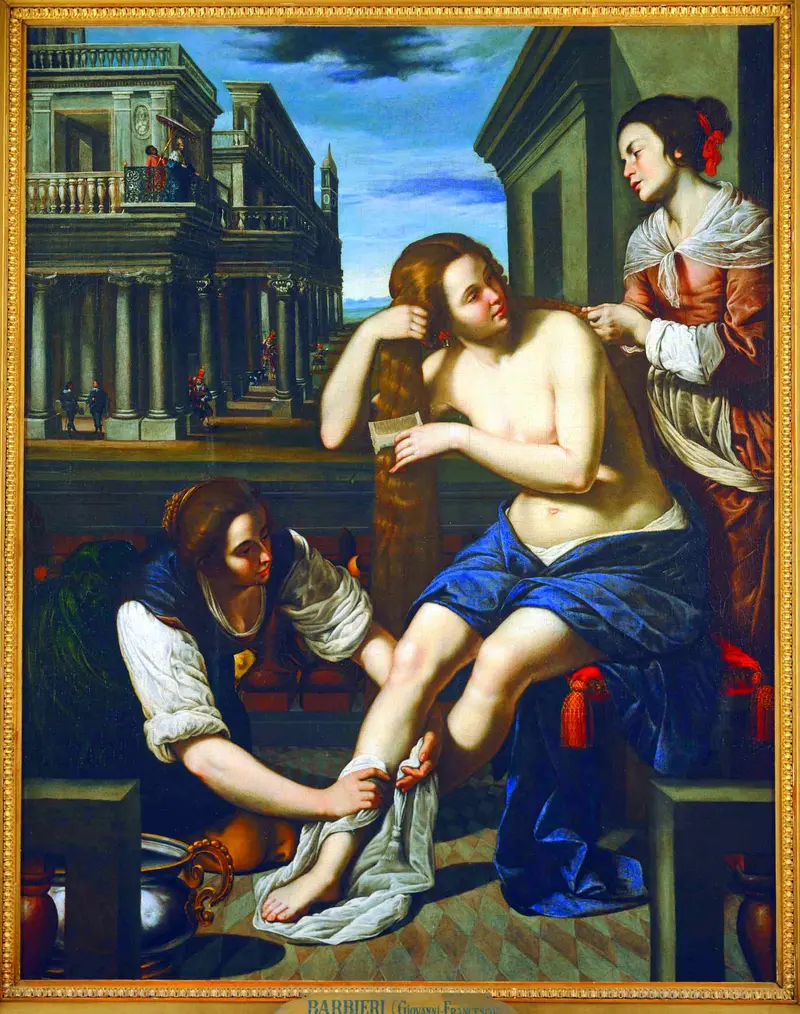
Bathsheba at Her Bath
Artemisia Gentileschi
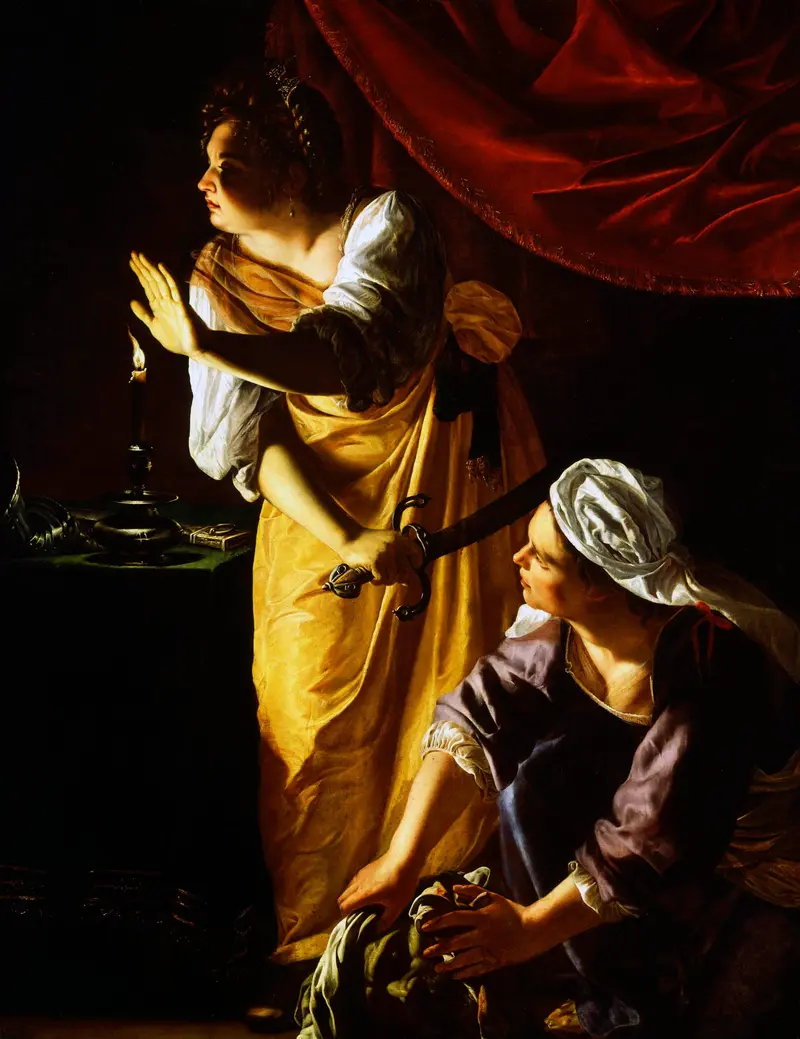
Judith and Maidservant with Head of Holofernes
Artemisia Gentileschi
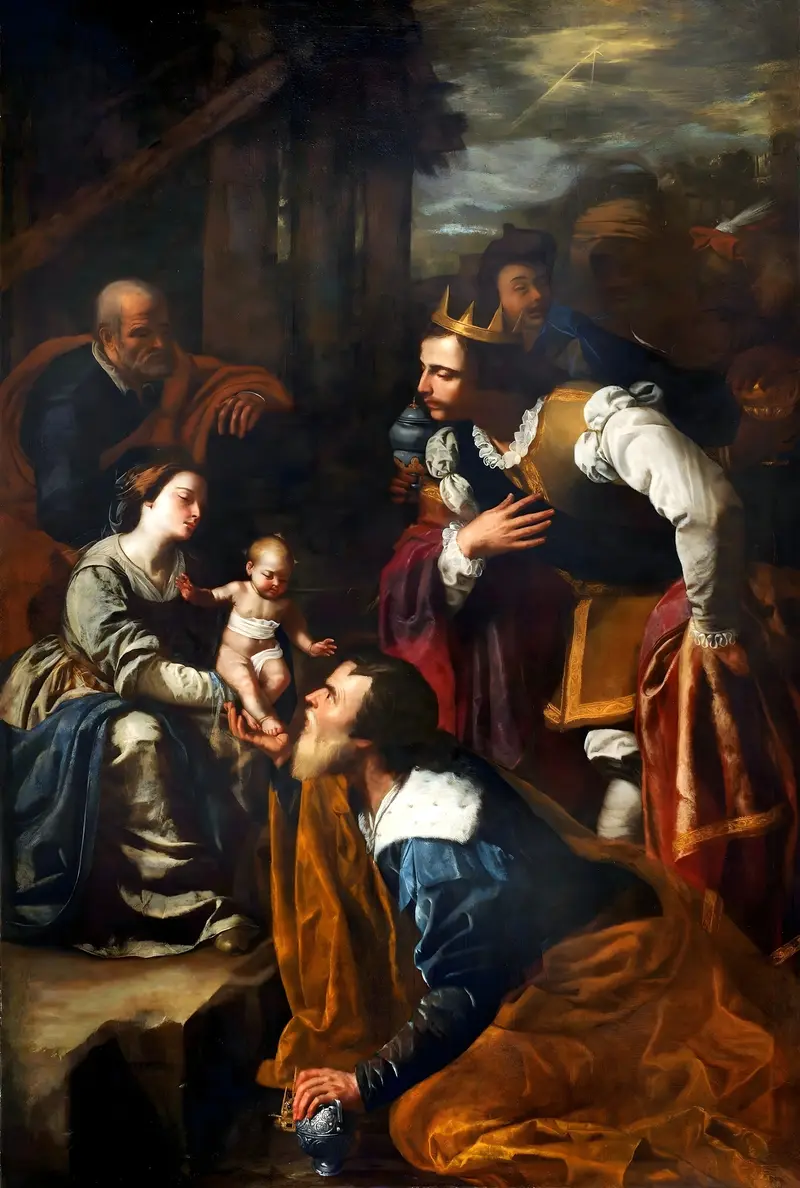
Adoration of the Magi
Artemisia Gentileschi
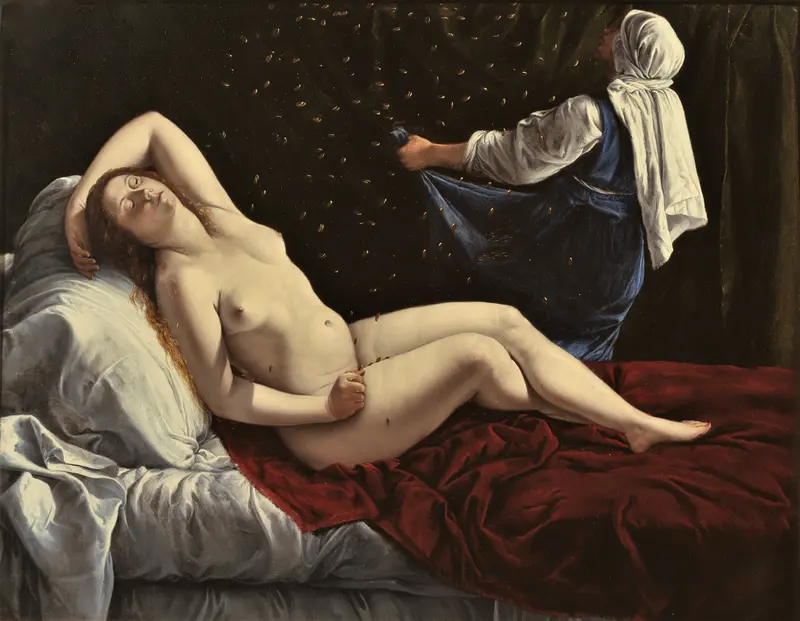
Danaë
Artemisia Gentileschi
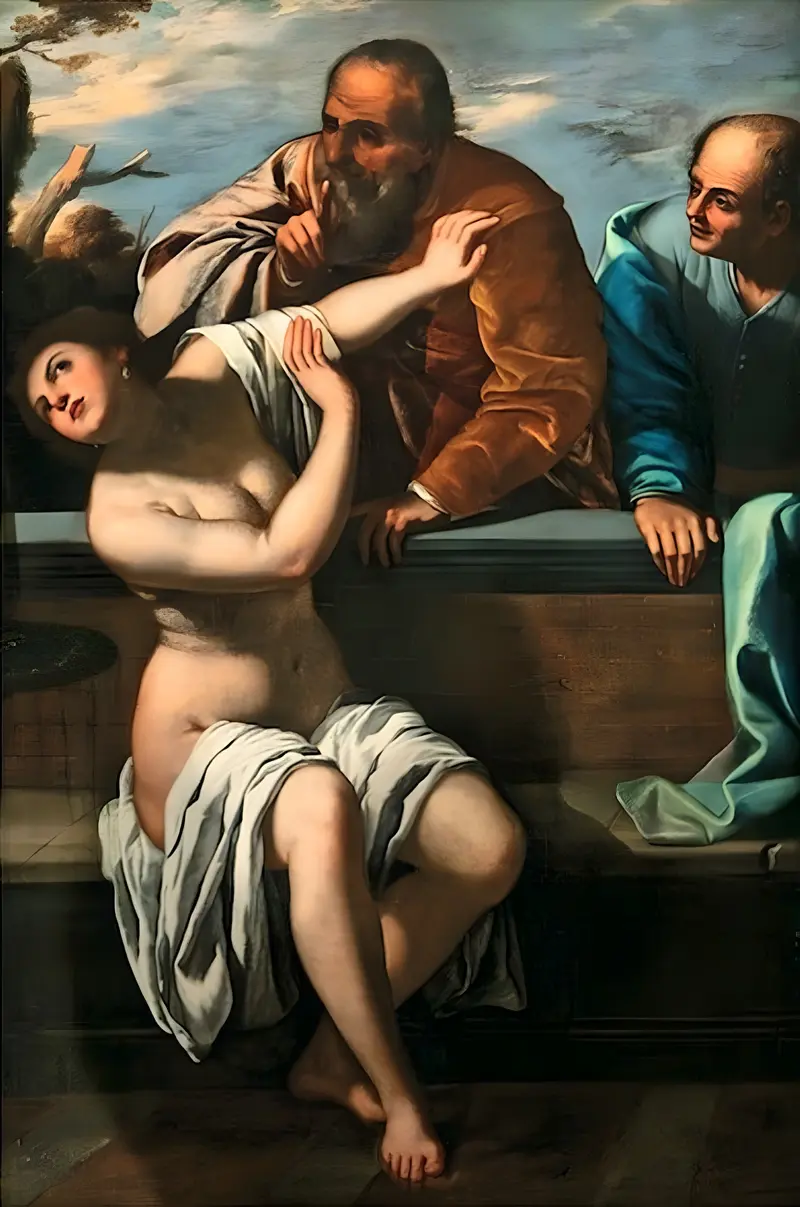
Susannah and the Elders
Artemisia Gentileschi

Judith and her Servant with the Head of Holofernes
Artemisia Gentileschi
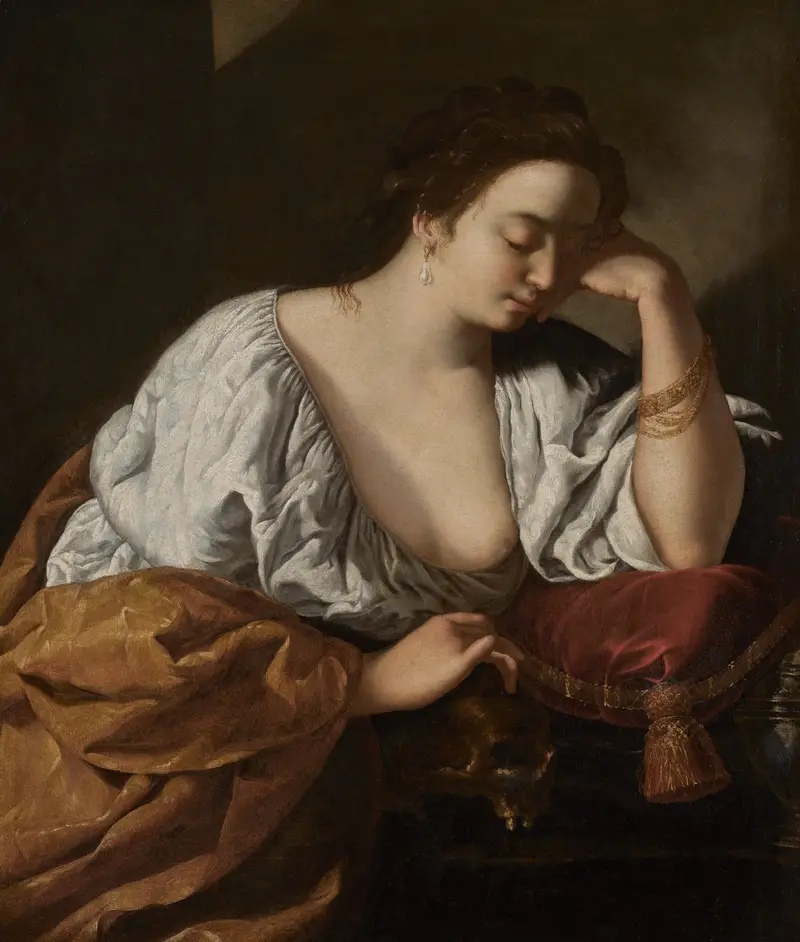
Madeleine pénitente, par
Artemisia Gentileschi
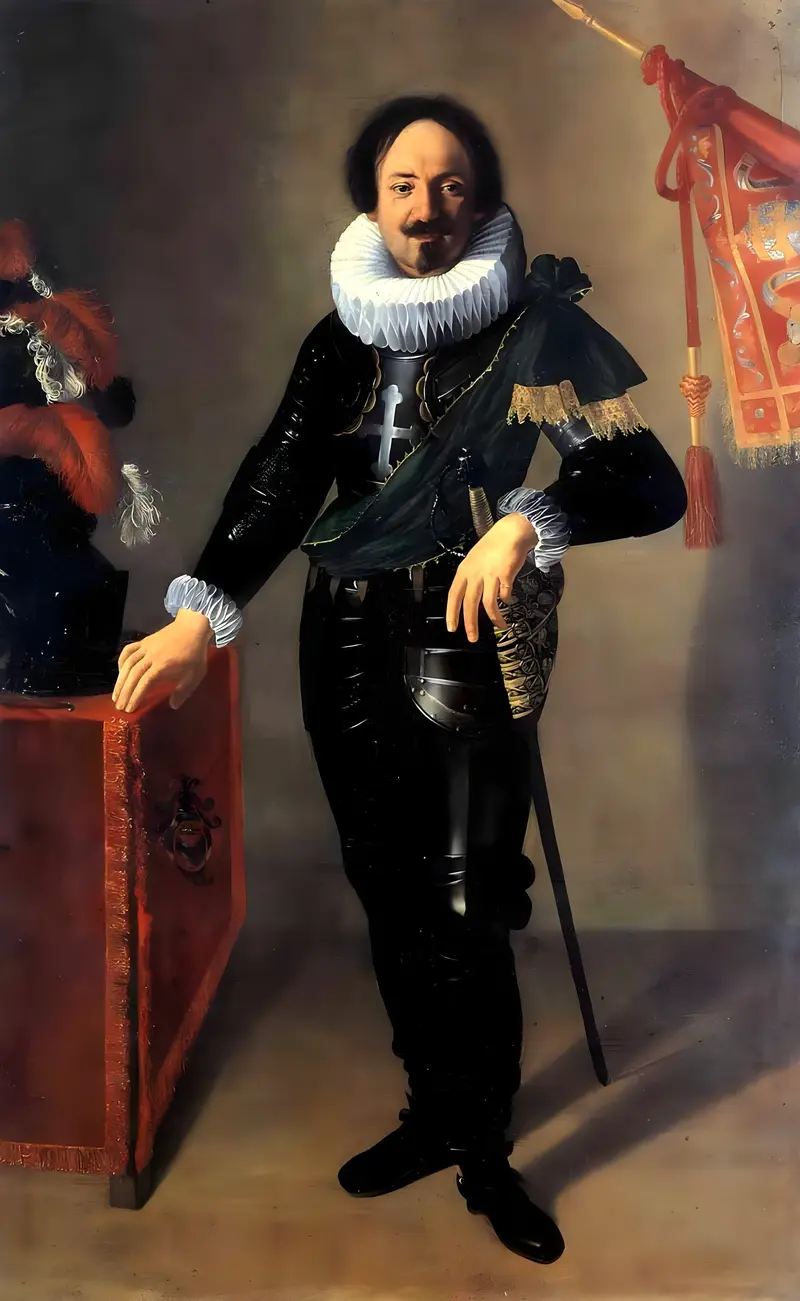
Portrait of a Gonfaloniere
Artemisia Gentileschi





