
An Arab Encampment At Wady Feiran — History & Facts
In the chaotic embrace of life, there lies a moment where humanity seeks solace and connection. An Arab Encampment At Wady Feiran captures this delicate interplay, hinting at the struggles and resilience found within community. Look to the left at the bustling figures who populate the encampment. A rich tapestry of earth tones envelops them, contrasting with the vibrant sky, which is alive with the warm hues of sunset.
The composition draws the eye across the canvas, from the tents anchored firmly in the foreground to the distant mountains that cradle this fragile scene. Each gesture, whether a hand raised in conversation or a child playing in the sand, is rendered with meticulous detail, offering a glimpse into everyday life where chaos and calm coexist. Delve deeper into the scene, and you will notice the intricate patterns woven into the fabric of the tents, a testament to cultural heritage amidst ongoing struggles. The play of light and shadow reflects not just the waning day, but the underlying tensions of a world caught between tradition and the encroaching modernity.
Here, the fraying edges of human connection stand in stark contrast to the natural beauty that surrounds them, creating a poignant dialogue. In 1869, Edward Lear found himself in the midst of a transformative period in his career while traveling through the Middle East. This painting emerged during a time when European artists were increasingly drawn to exotic locales, capturing the charm and complexity of distant cultures. Surrounded by the vibrancy of the Arab world, Lear sought to encapsulate both its beauty and the tumult that often lay just beneath the surface, forever altering his artistic journey.
More Artworks by Edward Lear
Browse all →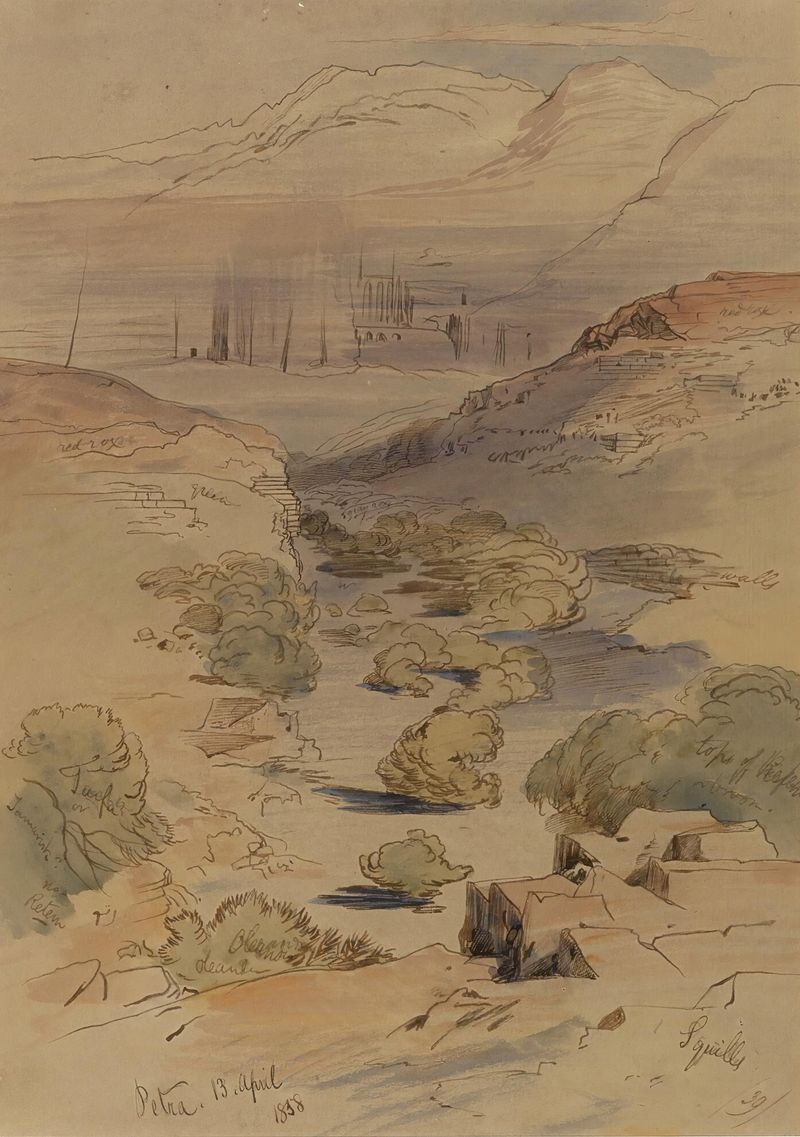
Petra
Edward Lear
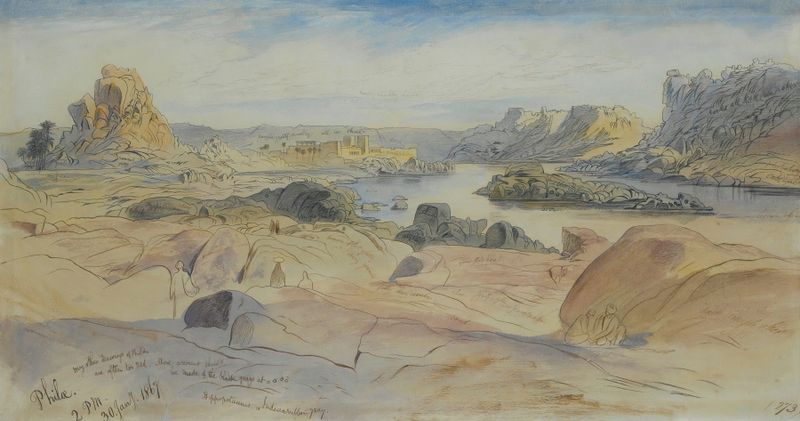
Philae, Egypt
Edward Lear
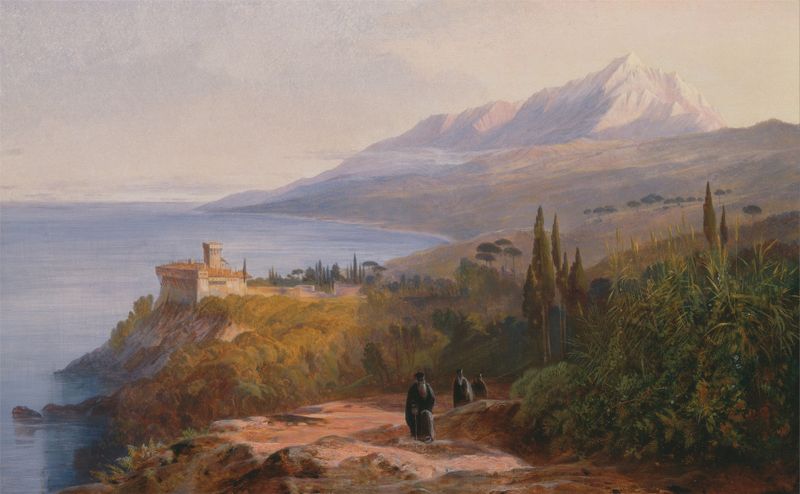
Mount Athos and the Monastery of Stavronikétes
Edward Lear
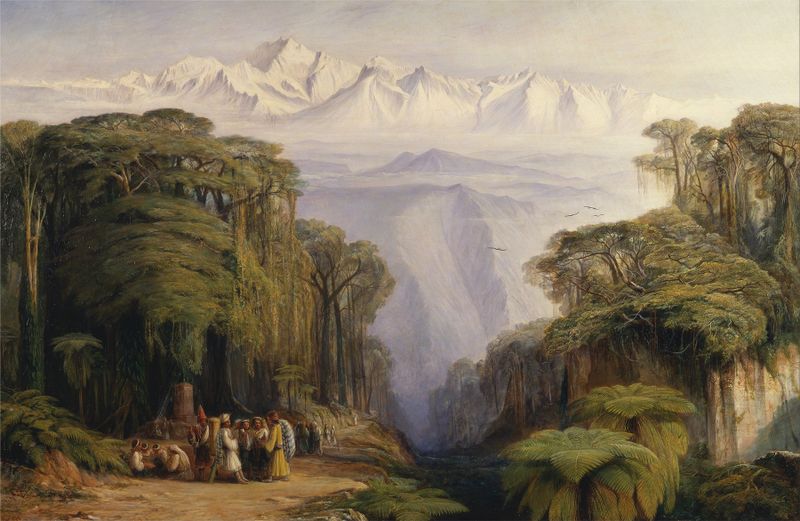
Kangchenjunga from Darjeeling
Edward Lear
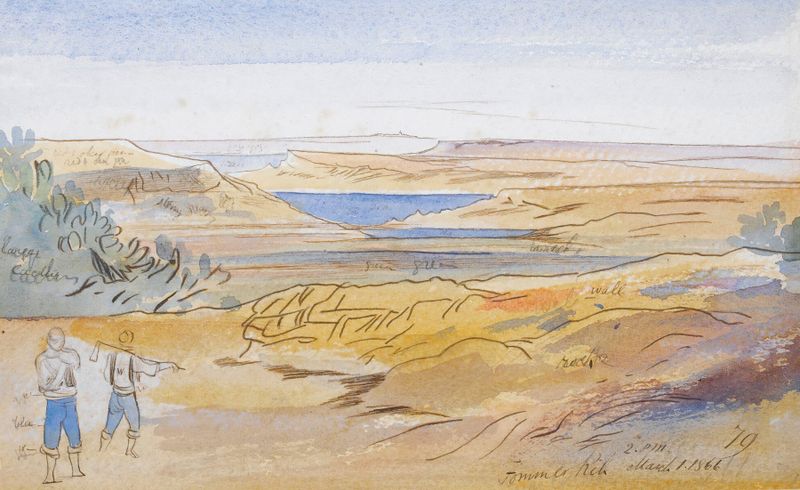
Fomm Ir-Rih, Malta
Edward Lear
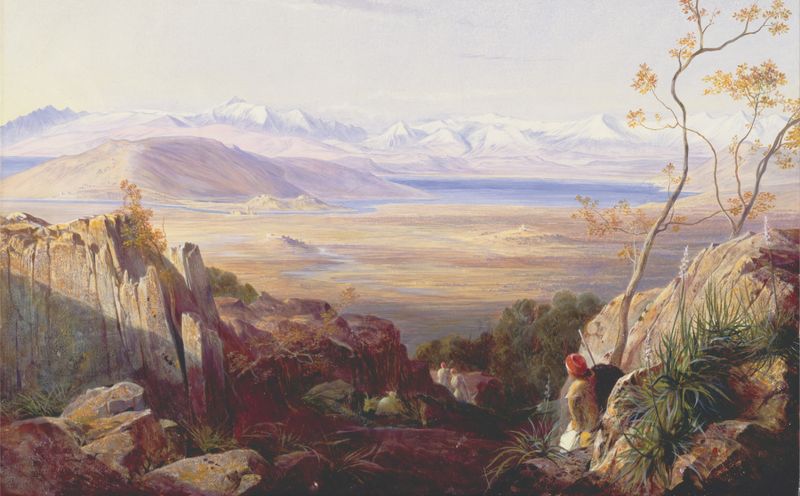
Butrinto, Albania
Edward Lear
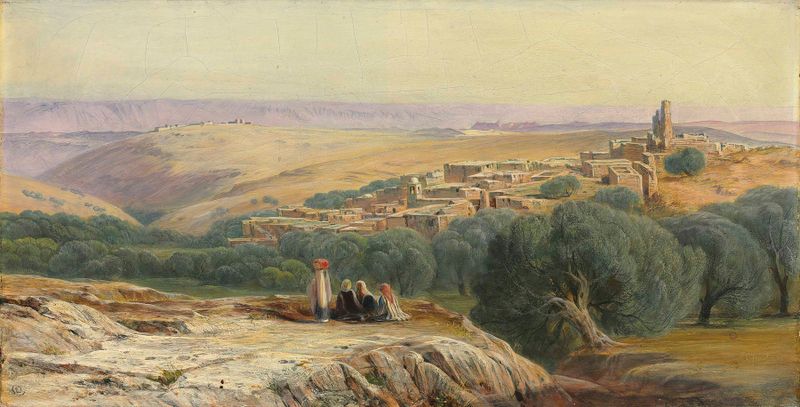
The Plains of Bethany
Edward Lear

Karnak, 9-30 pm, 22 January 1867
Edward Lear
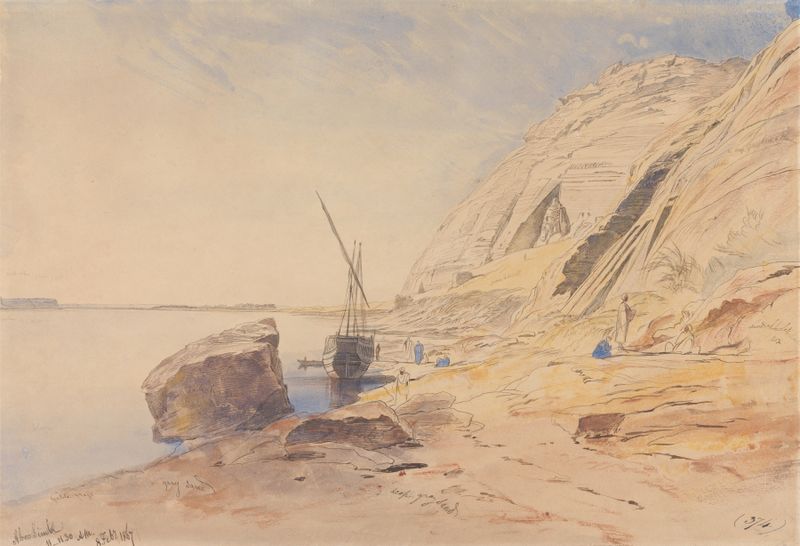
Abu Simbel, 11-11;30 am, 8 February 1867 (374)
Edward Lear

A View Of Mount Athos And The Pantokrator Monastery, Greece
Edward Lear





