
An der Alb II (mit Badenden) — History & Facts
When did color learn to lie? What if ecstasy is juxtaposed with nature’s serene truth, revealing deeper emotions beneath surface beauty. Focus on the luminous greens and blues that sweep across the canvas, inviting you into a vibrant river scene. Look to the left where the gentle arch of trees frames bathers enjoying the sun-dappled water. Notice how light dances over their limbs, capturing fleeting moments of joy and intimacy, while the brushstrokes evoke a sense of movement as if time itself is suspended.
The juxtaposition of cool water and warm skin creates a tension that feels both exhilarating and tranquil. Beneath this idyllic portrayal lies an exploration of vulnerability. The figures, so absorbed in their ecstasy, seem isolated amid the expansive landscape. This evokes a poignant contrast between human experience and nature’s vast indifference.
Schirmer’s delicate treatment of light and shadow speaks to the ephemerality of joy—a reminder that these moments are precious yet transient. Each bather, a fleeting moment of bliss, exists in a world that both cradles and ultimately forgets them. Created between 1854 and 1863, this piece reflects a time when the artist was deeply engaged in the Romantic movement—a period characterized by an emphasis on emotional depth and a connection to nature. Schirmer, working in Germany, sought to blend the beauty of landscape with human emotion, capturing the essence of life’s simple pleasures against a backdrop of changing societal norms.
This painting, a testament to that pursuit, encapsulates both a personal and artistic journey during a time of transformation in the art world.
More Artworks by Johann Wilhelm Schirmer
Browse all →
Waldlandschaft mit Blick auf Olevano und den Monte Cavo
Johann Wilhelm Schirmer
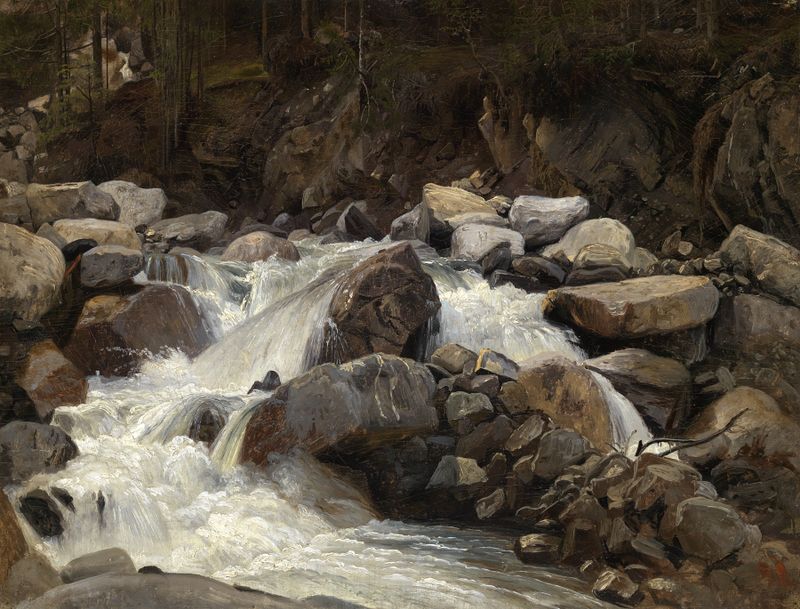
Schweizer Gebirgsbach
Johann Wilhelm Schirmer
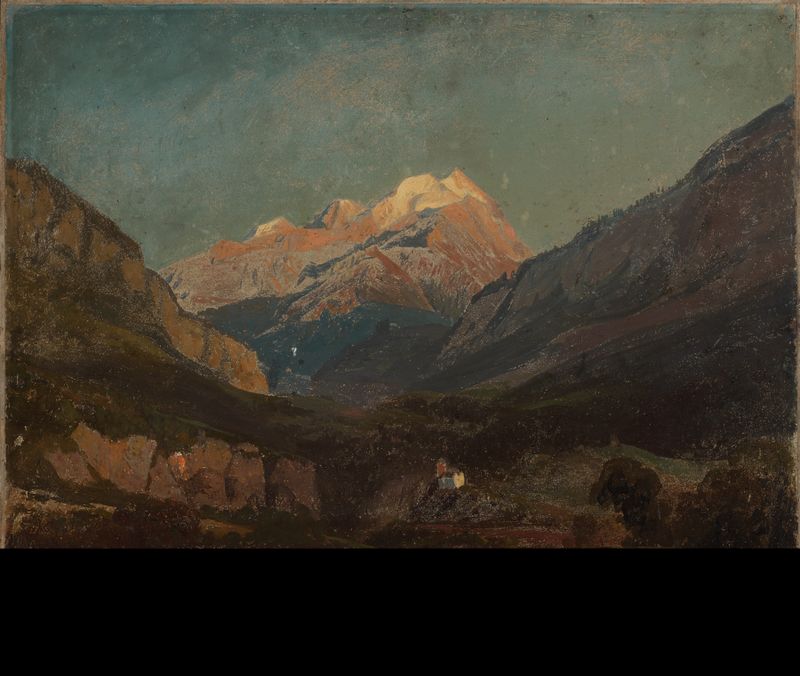
Schweizer Gebirgslandschaft mit Kapelle und fernem Schneegipfel
Johann Wilhelm Schirmer

Schweizer Gebirgslandschaft mit dem Piz Beverin im Hintergrund
Johann Wilhelm Schirmer

Waldinneres mit Hirschen am Wasser
Johann Wilhelm Schirmer

The Wetterhorn
Johann Wilhelm Schirmer

Partie aus der Römischen Campagna
Johann Wilhelm Schirmer

Felsabhang in der Schweiz
Johann Wilhelm Schirmer
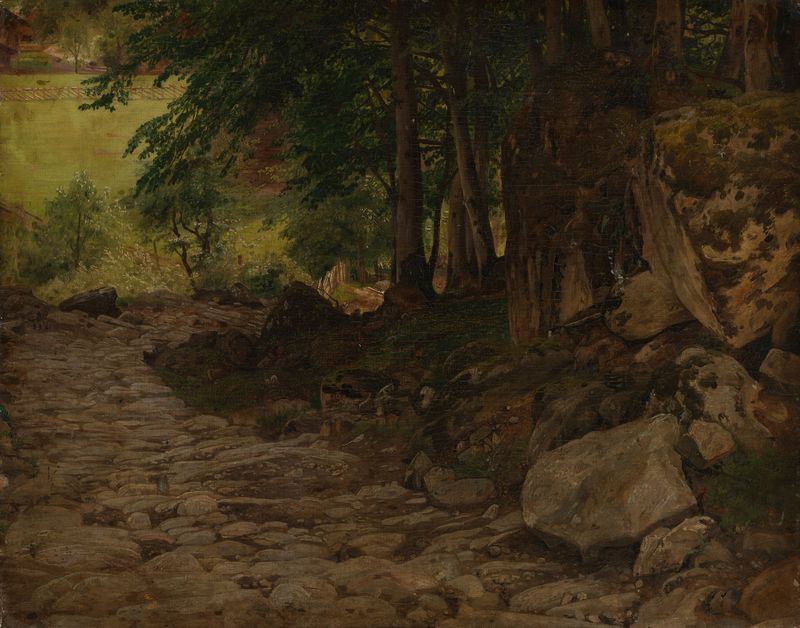
Felsweg in der Schweiz
Johann Wilhelm Schirmer
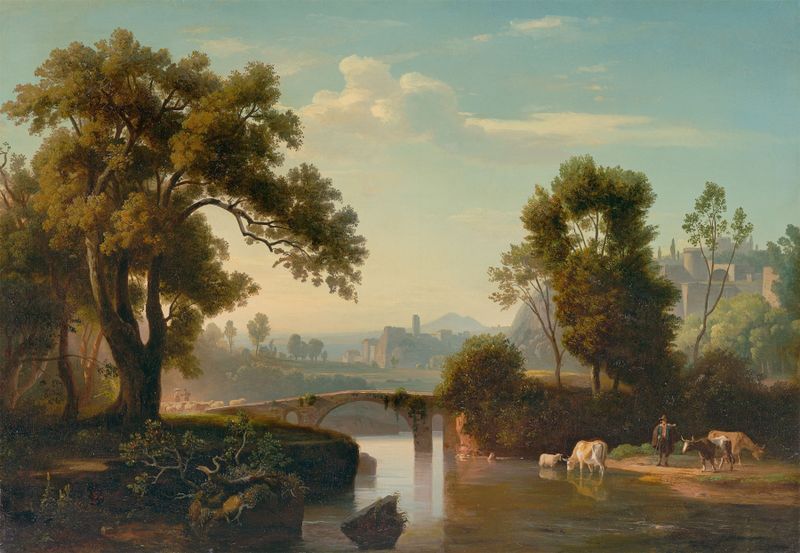
Italienische Landschaft mit Hirten
Johann Wilhelm Schirmer





