Italienische Landschaft mit Hirten — History & Analysis
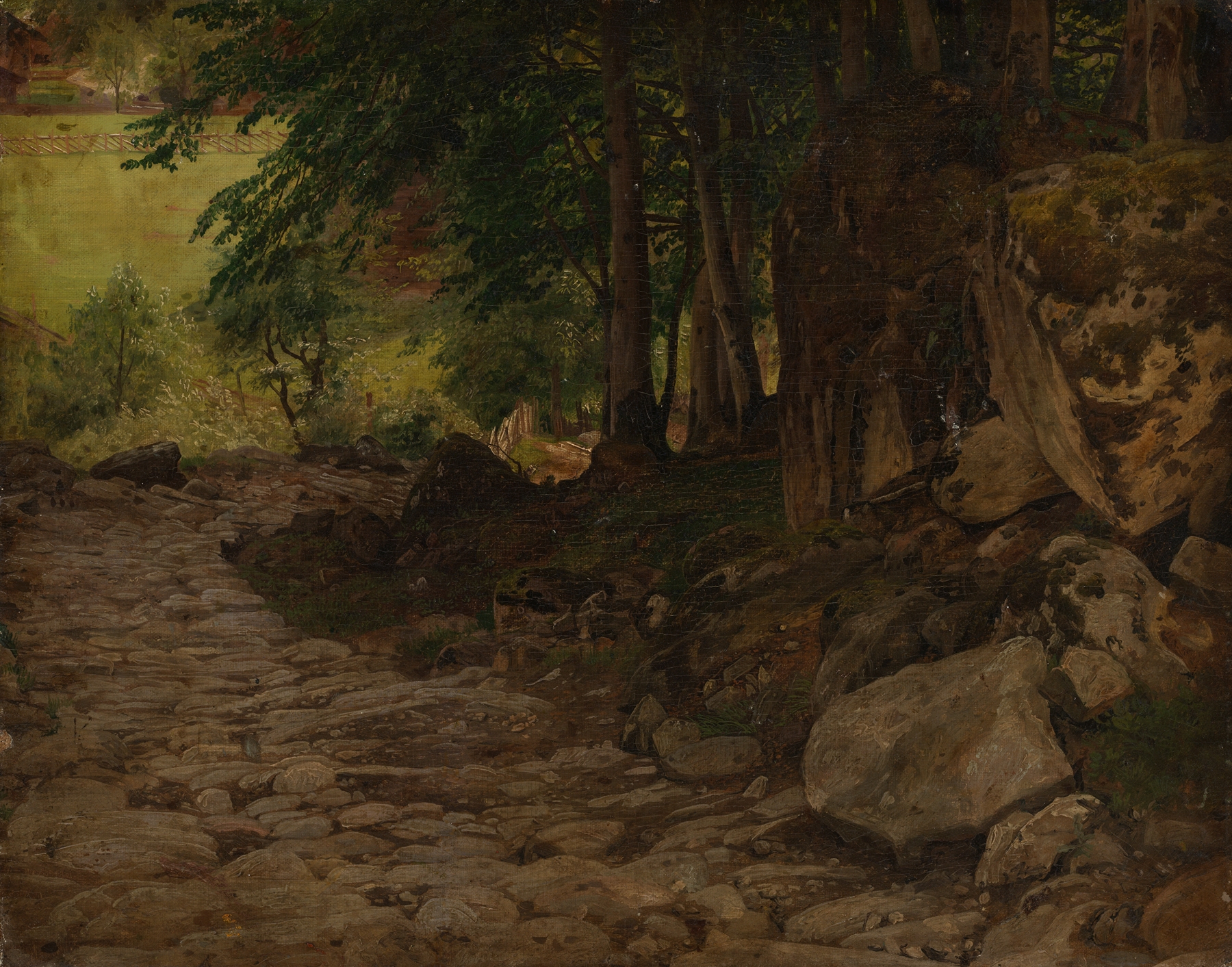
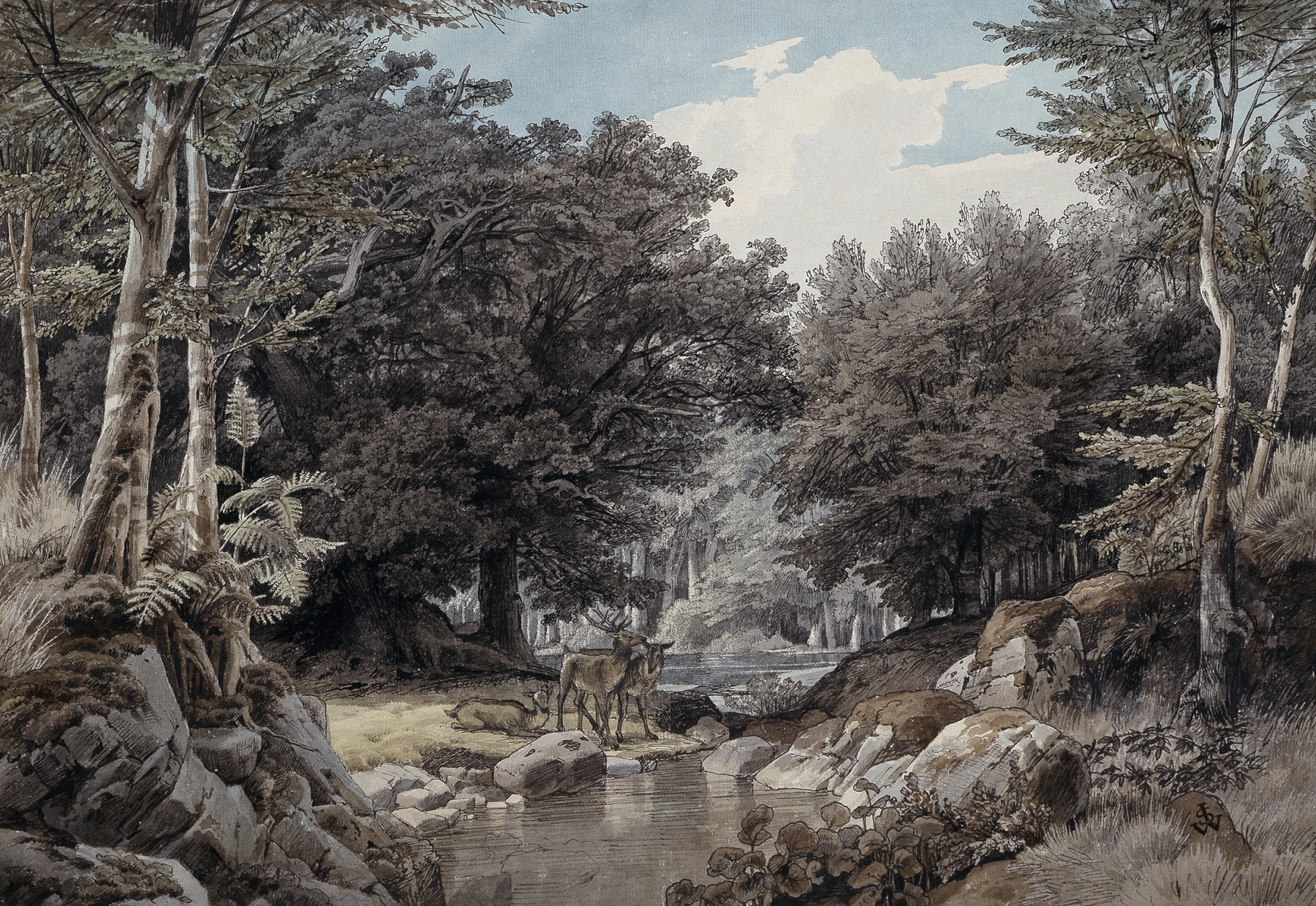
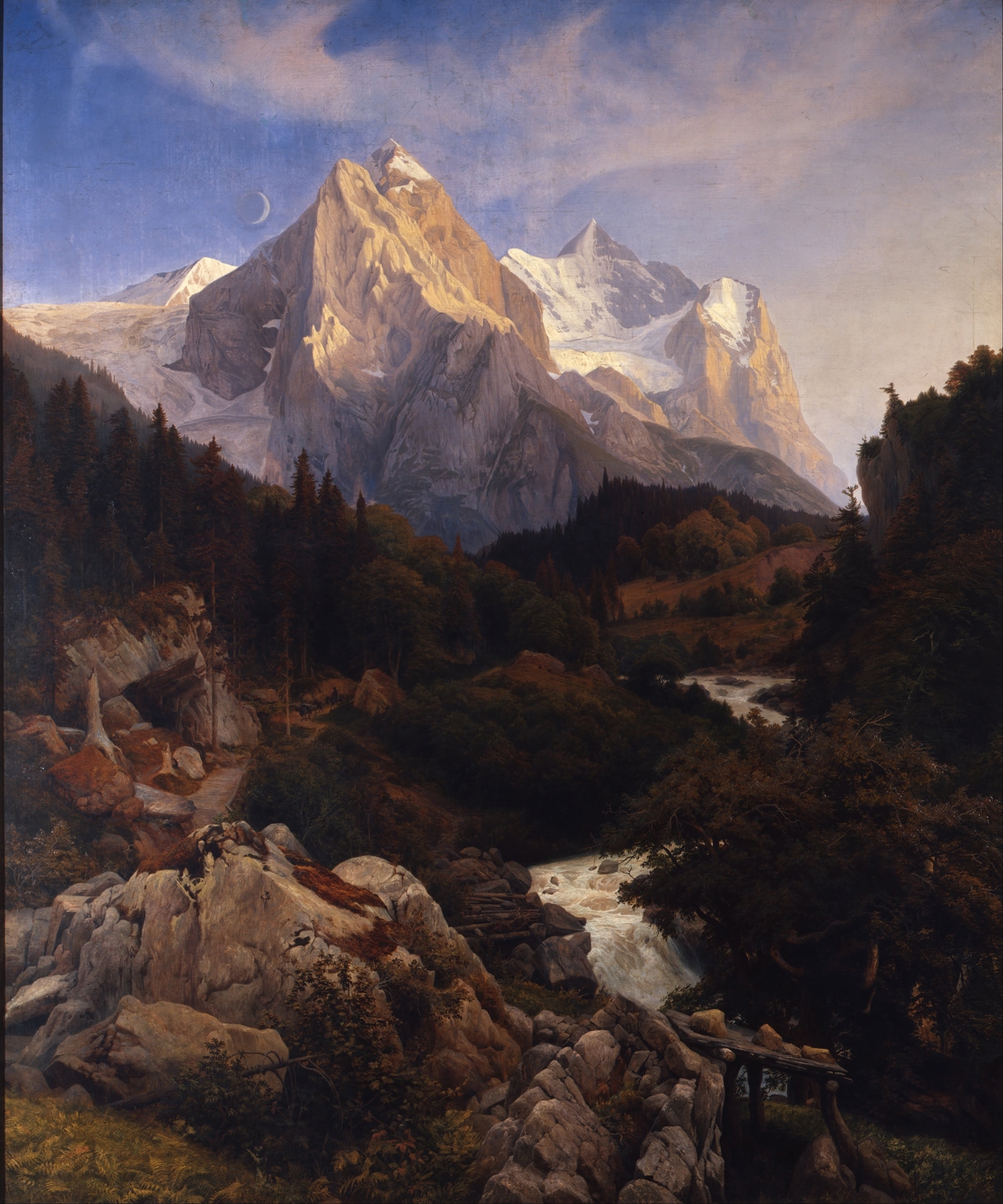
“Every silence here is a confession.” In the stillness of a landscape, echoes of loss resonate through the air, enveloping the viewer in a poignant embrace. The vast expanse of nature whispers secrets of time gone by, inviting reflection on what remains unspoken. Focus on the horizon in Italienische Landschaft mit Hirten, where rolling hills meet the soft, muted sky. The artist employs a delicate palette, with verdant greens and earthy browns melding seamlessly, the gentle brushstrokes rendering a sense of tranquility. Notice how the shepherds, small yet significant figures, are positioned at the forefront, their presence grounding the serene panoramic view.
The interplay of light and shadow creates depth, inviting you to wander deeper into the landscape. Yet, within the serene facade lies an undercurrent of emotional tension. The shepherds symbolize not just the idyllic rural life but also the transience of existence; their connection to the land speaks to the inevitable passage of time. The stillness of the scene suggests a moment frozen before change — a moment that holds the weight of the unspoken, the longing for connection amid solitude.
The landscape itself feels like a quiet testament to what has been lost, capturing the fragility of life. In 1841, Schirmer painted this work while living in Germany, a period marked by significant shifts in European art and society. The Romantic movement, which emphasized emotion and nature, was flourishing, and artists were increasingly drawn to idyllic scenes that reflected both beauty and introspection. Schirmer’s portrayal of the Italian countryside was both a celebration of the landscape and a meditation on the human condition, aligning with the broader artistic currents of his time.