
An Offertory Candle — History & Facts
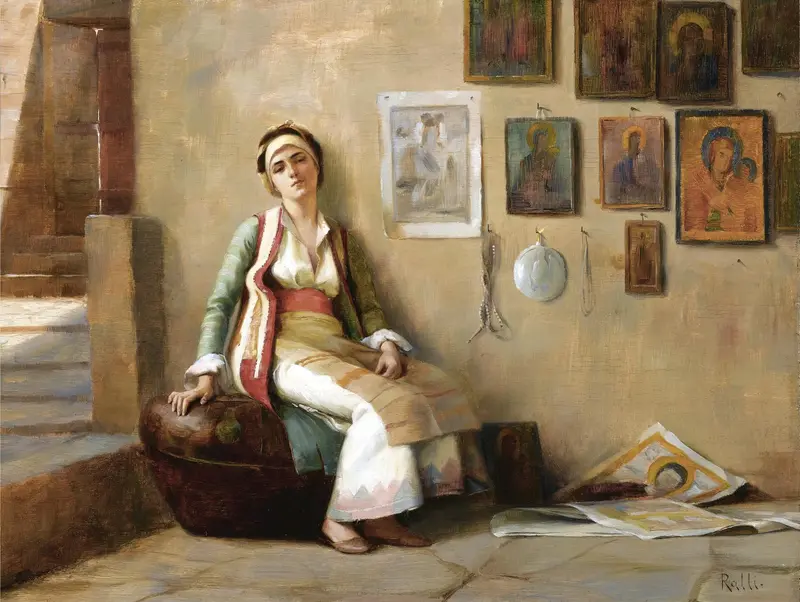
It is the hush of the candle flames that first draws you in: a cluster of slender tapers and one tall, commanding offertory candle, their light flickering against the dark interior and catching on the fur trim of the young woman’s vest. Her gaze is steady, almost wary, as if she is caught between ritual and reflection. The painter, Theodoros Ralli, chooses not the moment of prayer, but the quiet before or after, when the act is suspended and the mind is free to wander.
The icons in the background, barely visible in the gloom, suggest a sacred space, yet the focus is on the solitary figure, her hands gently resting on her lap, holding the long, unlit candle she has brought as an offering. This is a painting steeped in the world of late nineteenth-century Eastern Mediterranean life, where the Orthodox church was both a spiritual and social center. The fur vest and headscarf mark her as a villager, perhaps from rural Greece or Anatolia, and the candle she holds is more than a gesture—it is a bridge between the everyday and the divine. The palette is warm but subdued, the shadows deep, so that the candle flames become the true protagonists, casting halos that echo the saints’ faces above.
Paintings like this, created between 1873 and 1891, were often intended for an audience fascinated by the customs and interiors of the “Orient”—a term that, for European artists like Ralli, included the Orthodox East. Little is recorded of this specific work’s journey, but its quiet gravity invites us to linger, to watch the play of light and wonder what prayers remain unspoken.
More Artworks by Theodoros Ralli

The Sleeping Concubine
Theodoros Ralli
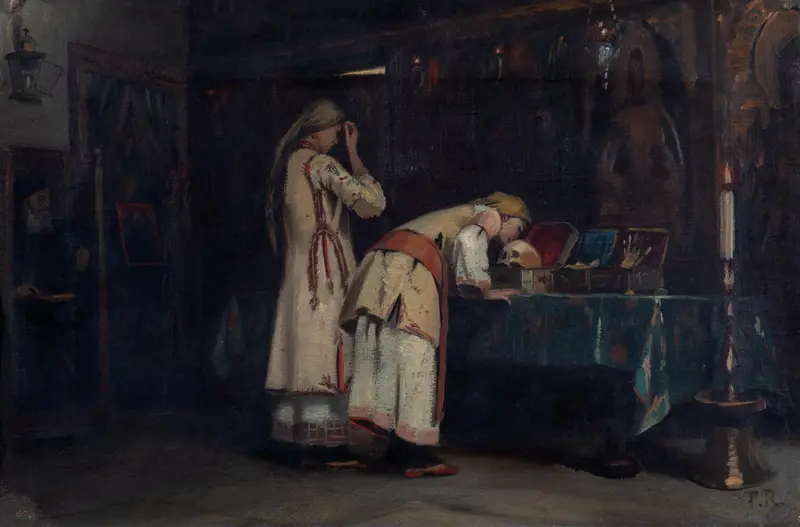
Holy Relics
Theodoros Ralli
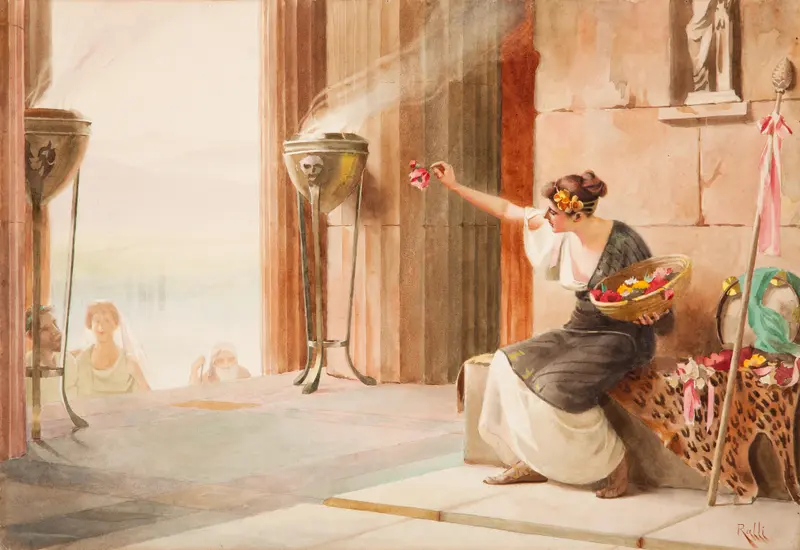
Flower Seller at the Parthenon
Theodoros Ralli
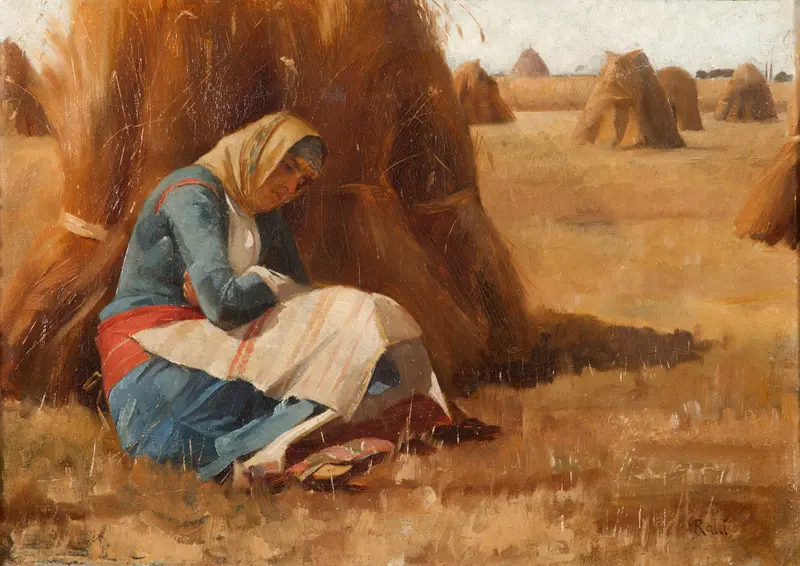
Resting by a Haystack
Theodoros Ralli
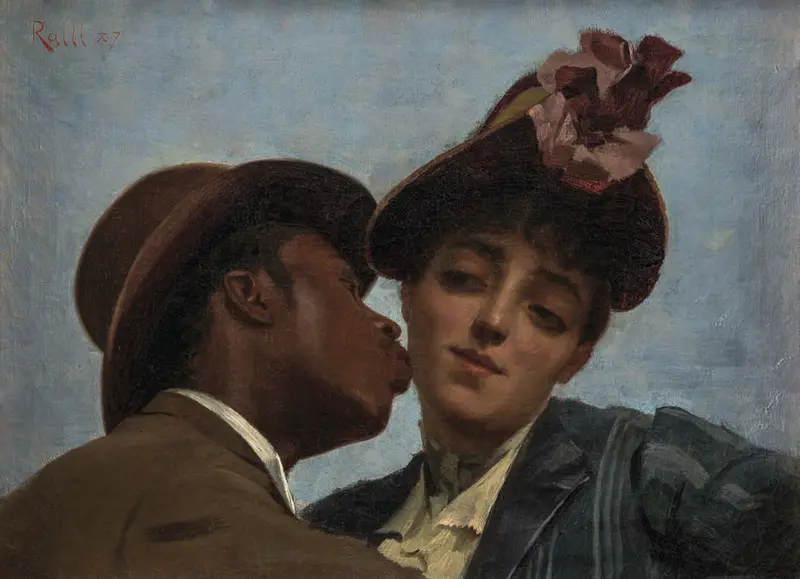
The Kiss (Ralli)
Theodoros Ralli
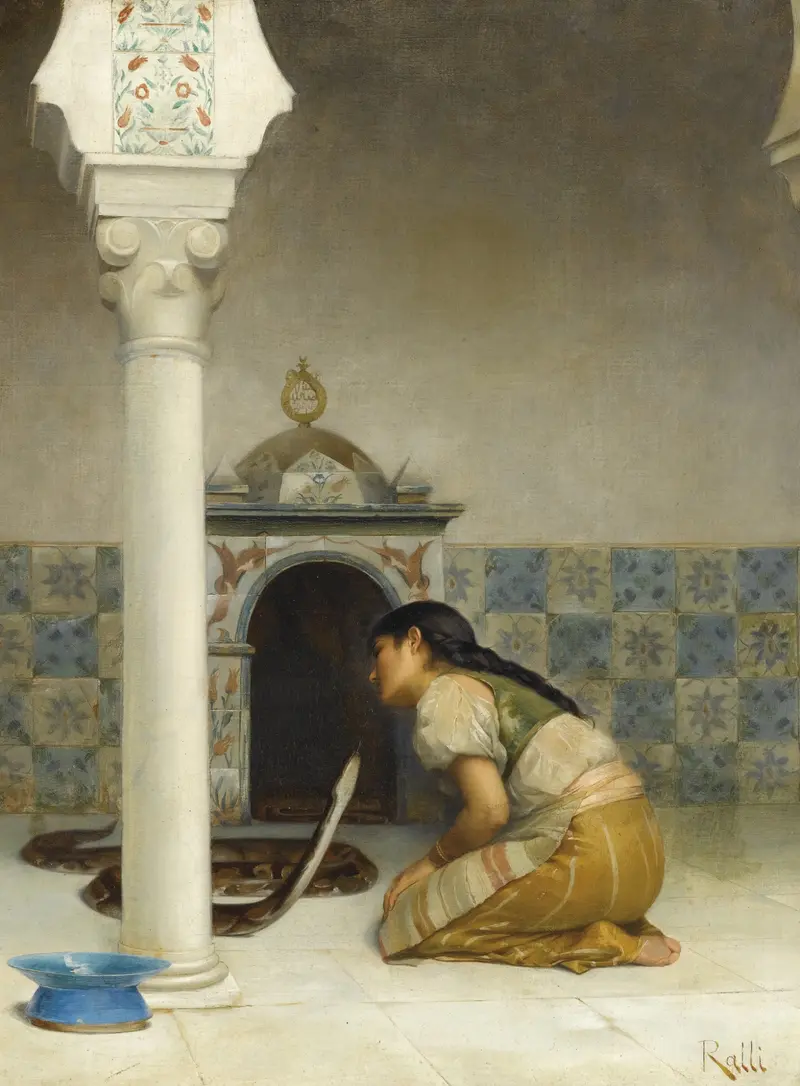
The Sacred Serpent
Theodoros Ralli
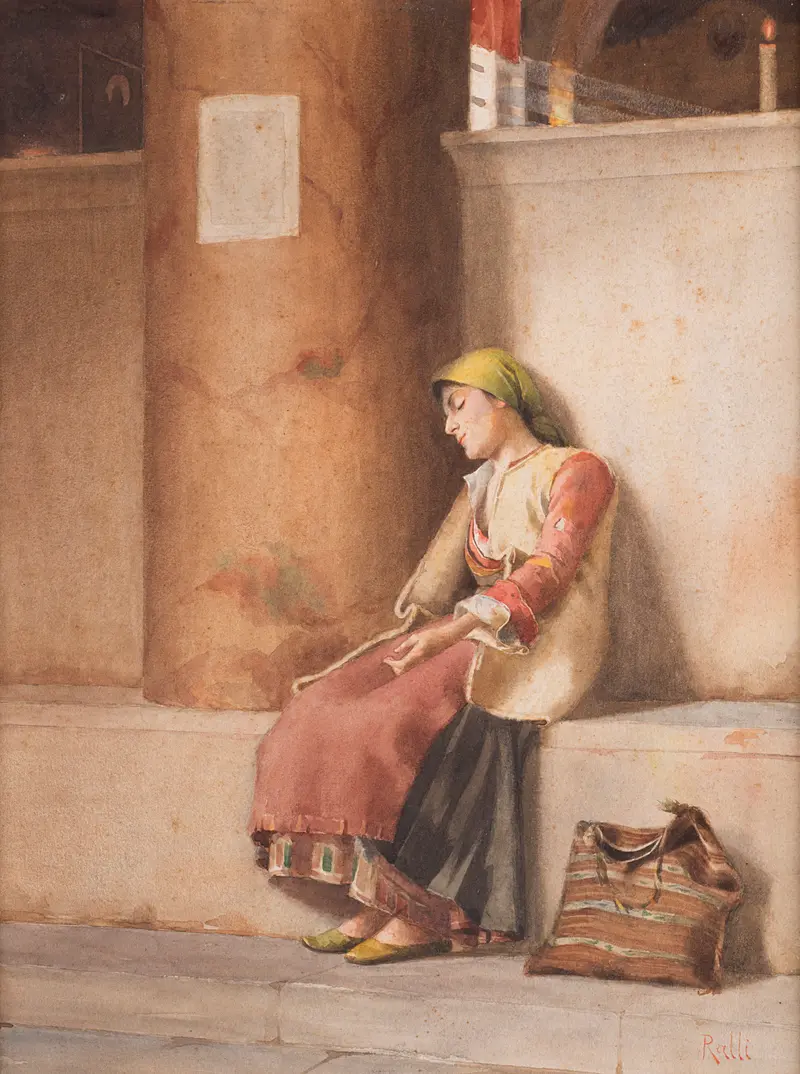
A Moment of Reflection
Theodoros Ralli
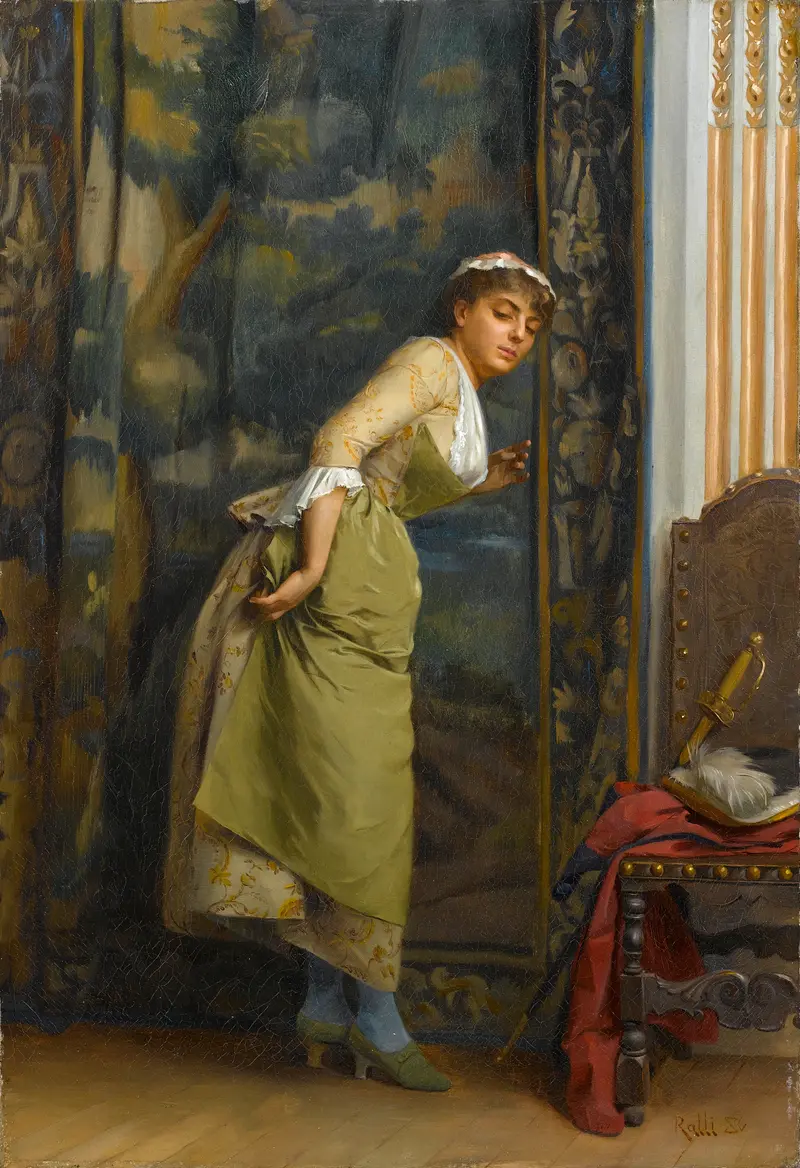
Eavesdropping (Ralli)
Theodoros Ralli
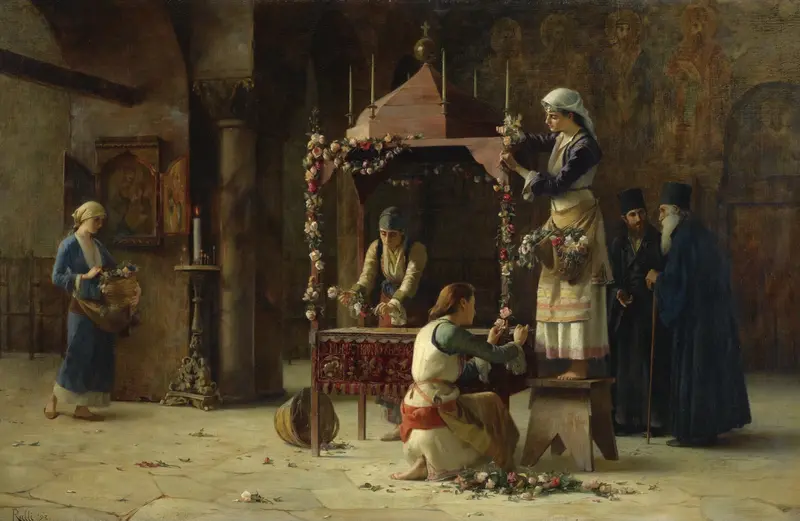
Holy Friday, Greece
Theodoros Ralli
A Moment's Rest
Theodoros Ralli
More Genre Scene Art

Banquet of the Officers of the St George Civic Guard
Frans Hals

Rembrandt and Saskia in the Scene of the Prodigal Son
Rembrandt van Rijn

Bal du moulin de la Galette
Pierre-Auguste Renoir

Quadrille at the Moulin Rouge
Henri de Toulouse-Lautrec

A Burial at Ornans
Gustave Courbet

When Will You Marry?
Paul Gauguin