Discover insights about this artwork
Anatomische studie van de torso van een man, op de rug gezien (after Leonardo da Vinci) — History & Facts
Anatomische studie van de torso van een man, op de rug gezien (after Leonardo da Vinci) presents a detailed view of a male torso seen from the back. The drawing captures the muscular structure and contours, showing a range of tones from light to dark. The lines are precise, revealing the artist's skill in anatomical representation.
The overall composition emphasizes the form and structure of the human body. If you look closely, you can see the careful attention to detail in the muscles and spine. The shading techniques used create depth, making the torso appear three-dimensional. The study also reflects a strong influence from Leonardo da Vinci, known for his anatomical sketches.
This piece allows viewers to appreciate the complexity of human anatomy. Wenceslaus Hollar was a Czech artist who worked in the 17th century and is known for his engravings and drawings. He often drew inspiration from earlier masters, including Leonardo da Vinci, which is evident in this work. Hollar spent much of his life in England, where he became an important figure in the art community.
One interesting fact is that he produced over 1,000 prints throughout his career, showcasing a variety of subjects.
More Artworks by Wenceslaus Hollar
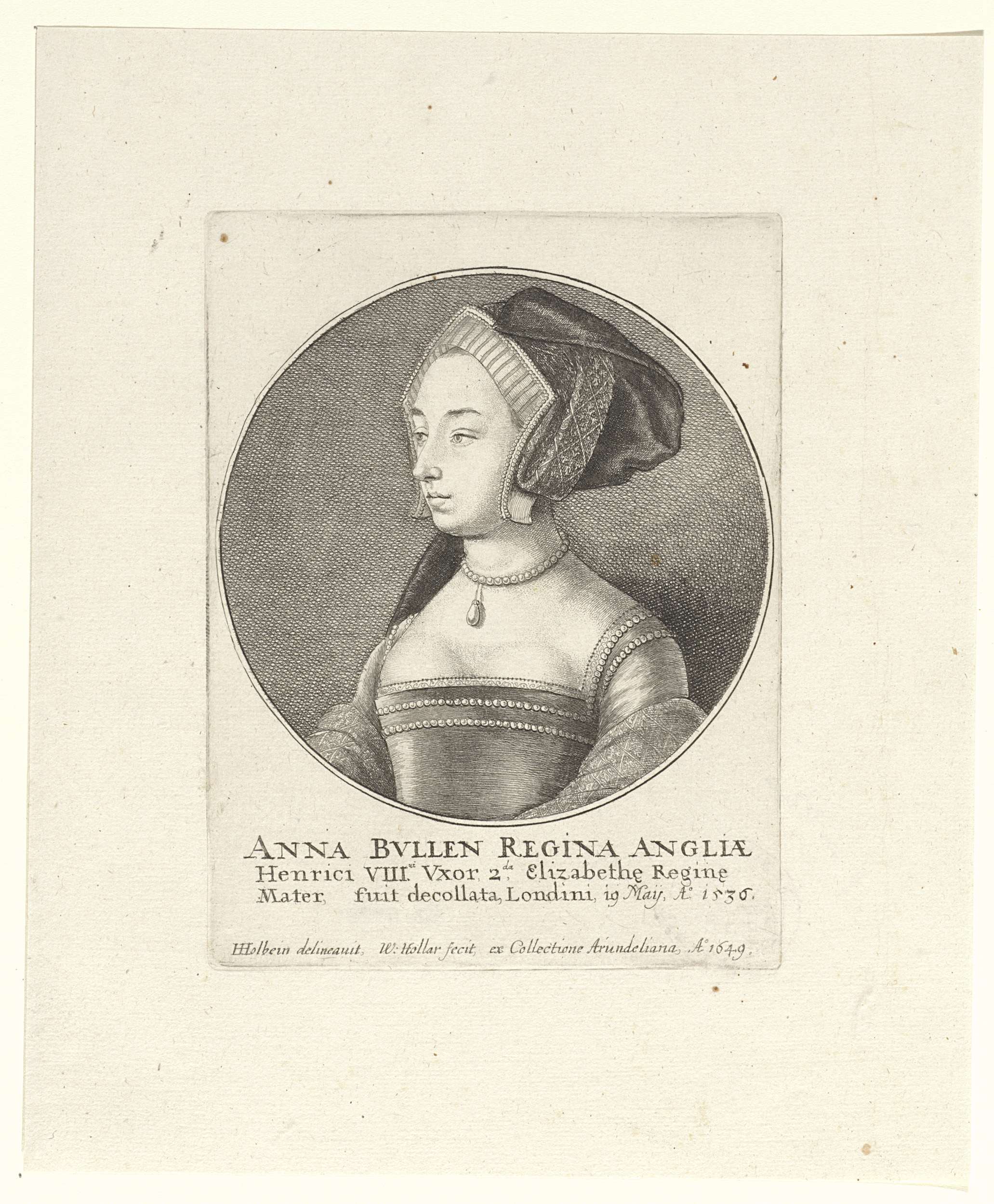
Portret van Anna Boleyn, koningin van Engeland
Wenceslaus Hollar
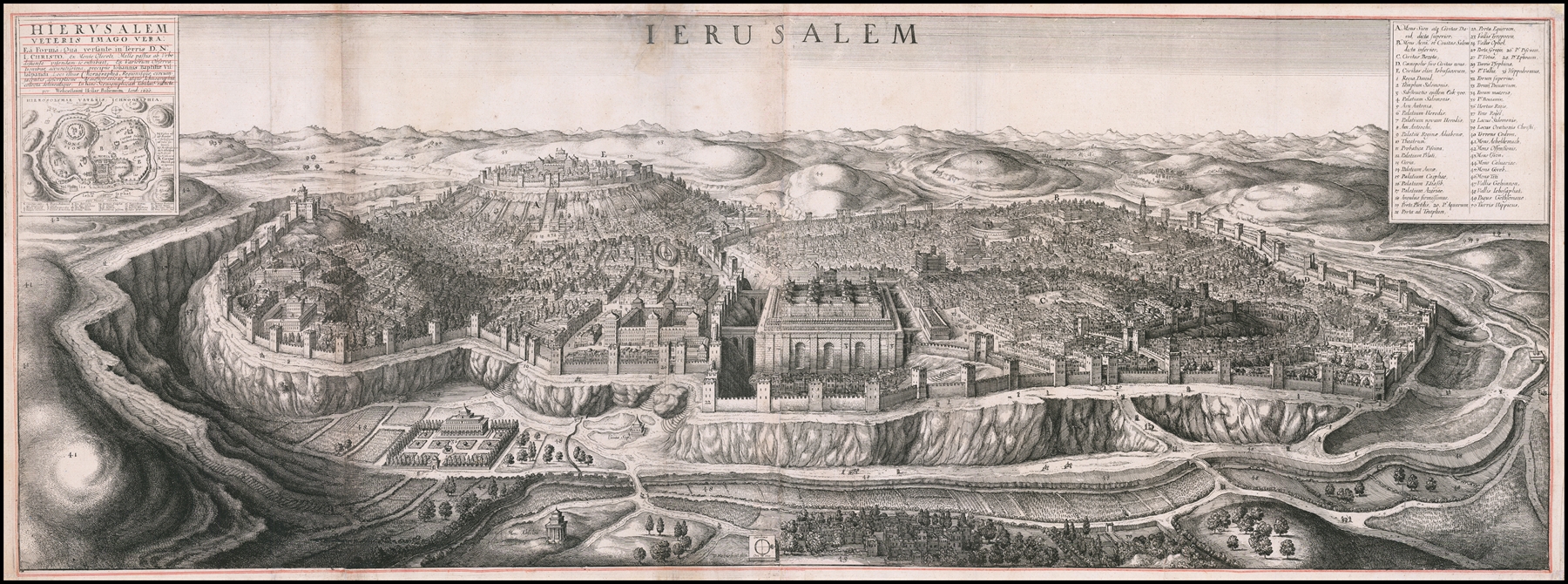
Bird’s eye view of Jerusalem
Wenceslaus Hollar
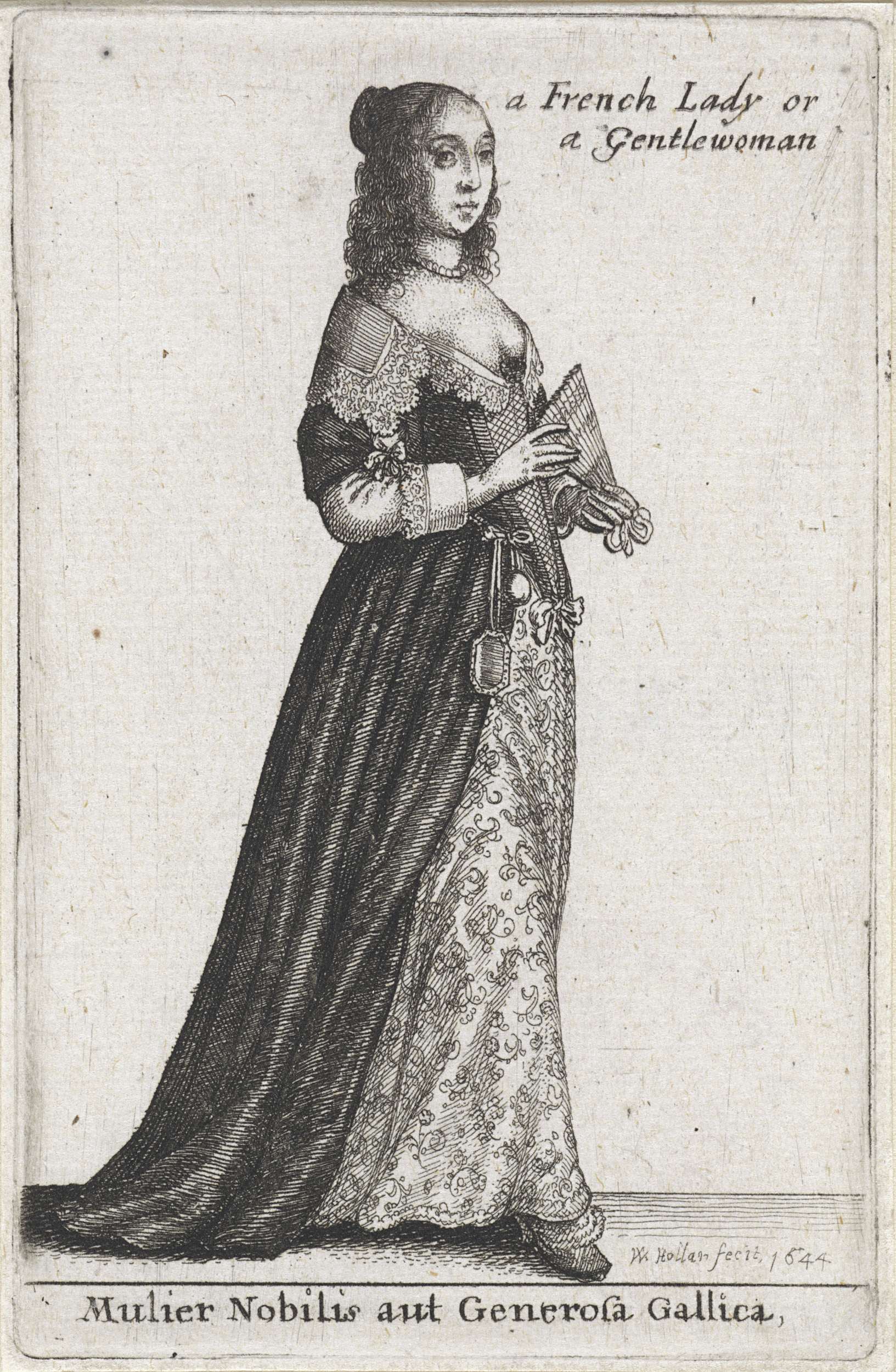
Mulier Nobilis aut Generosa Gallica / a French Lady or Gentlewoman
Wenceslaus Hollar
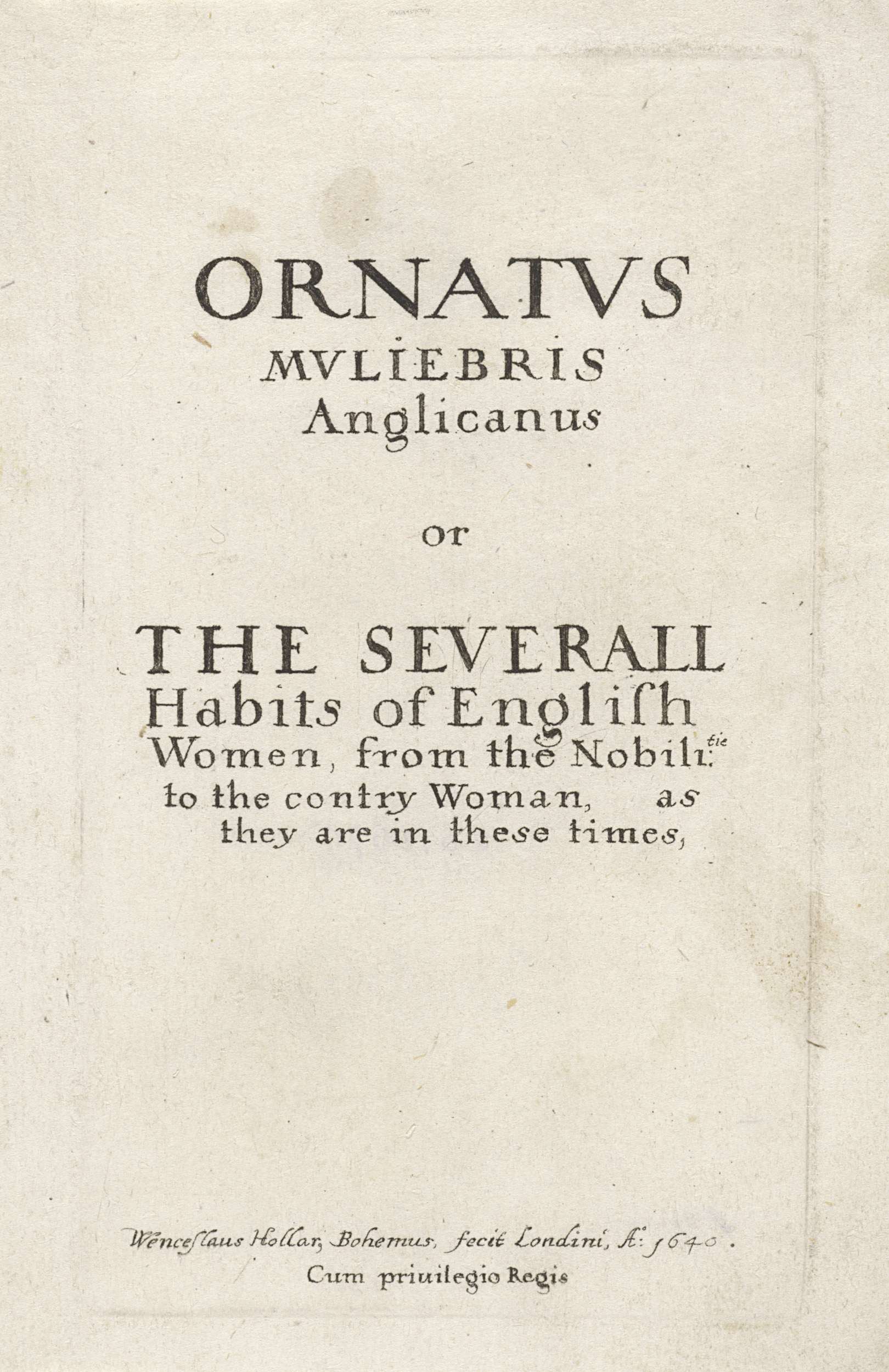
Titelprent voor: Ornatus Muliebris Anglicanus
Wenceslaus Hollar
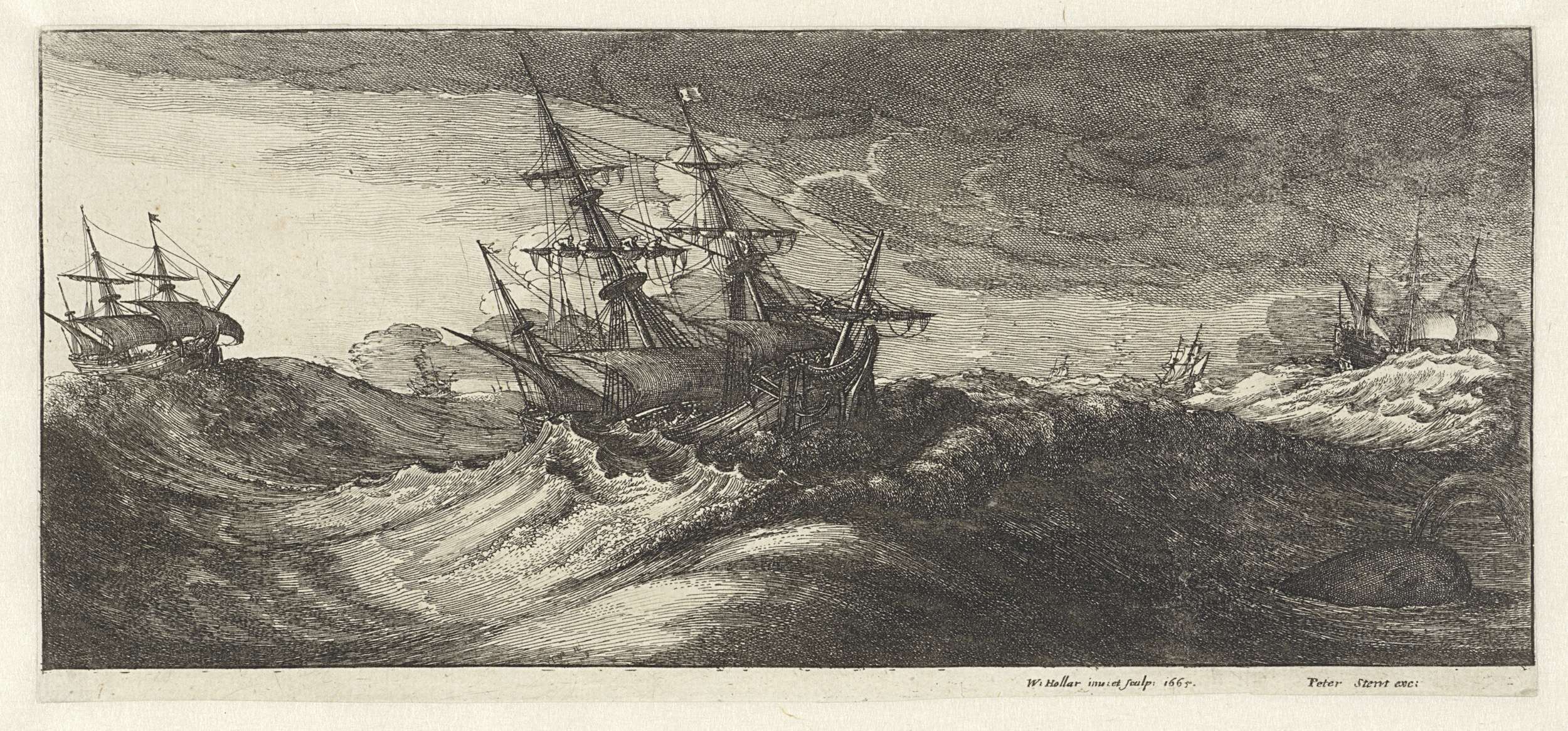
Oorlogsschepen en een walvis in een zeestorm
Wenceslaus Hollar
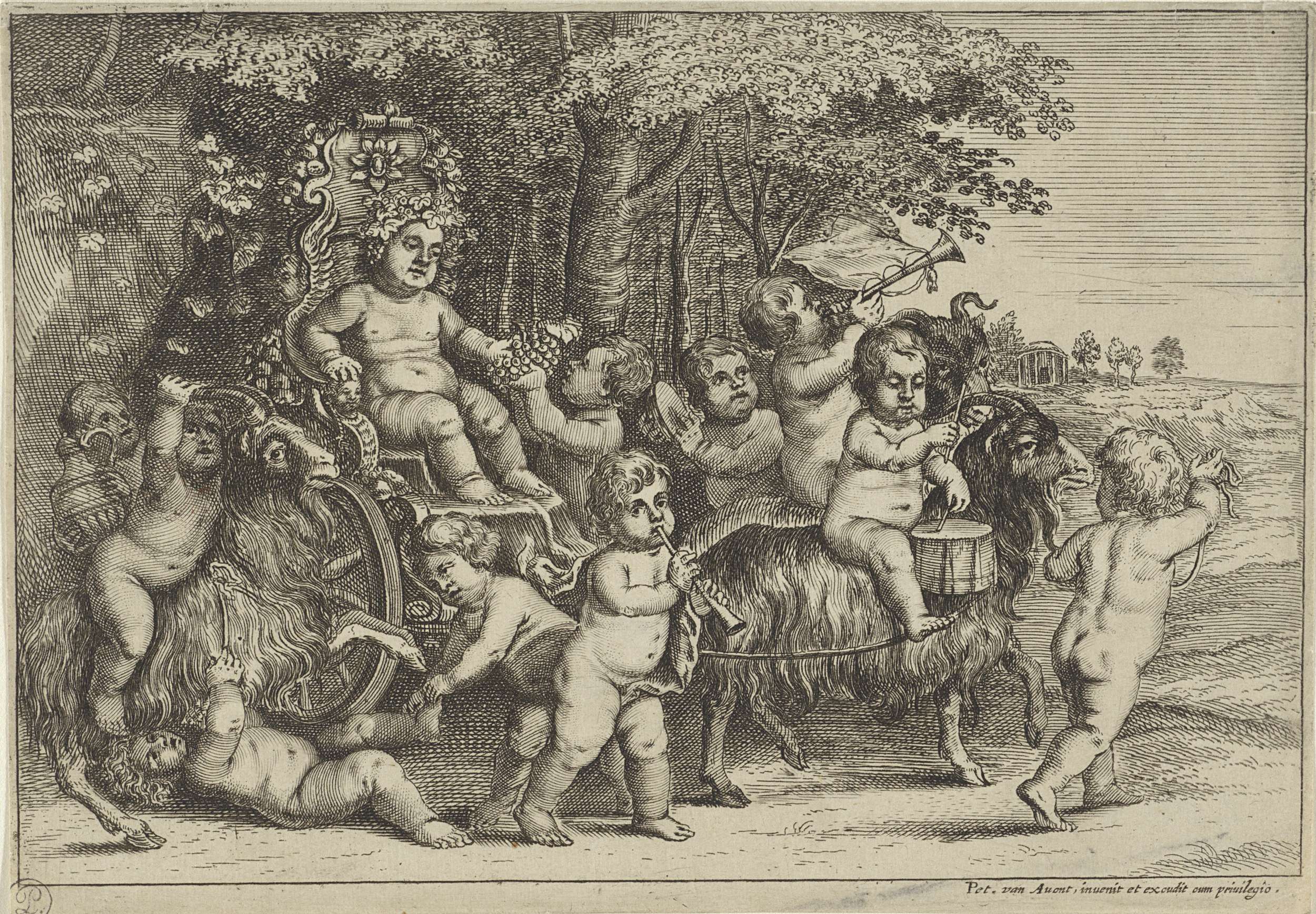
Optocht van bacchant en jongetjes op geiten
Wenceslaus Hollar
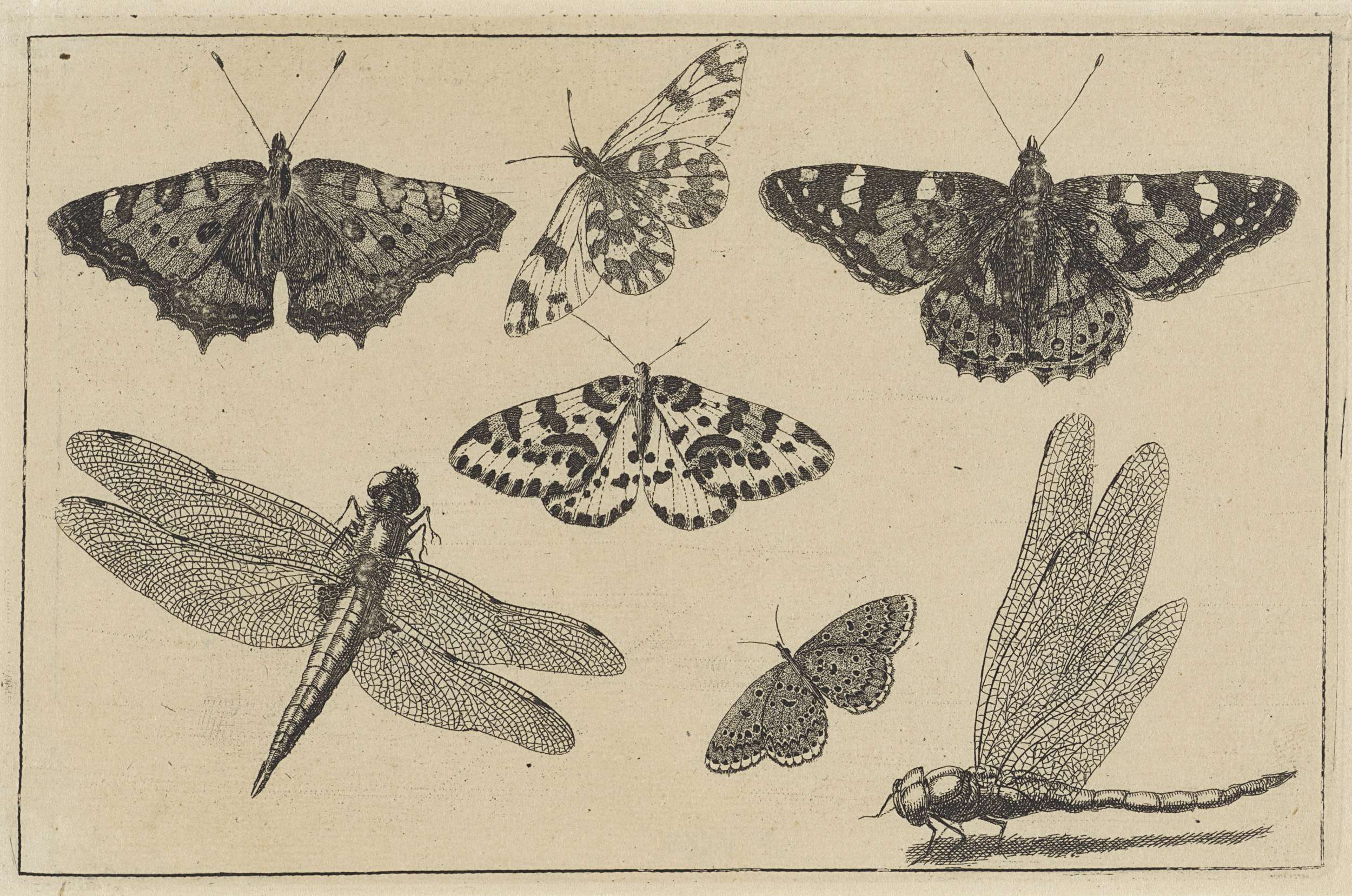
Twee libellen en vijf vlinders
Wenceslaus Hollar
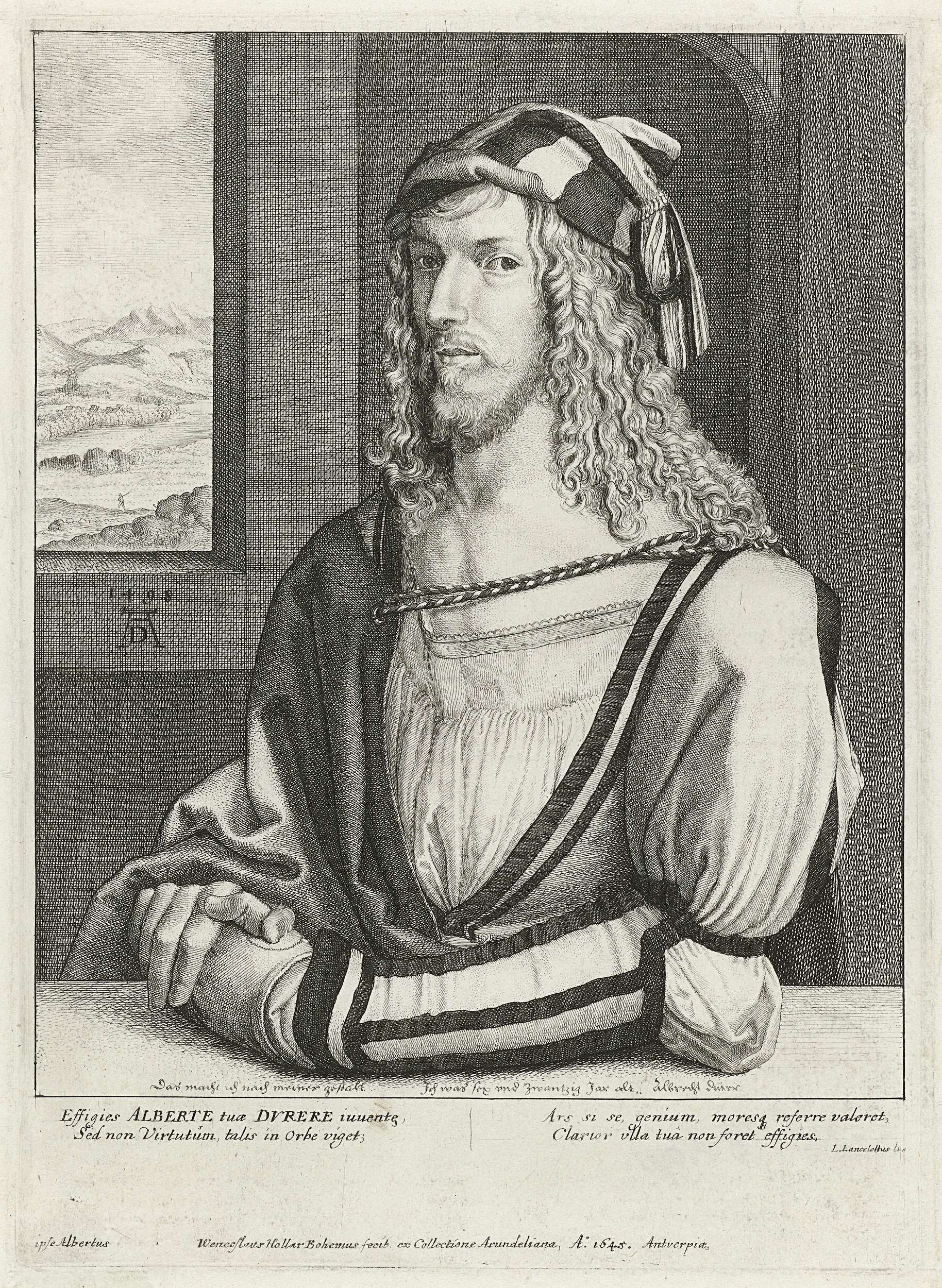
Portret van Albrecht Dürer
Wenceslaus Hollar
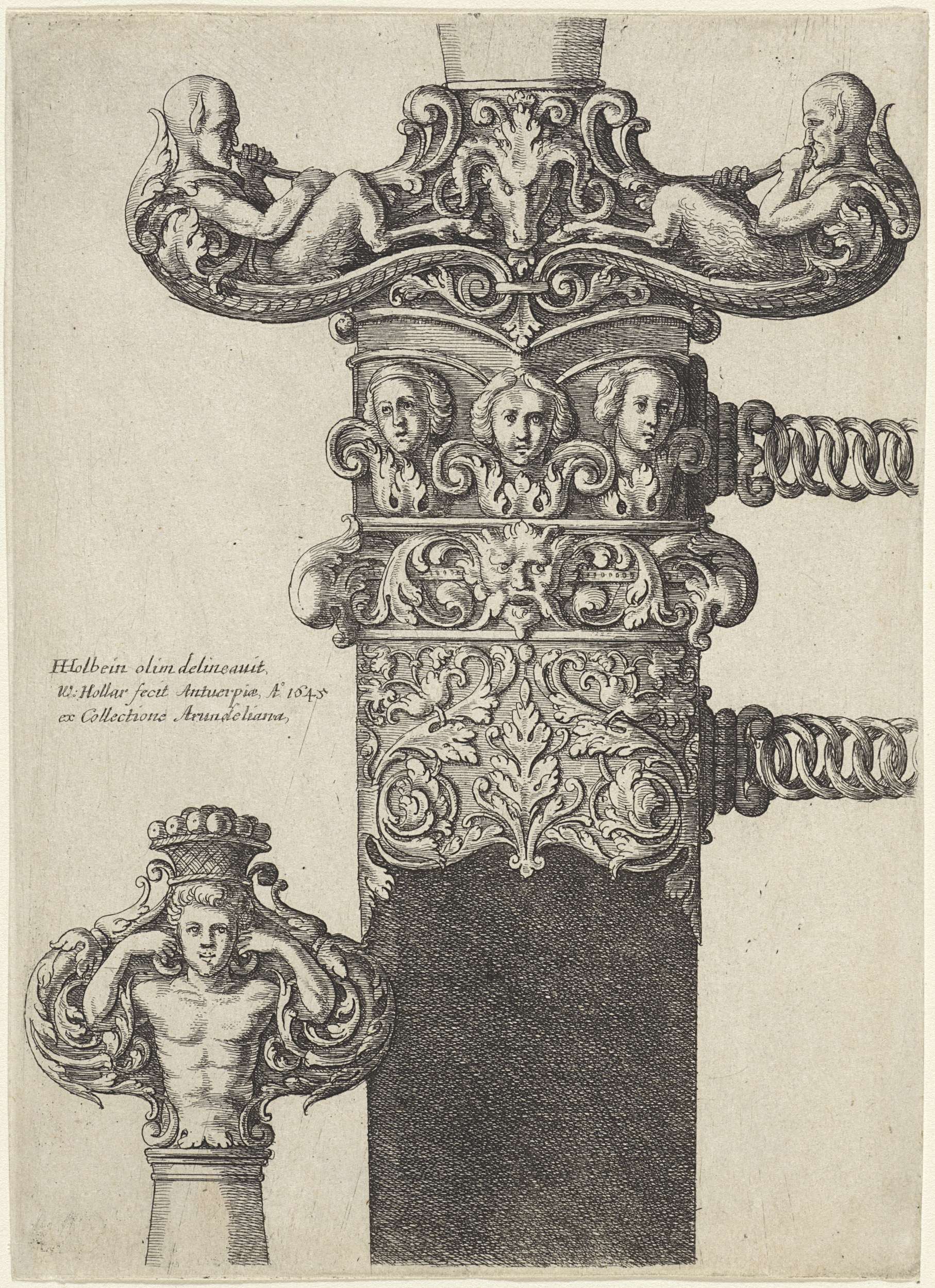
Ornamenteel ontwerp voor een dolk
Wenceslaus Hollar
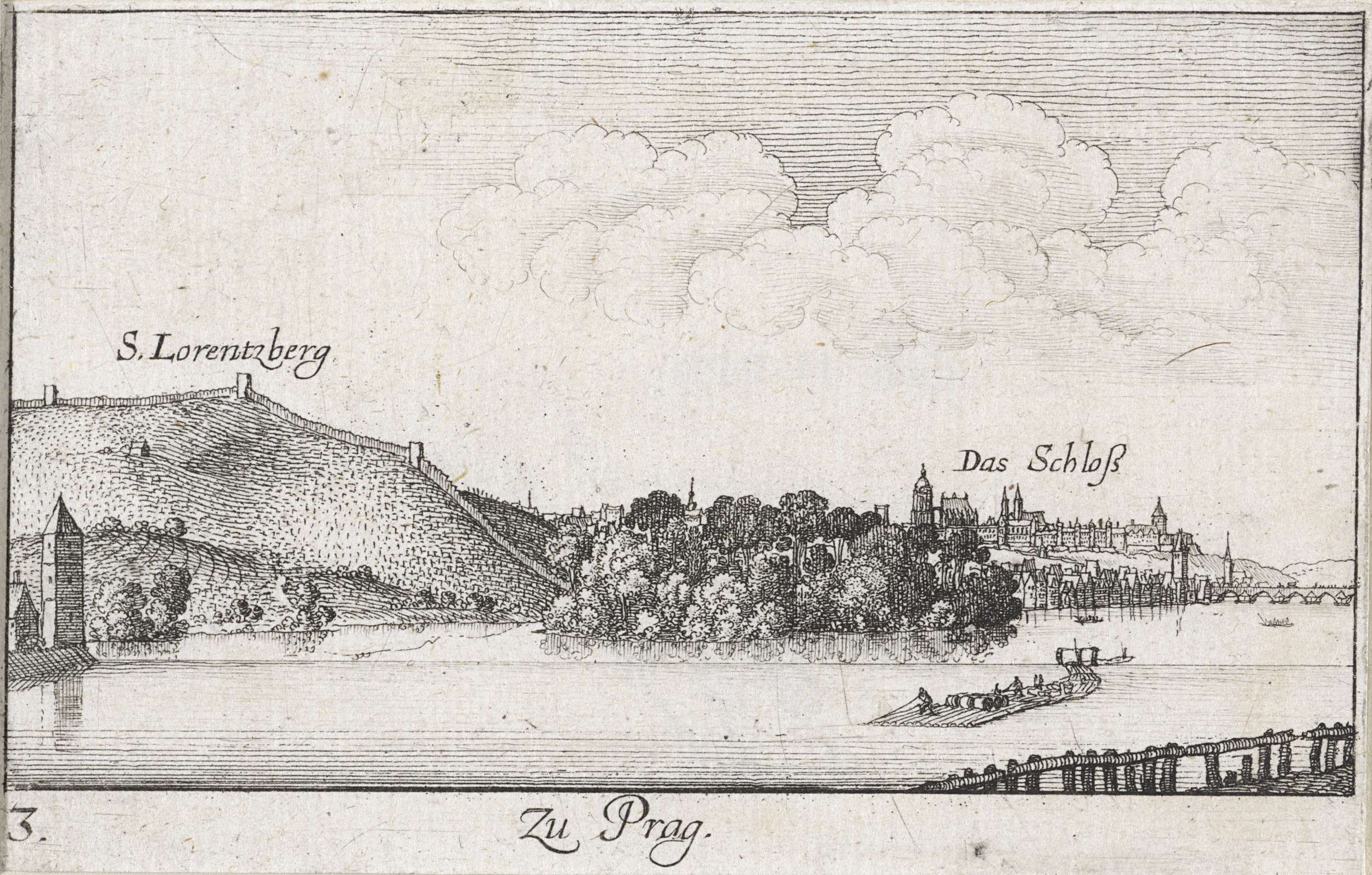
Gezicht op Praag vanaf de Moldau
Wenceslaus Hollar