
Anatomische studie van de torso van een man, van opzij gezien — History & Facts
In the silent reverie of a human form, the quiet drama of anatomy unfolds, beckoning the viewer to awaken to the marvels of the human body. Look to the left at the intricate, sinewy contours of the torso, where every line seems to pulse with life. Hollar’s precise etching technique captures the delicate interplay of light and shadow, revealing the musculature beneath the surface. The warm, earthy tones serve to accentuate the naturalism of the figure, while the side profile invites a contemplative gaze, drawing attention to the elegance of the human form in its most essential state. Beneath the surface, this study transcends mere anatomical observation.
It hints at the fragility of existence, reminding us that beauty coexists with vulnerability. The meticulous rendering contrasts the strength of the musculature with the quiet stillness of the pose, embodying the tension of life and death, a fleeting moment caught in time. Each detail, from the curvature of the shoulders to the subtle positioning of the limbs, speaks of an inner awakening, both for the artist and the observer. In 1645, Wenceslaus Hollar crafted this piece during a time of personal upheaval and transformation in the art world.
Residing in Prague and later in England, he was caught between the turmoil of the Thirty Years' War and the flourishing of Baroque art. This work reflects his dedication to the study of the human form, embodying both his artistic vision and the broader cultural shifts of the era, as the understanding of anatomy began to intertwine with artistic expression.
More Artworks by Wenceslaus Hollar
Browse all →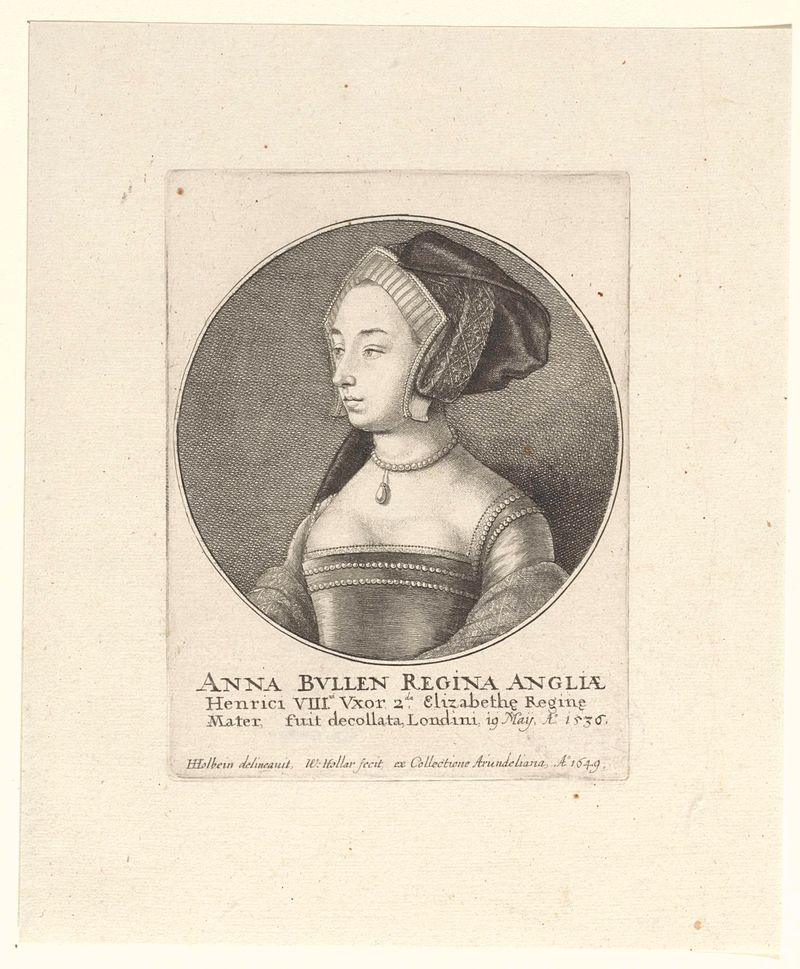
Portret van Anna Boleyn, koningin van Engeland
Wenceslaus Hollar
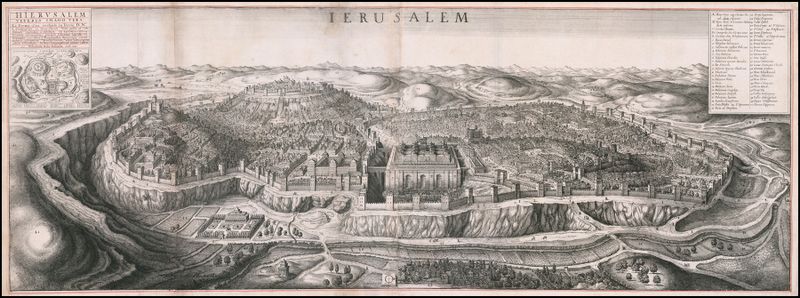
Bird’s eye view of Jerusalem
Wenceslaus Hollar
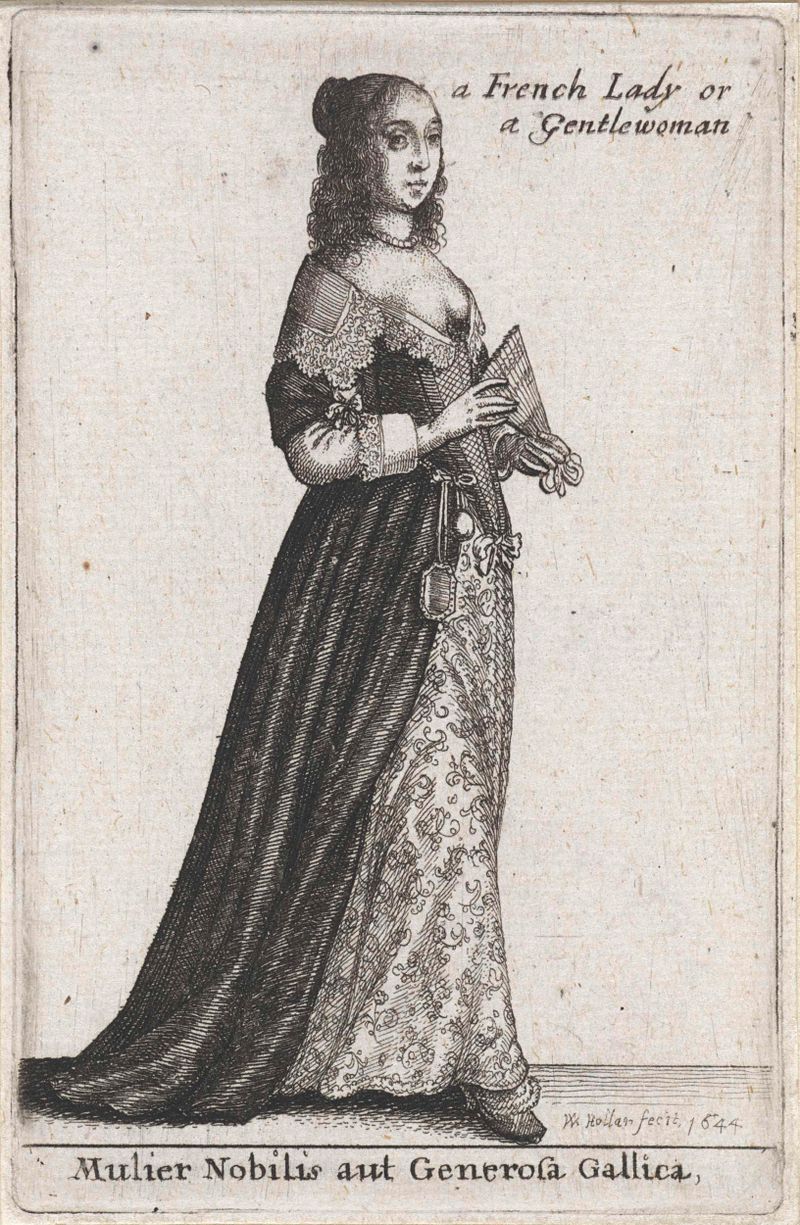
Mulier Nobilis aut Generosa Gallica / a French Lady or Gentlewoman
Wenceslaus Hollar
Titelprent voor: Ornatus Muliebris Anglicanus
Wenceslaus Hollar
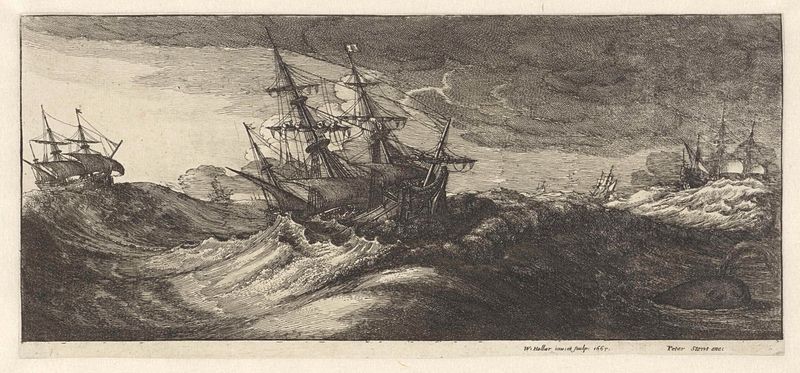
Oorlogsschepen en een walvis in een zeestorm
Wenceslaus Hollar
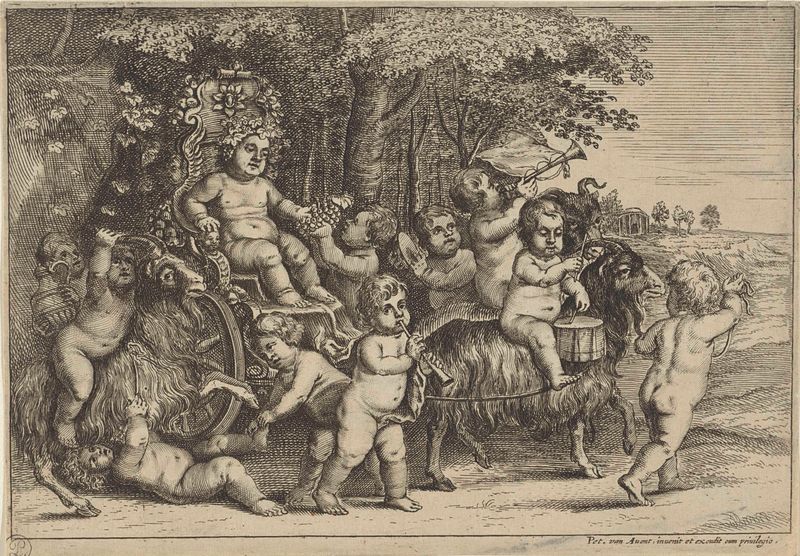
Optocht van bacchant en jongetjes op geiten
Wenceslaus Hollar
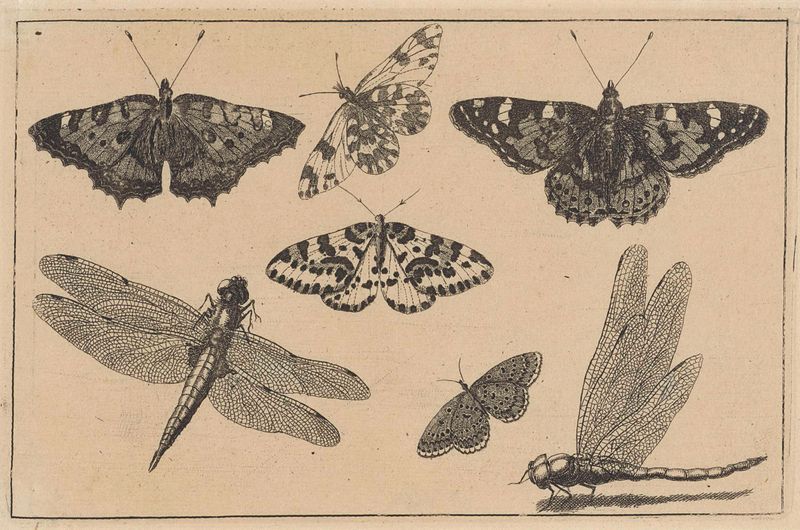
Twee libellen en vijf vlinders
Wenceslaus Hollar
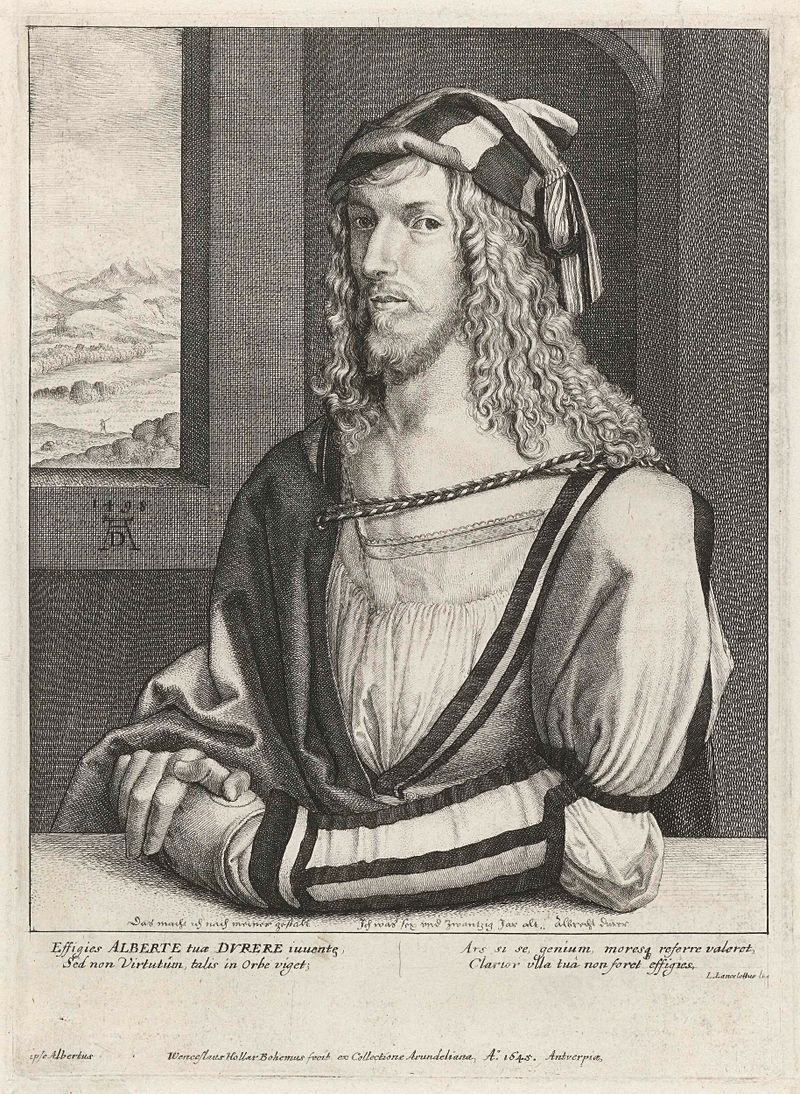
Portret van Albrecht Dürer
Wenceslaus Hollar
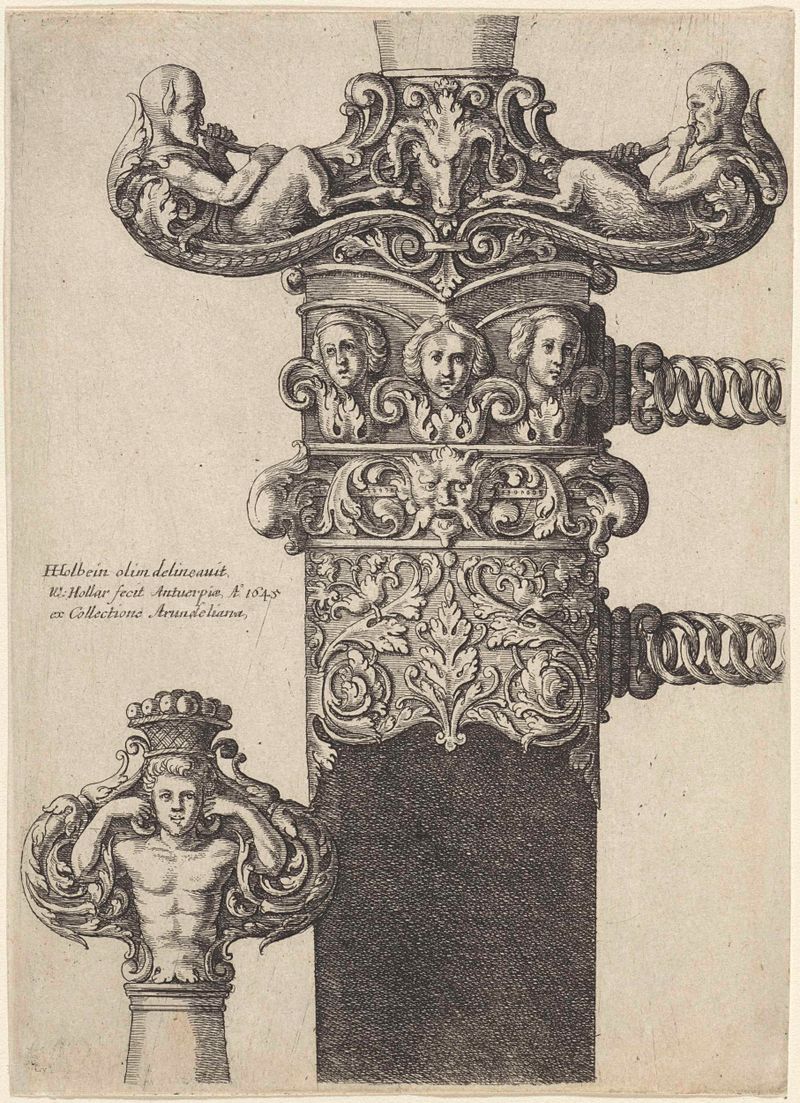
Ornamenteel ontwerp voor een dolk
Wenceslaus Hollar
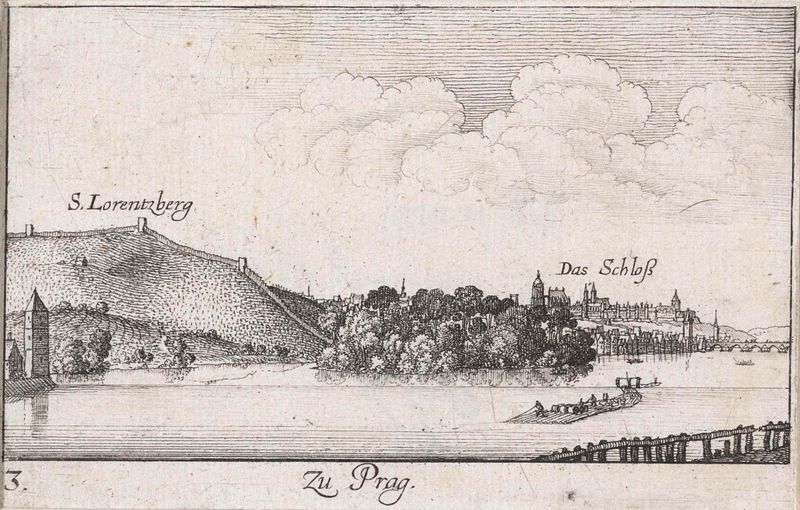
Gezicht op Praag vanaf de Moldau
Wenceslaus Hollar





