
Angel — History & Facts
When Raphael painted Angel around 1500, he was barely seventeen, yet already the art world of Urbino was buzzing with the emergence of a prodigy. This panel is one of the earliest surviving works attributed to him, and its youthful freshness has fueled centuries of debate: is this truly the hand of the future master, or the product of his apprenticeship in the workshop of his father, Giovanni Santi? The question remains open, but what is certain is that Angel stands at the threshold of Raphael’s meteoric ascent, foreshadowing the grace and clarity that would later define the High Renaissance. The angel gazes out with a gentle, almost human curiosity, lips parted as if about to speak. Unlike the stern messengers of earlier tradition, this figure is suffused with warmth: the soft curls, the delicate hands cradling a lily—a symbol of purity—invite the viewer into a moment of quiet anticipation.
The light falls tenderly across the angel’s face, animating the flesh and fabric with a luminous softness reminiscent of Perugino, Raphael’s later mentor. Where other artists, like Fra Angelico, might render angels as remote and otherworldly, here the divine is approachable, present, and intimately near. The precise origins of Angel are still a matter of scholarly inquiry. Some suggest it may have formed part of a larger altarpiece, perhaps commissioned for a church in Urbino or Perugia, while others see it as an independent devotional image.
Over the centuries, its attribution has shifted, with early catalogues sometimes listing it under Perugino or even Giovanni Santi. Today, most experts agree on its place in the youthful oeuvre of Raphael, and it hangs as a testament to his early promise—a quiet, radiant beginning to a career that would soon reshape the art of Europe.
More Artworks by Raphael

Madonna of the Goldfinch
Raphael

Madonna with the Fish
Raphael
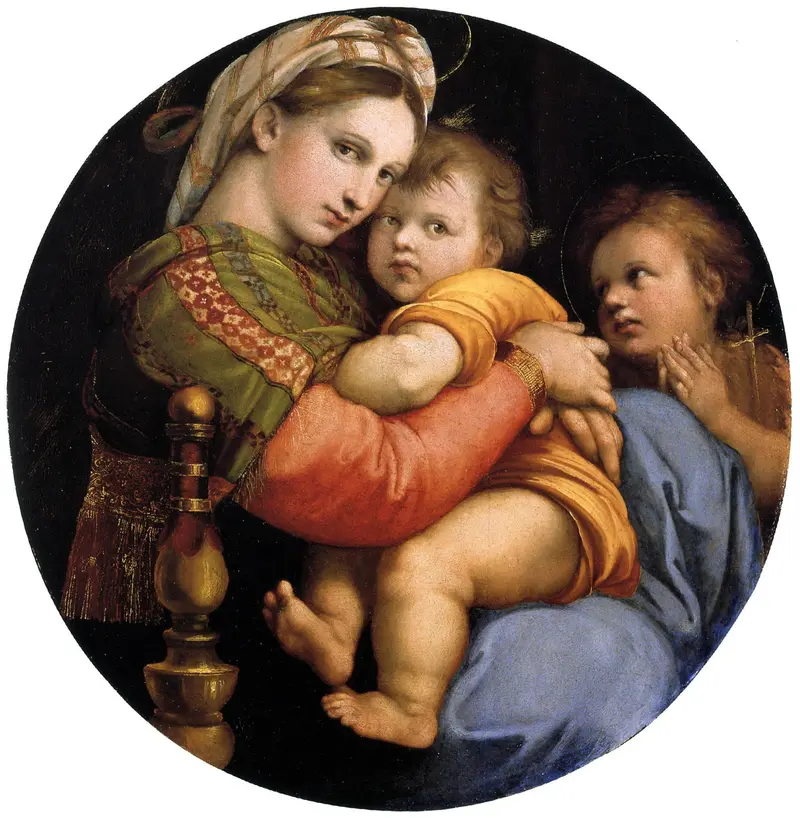
Madonna and Child (Madonna della Seggiola)
Raphael
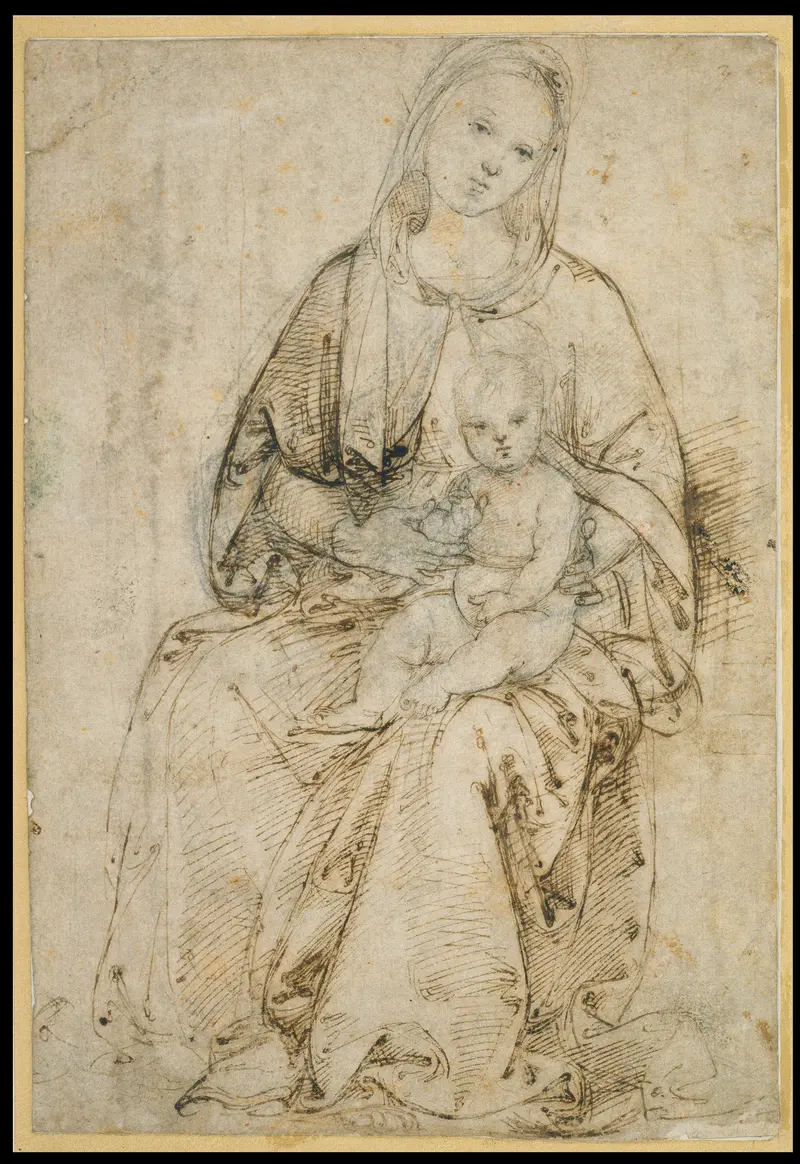
Seated Madonna and Child
Raphael
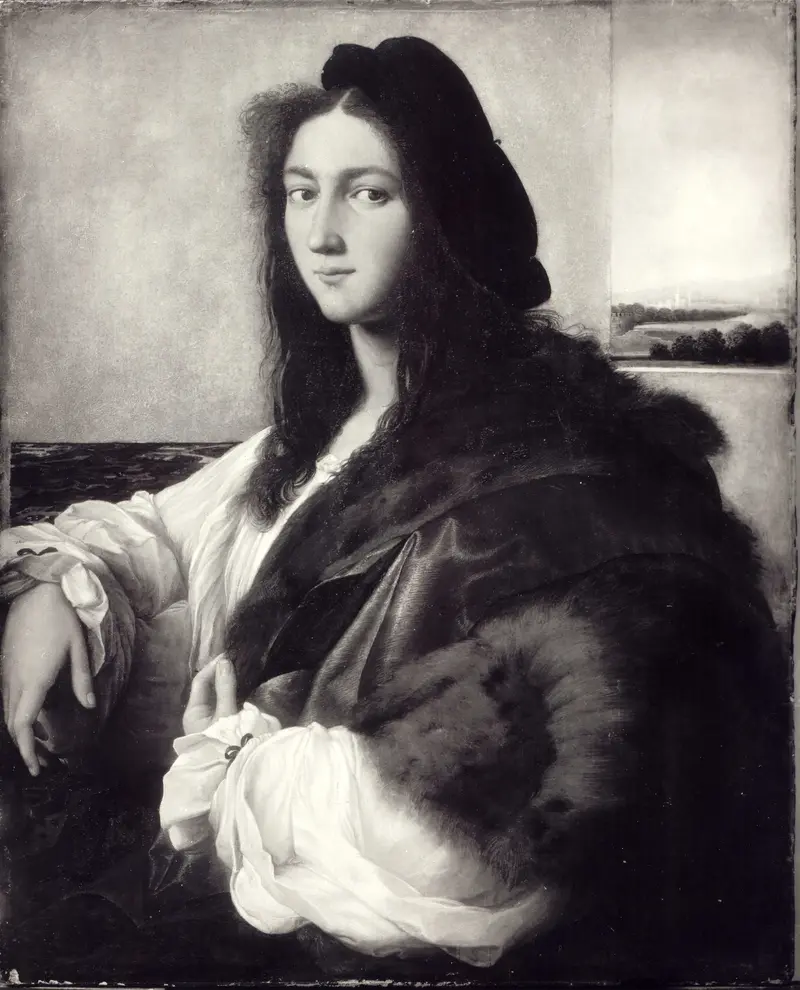
Portrait of a Young Man
Raphael
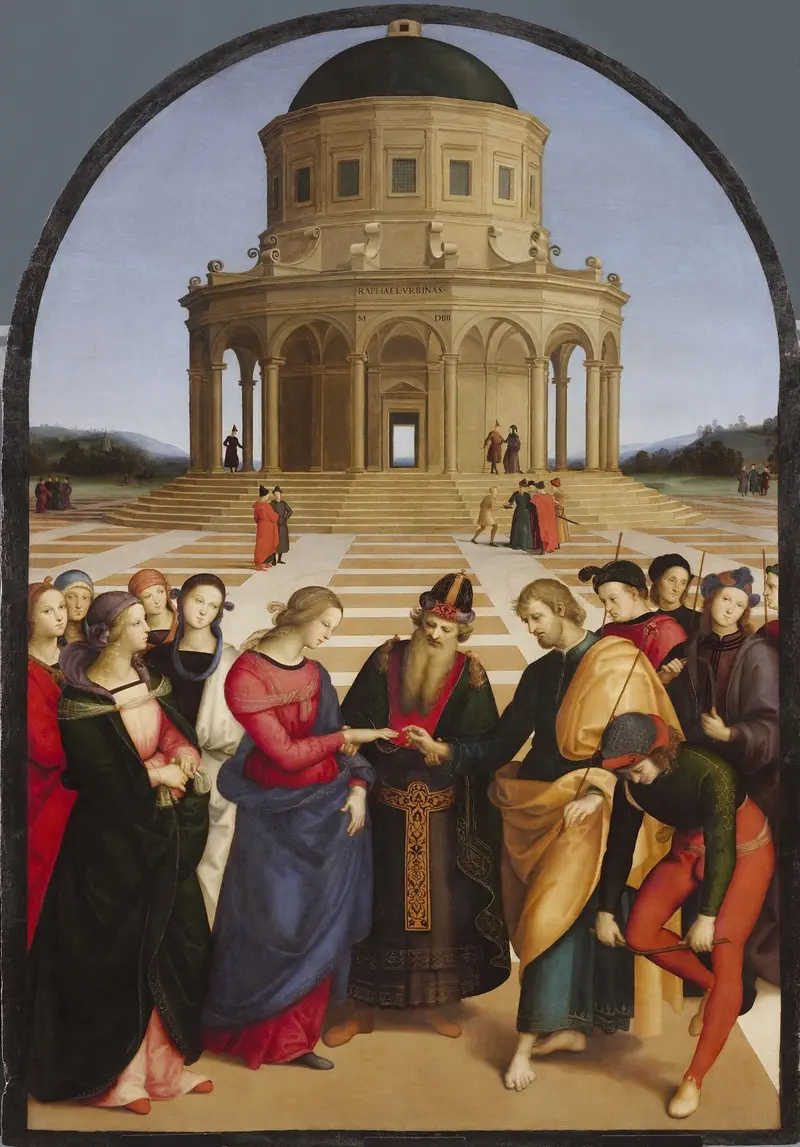
The Marriage of the Virgin
Raphael
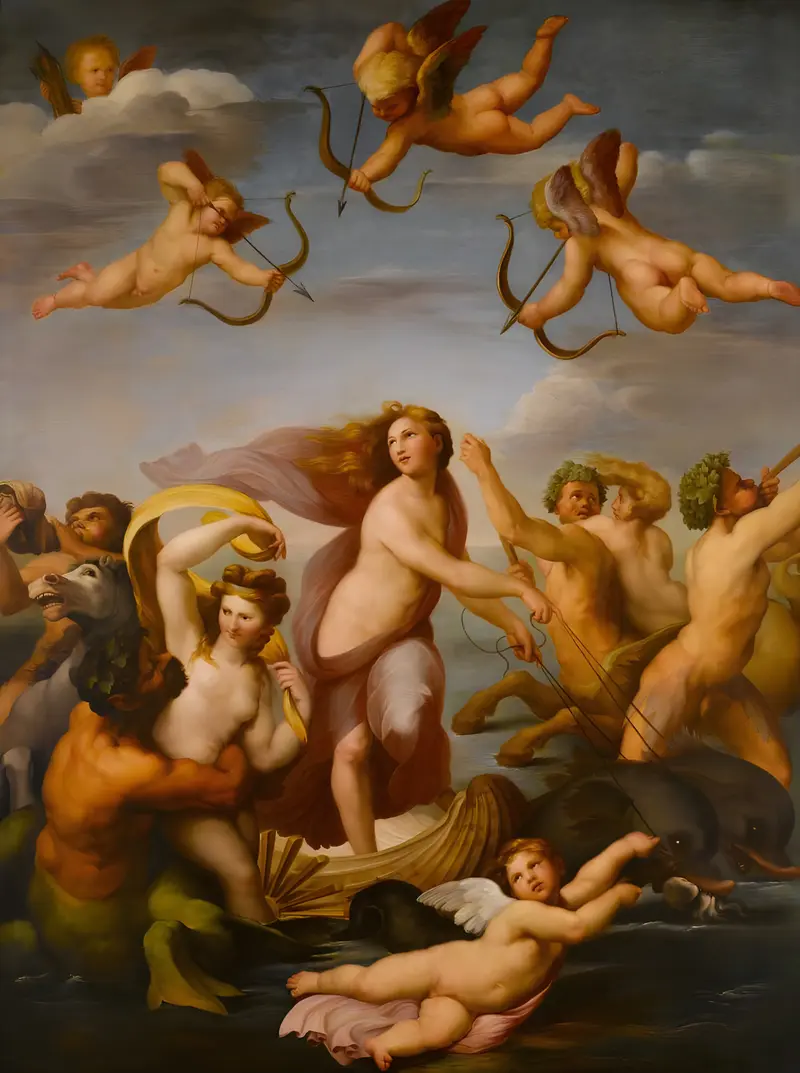
The Triumph of Galatea (copy after Raphael)
Raphael
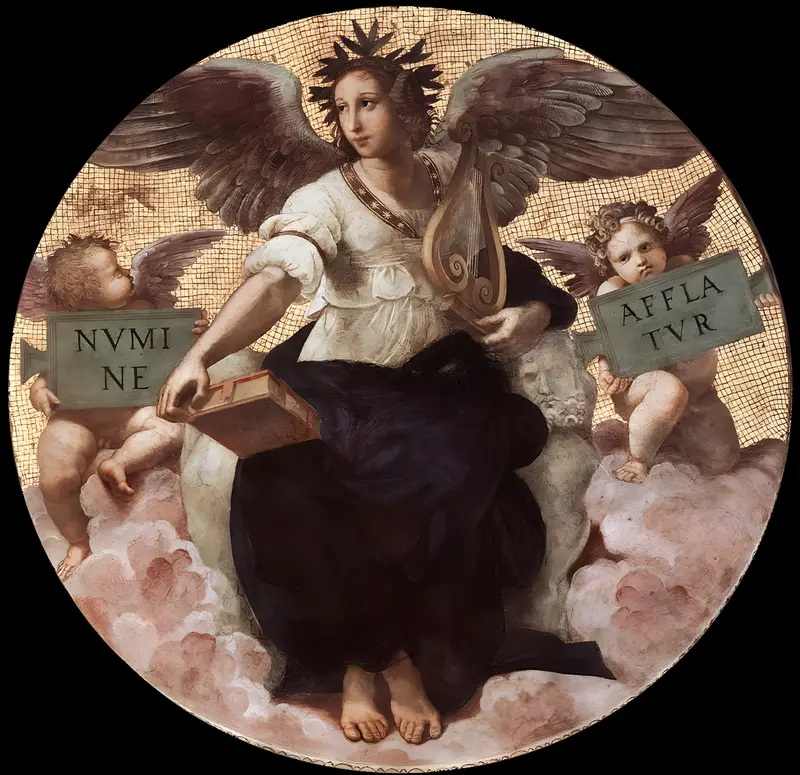
Poetry
Raphael
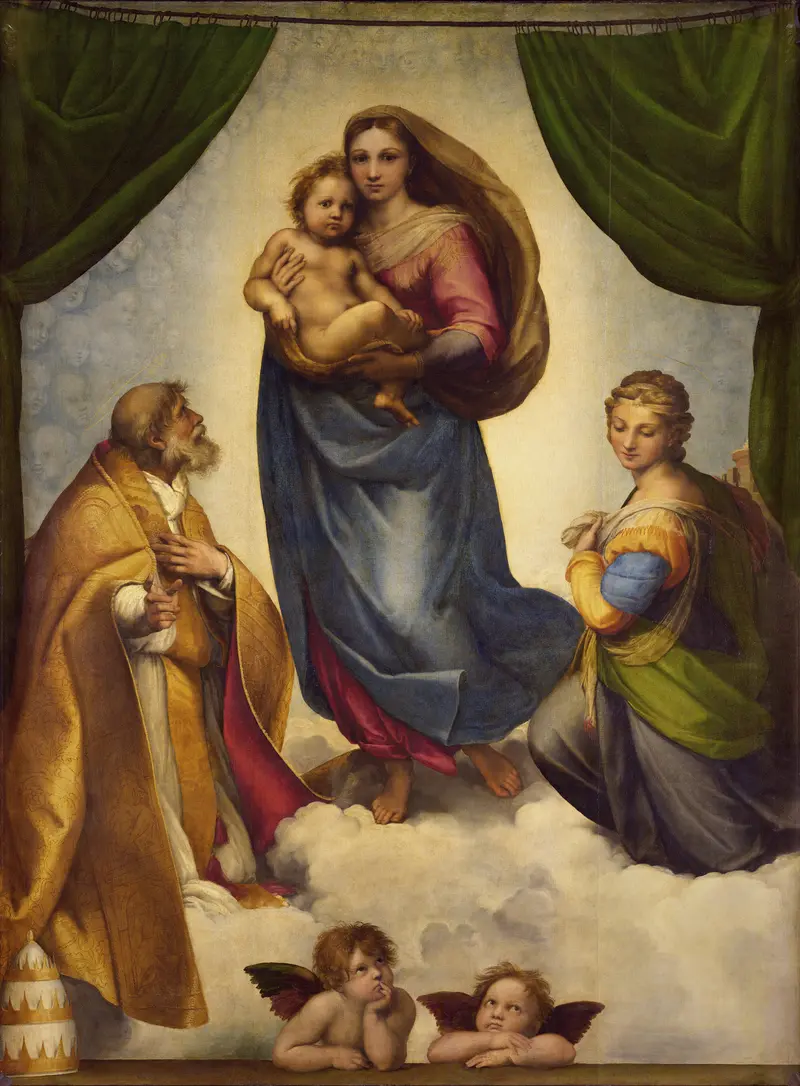
Sistine Madonna
Raphael
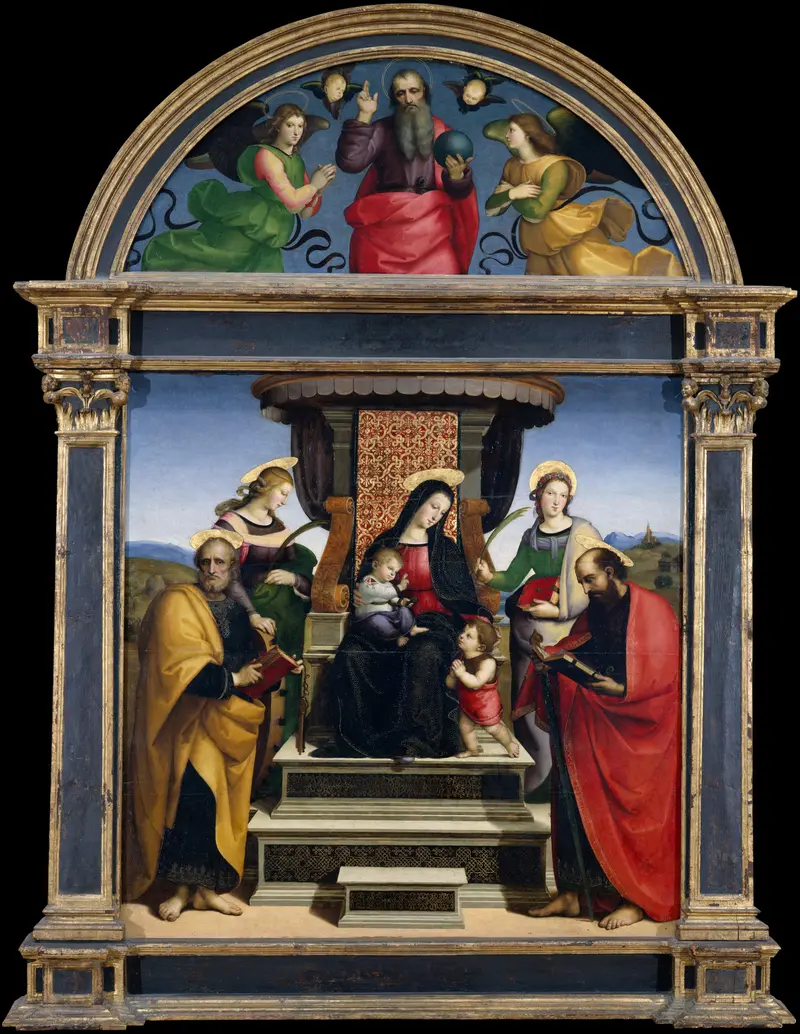
Madonna and Child Enthroned with Saints
Raphael




