
Angle rue Mabillon et rue Clément, en 1907. 5ème et 6ème arrondissements — History & Facts
In its stillness, it invites viewers into a moment captured eternally, where silence speaks as loudly as the chaos of life surrounding it. Look to the lower left, where the cobblestone street unfurls like a path through time, each stone a witness to the lives that have passed. The buildings rise like sentinels, their facades adorned with intricate details, bathed in a soft, muted light that hints at the stillness of an early morning or perhaps the gentle hush of dusk. Notice how the subtle gray tones of the architecture harmonize with the delicate strokes of muted greens and browns, beckoning you to explore further. Here, urban life feels both present and absent, as though the city is holding its breath.
The empty street serves not just as a backdrop but as a canvas of potential, a moment frozen where the possibility of life lingers in the air. The contrast between the intricate architectural details and the stark emptiness evokes a sense of nostalgia and yearning for connection, inviting contemplation of those who once inhabited this space and what their stories might have been. Frédéric Houbron painted this scene in 1907 while living in Paris, at a time when Impressionism was waning and Modernism was beginning to take hold. Capturing life in urban settings, he focused on the interplay between the built environment and the silence that often envelops bustling cities.
This piece reflects not only Houbron’s artistic journey but also the evolving narrative of a city on the cusp of profound change.
More Artworks by Frédéric Houbron
Browse all →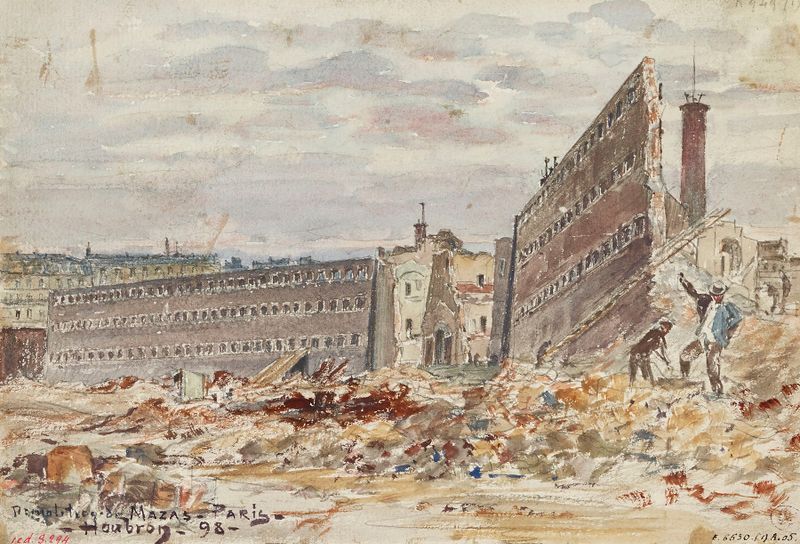
Démolition de la prison Mazas, 23, 25 boulevard Diderot (ancien boulevard Mazas)
Frédéric Houbron
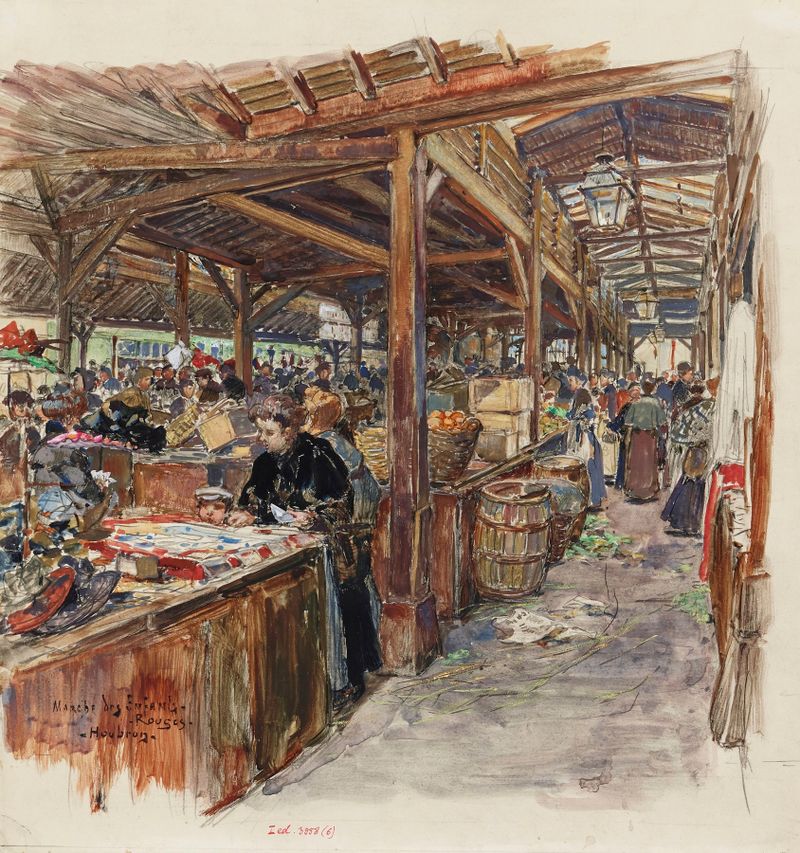
Intérieur du Marché des Enfants Rouges. 3ème arrondissement
Frédéric Houbron
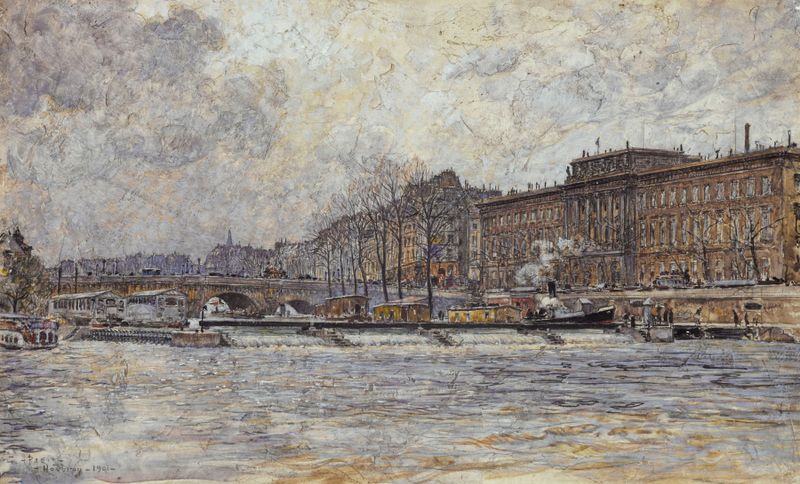
L’Hôtel de la Monnaie et le Pont-Neuf
Frédéric Houbron

Quai des Orfèvres. Paris. 1906
Frédéric Houbron
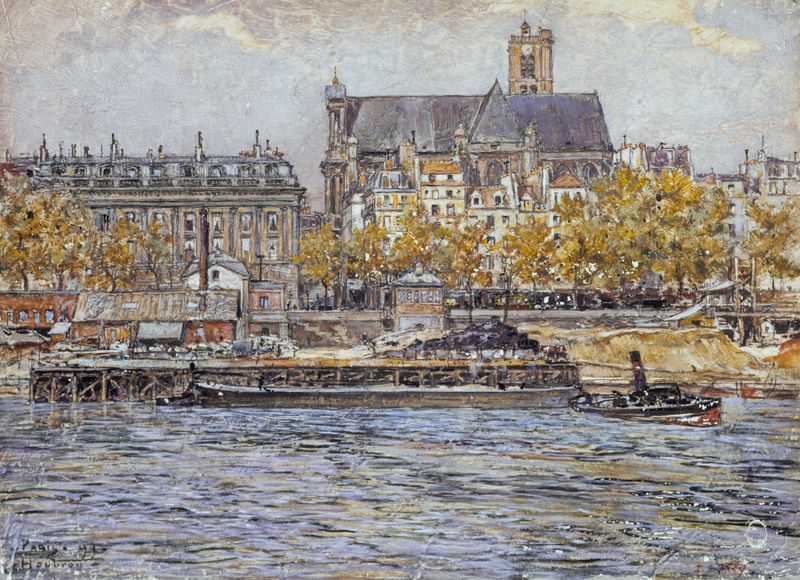
Le quai de l’Hôtel-de-Ville et l’église Saint-Gervais-Saint-Protais
Frédéric Houbron
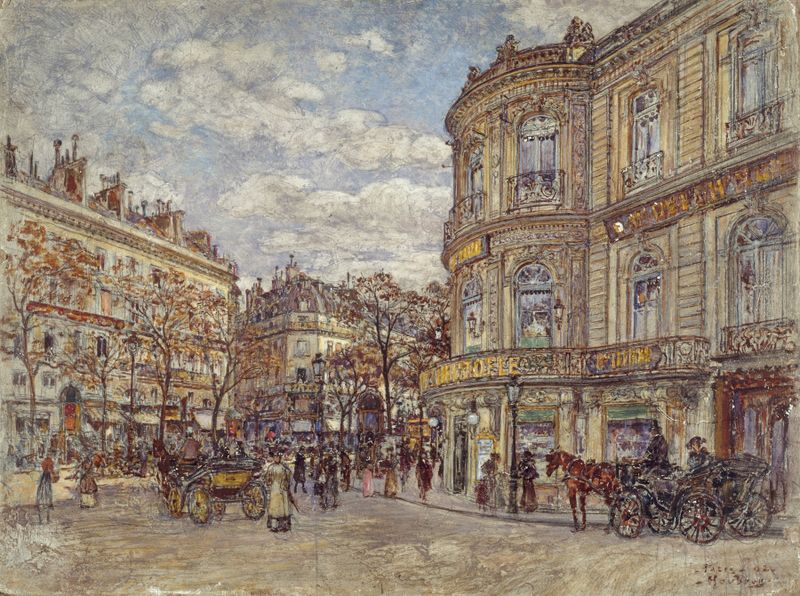
Le Pavillon de Hanovre, rue Louis-le-Grand
Frédéric Houbron

La rue du Chevalier-de-la-Barre, avec le Sacré-Cœur en construction
Frédéric Houbron
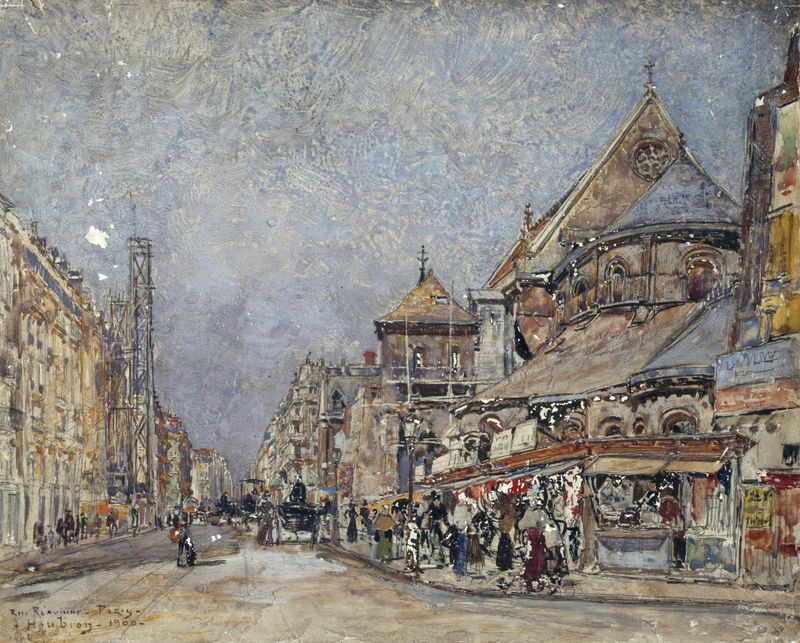
La rue Réaumur et le chevet de l’église Saint-Martin-des-Champs
Frédéric Houbron
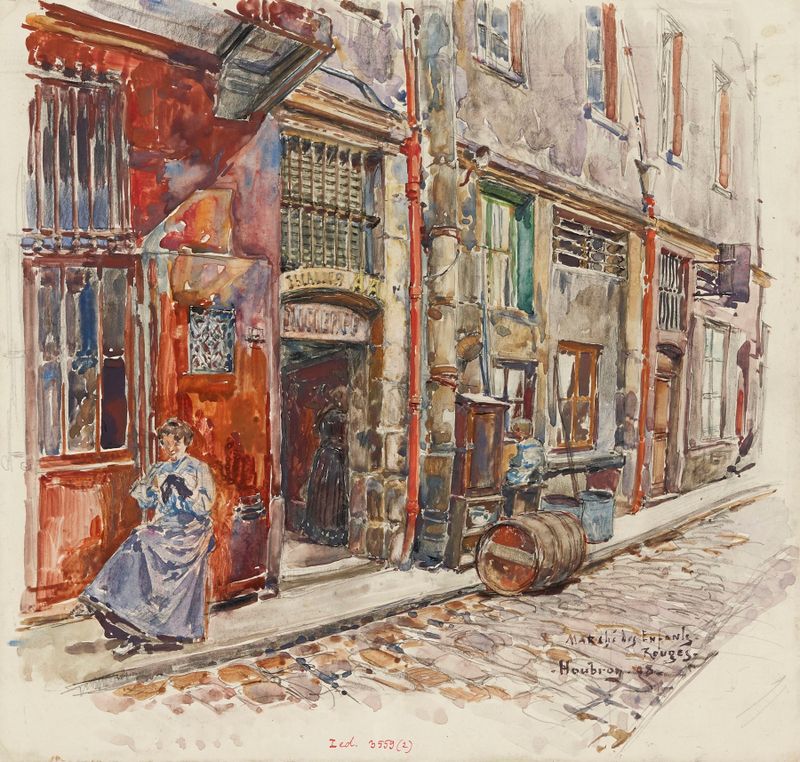
Entrée escalier A du Marché des Enfants-Rouges, en 1908. 3ème arrondissement
Frédéric Houbron
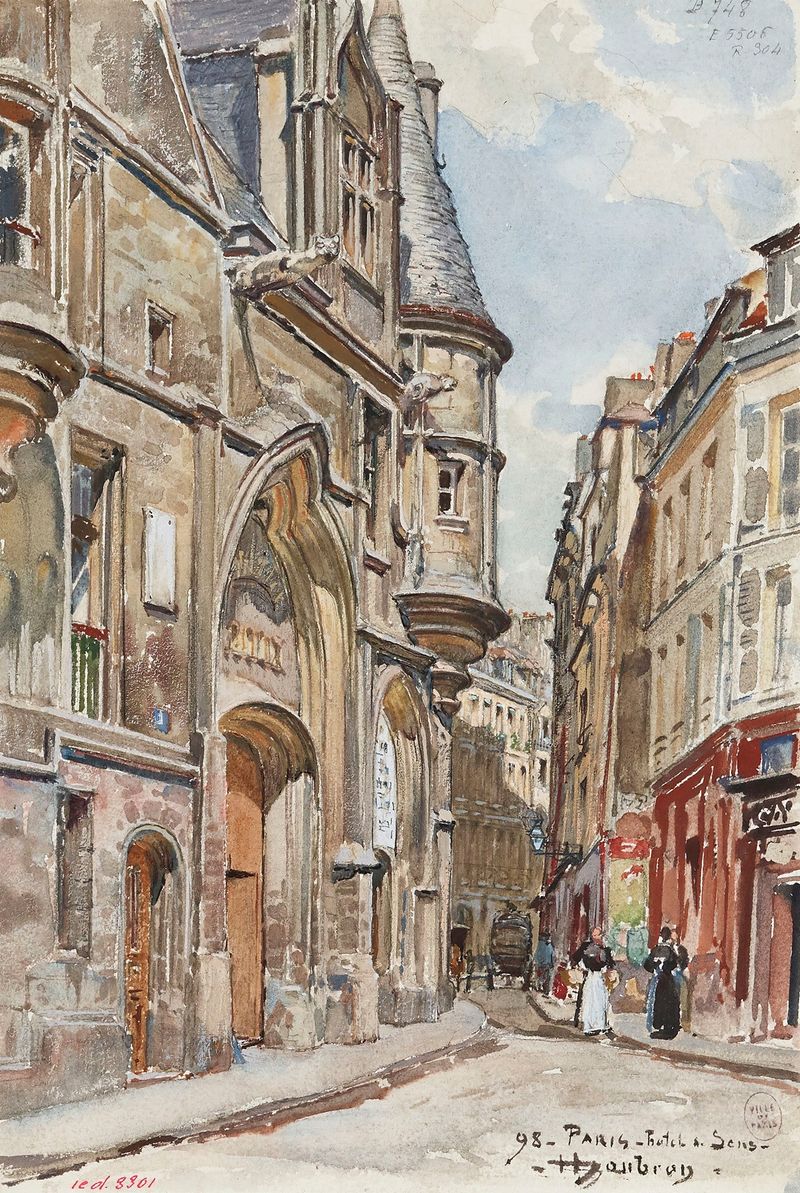
l’Hôtel de Sens, 1 rue du Figuier, en 1898, 4ème arrondissement
Frédéric Houbron





