
L’Hôtel de la Monnaie et le Pont-Neuf — History & Facts
When did color learn to lie? In the ecstatic dance of hues, truth finds itself nestled between the vivid strokes of a painter's brush, shimmering with emotion and intrigue. Look closely at the vibrant blues and warm ochres, where the water reflects the sun-drenched facades of the Hôtel de la Monnaie. The bridge stretches across the canvas, inviting the viewer's gaze into the bustling life below. Notice how the light captures the ripples in the river, each glimmer whispering stories of passersby, while soft shadows linger in the corners, suggesting the stories untold.
The carefully balanced composition creates a sense of harmony, while the lively palette evokes the joy and vitality of Paris at the turn of the century. Yet, beneath the cheerful surface, a deeper tension lies. The bridge, a symbol of connection, also hints at the divide between the bustling life on one side and the tranquil reflections on the other. The cityscape buzzes with the vibrancy of modernity, yet the stillness of the water urges us to pause and reflect.
Here, in the juxtaposition of movement and calm, the viewer is drawn into an emotional interplay, questioning the narratives that color our perceptions of reality. In 1901, while working in Paris, Frédéric Houbron merged his impressionist roots with the burgeoning influences of modernism. The city was alive with innovation, yet he sought to capture its essence through a lens that celebrated both the chaotic vibrancy and the serene beauty. This period marked a transformative time in art, as artists began to explore subjective experiences rather than mere representations, laying the groundwork for future movements.
More Artworks by Frédéric Houbron
Browse all →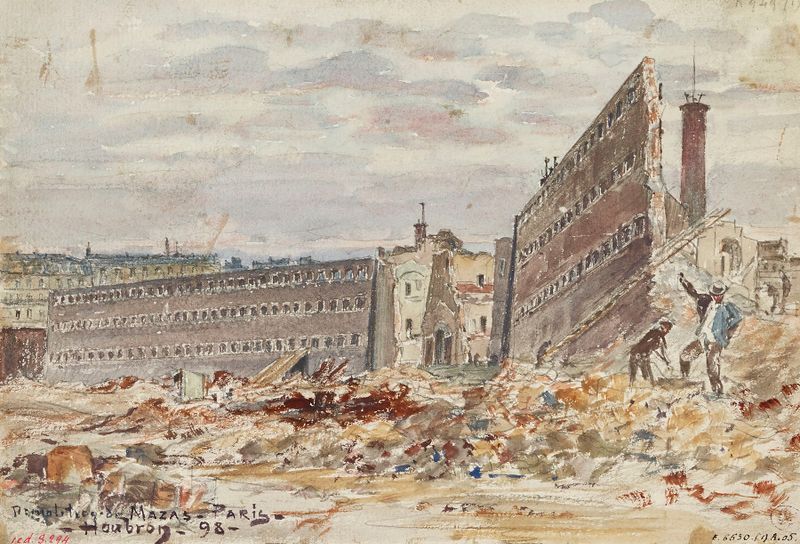
Démolition de la prison Mazas, 23, 25 boulevard Diderot (ancien boulevard Mazas)
Frédéric Houbron
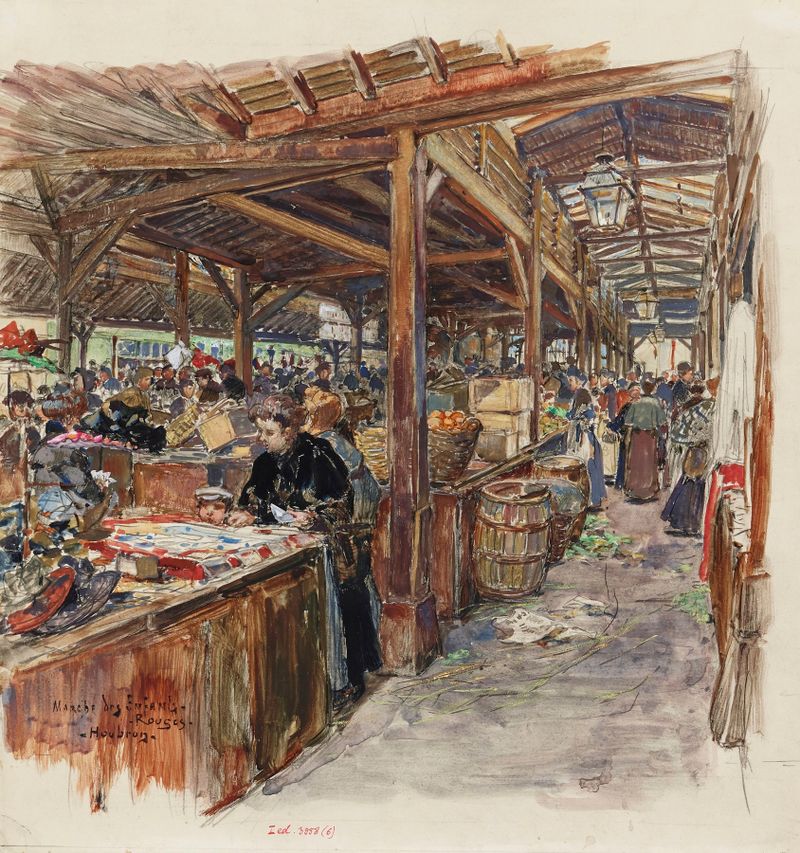
Intérieur du Marché des Enfants Rouges. 3ème arrondissement
Frédéric Houbron

Quai des Orfèvres. Paris. 1906
Frédéric Houbron
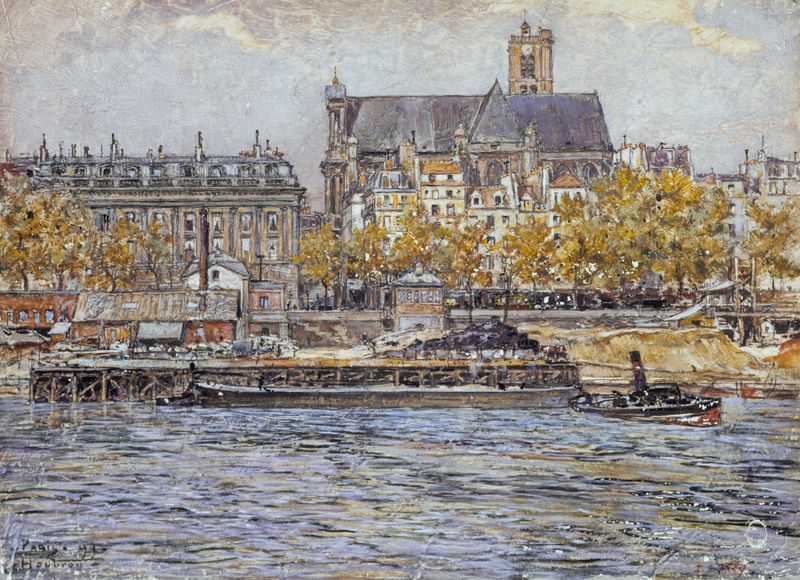
Le quai de l’Hôtel-de-Ville et l’église Saint-Gervais-Saint-Protais
Frédéric Houbron
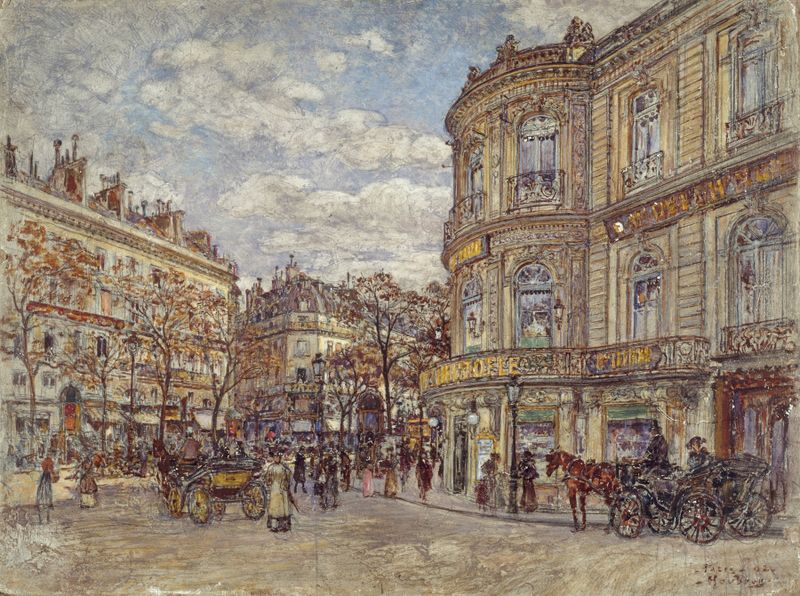
Le Pavillon de Hanovre, rue Louis-le-Grand
Frédéric Houbron

La rue du Chevalier-de-la-Barre, avec le Sacré-Cœur en construction
Frédéric Houbron
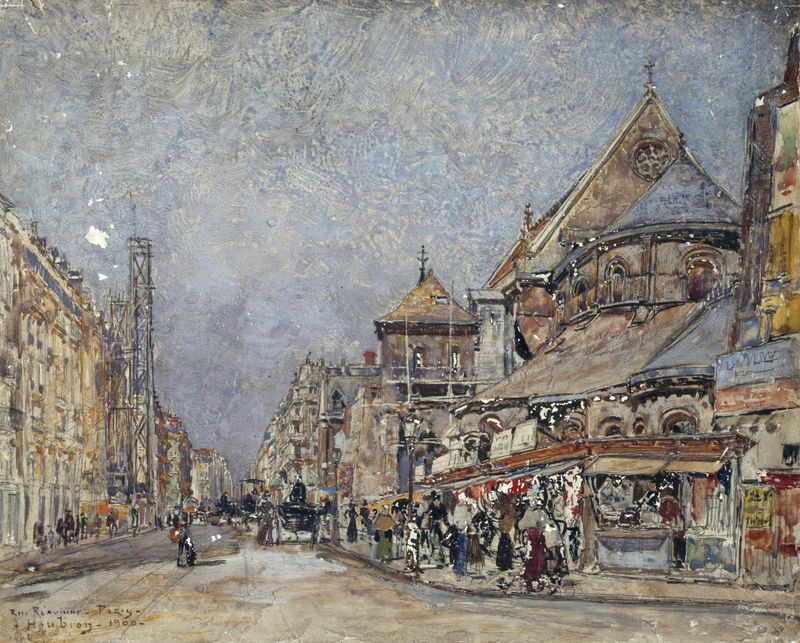
La rue Réaumur et le chevet de l’église Saint-Martin-des-Champs
Frédéric Houbron
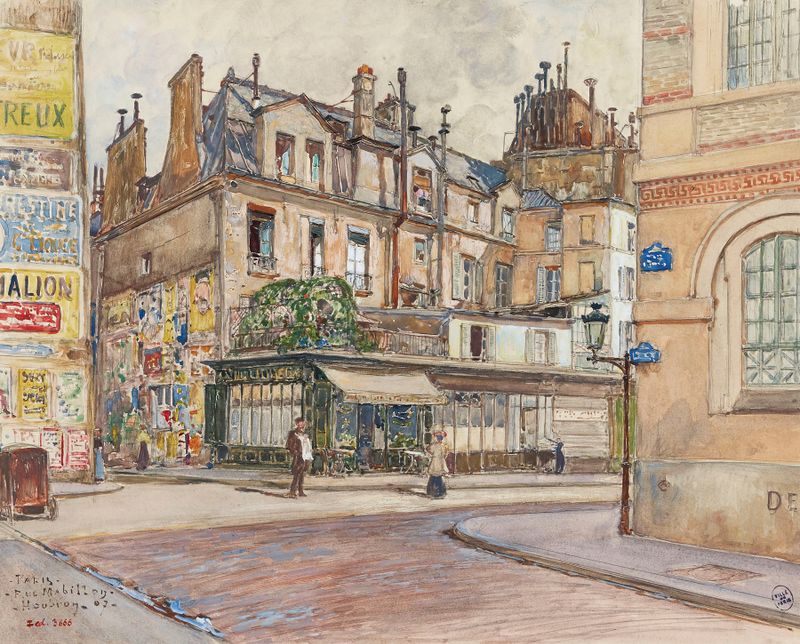
Angle rue Mabillon et rue Clément, en 1907. 5ème et 6ème arrondissements
Frédéric Houbron
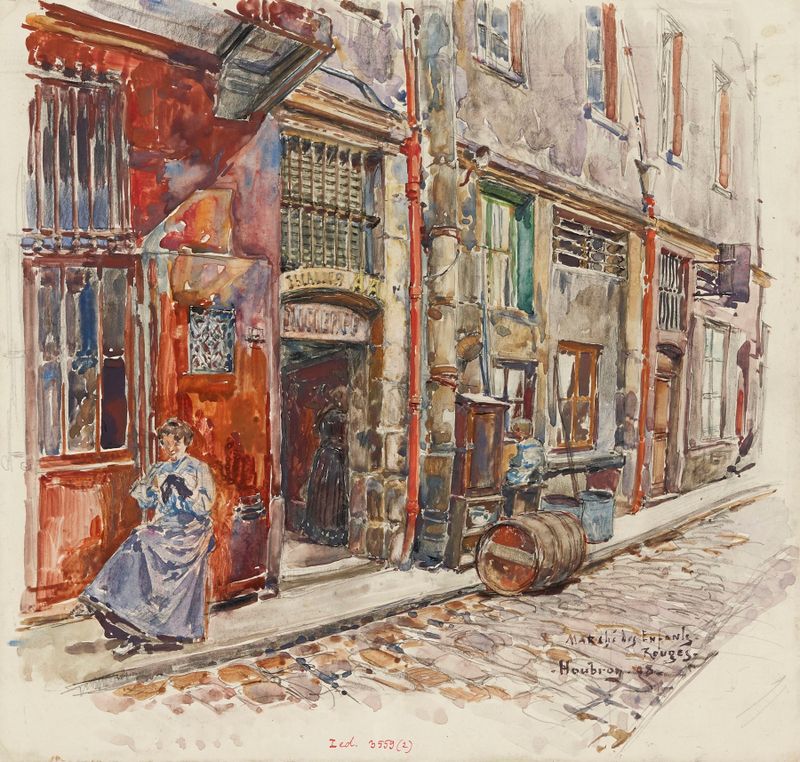
Entrée escalier A du Marché des Enfants-Rouges, en 1908. 3ème arrondissement
Frédéric Houbron
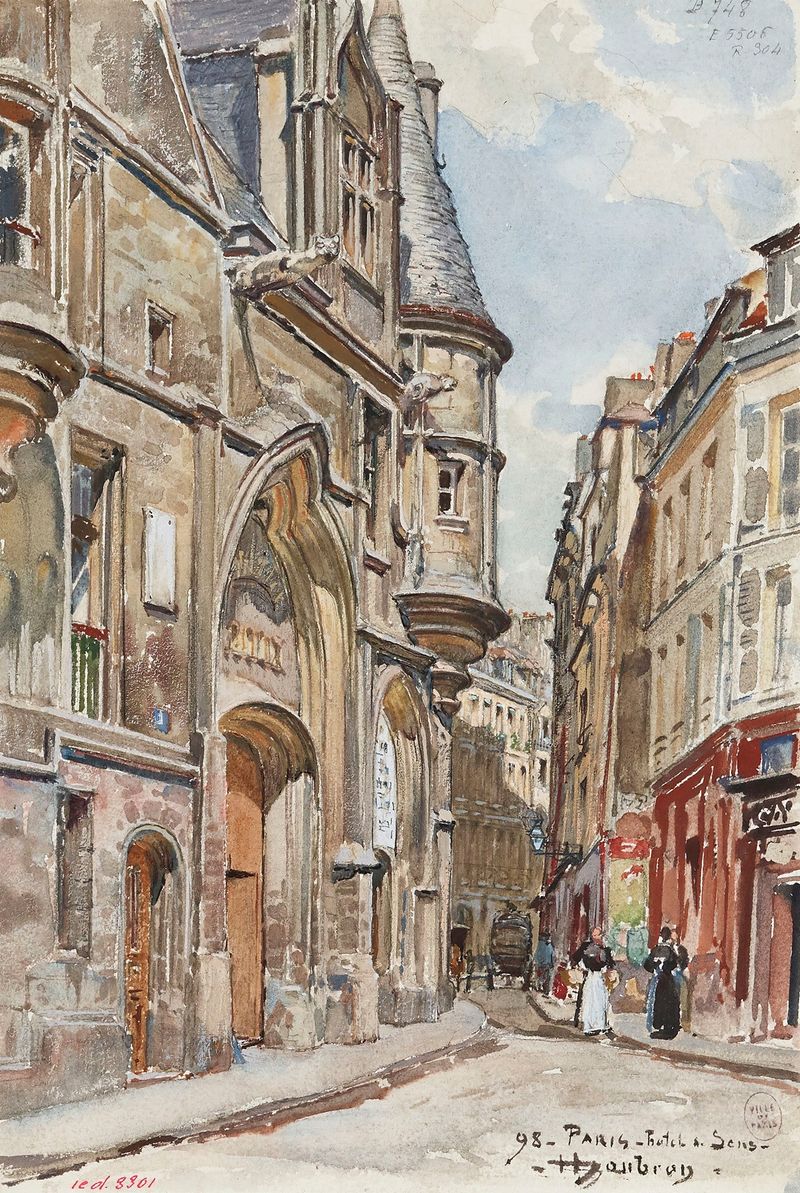
l’Hôtel de Sens, 1 rue du Figuier, en 1898, 4ème arrondissement
Frédéric Houbron
More Architecture Art
Browse all →
The statue of Liberty
Frédéric Auguste Bartholdi

View of Houses in Delft, Known as ‘The Little Street’
Johannes Vermeer

View of Houses in Delft, Known as ‘The Little Street’
Johannes Vermeer

The Cathedral in Rouen. The portal, Grey Weather
Claude Monet

The yellow house
Vincent van Gogh

The Church in Auvers-sur-Oise, View from the Chevet
Vincent van Gogh