
Le Pavillon de Hanovre, rue Louis-le-Grand — History & Facts
Can paint confess what words never could? In Le Pavillon de Hanovre, rue Louis-le-Grand, a haunting emptiness resonates, inviting reflection on absence and solitude within the bustling heart of Paris. Look to the left, where the soft strokes of muted greens and browns create a gentle backdrop for the pavilion, its ornate architecture standing still against the encroaching shadows. Notice how the light dances delicately across the cobbled street, leading the eye toward the elegant facade. The artist's use of color is both deliberate and subtle, capturing a fleeting moment in time, yet evoking a sense of stillness that is palpable. As you delve deeper, consider the juxtaposition of the lively city surrounding this solitary building.
The quiet moment encapsulated in the painting speaks to the loneliness that can lurk in the periphery of urban life. The distant figures, mere silhouettes, suggest lives intersecting yet separate, emphasizing the paradox of connection and isolation in a bustling metropolis. Underneath this tranquil exterior lies a profound commentary on the nature of existence itself, prompting us to question what remains unsaid. Frédéric Houbron painted this piece in 1902 amid a rapidly changing Paris, where the echoes of Impressionism were giving way to new artistic movements.
At this time, he was exploring his unique voice within the context of burgeoning modernity. The world was evolving around him, yet he captured a quiet moment that perhaps speaks to a desire for reflection amidst chaos—a poignant contrast to the vibrant energy of the era.
More Artworks by Frédéric Houbron
Browse all →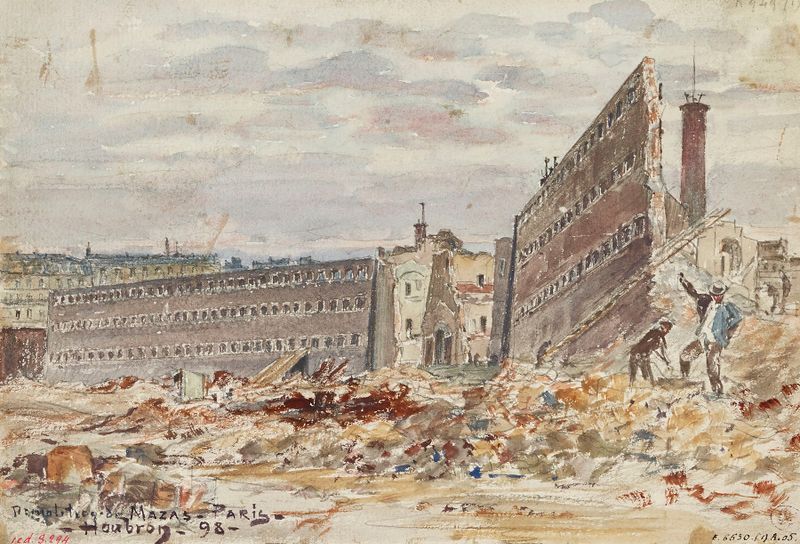
Démolition de la prison Mazas, 23, 25 boulevard Diderot (ancien boulevard Mazas)
Frédéric Houbron
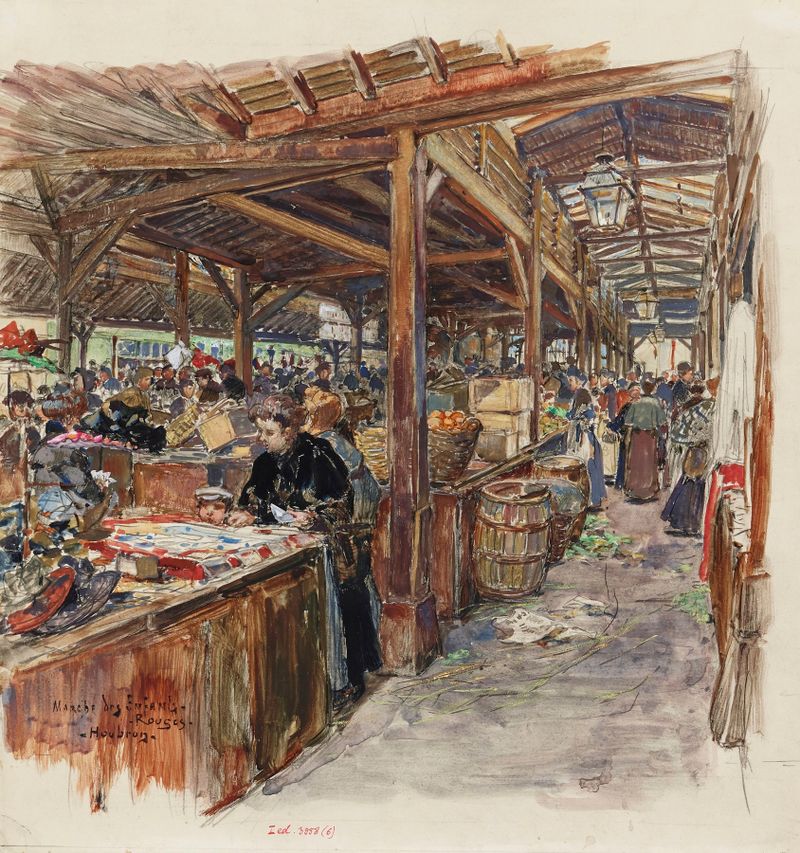
Intérieur du Marché des Enfants Rouges. 3ème arrondissement
Frédéric Houbron
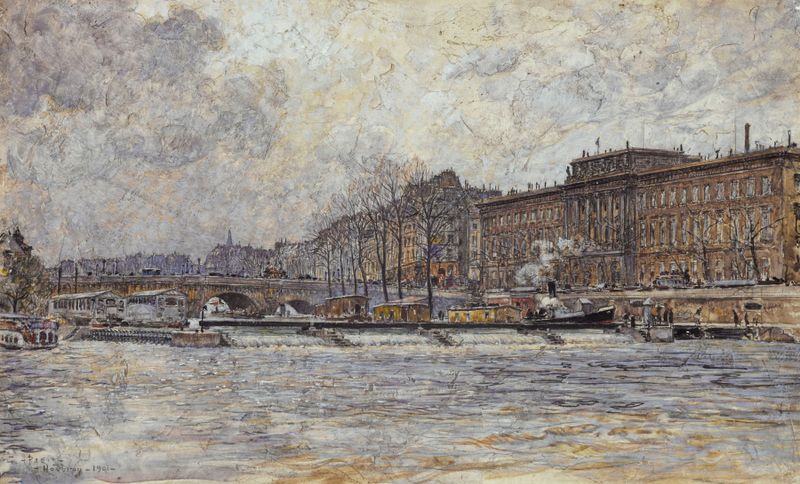
L’Hôtel de la Monnaie et le Pont-Neuf
Frédéric Houbron

Quai des Orfèvres. Paris. 1906
Frédéric Houbron
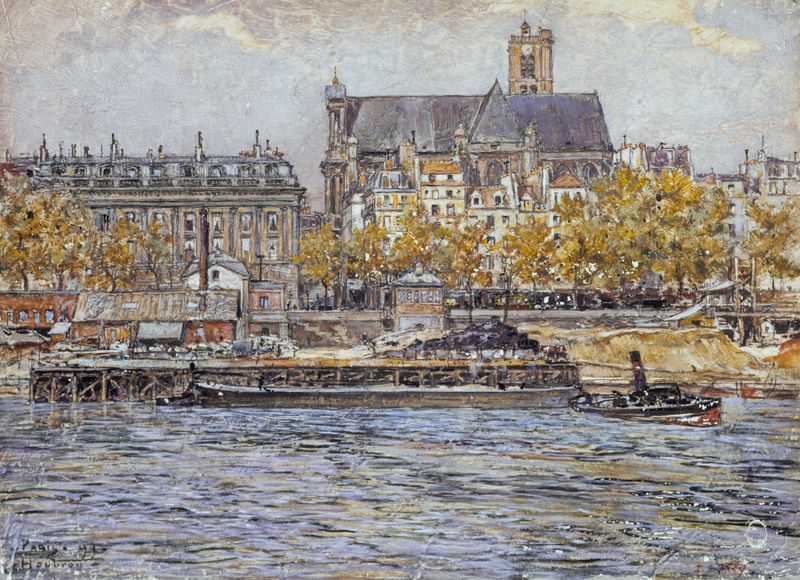
Le quai de l’Hôtel-de-Ville et l’église Saint-Gervais-Saint-Protais
Frédéric Houbron

La rue du Chevalier-de-la-Barre, avec le Sacré-Cœur en construction
Frédéric Houbron
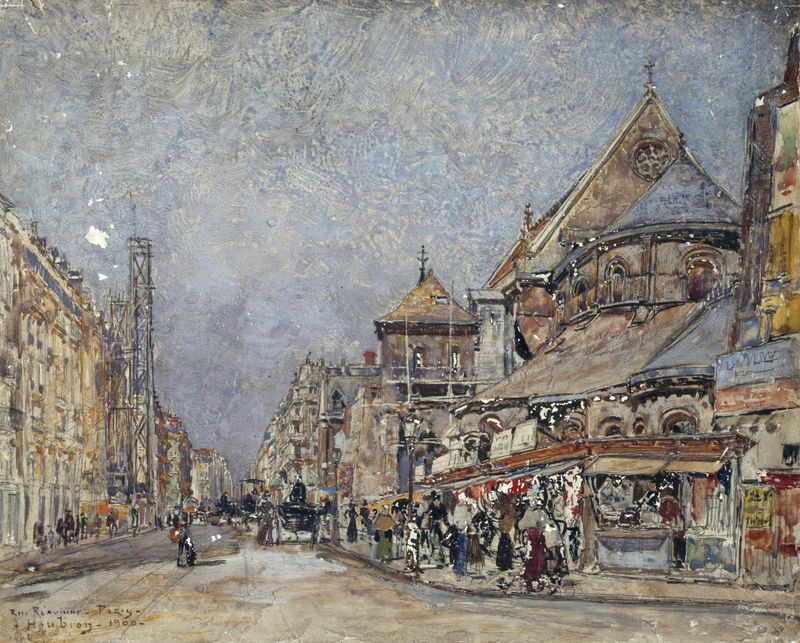
La rue Réaumur et le chevet de l’église Saint-Martin-des-Champs
Frédéric Houbron
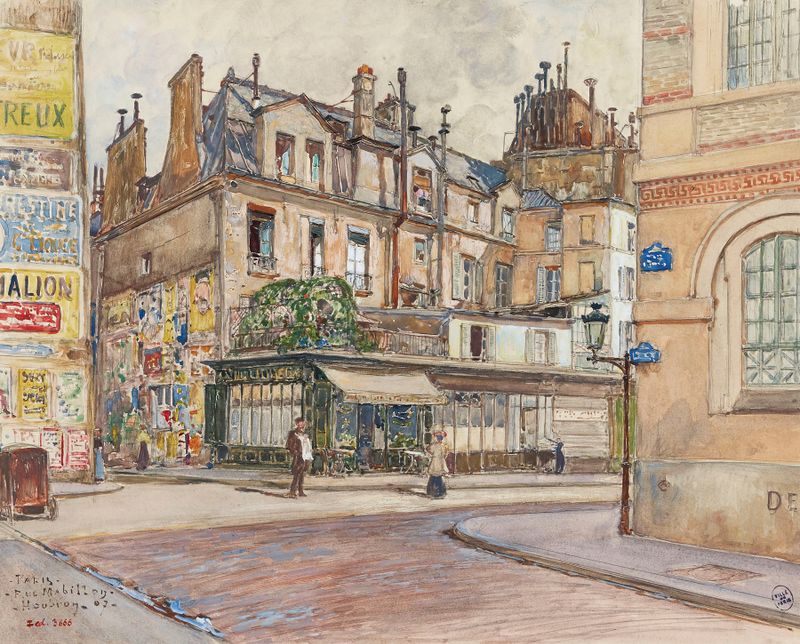
Angle rue Mabillon et rue Clément, en 1907. 5ème et 6ème arrondissements
Frédéric Houbron
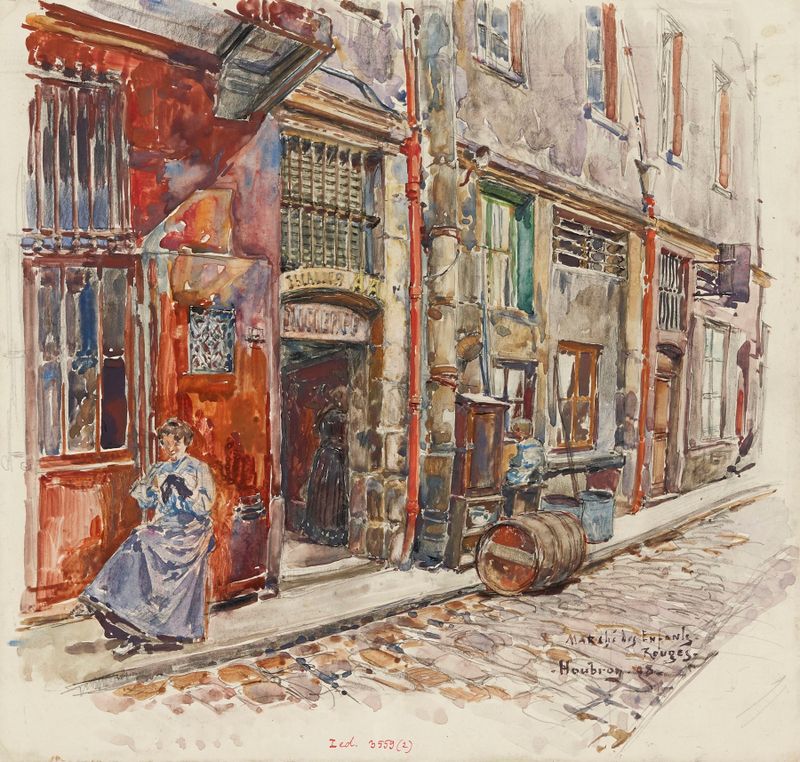
Entrée escalier A du Marché des Enfants-Rouges, en 1908. 3ème arrondissement
Frédéric Houbron
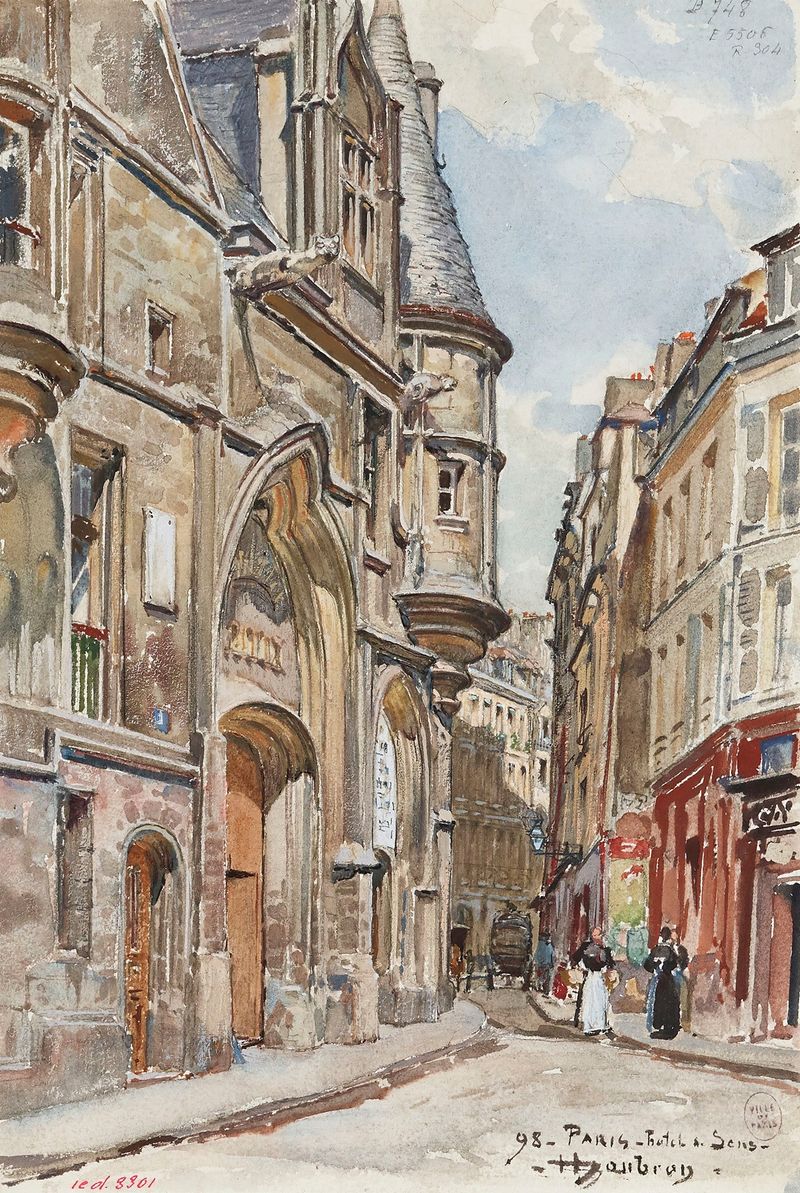
l’Hôtel de Sens, 1 rue du Figuier, en 1898, 4ème arrondissement
Frédéric Houbron
More Architecture Art
Browse all →
The statue of Liberty
Frédéric Auguste Bartholdi

View of Houses in Delft, Known as ‘The Little Street’
Johannes Vermeer

View of Houses in Delft, Known as ‘The Little Street’
Johannes Vermeer

The Cathedral in Rouen. The portal, Grey Weather
Claude Monet

The yellow house
Vincent van Gogh

The Church in Auvers-sur-Oise, View from the Chevet
Vincent van Gogh