
Quai des Orfèvres. Paris. 1906 — History & Facts
What secret hides in the quiet of the canvas? In Quai des Orfèvres, a stillness pervades the Parisian riverside, inviting us to listen closely to the whispers of life just beyond the frame. Look to the foreground where the Seine gently laps against the wooden posts, its soft ripples reflecting the muted palette of grays and blues. Notice how the light diffuses through a veil of clouds, casting a soft glow that embraces the quaint buildings lining the quay. The composition feels tender yet resigned; a lone figure leans against a post, observing the world in silent contemplation.
The brushwork, fluid and delicate, evokes a sense of wistfulness, as if time itself has stilled in this fleeting moment. As you delve deeper, consider the contrast between the serene water and the hint of bustling life that exists just outside the picture's edge. The stillness of the scene captures a transient pause, a reflection of introspection amidst life's chaos. The muted colors suggest a world yearning for connection yet held at a distance, the quietude echoing the unspoken stories of those who pass by, each absorbed in their own thoughts. Frédéric Houbron painted this evocative piece in 1906 while living in Paris, a city on the cusp of modernity.
The early 20th century was marked by artistic experimentation and a longing for new expressions, and Houbron contributed to this evolving landscape. This work reflects the transitional spirit of the era, capturing a moment that feels both personal and universal, and inviting viewers into its meditative embrace.
More Artworks by Frédéric Houbron
Browse all →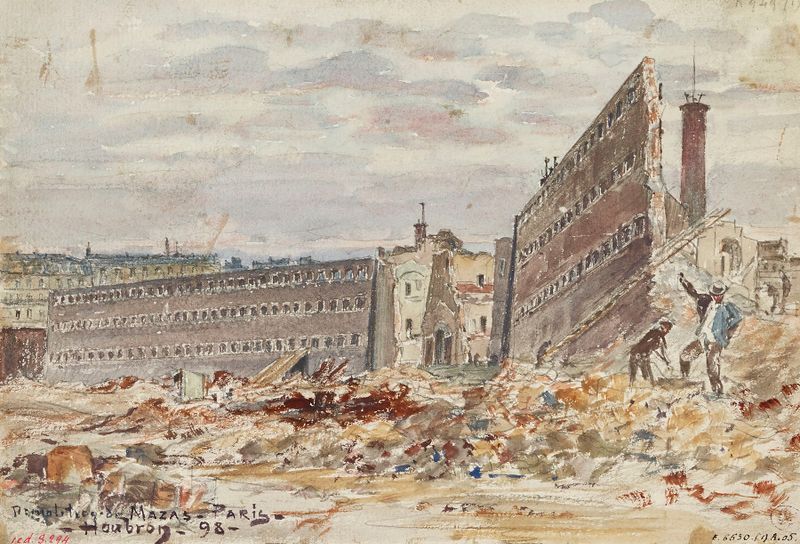
Démolition de la prison Mazas, 23, 25 boulevard Diderot (ancien boulevard Mazas)
Frédéric Houbron
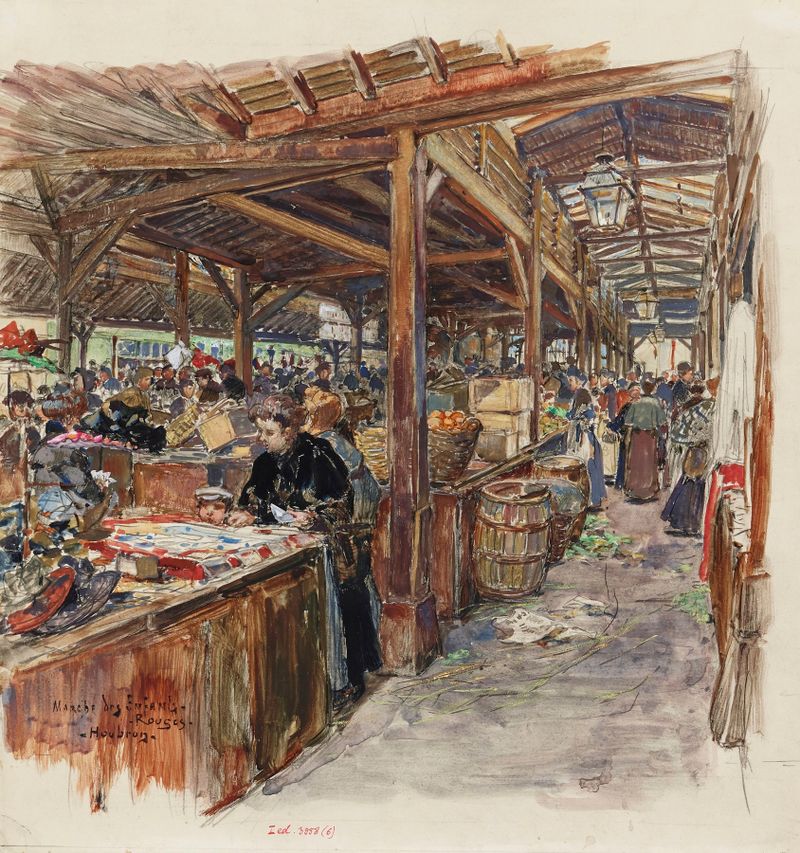
Intérieur du Marché des Enfants Rouges. 3ème arrondissement
Frédéric Houbron
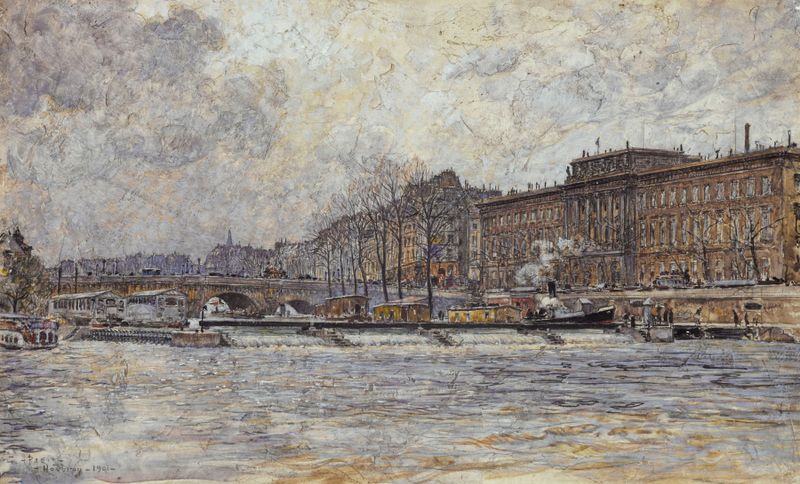
L’Hôtel de la Monnaie et le Pont-Neuf
Frédéric Houbron
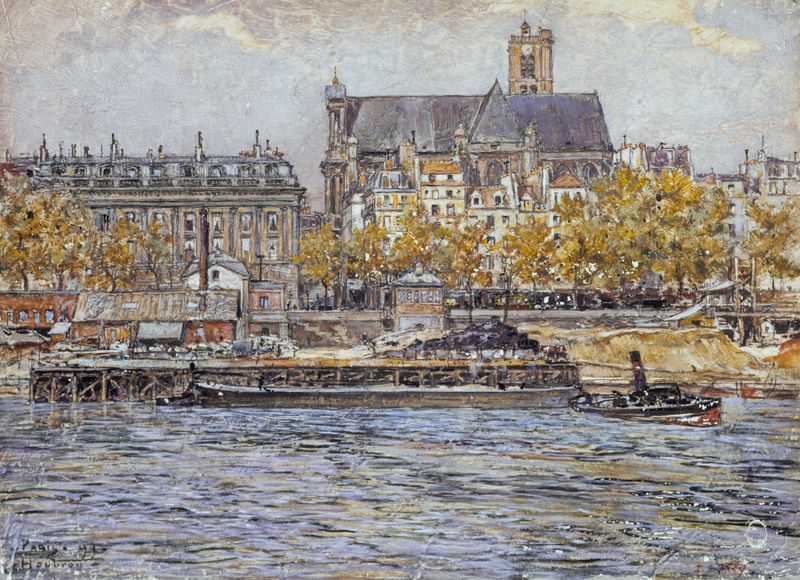
Le quai de l’Hôtel-de-Ville et l’église Saint-Gervais-Saint-Protais
Frédéric Houbron
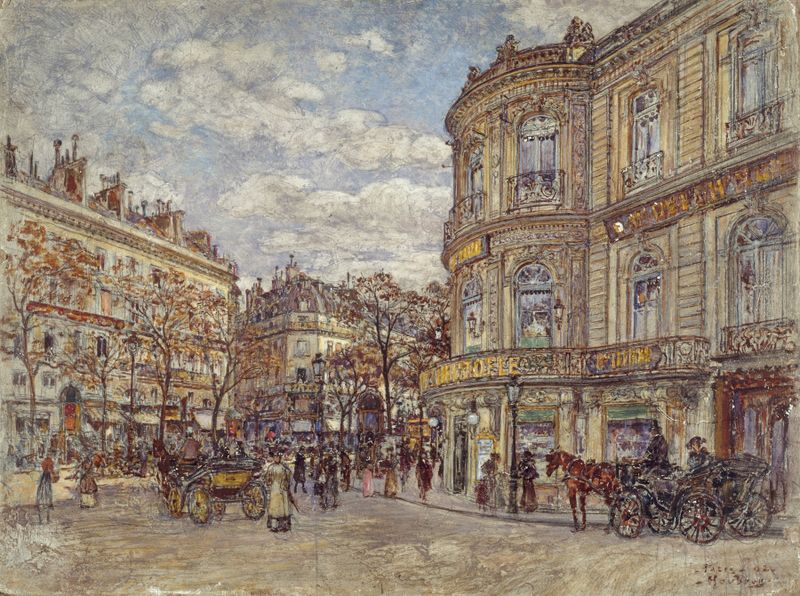
Le Pavillon de Hanovre, rue Louis-le-Grand
Frédéric Houbron

La rue du Chevalier-de-la-Barre, avec le Sacré-Cœur en construction
Frédéric Houbron
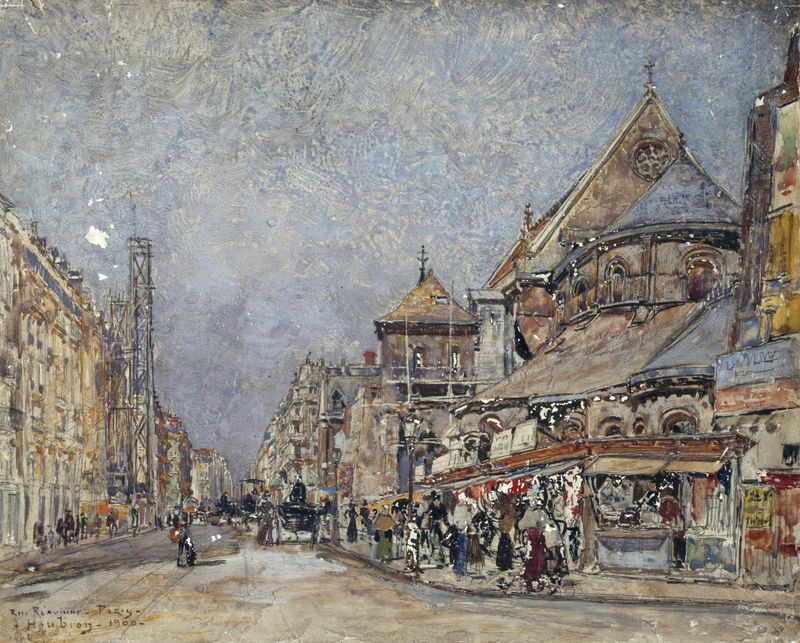
La rue Réaumur et le chevet de l’église Saint-Martin-des-Champs
Frédéric Houbron
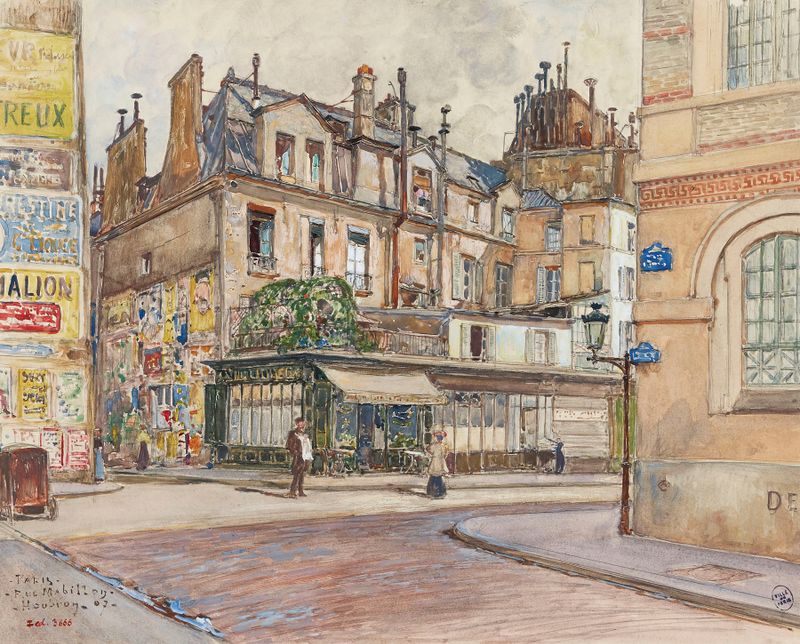
Angle rue Mabillon et rue Clément, en 1907. 5ème et 6ème arrondissements
Frédéric Houbron
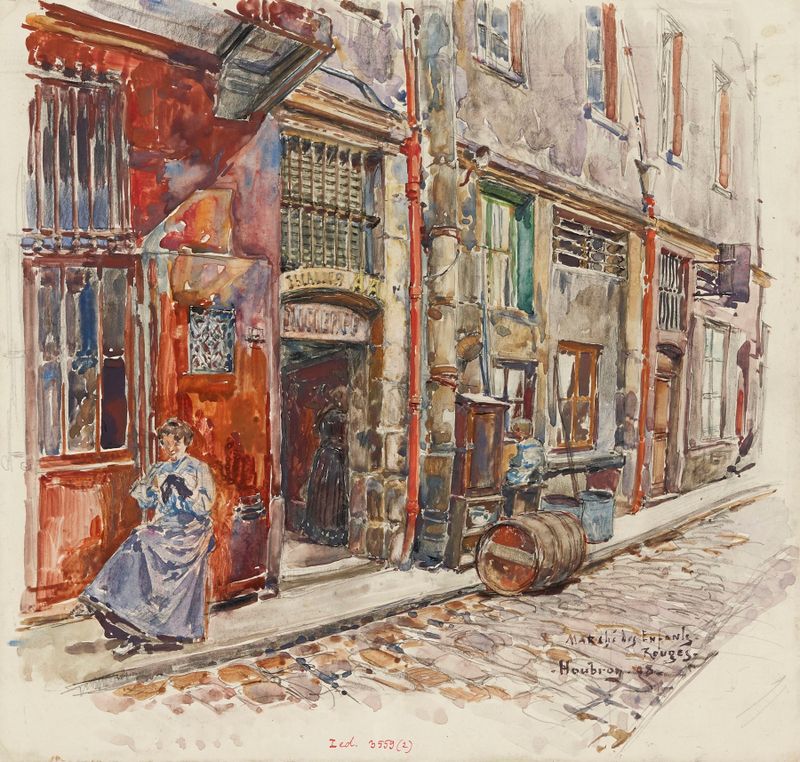
Entrée escalier A du Marché des Enfants-Rouges, en 1908. 3ème arrondissement
Frédéric Houbron
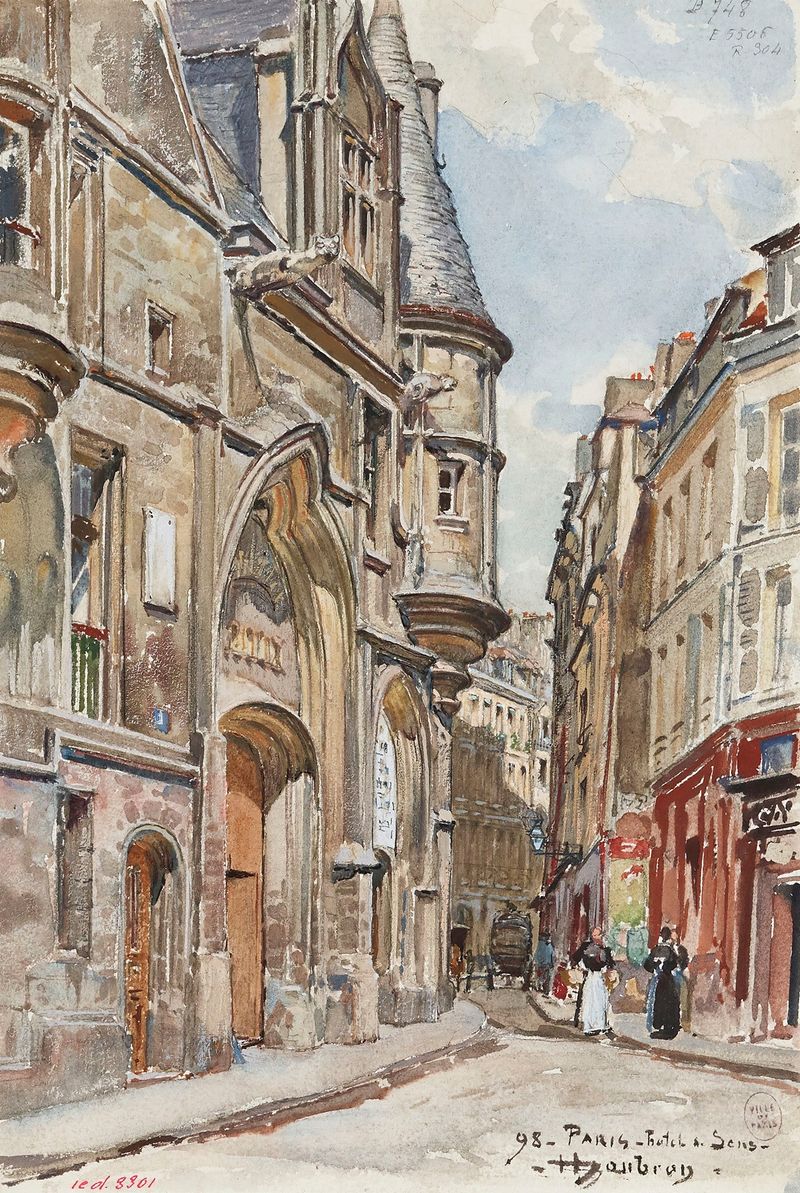
l’Hôtel de Sens, 1 rue du Figuier, en 1898, 4ème arrondissement
Frédéric Houbron





