
La rue du Chevalier-de-la-Barre, avec le Sacré-Cœur en construction — History & Facts
Can beauty exist without sorrow? In La rue du Chevalier-de-la-Barre, avec le Sacré-Cœur en construction, we encounter a poignant tableau where the splendor of creation is shadowed by the weight of inevitability. Look to the left at the emerging silhouette of the Sacré-Cœur, its grand arches reaching for the sky yet still shrouded in scaffolding. Notice how the light bathes the scene in a soft golden hue, illuminating the cobblestone street that winds through the heart of Paris. The interplay of warm tones against cooler shadows captures a moment suspended in time, inviting an exploration of both place and purpose.
The figures in the foreground—each immersed in their daily lives—speak to the human element that breathes life into this bustling thoroughfare. Delve deeper into the contrast between the unfinished architecture and the lively street, a metaphor for dreams both realized and deferred. The construction site, a harbinger of change, evokes a sense of tension as it exists alongside the palpable vibrancy of the city. The children playing nearby embody innocence, unaware of the looming weight of history and the challenges that accompany such monumental endeavors.
This juxtaposition reveals an emotional undercurrent, where beauty is inextricably linked to struggle. Frédéric Houbron painted this piece in 1899 during a period of artistic exploration in Paris, as the city was in a state of transformation. The late 19th century was marked by a blend of traditional and modern influences, with burgeoning movements like Impressionism reshaping the artistic landscape. This artwork reflects both the anticipation of a new architectural symbol in the city and the artist's own embrace of the changing world around him, highlighting the intricate dance of progress and nostalgia.
More Artworks by Frédéric Houbron
Browse all →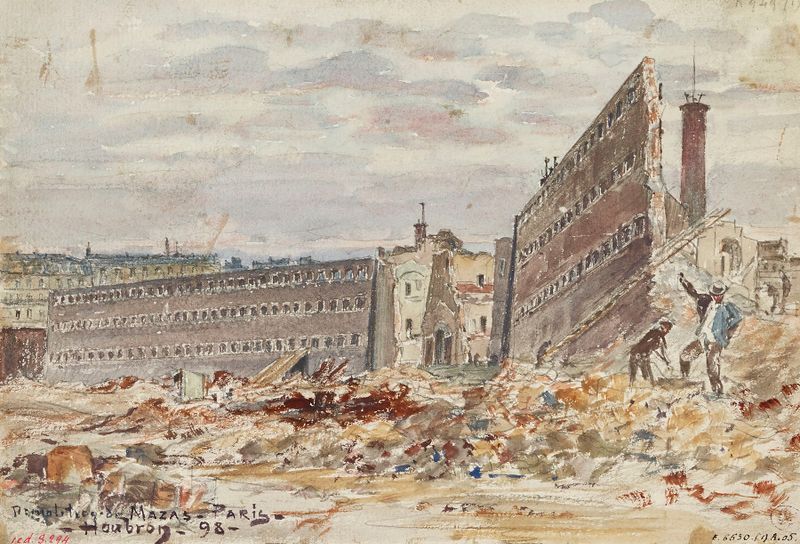
Démolition de la prison Mazas, 23, 25 boulevard Diderot (ancien boulevard Mazas)
Frédéric Houbron
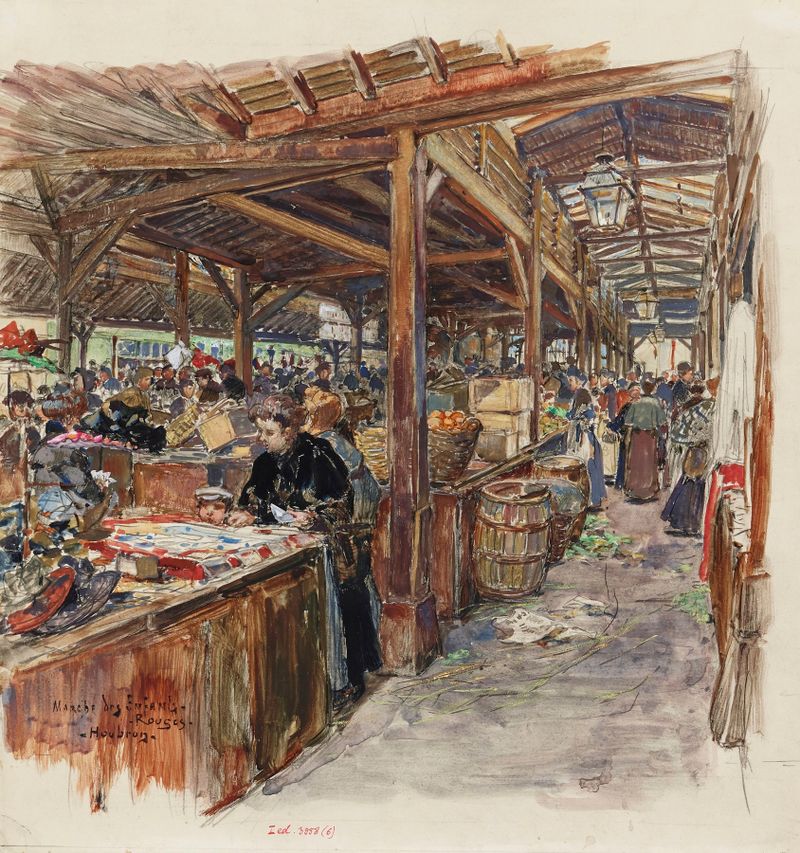
Intérieur du Marché des Enfants Rouges. 3ème arrondissement
Frédéric Houbron
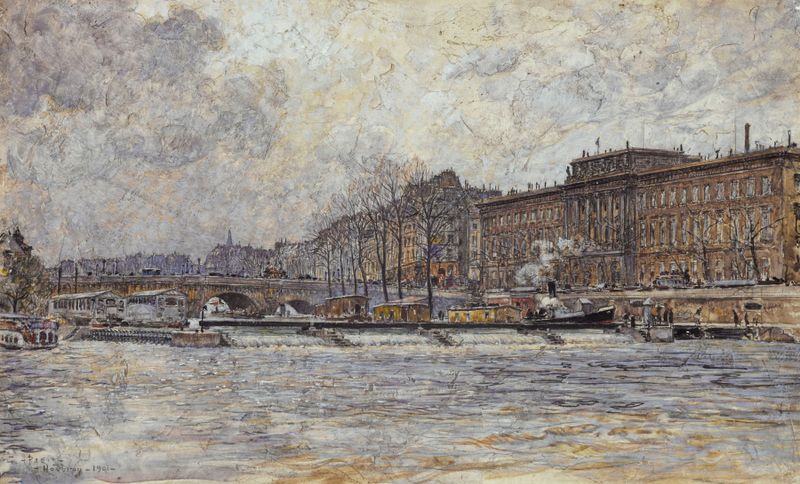
L’Hôtel de la Monnaie et le Pont-Neuf
Frédéric Houbron

Quai des Orfèvres. Paris. 1906
Frédéric Houbron
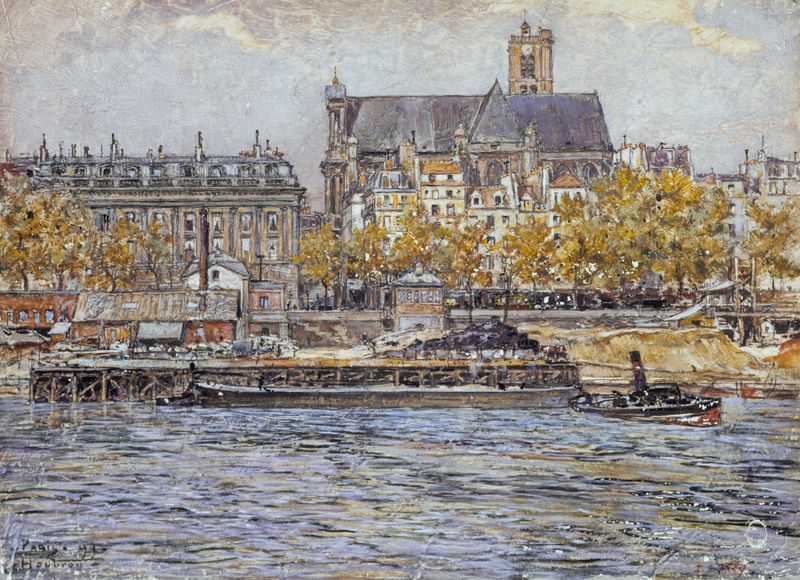
Le quai de l’Hôtel-de-Ville et l’église Saint-Gervais-Saint-Protais
Frédéric Houbron
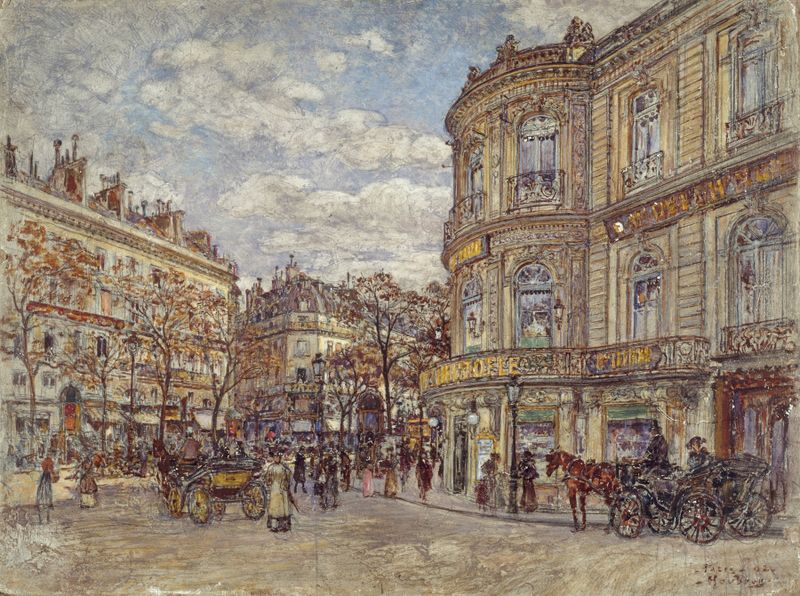
Le Pavillon de Hanovre, rue Louis-le-Grand
Frédéric Houbron
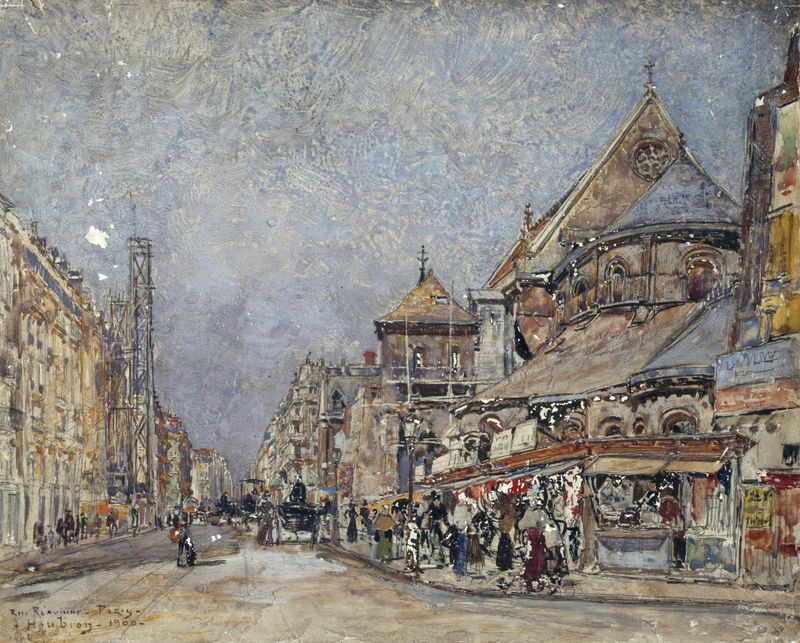
La rue Réaumur et le chevet de l’église Saint-Martin-des-Champs
Frédéric Houbron
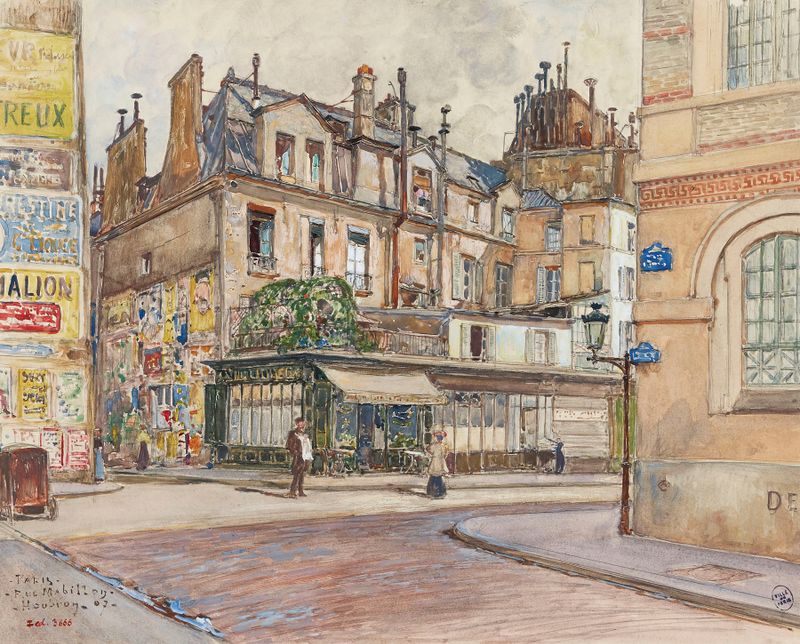
Angle rue Mabillon et rue Clément, en 1907. 5ème et 6ème arrondissements
Frédéric Houbron
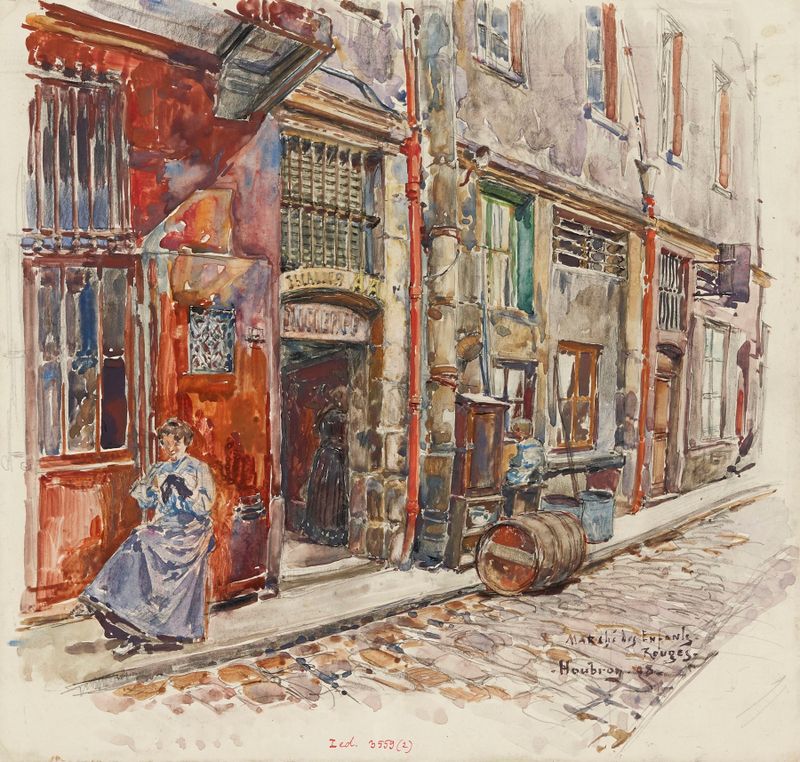
Entrée escalier A du Marché des Enfants-Rouges, en 1908. 3ème arrondissement
Frédéric Houbron
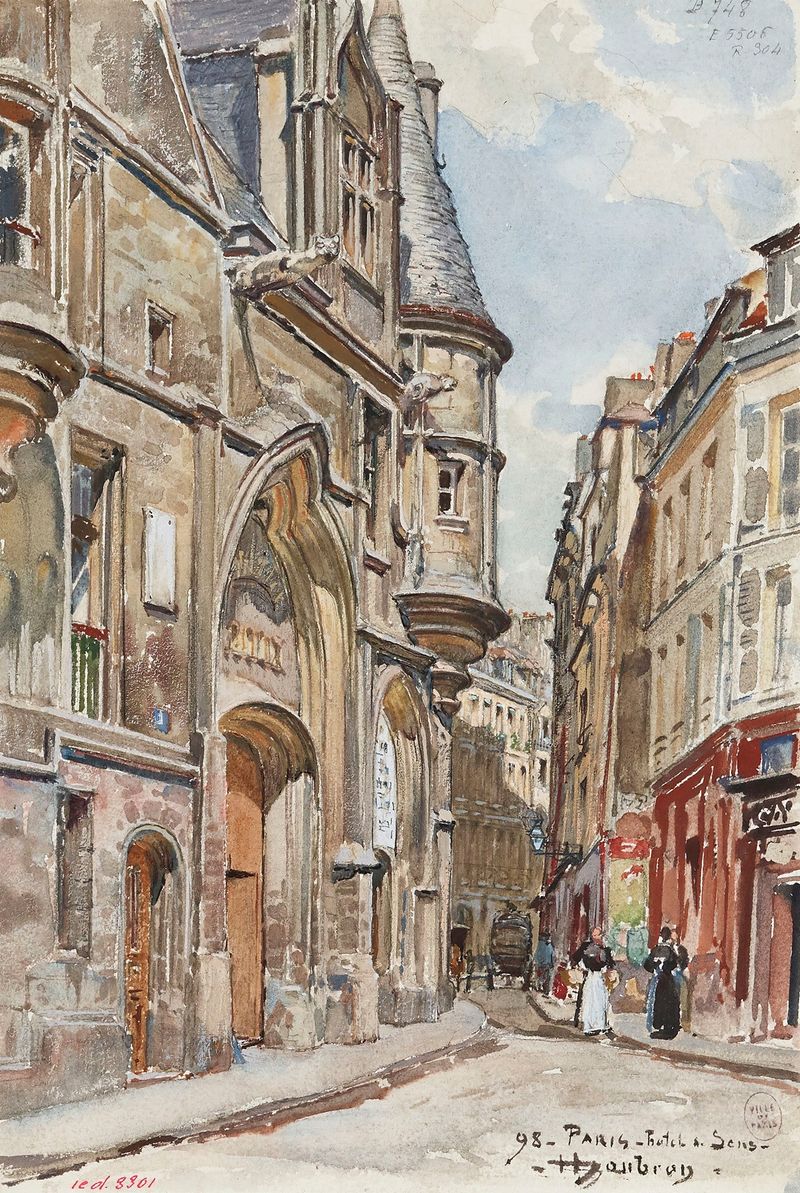
l’Hôtel de Sens, 1 rue du Figuier, en 1898, 4ème arrondissement
Frédéric Houbron
More Architecture Art
Browse all →
The statue of Liberty
Frédéric Auguste Bartholdi

View of Houses in Delft, Known as ‘The Little Street’
Johannes Vermeer

View of Houses in Delft, Known as ‘The Little Street’
Johannes Vermeer

The Cathedral in Rouen. The portal, Grey Weather
Claude Monet

The yellow house
Vincent van Gogh

The Church in Auvers-sur-Oise, View from the Chevet
Vincent van Gogh