
Démolition de la prison Mazas, 23, 25 boulevard Diderot (ancien boulevard Mazas) — History & Facts
When did color learn to lie? In the stillness of this moment, the vibrant palette speaks volumes, yet whispers of a deeper silence. Look to the center, where the crumbling facade of the prison looms, illuminated by soft morning light. The contrast between the warm tones of the stone and the cool blues of the sky creates a palpable tension. To the left, a figure stands motionless, surveying the destruction; their posture reflects both contemplation and resignation.
The meticulous brushwork and layered hues invite the viewer to linger, while the surrounding debris grounds the scene in a harsh reality. Within this tableau lies a meditation on freedom and confinement. The prison, once a symbol of captivity, now succumbs to decay, hinting at the fleeting nature of power and authority. The delicate interplay of light and shadow casts a somber aura, suggesting the silent cries of those who once inhabited its walls.
Each chipped stone seems to resonate with unvoiced stories, and the absence of life emphasizes the haunting echoes of the past. In 1898, the artist created this piece amid a transformative period in France, marked by shifts in both society and the art world. Urban expansion and modernity were redefining the landscape, while Houbron’s focus on architectural subjects reflected a growing interest in realism. This work stands as a testament to his keen observation of change and the complex emotions interwoven in the fabric of history.
More Artworks by Frédéric Houbron
Browse all →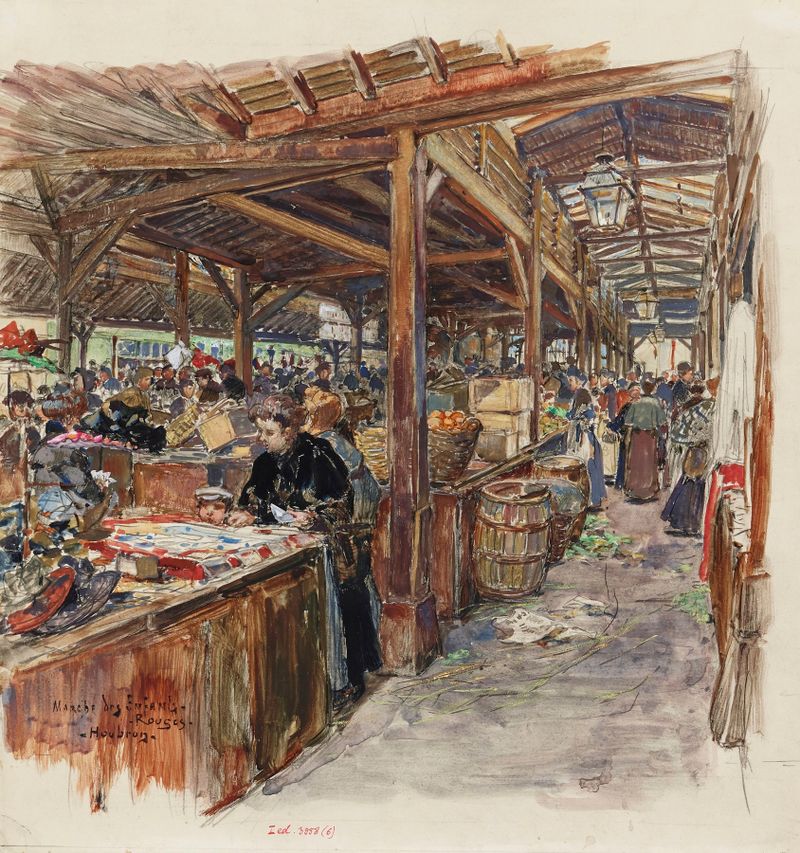
Intérieur du Marché des Enfants Rouges. 3ème arrondissement
Frédéric Houbron
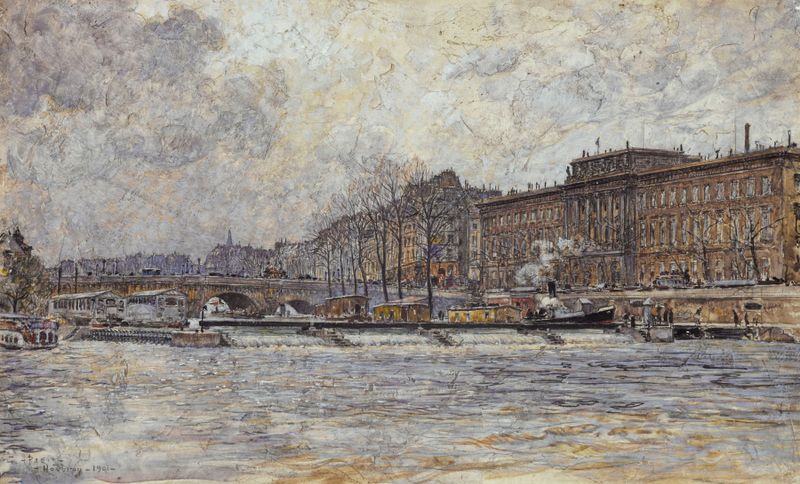
L’Hôtel de la Monnaie et le Pont-Neuf
Frédéric Houbron

Quai des Orfèvres. Paris. 1906
Frédéric Houbron
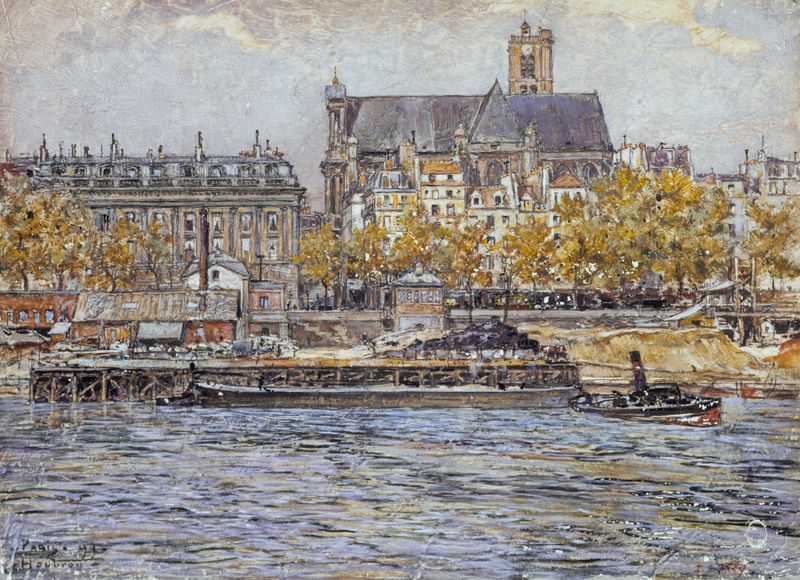
Le quai de l’Hôtel-de-Ville et l’église Saint-Gervais-Saint-Protais
Frédéric Houbron
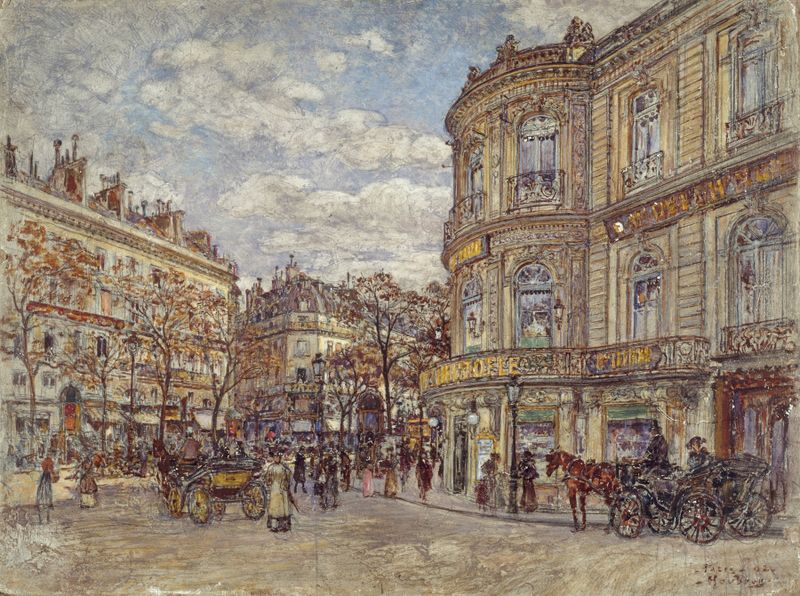
Le Pavillon de Hanovre, rue Louis-le-Grand
Frédéric Houbron

La rue du Chevalier-de-la-Barre, avec le Sacré-Cœur en construction
Frédéric Houbron
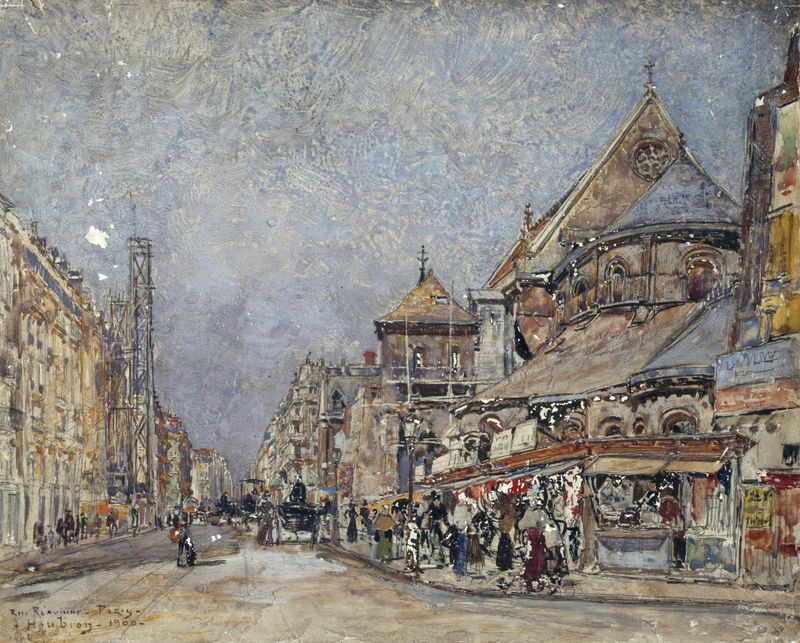
La rue Réaumur et le chevet de l’église Saint-Martin-des-Champs
Frédéric Houbron
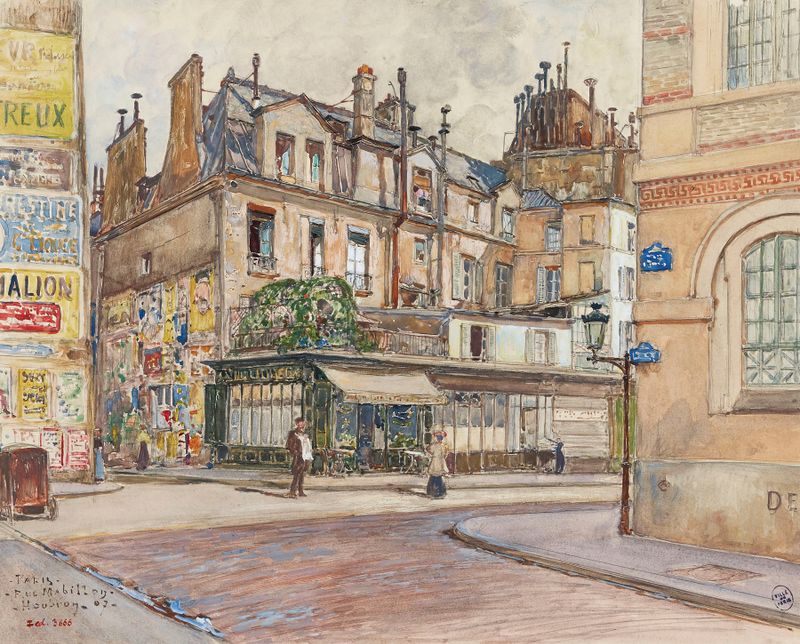
Angle rue Mabillon et rue Clément, en 1907. 5ème et 6ème arrondissements
Frédéric Houbron
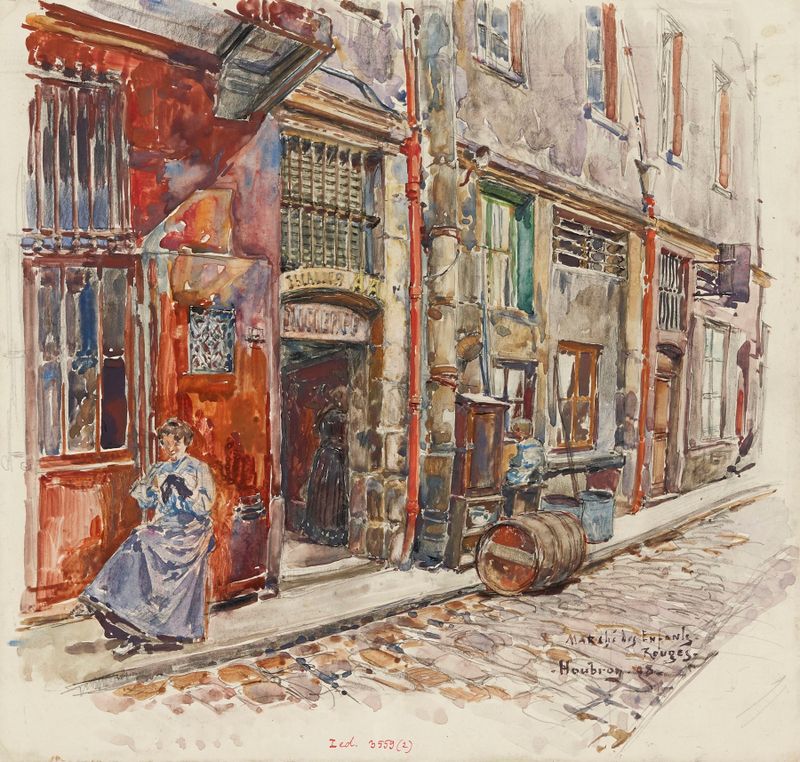
Entrée escalier A du Marché des Enfants-Rouges, en 1908. 3ème arrondissement
Frédéric Houbron
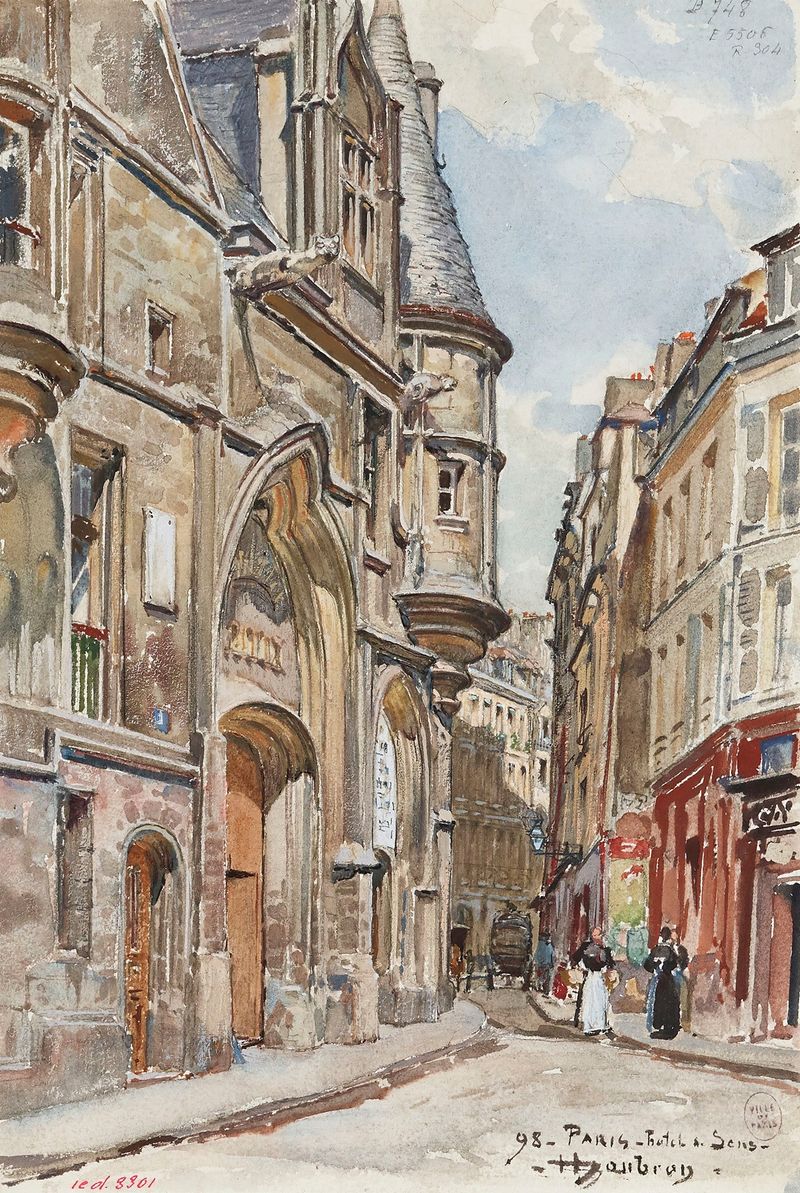
l’Hôtel de Sens, 1 rue du Figuier, en 1898, 4ème arrondissement
Frédéric Houbron
More Architecture Art
Browse all →
The statue of Liberty
Frédéric Auguste Bartholdi

View of Houses in Delft, Known as ‘The Little Street’
Johannes Vermeer

View of Houses in Delft, Known as ‘The Little Street’
Johannes Vermeer

The Cathedral in Rouen. The portal, Grey Weather
Claude Monet

The yellow house
Vincent van Gogh

The Church in Auvers-sur-Oise, View from the Chevet
Vincent van Gogh