
Angry Blows — History & Facts
The eye is caught first by the wild, spiraling energy at the heart of Angry Blows. Figures tumble and lash out, their limbs flung wide, as if the very air is thick with shouting and panic. The central figure, twisted in mid-motion, seems to be both the source and the victim of the chaos, his ragged clothes and outstretched arms drawing a jagged line through the melee.
Faces are contorted with fury or alarm, and the raised sticks—caught mid-swing—signal that this is no staged quarrel but a moment of real violence, frozen just before the next impact. The palette is stripped back to earthy browns and ochres, the brushwork loose and urgent, making the scene feel as if it’s been snatched from life and left unfinished, raw with movement. Created in 1625, Angry Blows belongs to a world where scenes of everyday conflict and folly were prized, especially in the Dutch Republic. Artists like Adriaen Pietersz van de Venne thrived in this environment, turning the rough-and-tumble of peasant life or urban strife into images that both amused and warned their viewers.
Such paintings were often commissioned by prosperous burghers who found both humor and a kind of moral lesson in these spectacles of disorder. The work now resides in the collection of the Detroit Institute of Arts, a rare survivor from an era when artists delighted in holding up a mirror to the unruly side of human nature. Stand before it, and let your eye trace the whirling chaos—every figure a fragment of a story that refuses to settle.
More Artworks by Adriaen Pietersz van de Venne
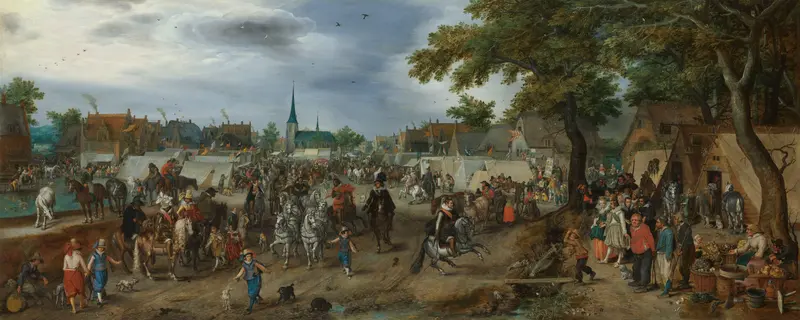
Princes Maurice and Frederick Henry at the Valkenburg Horse Fair
Adriaen Pietersz van de Venne
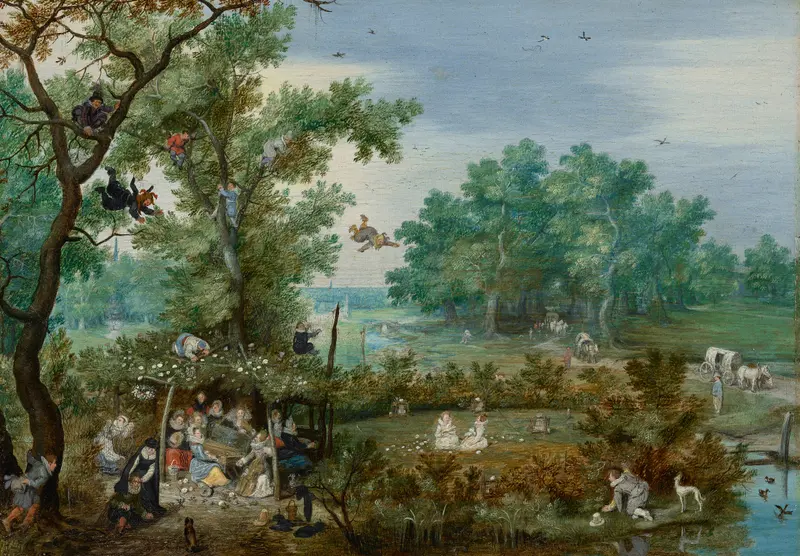
Merry Company in an Arbor
Adriaen Pietersz van de Venne
Princes Maurice and Frederick Henry at the Valkenburg Horse Fair
Adriaen Pietersz van de Venne
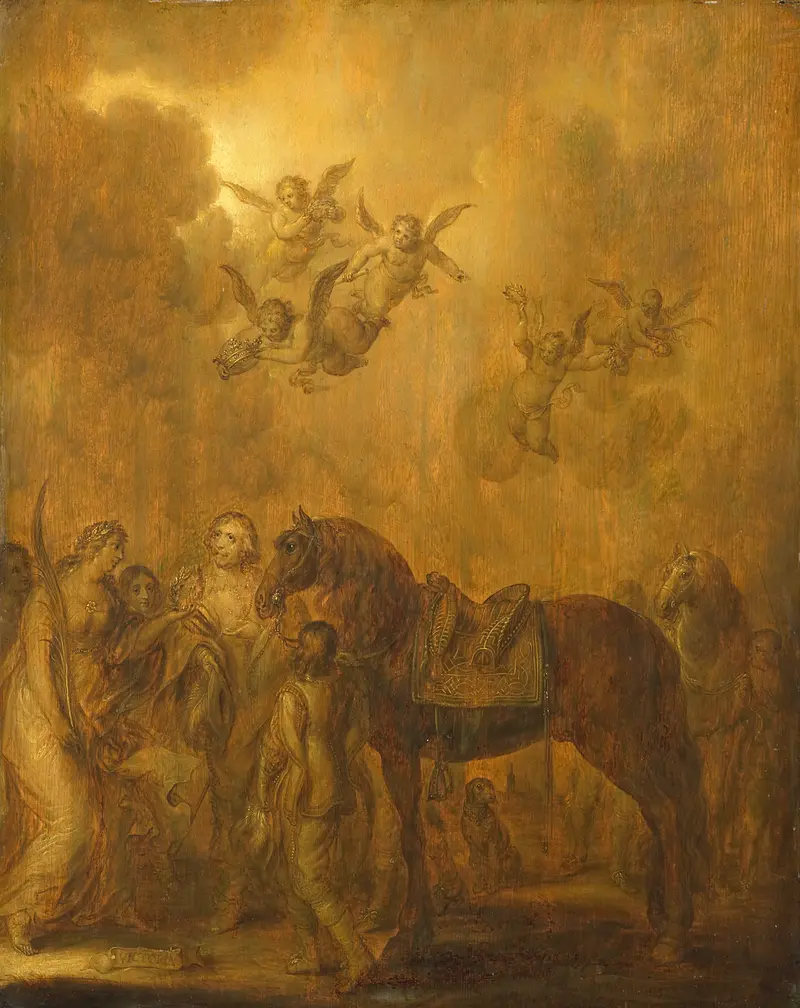
Allegory of the Stadtholdership of Prince Frederick Henry
Adriaen Pietersz van de Venne
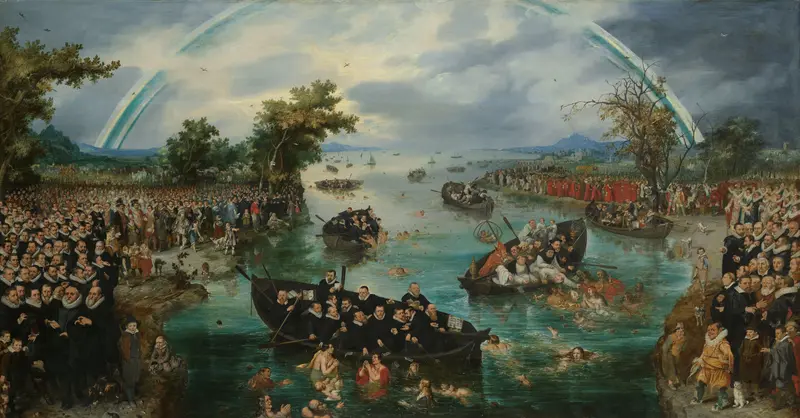
Fishing for Souls
Adriaen Pietersz van de Venne
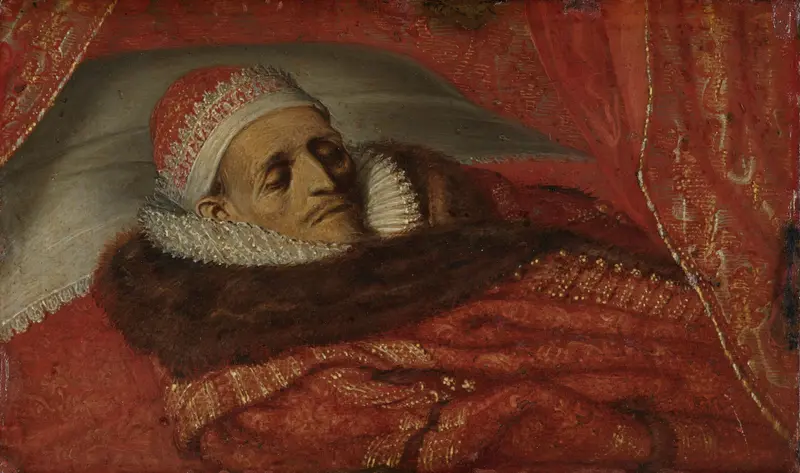
Stadtholder Prince Maurice Lying in State
Adriaen Pietersz van de Venne
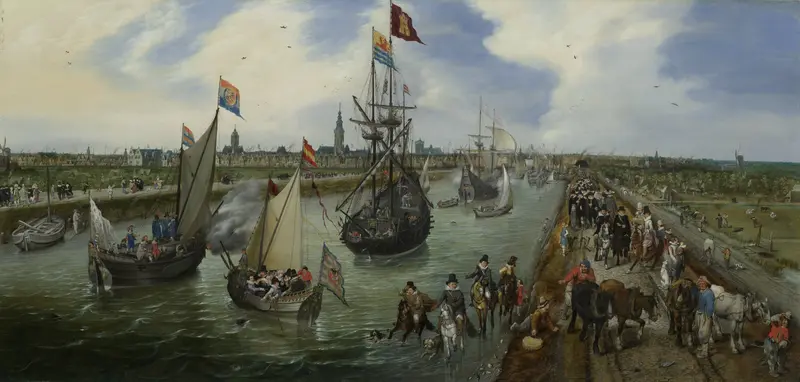
The Departure of a Dignitary from Middelburg
Adriaen Pietersz van de Venne
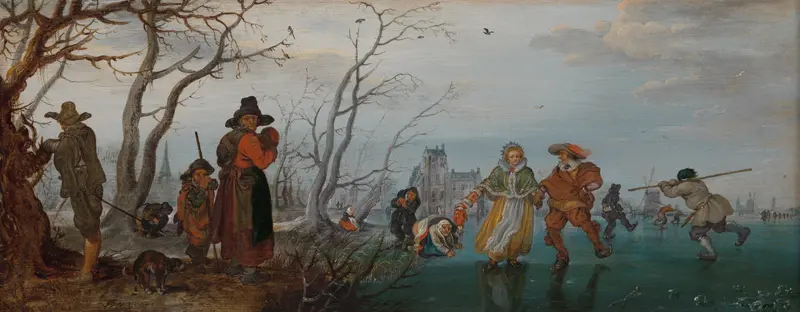
Winter
Adriaen Pietersz van de Venne

A Jeu de Paume Before a Country Palace
Adriaen Pietersz van de Venne
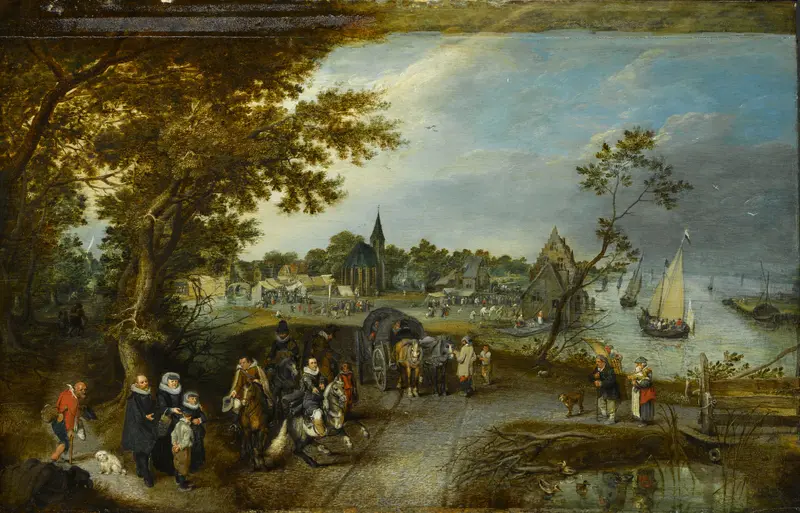
Landscape with Figures and a Village Fair (Village Kermesse)
Adriaen Pietersz van de Venne
More Genre Scene Art

Banquet of the Officers of the St George Civic Guard
Frans Hals

Rembrandt and Saskia in the Scene of the Prodigal Son
Rembrandt van Rijn

Bal du moulin de la Galette
Pierre-Auguste Renoir

Quadrille at the Moulin Rouge
Henri de Toulouse-Lautrec

A Burial at Ornans
Gustave Courbet

When Will You Marry?
Paul Gauguin