
Anton von Werner Exitium — History & Facts
A dying figure, draped in blue and gold, is caught at the threshold between worlds, his gaze fixed not on the living attendant at his side, but on the winged woman who leans toward him with a laurel crown. The bed is crowded with symbols: the statue of a youthful hero at the foot, the scattered papers tumbling to the ground, the monumental book held open by a second winged figure. Light pours across the scene, flattening the background to a field of gold, as if the drama unfolds outside of ordinary time.
The laurel, poised above the old man's brow, is both a promise and a farewell—glory offered at the very moment of departure. This is the visual language of the late nineteenth century, when allegory still held sway in the academies and artists like Anton von Werner crafted images for public spaces and private contemplation alike. Painted in 1872 as a color sketch for a mosaic frieze at the Palais Pringsheim in Berlin, this work distills the era’s fascination with the heroic end: the dying intellectual or artist, attended not only by mortal friends but by the personifications of Fame, History, or Memory. Such images were often commissioned to elevate civic spaces, their purpose both didactic and commemorative, reminding viewers of the rewards of achievement and the inevitability of mortality.
Few traces remain of the original context for this sketch, but its theatrical clarity and symbolic richness invite us to linger, searching the faces for the moment when the laurel passes from hand to brow.
More Artworks by Anton von Werner

In the Troops' Quarters before Paris
Anton von Werner
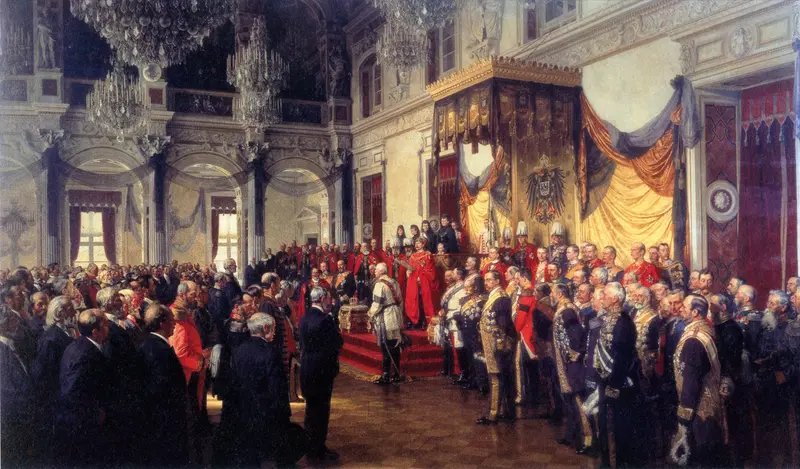
Opening of the Reichstag
Anton von Werner
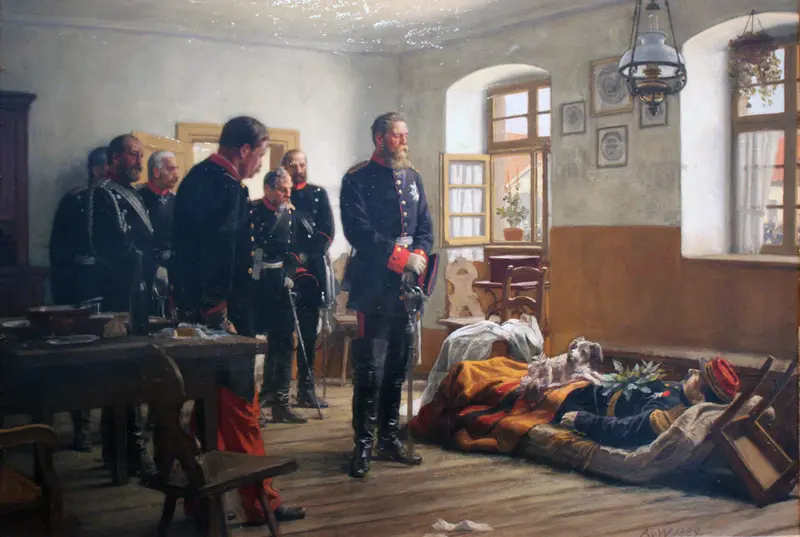
Crown Prince Friedrich Wilhelm on the body of General Abel Douay, Weissenburg on the 4th August
Anton von Werner
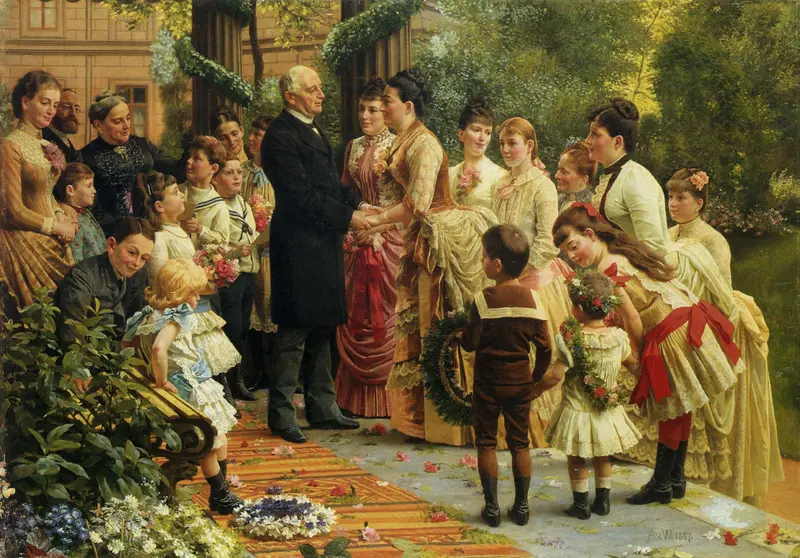
The 70th Birthday of Commercial Councilor Valentin Manheimer
Anton von Werner
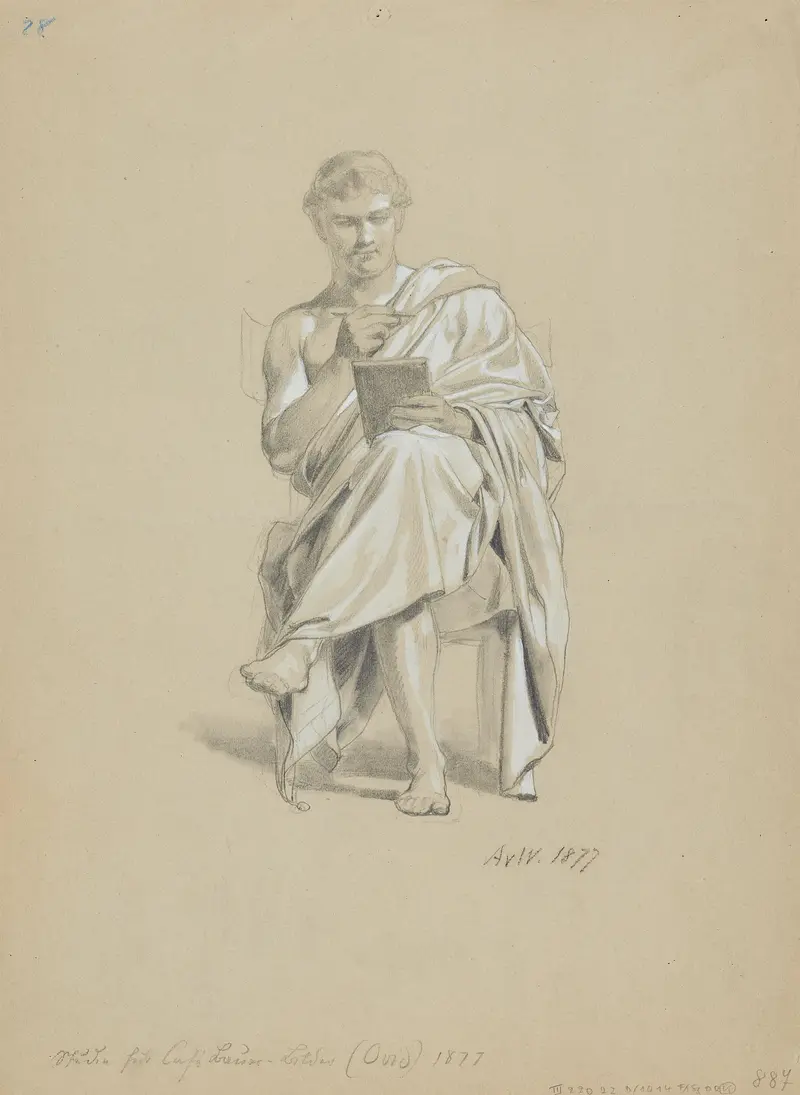
Ovid
Anton von Werner
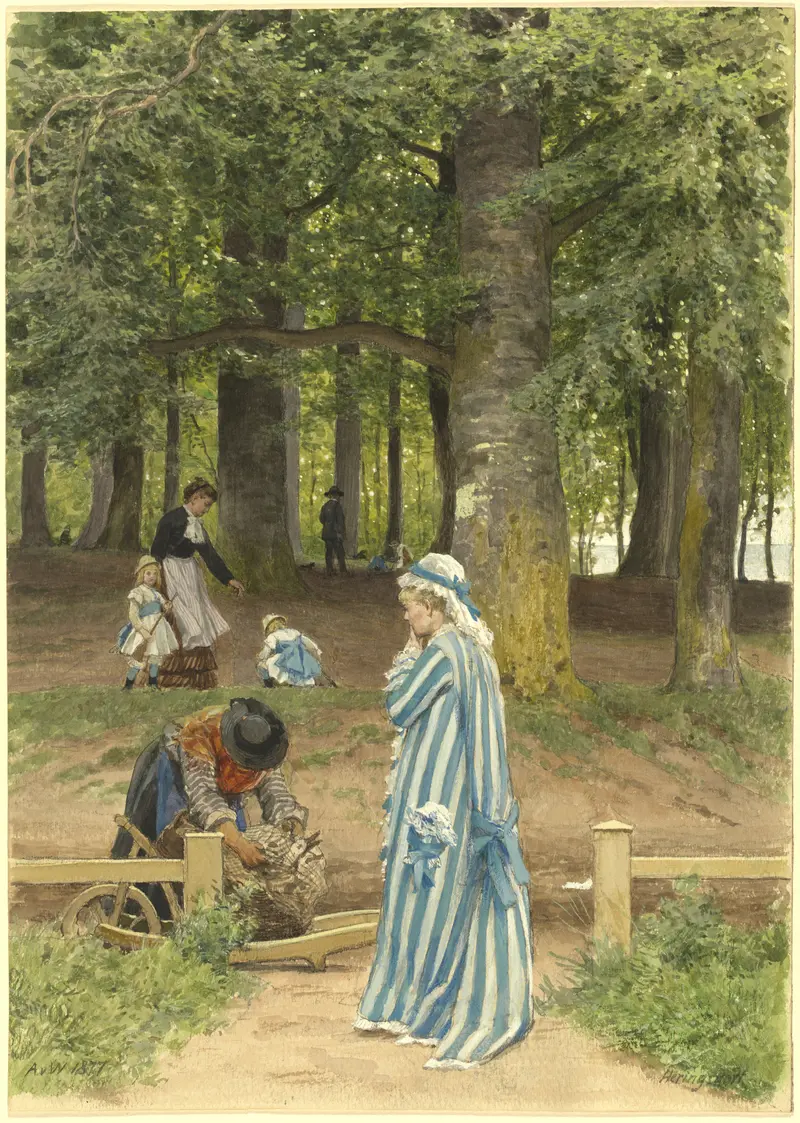
The Artist's Wife and Daughters in a Park at Heringsdorf
Anton von Werner
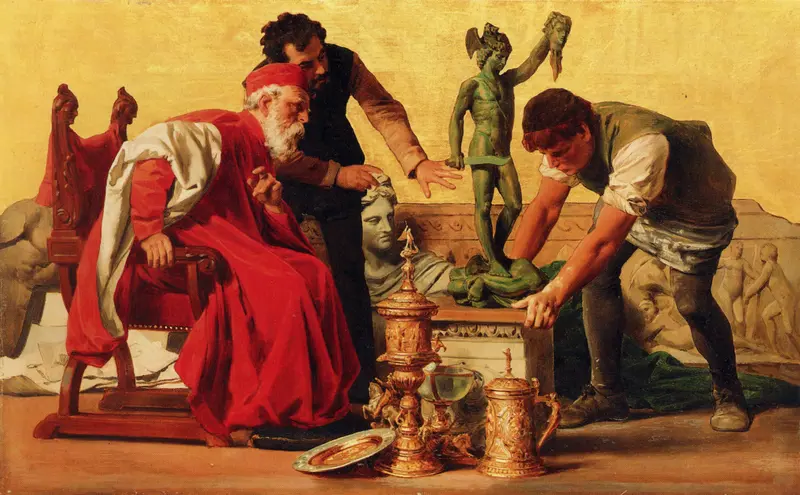
Anton von Werner Ars
Anton von Werner
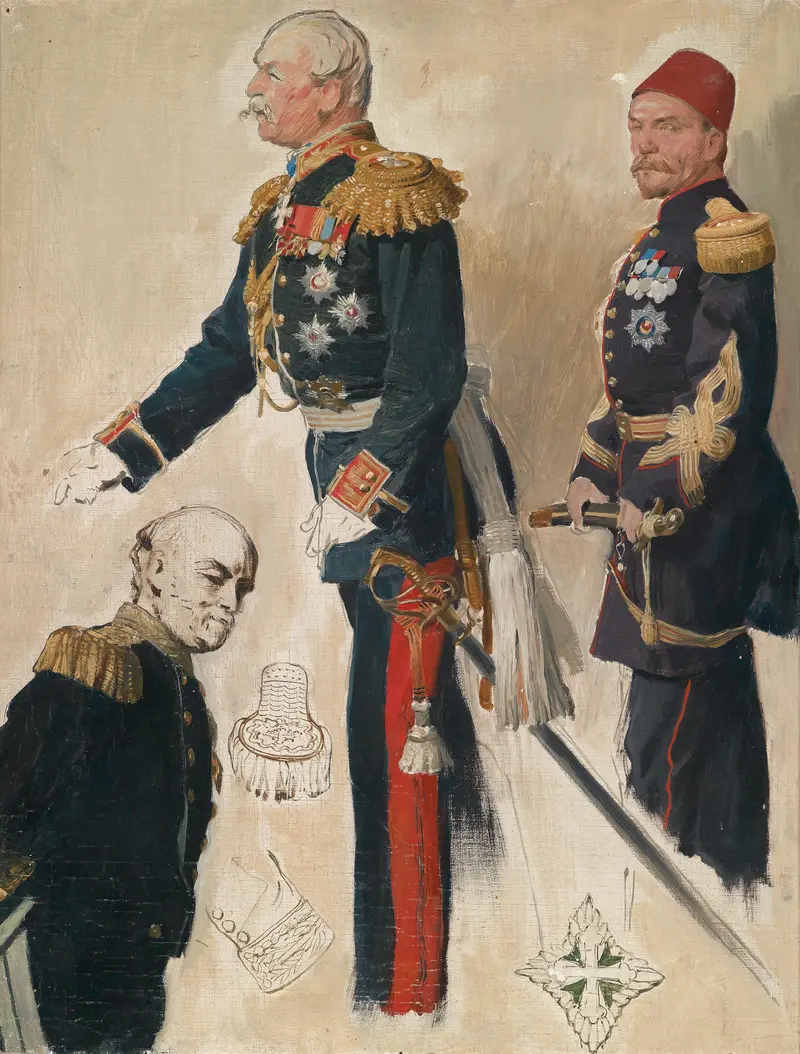
Berliner Kongress Ölskizze
Anton von Werner

LeopoldWerner
Anton von Werner
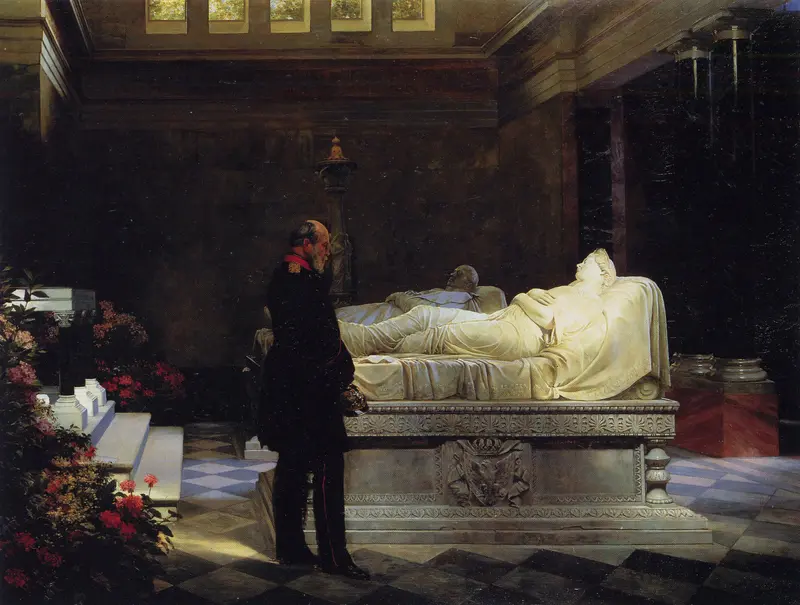
Anton von Werner: Am 19. Juli 1870 (König Wilhelm am Sakrophag seiner Mutter, der Königin Luise, im Mausoleum zu Charlottenburg)
Anton von Werner





