Apont — History & Facts
What if beauty was never meant to be finished? In Apont, Johann Friedrich Wagner invites us to witness the chaotic dance between form and formlessness, leaving us suspended between creation and destruction. Look to the center of the canvas, where tumultuous brushstrokes collide, revealing swirling shapes that suggest figures and landscapes simultaneously. Notice how vibrant reds and deep blues intermingle, creating an electric tension that commands attention. The use of chiaroscuro draws your gaze towards the chaotic heart of the painting, where light and shadow play a vital role in emphasizing the emotional depth inherent in the work. At first glance, the chaotic elements may seem disordered, yet they embody a deeper struggle between stability and turmoil.
The juxtaposition of vibrant colors against darker tones suggests an underlying sense of conflict, as if beauty itself is both alluring and unsettling. Each stroke appears to echo a fleeting moment, a reminder of the fragility of creation amid the chaos of existence. Wagner painted Apont between 1840 and 1844, during a time when Romanticism was shaping the arts across Europe. This period was marked by a profound exploration of emotion and the sublime in art, influenced by the social upheaval and industrialization of the era.
Wagner, captivated by the tumult of his surroundings, used this phase in his career to delve into the philosophy of beauty and chaos, setting the stage for future movements.
More Artworks by Johann Friedrich Wagner
Browse all →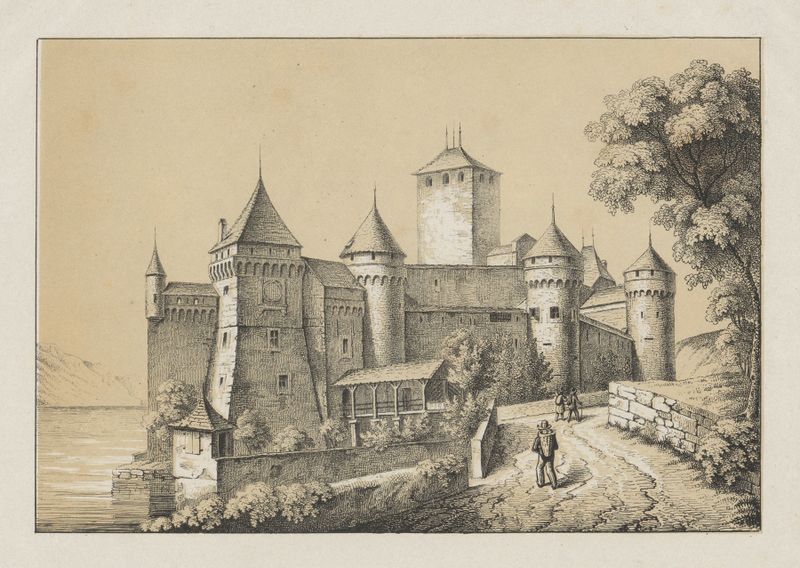
Chillon
Johann Friedrich Wagner

Valangin
Johann Friedrich Wagner
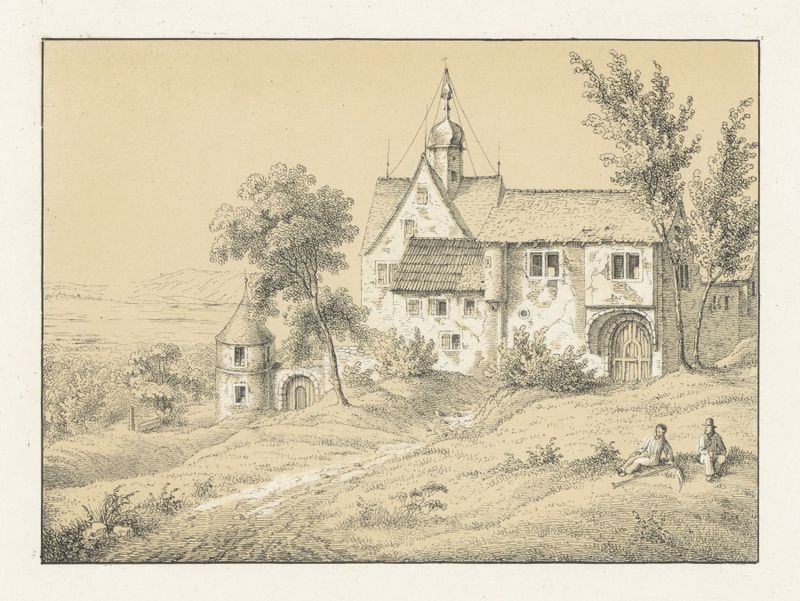
Greifenstein
Johann Friedrich Wagner

Vorburg
Johann Friedrich Wagner
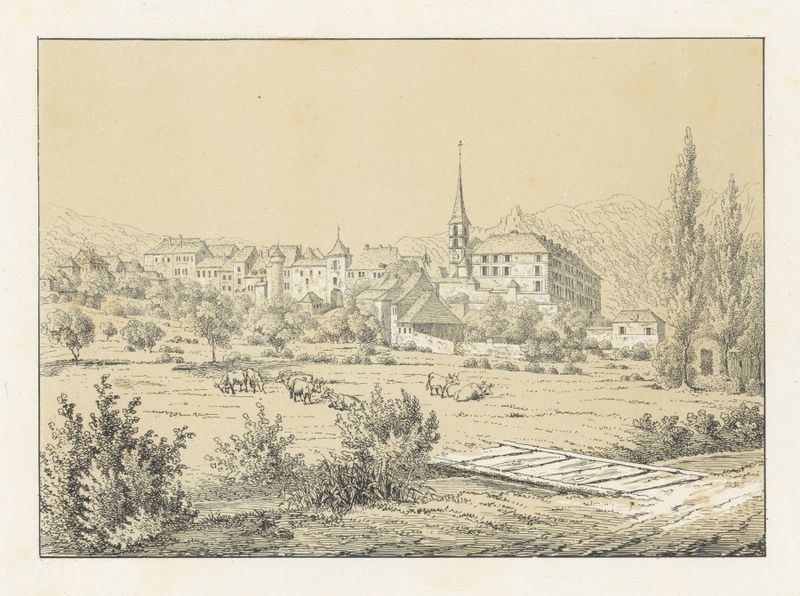
Delémont
Johann Friedrich Wagner

Pleujouse
Johann Friedrich Wagner

Challay
Johann Friedrich Wagner
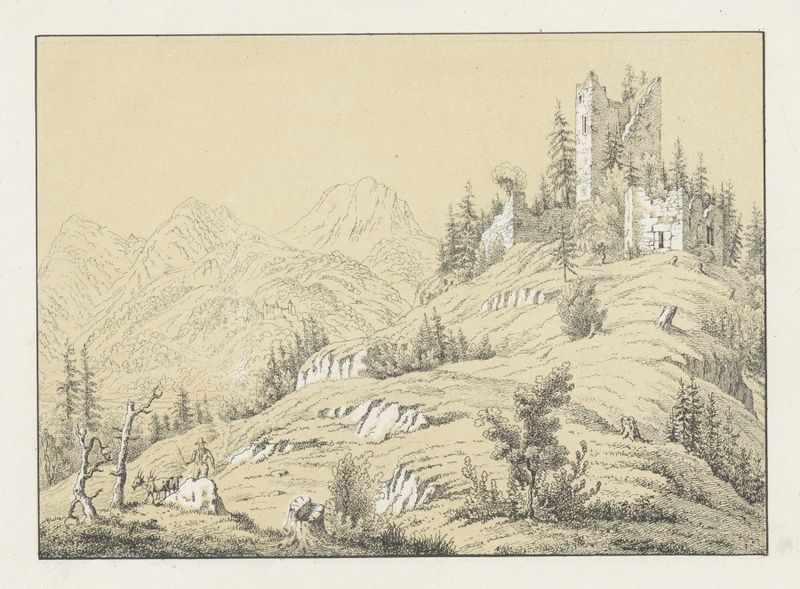
Mont Salvant
Johann Friedrich Wagner
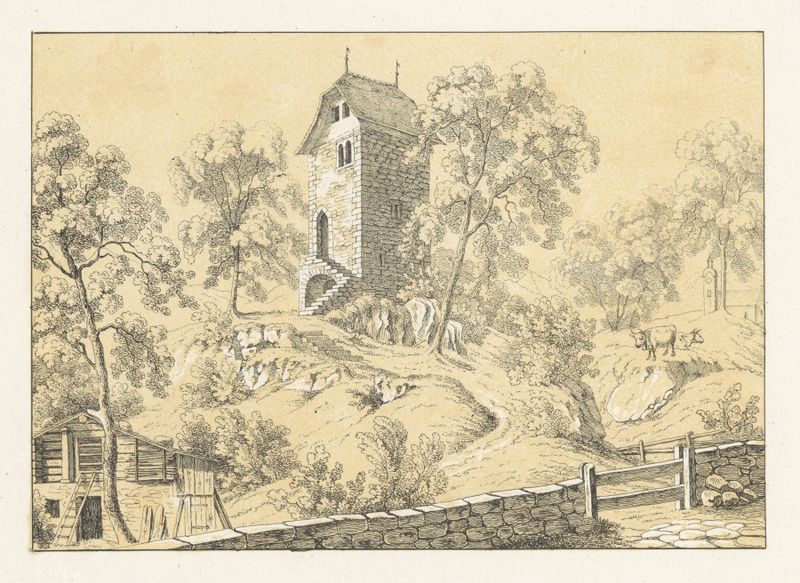
Aha. Od. Untere Burg von Sarnen
Johann Friedrich Wagner
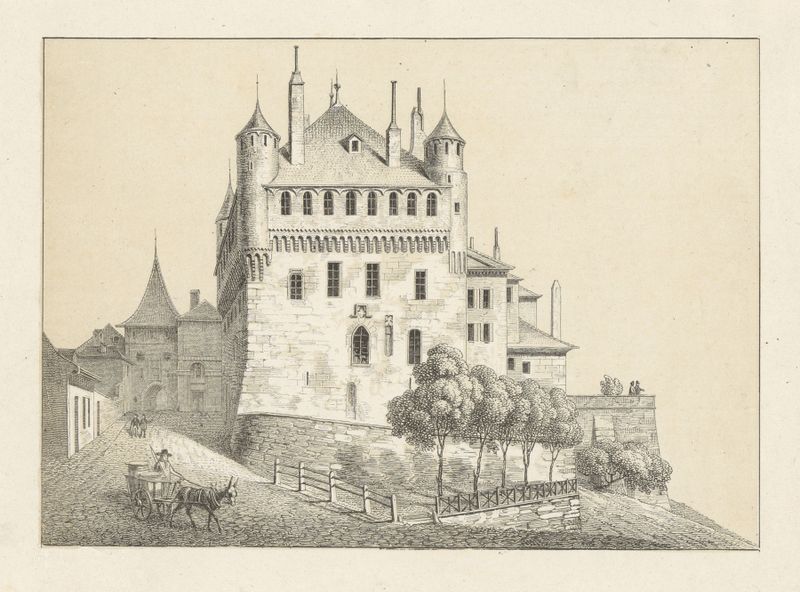
Lausanne
Johann Friedrich Wagner