Applique — History & Facts
When did color learn to lie? In the depths of time, hues whisper secrets, weaving together stories of lives once lived and dreams long forgotten. An intricate tapestry unfolds, a silent dialogue between the past and the present, inviting viewers to ponder the layers beneath the vibrant surface. Focus on the intricate patterns that dance across the fabric, each stitch breathing life into the narrative of Applique. Notice how the bold colors clash and harmonize, creating a visual symphony that draws the eye into its depths.
The artist's meticulous craftsmanship shines through, as the texture reveals subtle shades that shift with the light, suggesting an ever-changing story that invites interpretation. As you delve deeper, consider the emotional tensions that emerge from the juxtaposition of patterns and colors. The juxtaposition of sharp contrasts speaks to the struggle between tradition and innovation, while the fluidity of the forms hints at the passage of time and the ephemeral nature of existence. These details resonate with a sense of nostalgia, as if the fabric yearns to share its history with those who gaze upon it. Created between 1700 and 1800 by an unknown artist, this piece reflects a time when textiles served as both utility and art.
In an era marked by exploration and cultural exchange, appliqué techniques flourished, allowing artisans to explore new forms of expression. The anonymity of the creator speaks to the collective spirit of craftsmanship that transcended individual recognition, a testament to the enduring power of art through the ages.
More Artworks by Unknown Artist
Browse all →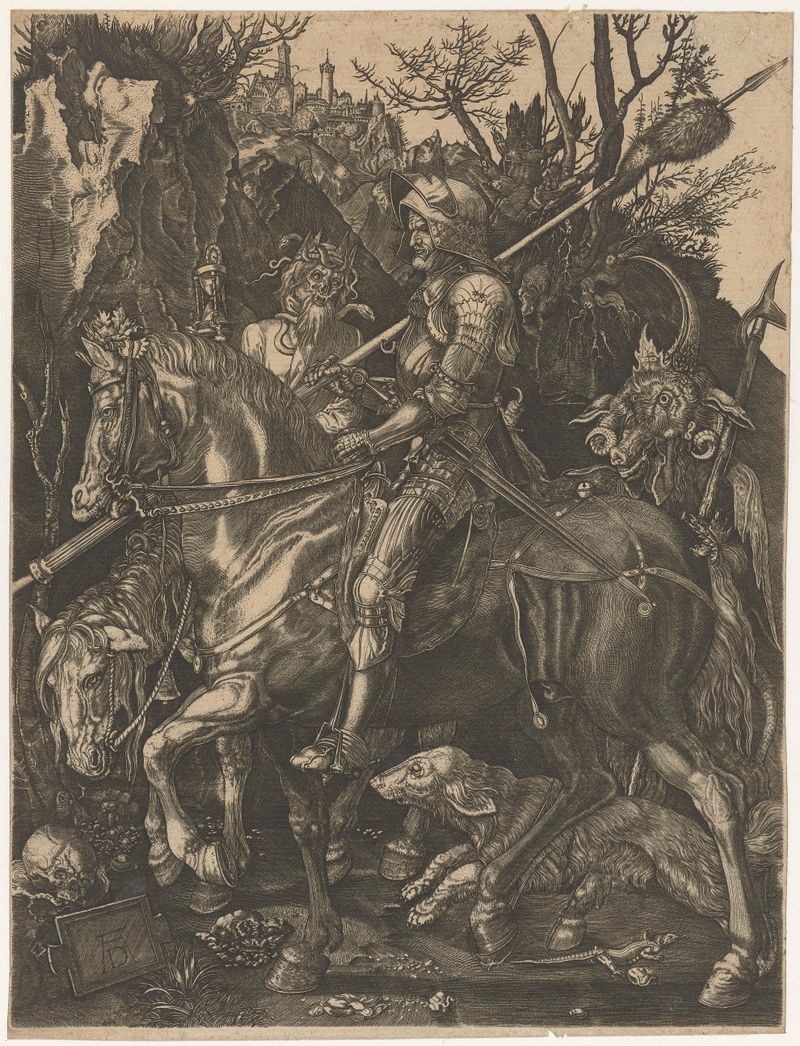
Ridder, Dood en Duivel
Unknown Artist
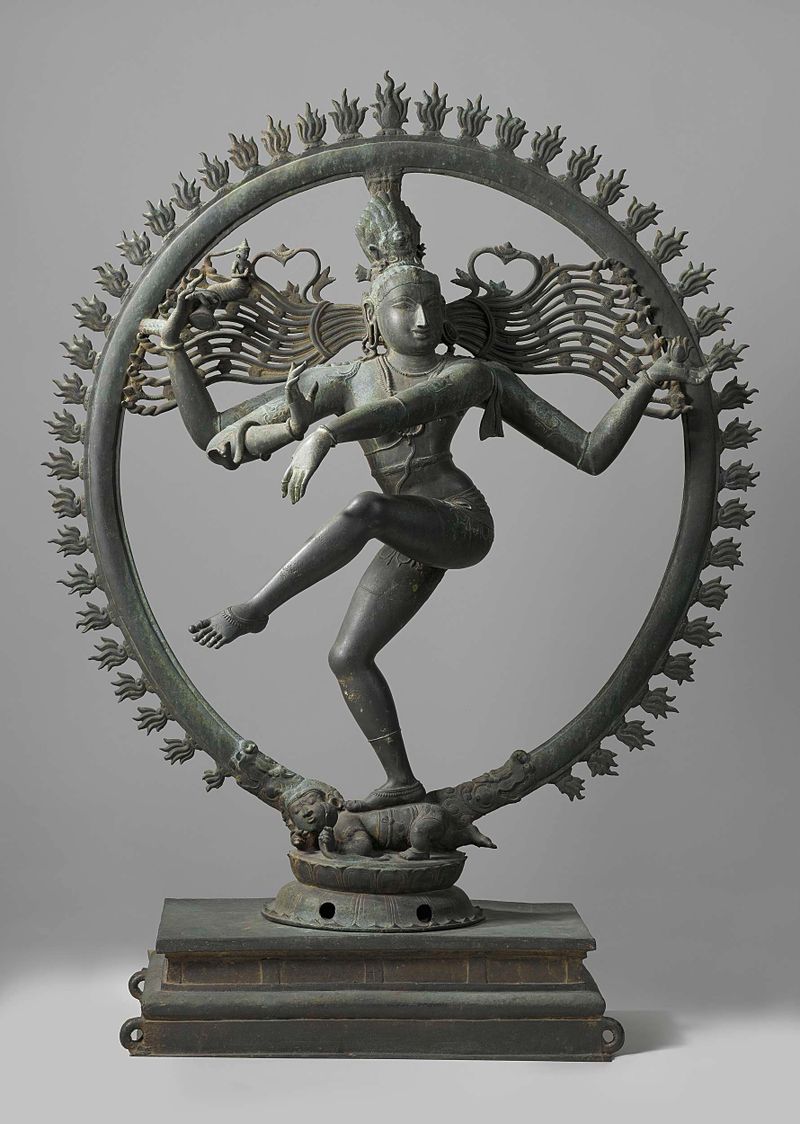
Shiva Nataraja
Unknown Artist
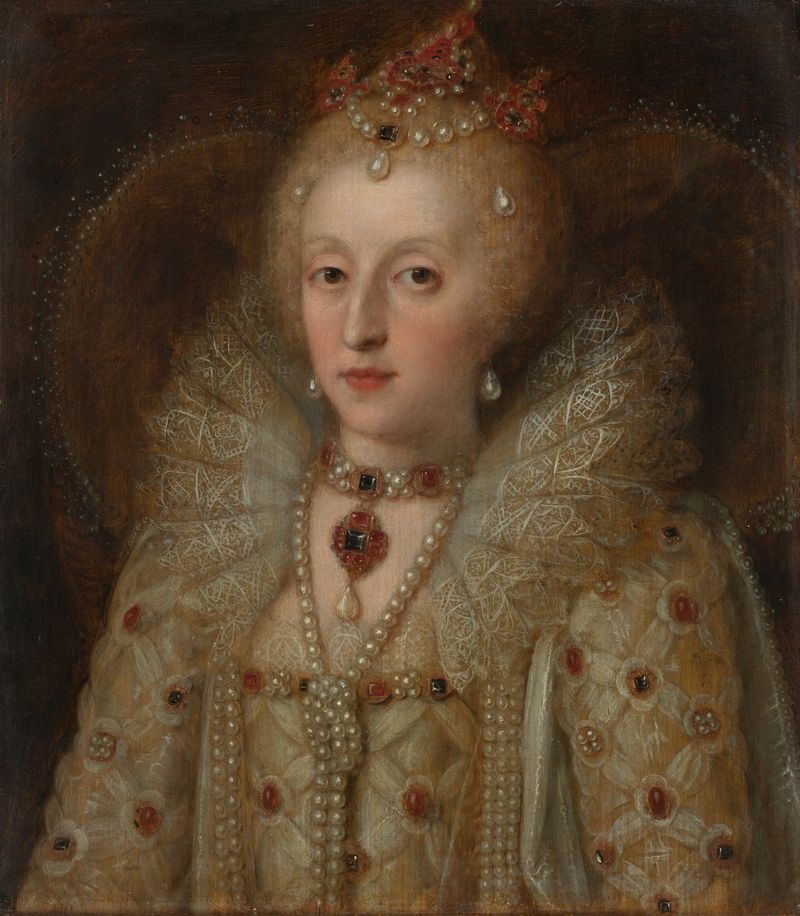
Portrait of Elizabeth I, Queen of England
Unknown Artist
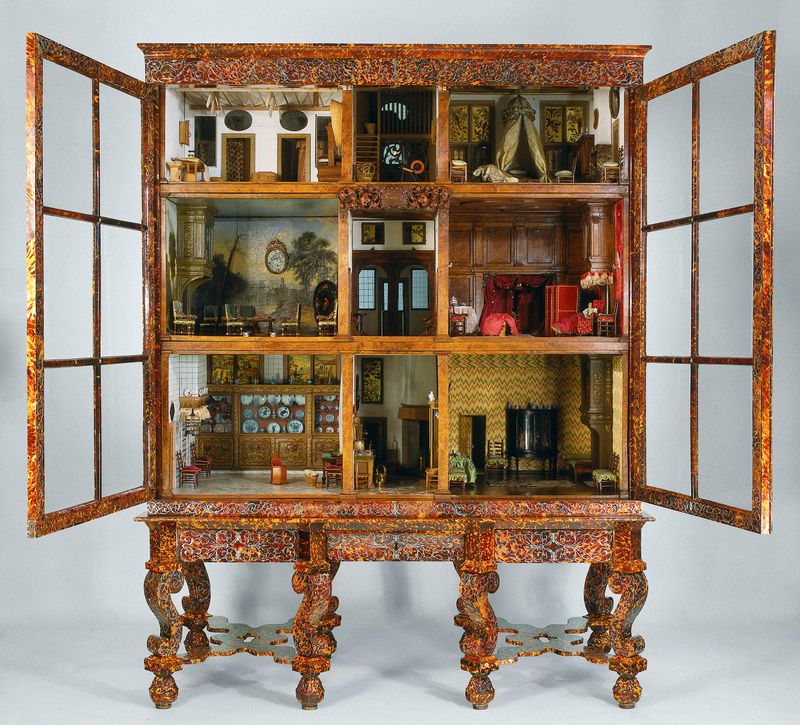
Dolls’ house of Petronella Oortman
Unknown Artist
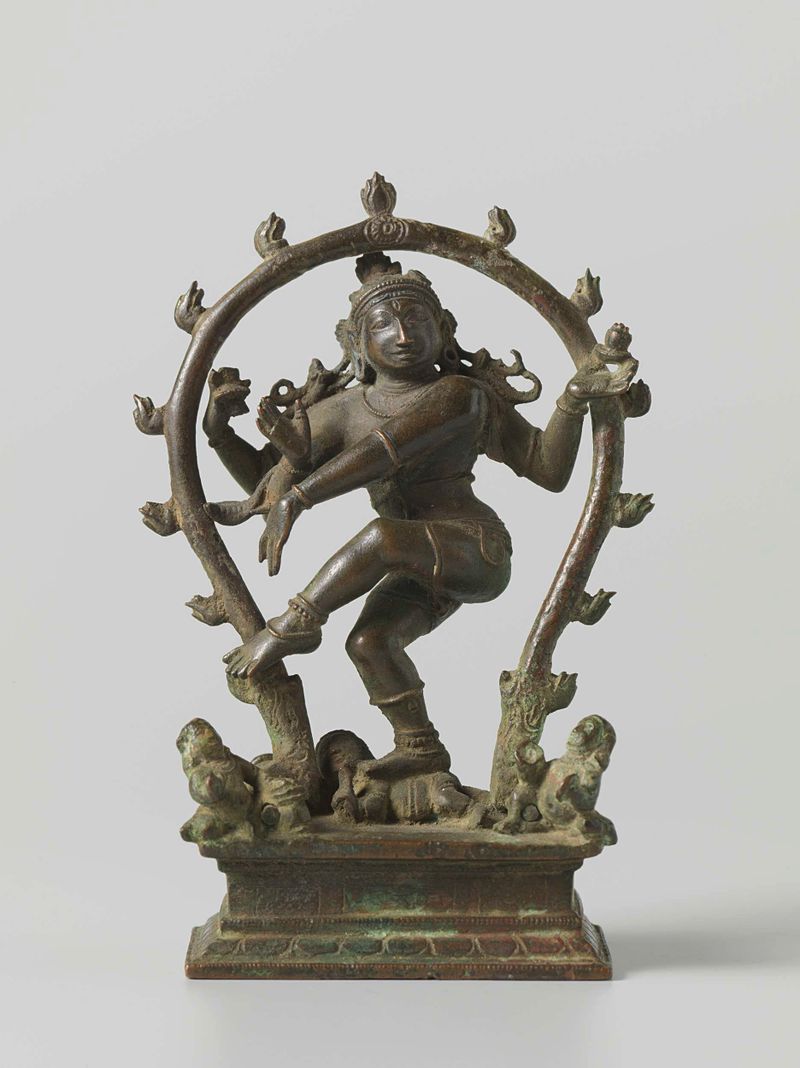
Shiva Nataraja
Unknown Artist

The Tale of Genji
Unknown Artist

The Tale of Genji
Unknown Artist

Cong
Unknown Artist
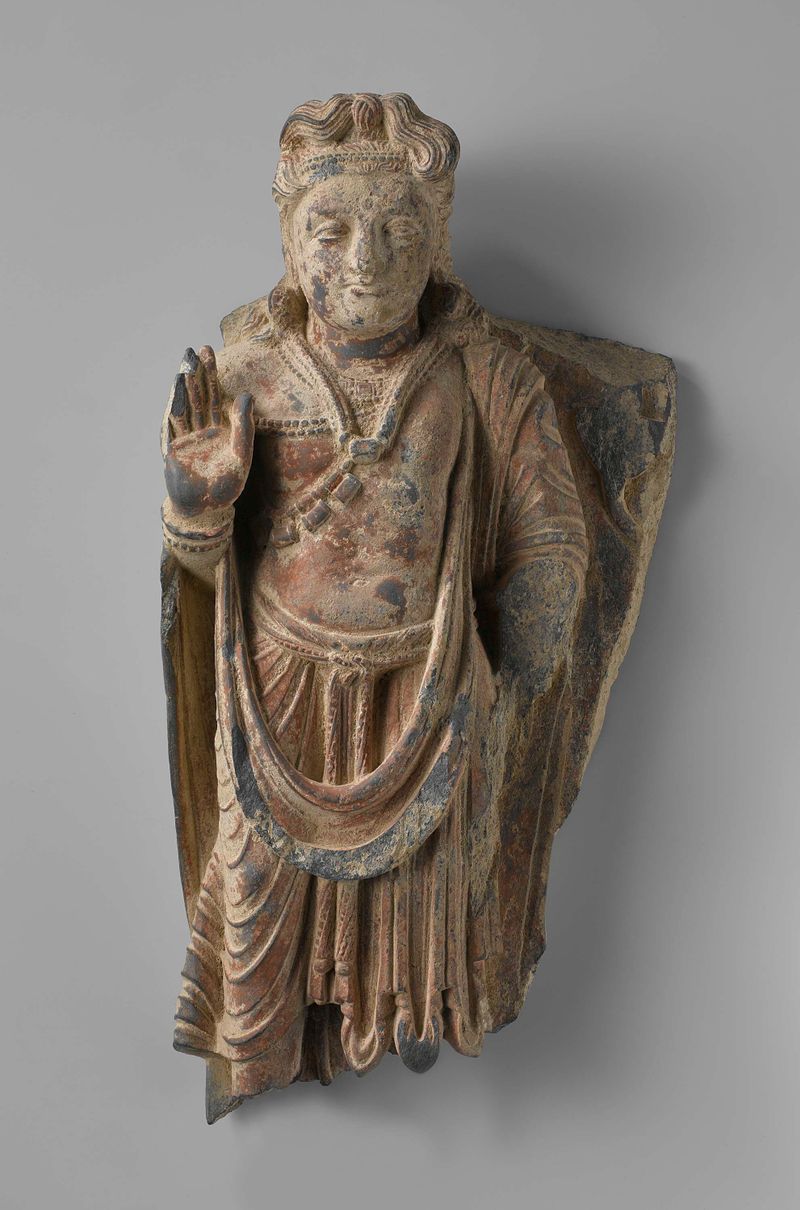
The bodhisattva Maitreya
Unknown Artist

Teabowl with a 'hare's fur' glaze
Unknown Artist