
Arbre au bord d’une rivière — History & Facts
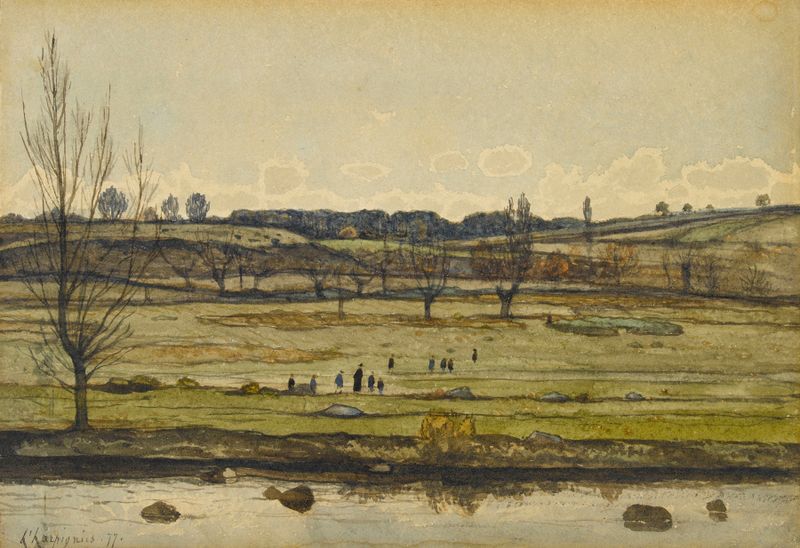
In Arbre au bord d’une rivière, the serene landscape belies an undercurrent of chaos, inviting a deeper gaze into its tranquil exterior. Look to the left, where the immense tree stands, its gnarled branches reaching skyward like silent screams against a vast expanse of vibrant blue. Notice how the gentle curves of the river’s edge embrace the tree, reflecting dappled light that seems to dance across the water. The palette is rich yet subdued, with earthy greens and gentle browns weaving through the scene, suggesting a harmonious balance that belies the tumultuousness of nature lurking beneath its surface. The juxtaposition of the sturdy tree against the flowing river hints at the struggle between permanence and transience.
Each brushstroke captures the weight of the tree's history, while the shimmering water suggests an ever-changing world, a constant flux that can unsettle even the most steadfast. This duality evokes emotions of longing and nostalgia, prompting viewers to reflect on the chaos that exists within the beauty of nature. Created in 1877, this piece emerged during a pivotal time for Harpignies, who was establishing himself within the landscape genre while influenced by the Barbizon School's focus on realism and the sublime. Living in France amidst a burgeoning interest in Impressionism, he sought to marry form and emotion, grounding his work in the natural world while exploring deeper themes of existence and impermanence.
More Artworks by Henri-Joseph Harpignies
Browse all →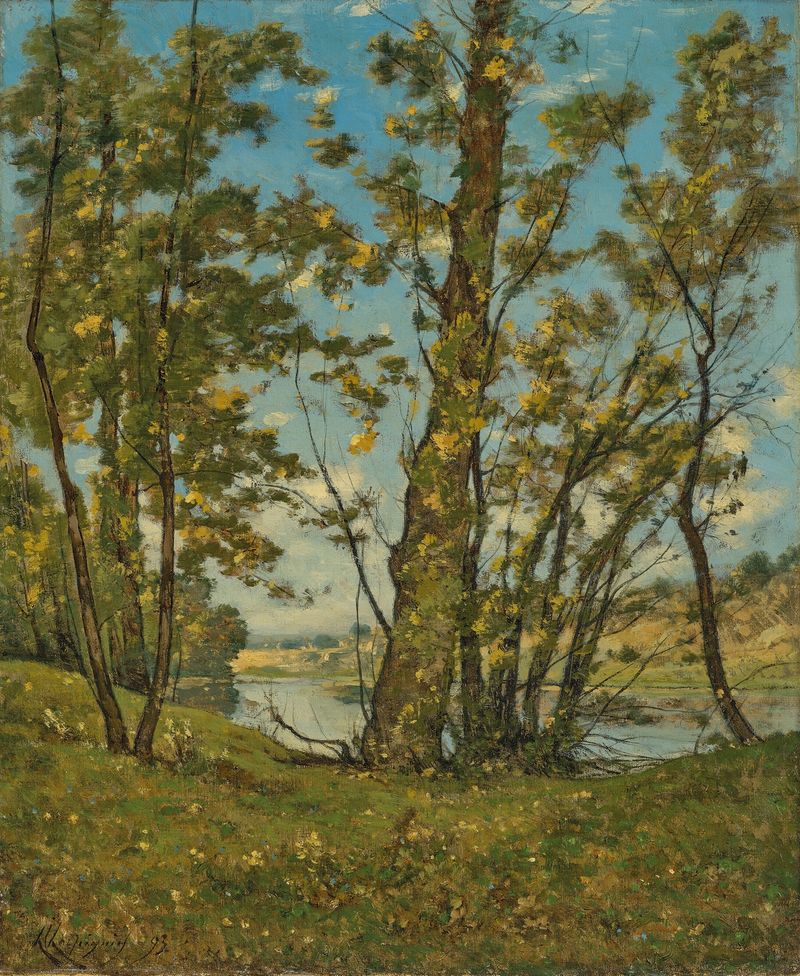
La Loire à Bonny
Henri-Joseph Harpignies
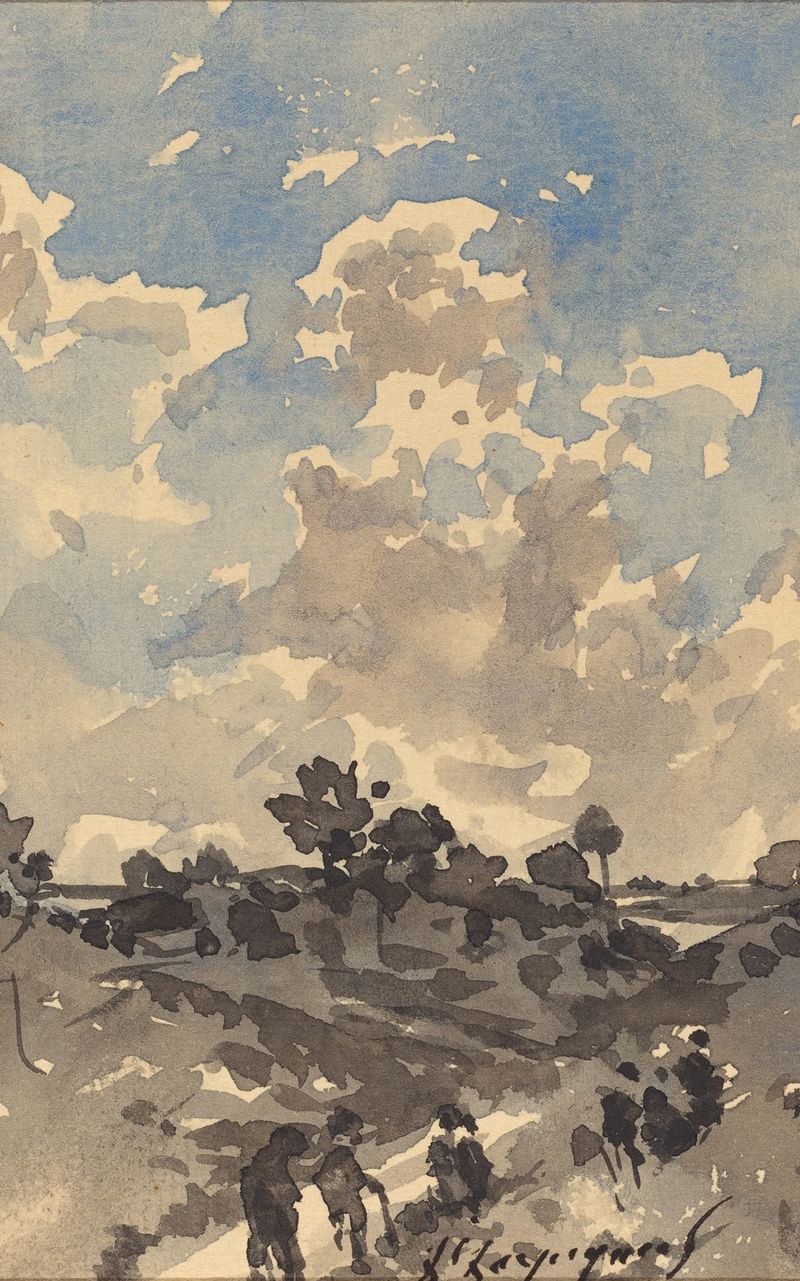
A Landscape with Figures Walking along a Path
Henri-Joseph Harpignies
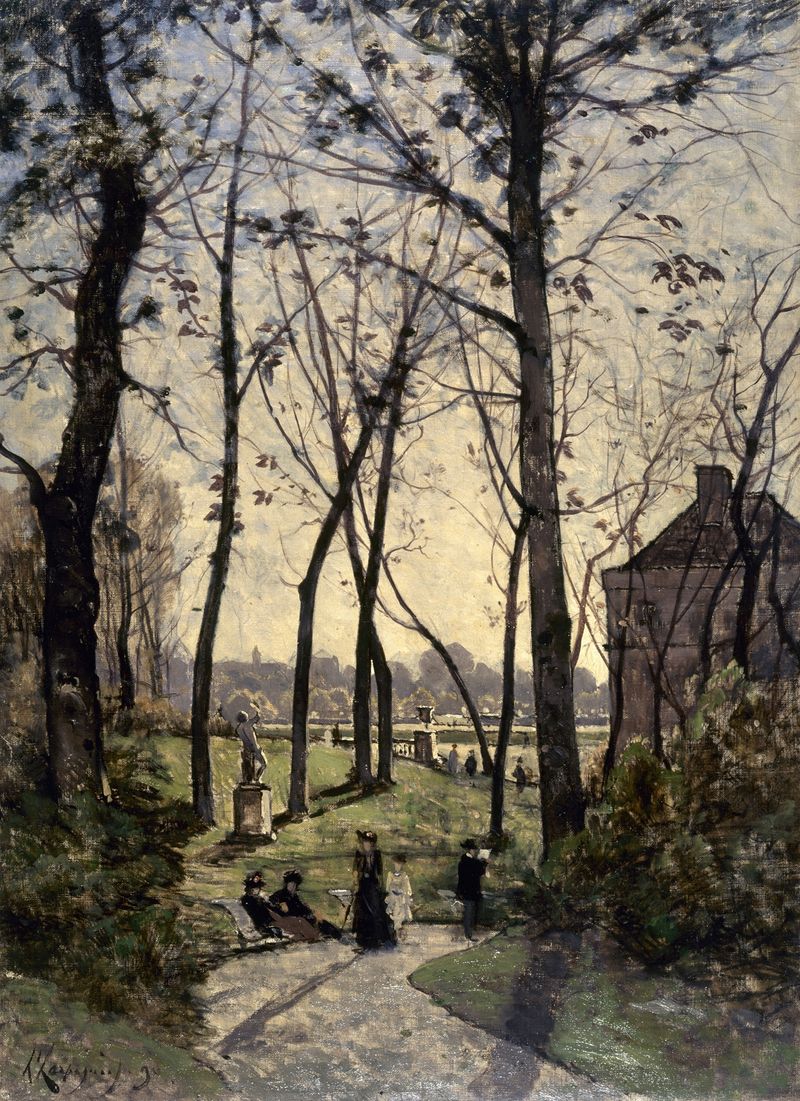
Le jardin du Luxembourg
Henri-Joseph Harpignies
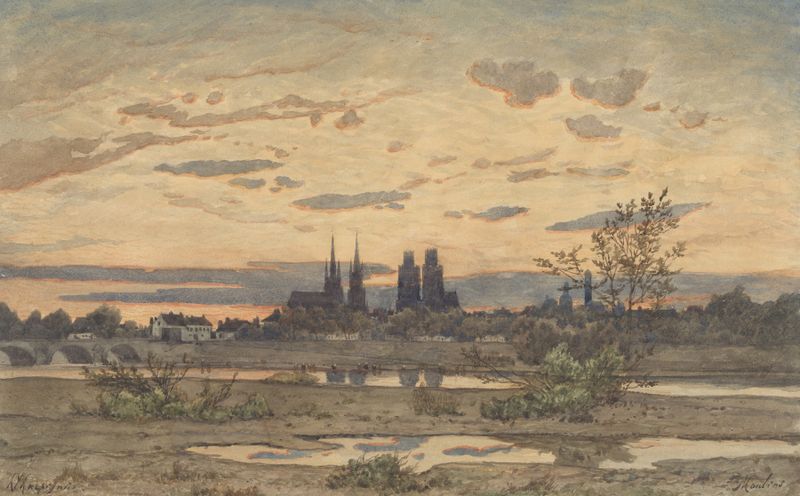
A View of Moulins
Henri-Joseph Harpignies
Paysage
Henri-Joseph Harpignies
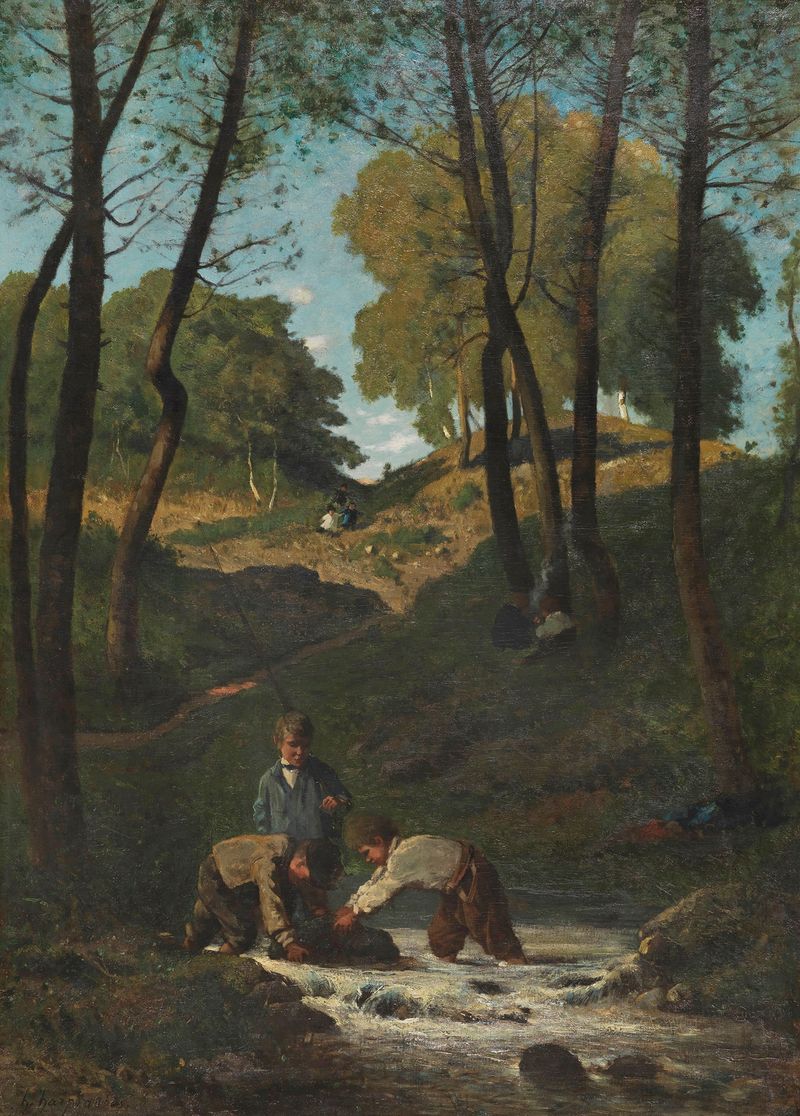
Chercheurs d’écrevisses
Henri-Joseph Harpignies
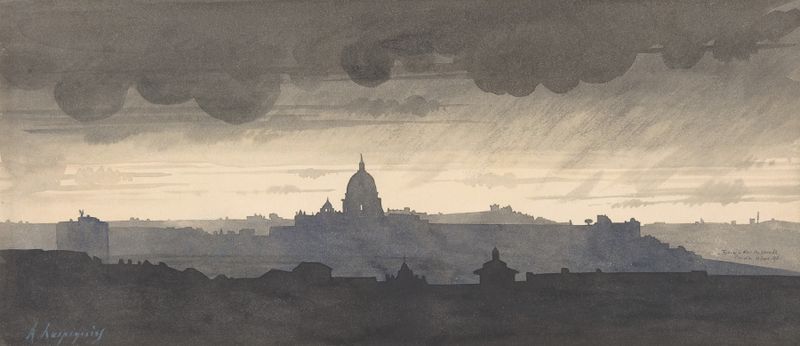
Saint Peter’s Seen From the Pincio, Rome
Henri-Joseph Harpignies
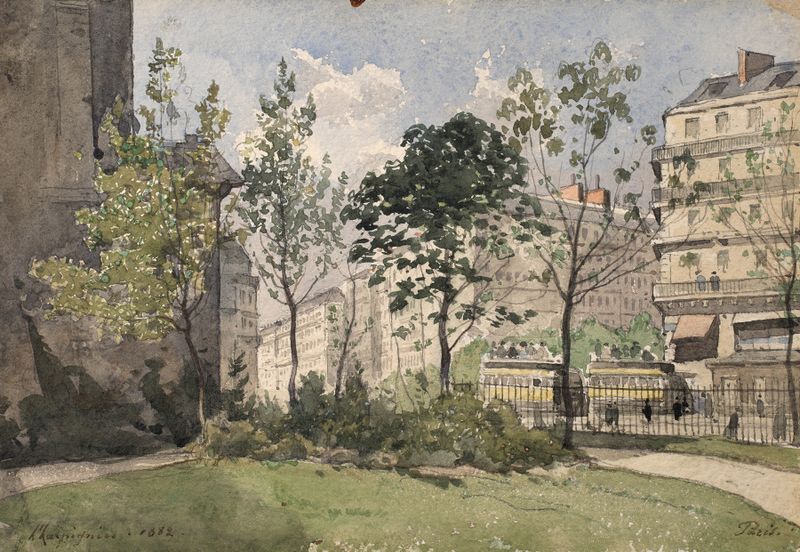
View of the forecourt of the Saint-Germain-des-Prés church
Henri-Joseph Harpignies
Le Colisée à Rome
Henri-Joseph Harpignies

Villefranche
Henri-Joseph Harpignies





