
Artemisia drinkt het as van haar man Mausolus — History & Facts
How does one capture the essence of betrayal, the quiet despair that lingers in the air after the storm? In this moment suspended on canvas, a haunting narrative unfolds, revealing the inner turmoil of a woman confronting her past. Look to the center of the composition, where Artemisia stands poised with a goblet in hand, her expression a blend of resolve and sorrow. The deep, rich tones of her attire contrast sharply against the pale, ghostly visage of Mausolus, his presence echoing through the pastel hues in the background. Notice how the cool light filters through the scene, casting shadows that seem to dance upon the walls, enhancing the emotional gravity of the moment.
Pencz's meticulous brushwork invites the viewer to linger, to connect with the weight of Artemisia's choice. Hidden within the folds of her garments are layers of meaning, suggesting a conflict between duty and desire, betrayal and loyalty. The goblet itself, a vessel of poison, symbolizes the irrevocable nature of her decision, while Mausolus’ somber gaze hints at the tragedy of trust shattered. This complex interplay creates an emotional tension that resonates far beyond the canvas, urging us to contemplate the choices that define our lives. Created between 1537 and 1541, this work emerged during a period of significant change in the world of art.
Georg Pencz, a notable figure in the Northern Renaissance, painted this piece amidst the rise of humanist themes, reflecting a growing interest in personal narratives and emotional depth. His exploration of betrayal in human relationships speaks not only to his own artistic evolution but also to a broader cultural shift towards introspection and the complexities of the human experience.
More Artworks by Georg Pencz
Browse all →
Parabel van de zaaier
Georg Pencz

Parabel van de arbeiders in de wijngaard
Georg Pencz
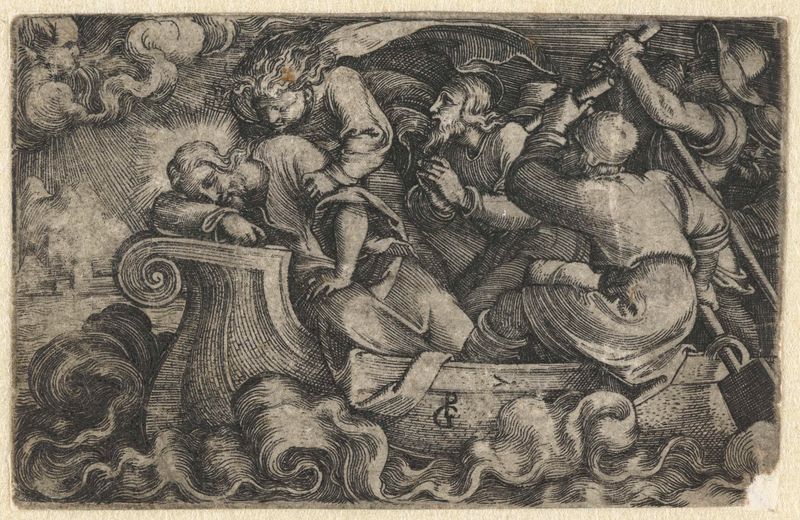
Discipelen wekken slapende Christus tijdens storm op Meer van Galilea
Georg Pencz

Afgunst (Invidia)
Georg Pencz
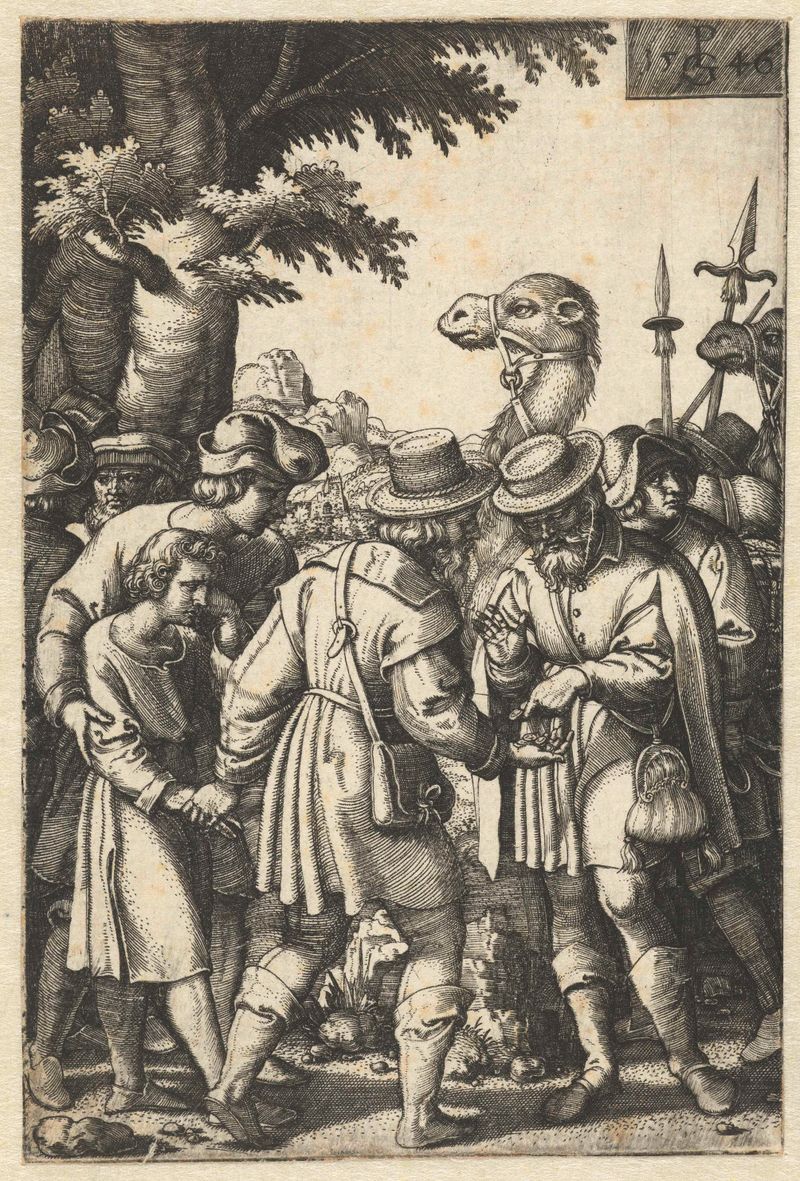
Jozef wordt verkocht aan kooplieden op weg naar Egypte
Georg Pencz

Aanbidding der koningen
Georg Pencz
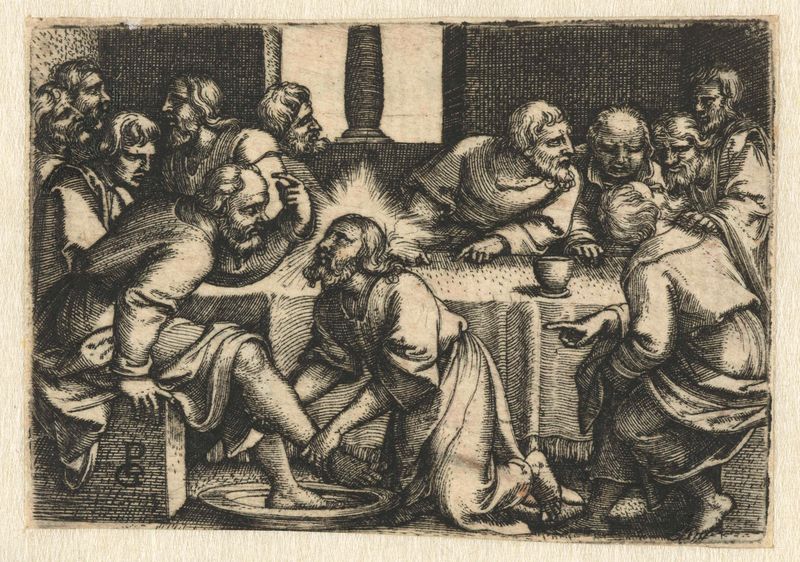
Petrus protesteert als Christus zijn voeten wast
Georg Pencz
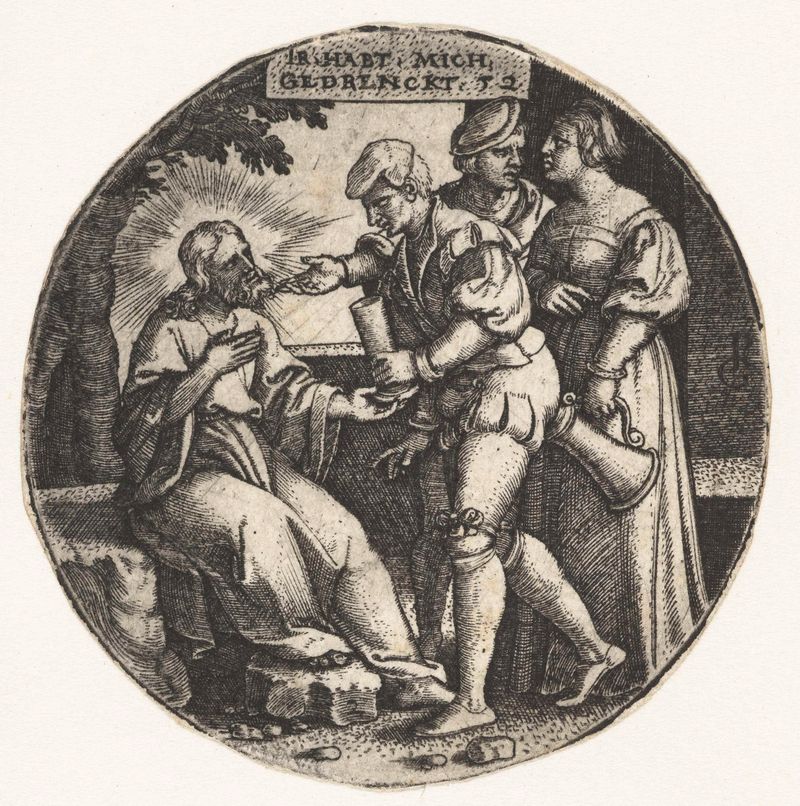
Christus heeft dorst en krijgt drinken aangeboden
Georg Pencz
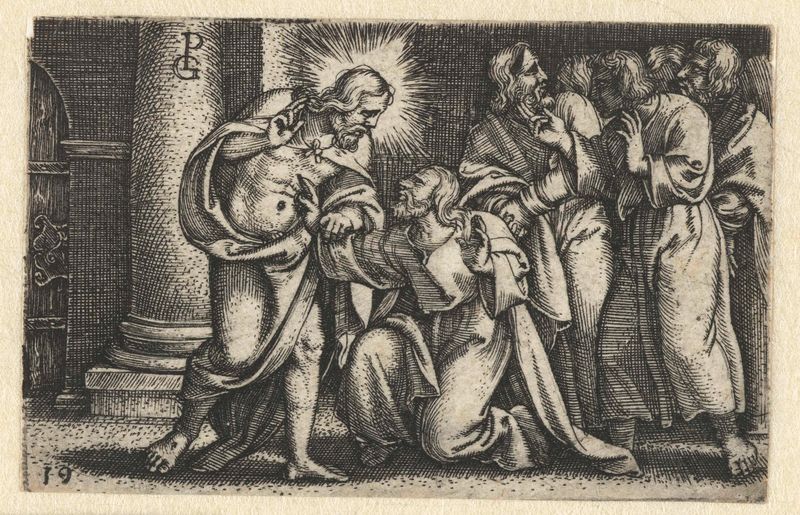
Ongelovige Thomas raakt wonden Christus aan
Georg Pencz

Offer van Abraham van Isaak
Georg Pencz
More Historical Art
Browse all →
The Night Watch Militia Company of District II under the Command of Captain Frans Banninck Cocq
Rembrandt van Rijn

Lincoln Memorial
Henry Bacon

The Third of May 1808
Francisco de Goya

Isaac and Rebecca, Known as ‘The Jewish Bride’
Rembrandt van Rijn

The Charge of the Mamelukes (1814)
Francisco de Goya

De vier ruiters van de apocalyps
Albrecht Dürer