
Arthur Hughes — History & Facts
What draws the eye first in this self-portrait by Arthur Hughes is the intense, almost romantic inwardness of the young artist’s gaze. Painted in 1851, the work captures Hughes at the age of nineteen, on the cusp of adulthood and already searching for a visual language of his own. The sharply profiled face, set against a bare, nearly unfinished ground, stands out in stark relief—every brushstroke in the hair and collar seems to underline the seriousness with which he regards his own image.
The composition is stripped of distraction: there is only the sitter and the pale, slightly stained surface, as if the world beyond the canvas has been deliberately shut out. This is the world of mid-nineteenth-century England, when the Pre-Raphaelite Brotherhood—with whom Hughes would soon be associated—was just beginning to challenge the conventions of academic art. Portraits like this, especially self-portraits, were often intimate exercises in self-examination rather than grand public statements. Young artists painted themselves not only to practice their craft, but to declare their ambitions and anxieties to posterity.
The inscription and date, still visible on the surface, root the painting firmly in its time and in the artist’s own hand. Few traces remain of the circumstances behind many such works, but the directness of Hughes’s gaze invites us to imagine the hopes and uncertainties of a young painter at the threshold of a new artistic era.
More Artworks by Arthur Hughes

Cecily Ursula, aged three years
Arthur Hughes

April Love
Arthur Hughes
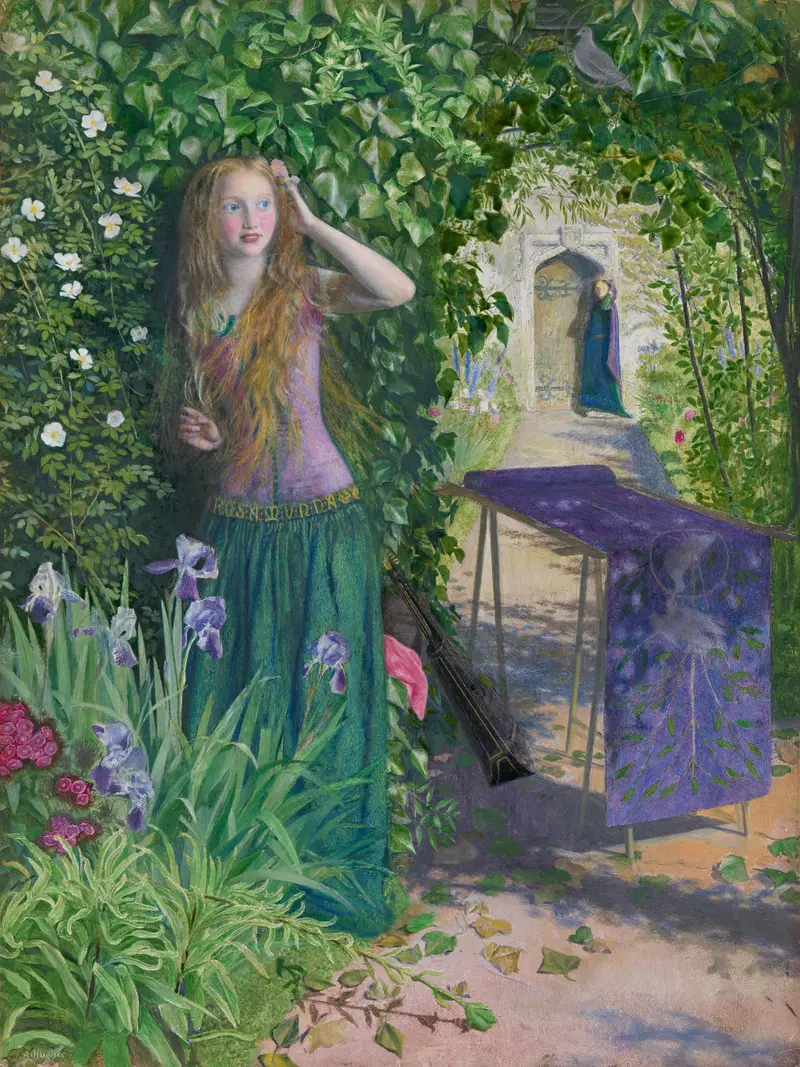
Fair Rosamund
Arthur Hughes
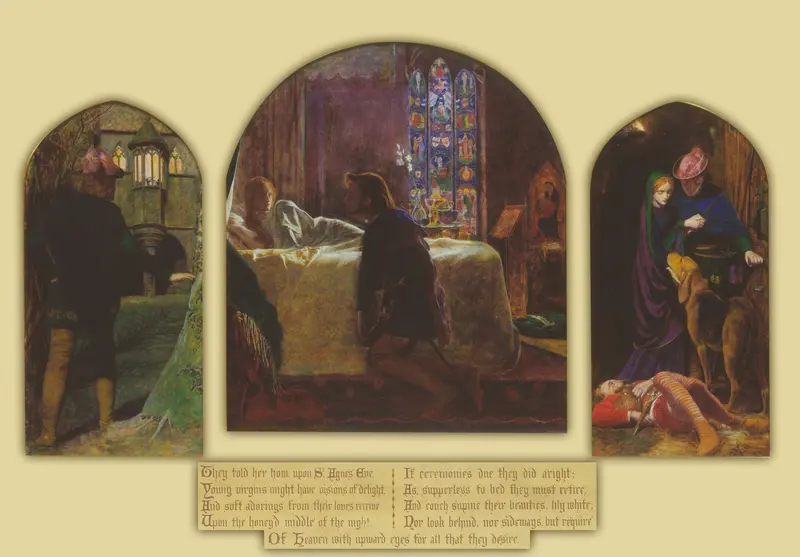
The Eve of St Agnes
Arthur Hughes
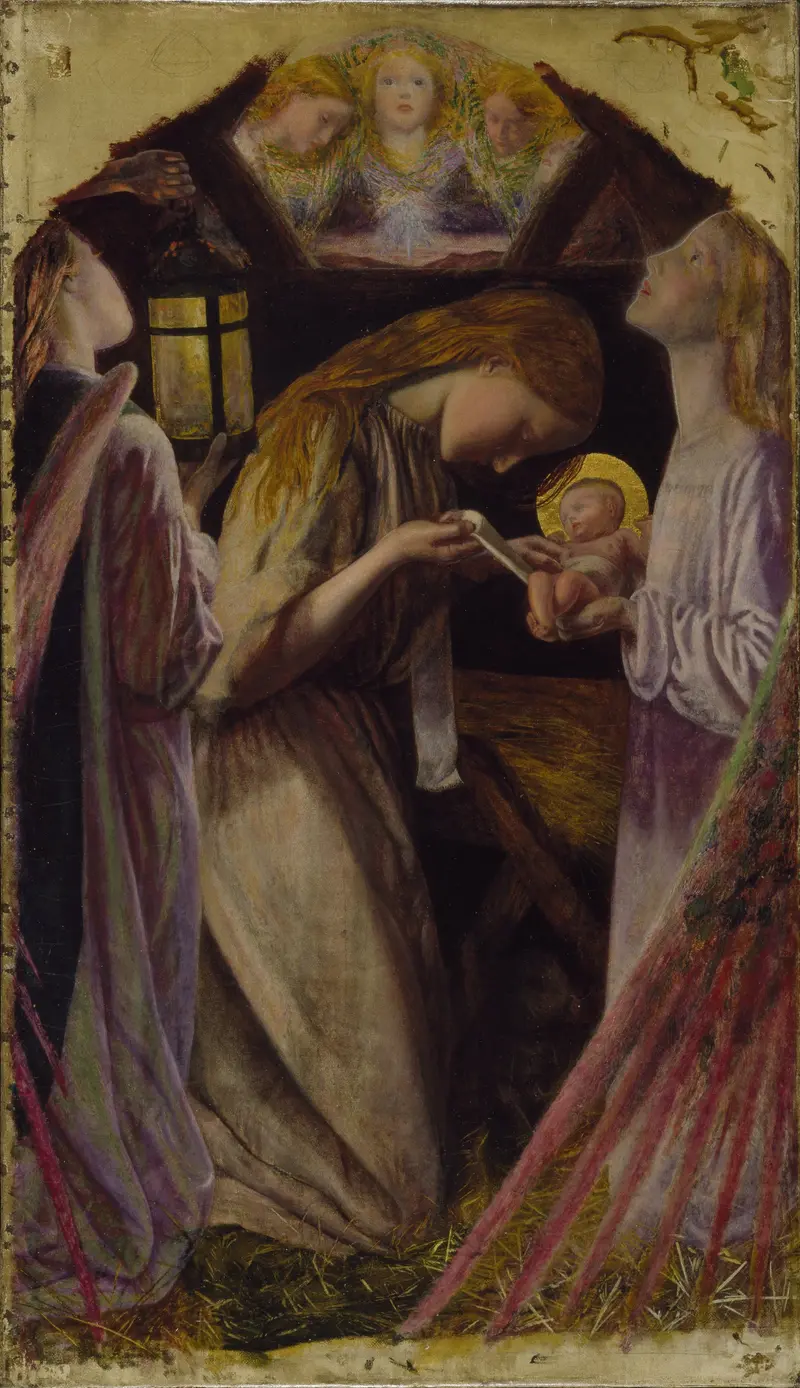
The Nativity
Arthur Hughes
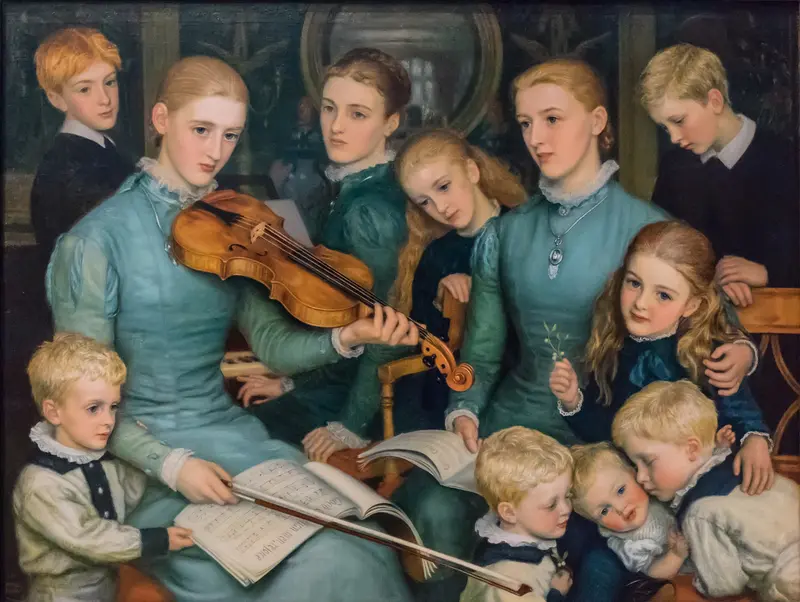
A Christmas Carol at Bracken Dene
Arthur Hughes
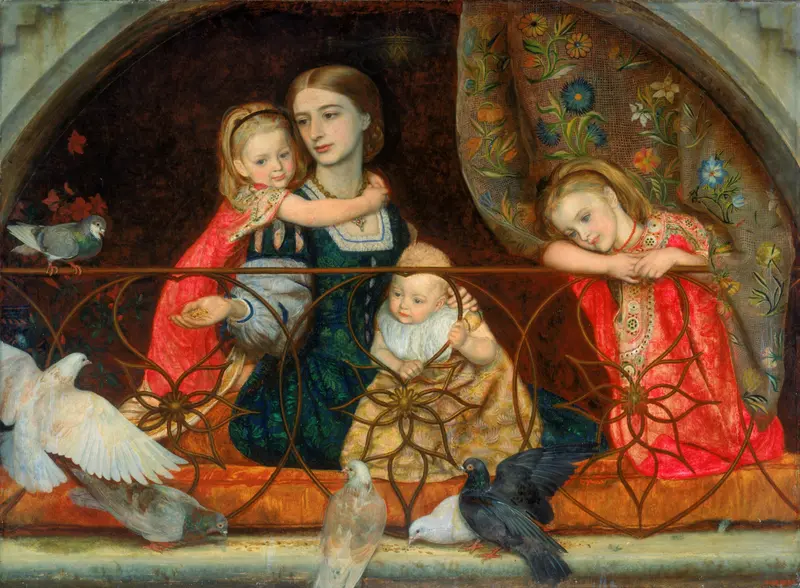
Mrs Leathart and Her Three Children
Arthur Hughes
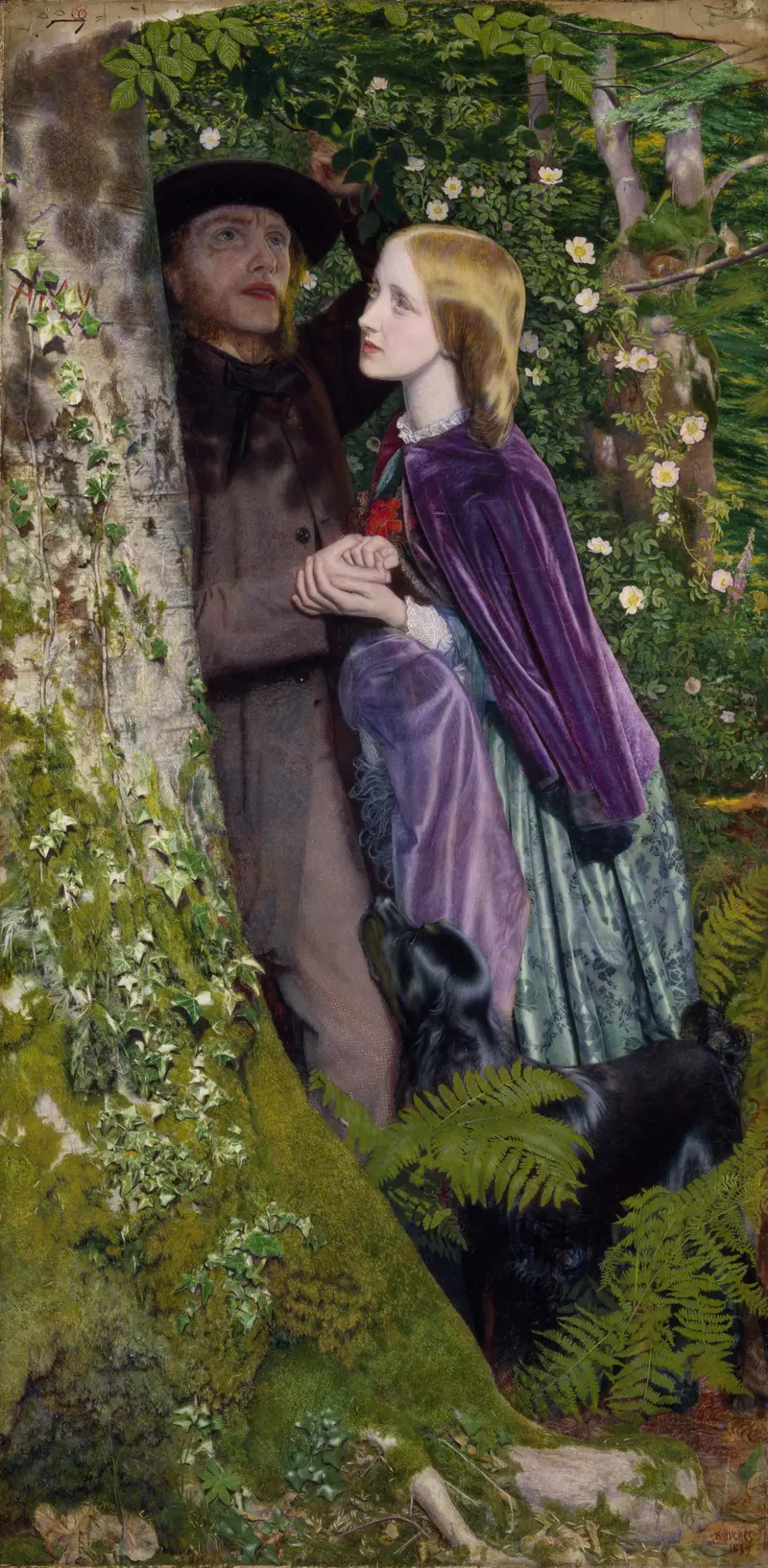
The Long Engagement
Arthur Hughes
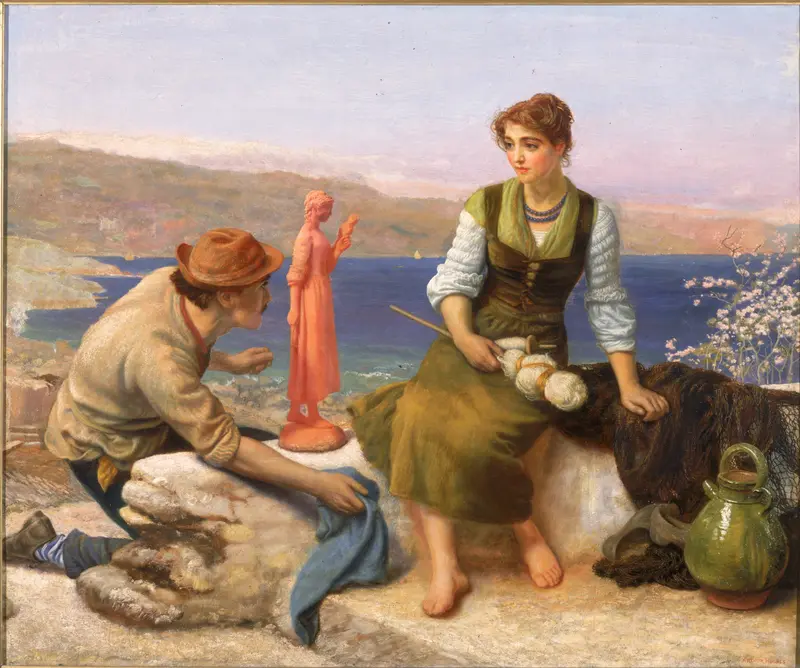
The Potter's Courtship
Arthur Hughes
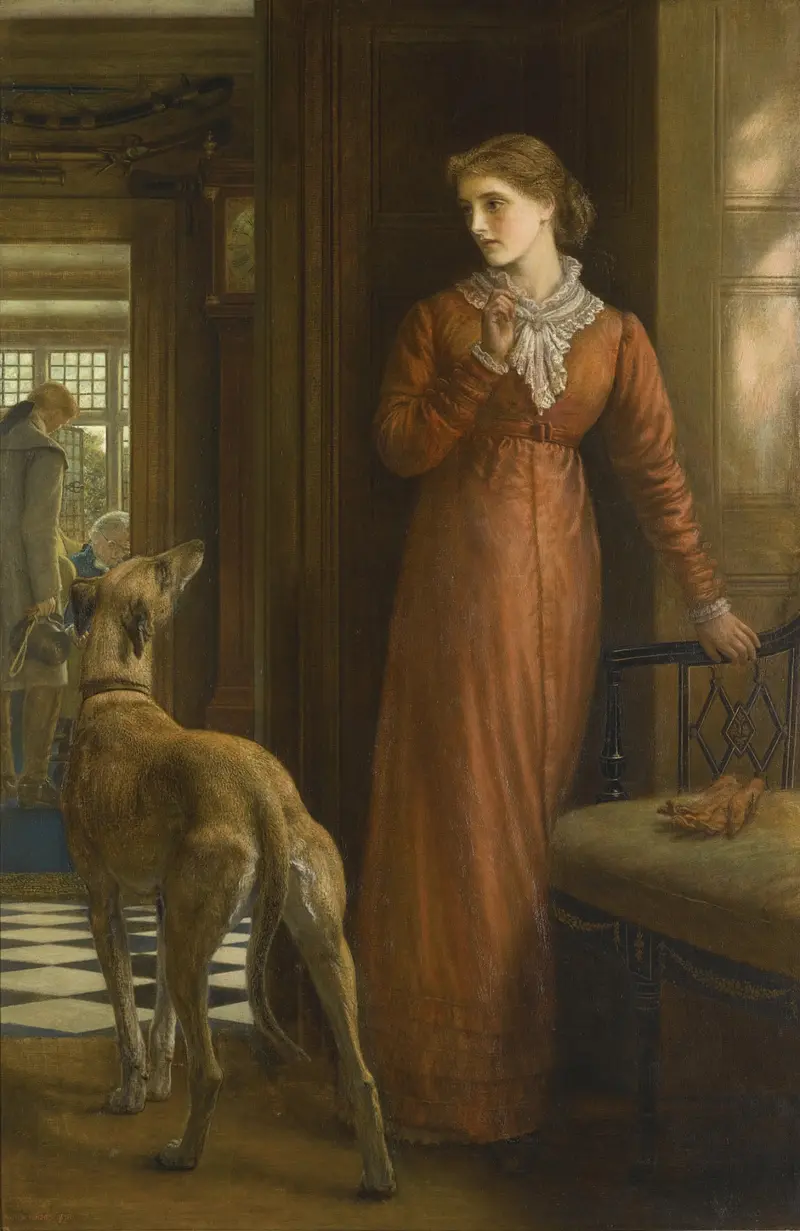
Uncertainty
Arthur Hughes





