
Astronomie — History & Facts
In the delicate embrace of light and shadow, a celestial narrative unfolds, whispering secrets of the cosmos and the divine. Focus on the figure at the center; their gaze is drawn upwards as if listening to the silent symphony of the stars. Surrounding this solitary scholar are maps and instruments, each meticulously rendered, revealing Pencz's deft hand and keen eye for detail. The earthy tones of browns and greens contrast beautifully with the soft blue and gold of the celestial heavens, suggesting a harmony between earthly knowledge and divine mystery.
Notice how light seems to emanate from the instruments, illuminating the scholar's face, creating a luminous connection with the heavens above. In this work, the contrast between the human figure and the vastness of the starry expanse evokes a profound sense of curiosity and insignificance within the infinite cosmos. The instruments symbolize the quest for knowledge and understanding, while the serenity on the scholar's face hints at a deeper acceptance of the mysteries that lie beyond grasp. Each element invites viewers to reflect on the relationship between humanity and the divine, reminding us of our pursuit of enlightenment amid the unknown. Georg Pencz painted this masterpiece between 1539 and 1541, during the Renaissance—a time when the study of astronomy was burgeoning in Europe.
At this juncture, the intersection of art and science was vibrant, as artists sought to illustrate the wonders of nature and the universe. Pencz's work serves as a testament to this era, embodying the thirst for knowledge and the fascination with the divine in the face of human inquiry.
More Artworks by Georg Pencz
Browse all →
Parabel van de zaaier
Georg Pencz

Parabel van de arbeiders in de wijngaard
Georg Pencz
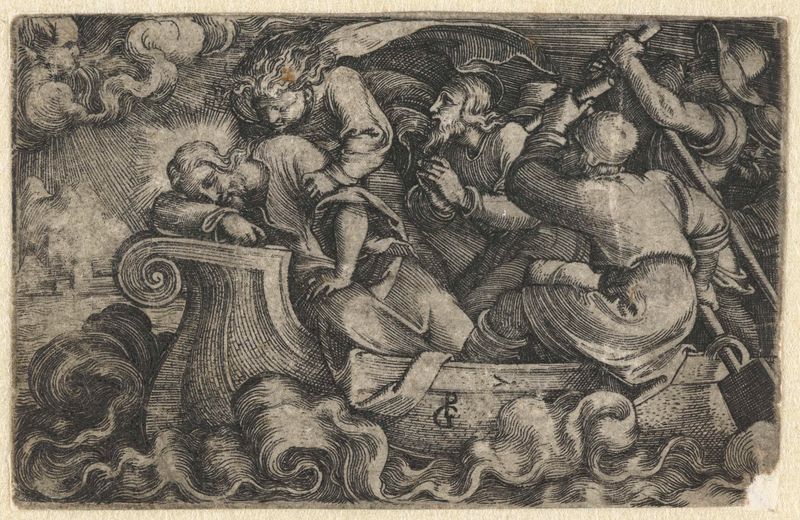
Discipelen wekken slapende Christus tijdens storm op Meer van Galilea
Georg Pencz

Afgunst (Invidia)
Georg Pencz
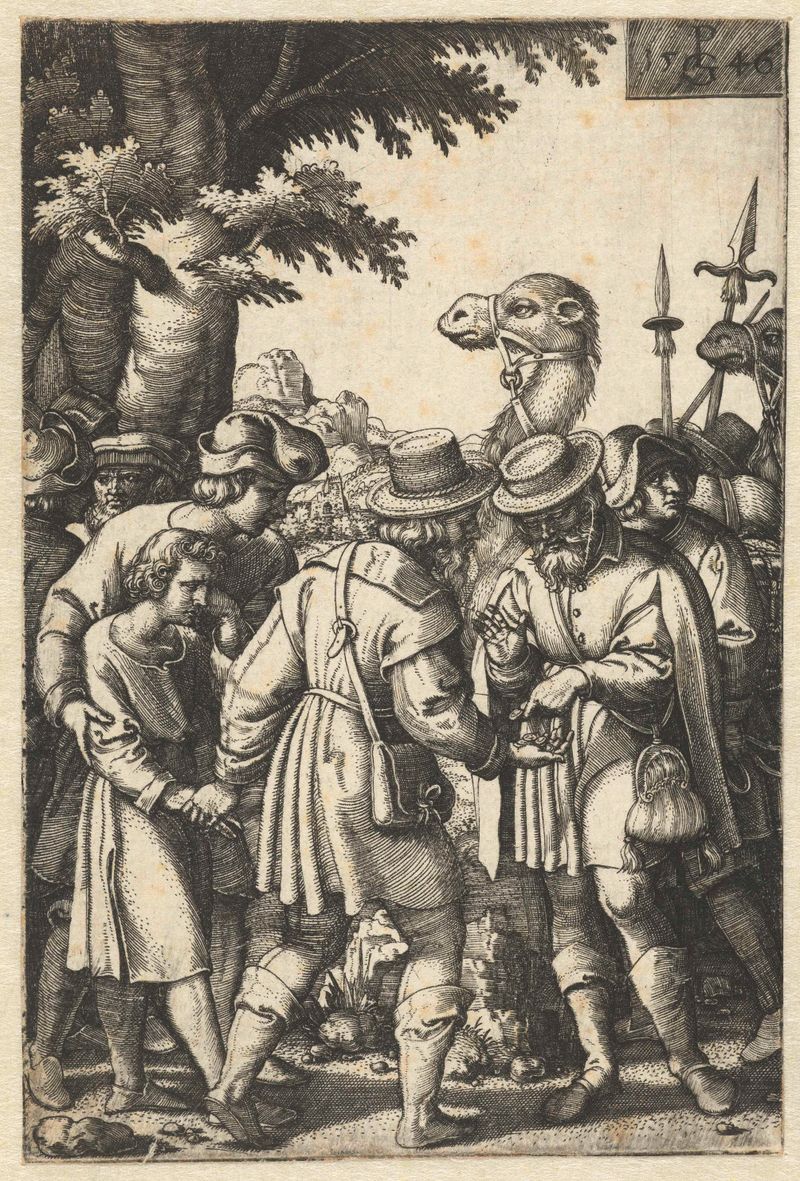
Jozef wordt verkocht aan kooplieden op weg naar Egypte
Georg Pencz

Aanbidding der koningen
Georg Pencz
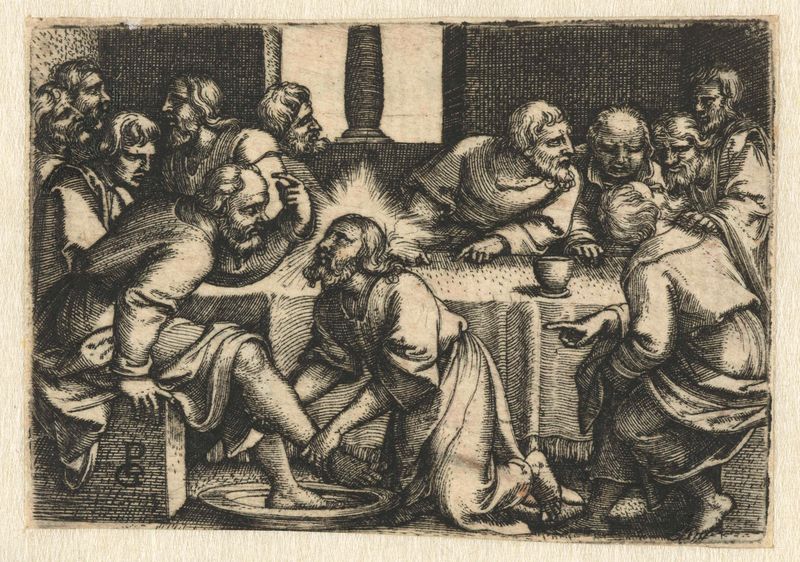
Petrus protesteert als Christus zijn voeten wast
Georg Pencz
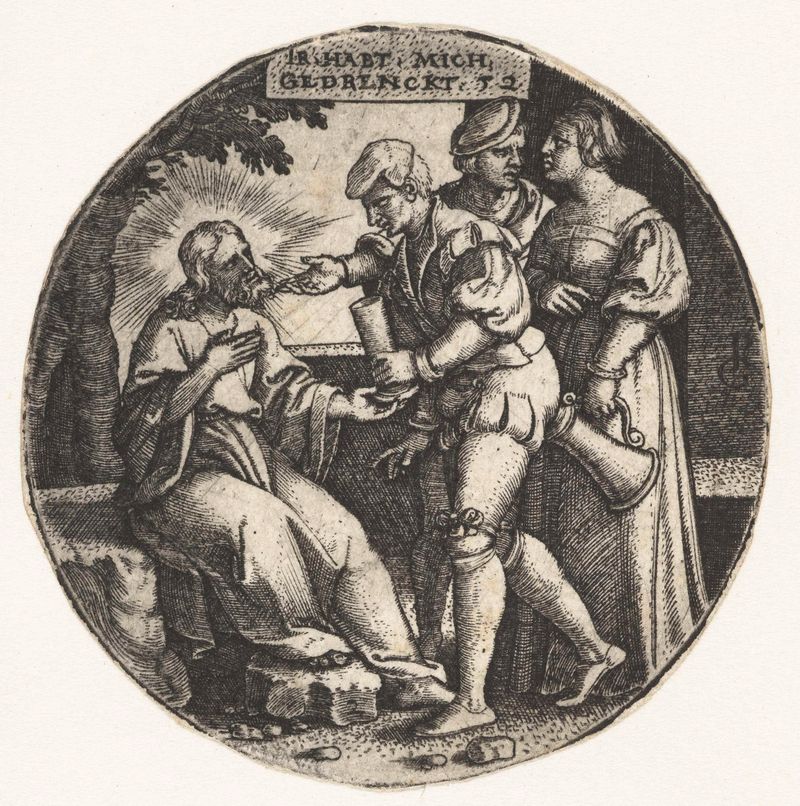
Christus heeft dorst en krijgt drinken aangeboden
Georg Pencz
Ongelovige Thomas raakt wonden Christus aan
Georg Pencz

Offer van Abraham van Isaak
Georg Pencz





