At the Milliner's — History & Facts
Can paint confess what words never could? In At the Milliner's, the vibrant hues and soft brushstrokes reveal stories beyond the grasp of language, where color becomes a conduit of emotion. Look to the right at the interplay of light and shade cascading over the delicate fabrics. The gentle touches of pink, cream, and ivory breathe life into the scene, drawing your gaze towards the milliner’s wares, each hat a testament to elegance. Notice how the figures lean into each other, their expressions softened by glimmers of sunlight filtering through the window.
The composition is intimate, inviting viewers to linger in this shared moment of anticipation and choice. Beneath the surface, a rich tapestry of emotions unfurls. The women’s posture—a blend of eagerness and reticence—captures the tension of desire and societal expectation. The hats, adorned with ribbons and flowers, symbolize not just fashion but the fleeting nature of beauty.
Renoir encapsulates a moment that speaks to the struggles of women in the 19th century, their identities often shaped by the world of appearances. The warmth of the palette contrasts with the undertones of longing, a visual dialogue about self-expression and conformity. In 1878, Renoir painted this piece during a period of exploration and innovation within the Impressionist movement. Set in Paris, he was surrounded by fellow artists who challenged conventional norms, embracing spontaneity and the fleeting effects of light.
This work reflects both personal and artistic growth, as he sought to capture the beauty of everyday life, redefining the role of women in art and society.
More Artworks by Pierre-Auguste Renoir
Browse all →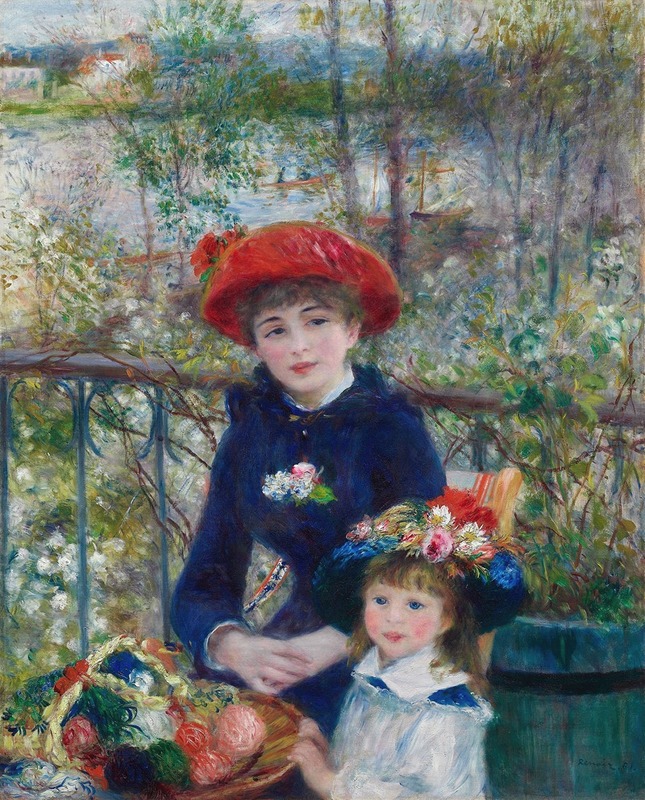
Two Sisters (On the Terrace)
Pierre-Auguste Renoir
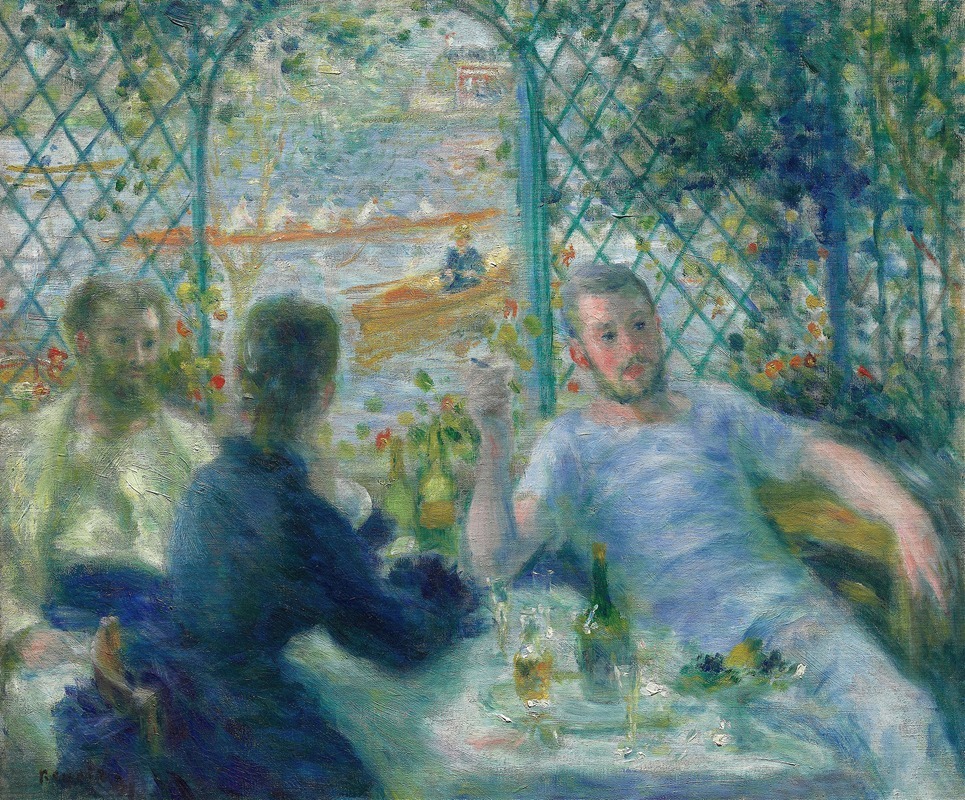
Lunch at the Restaurant Fournaise (The Rowers' Lunch)
Pierre-Auguste Renoir
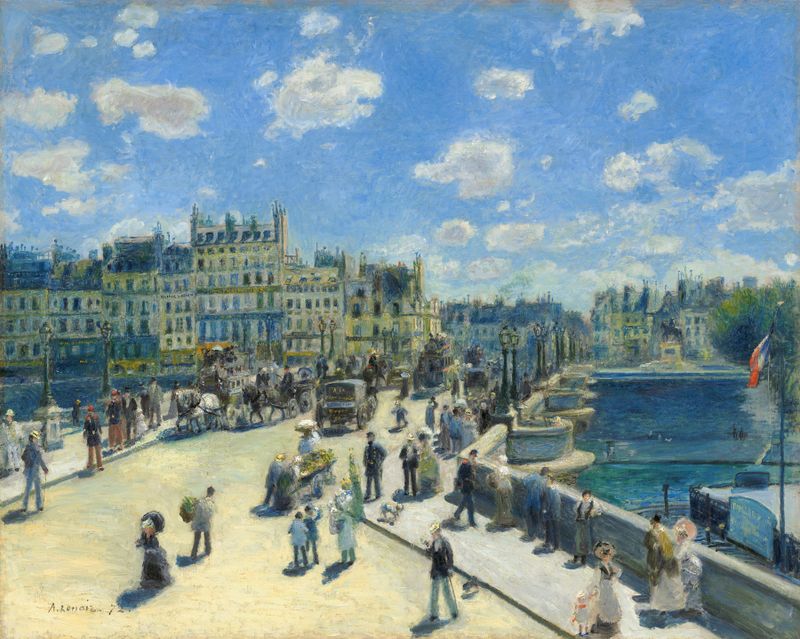
Pont Neuf, Paris
Pierre-Auguste Renoir
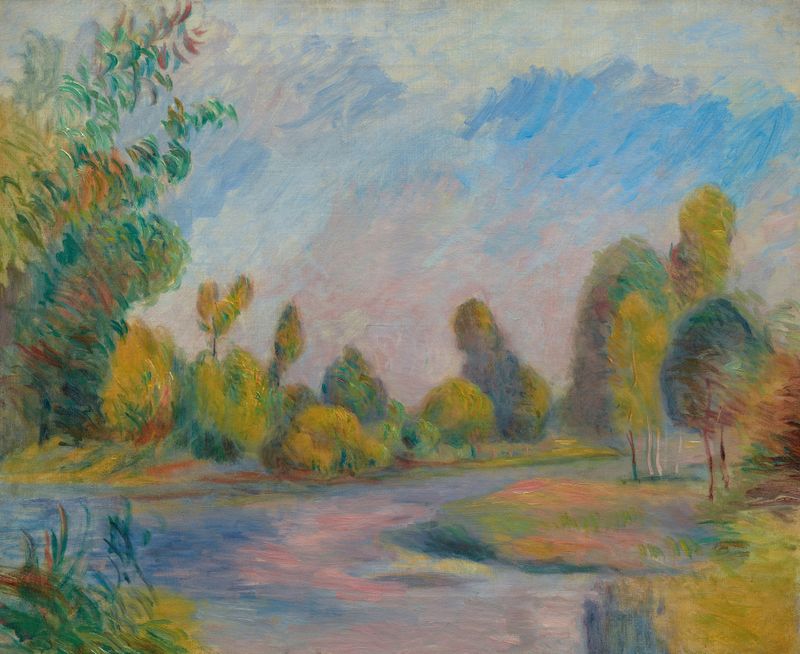
Au bord de la rivière
Pierre-Auguste Renoir

Near the Lake
Pierre-Auguste Renoir
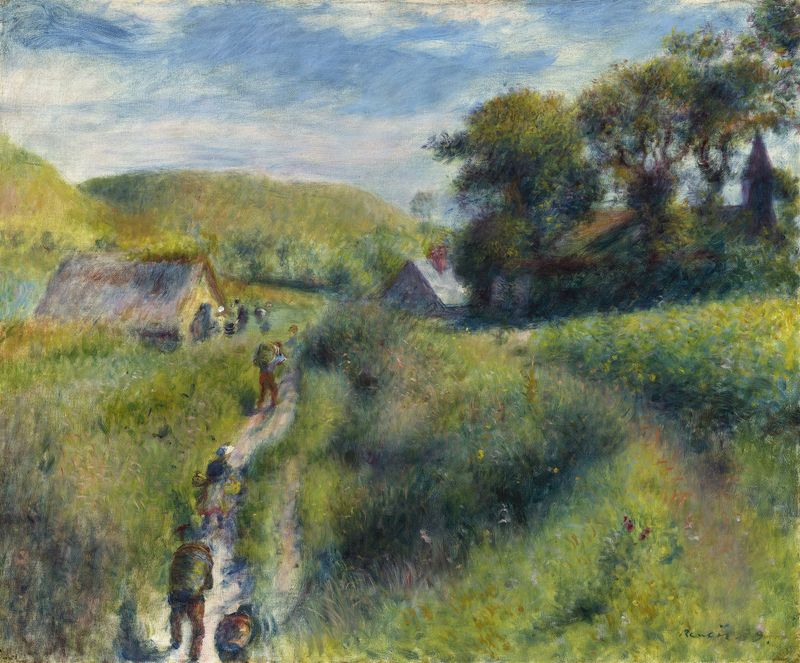
The Mussel Harvest
Pierre-Auguste Renoir

The Seine at Chatou
Pierre-Auguste Renoir
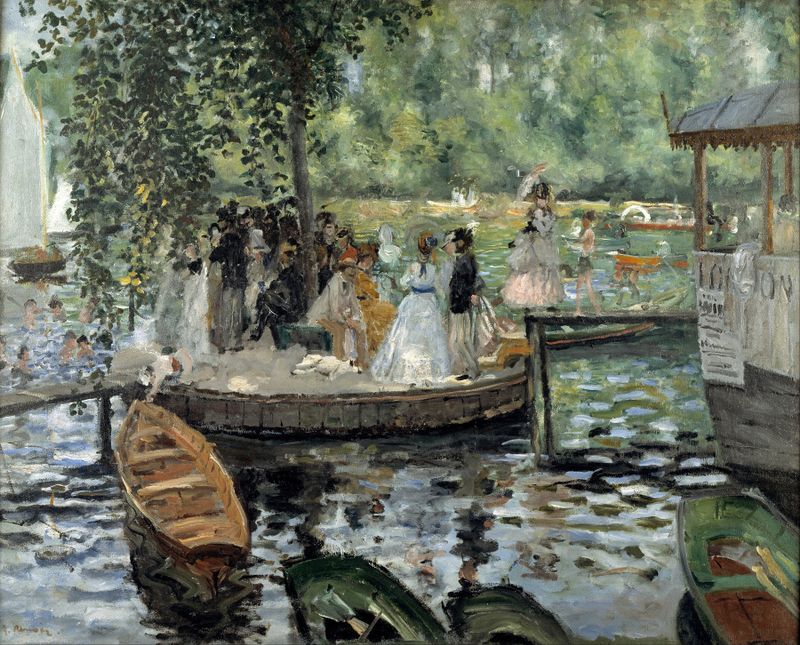
La Grenouillère
Pierre-Auguste Renoir
In Brittany (En Bretagne)
Pierre-Auguste Renoir
Paysage d’Essoyes
Pierre-Auguste Renoir