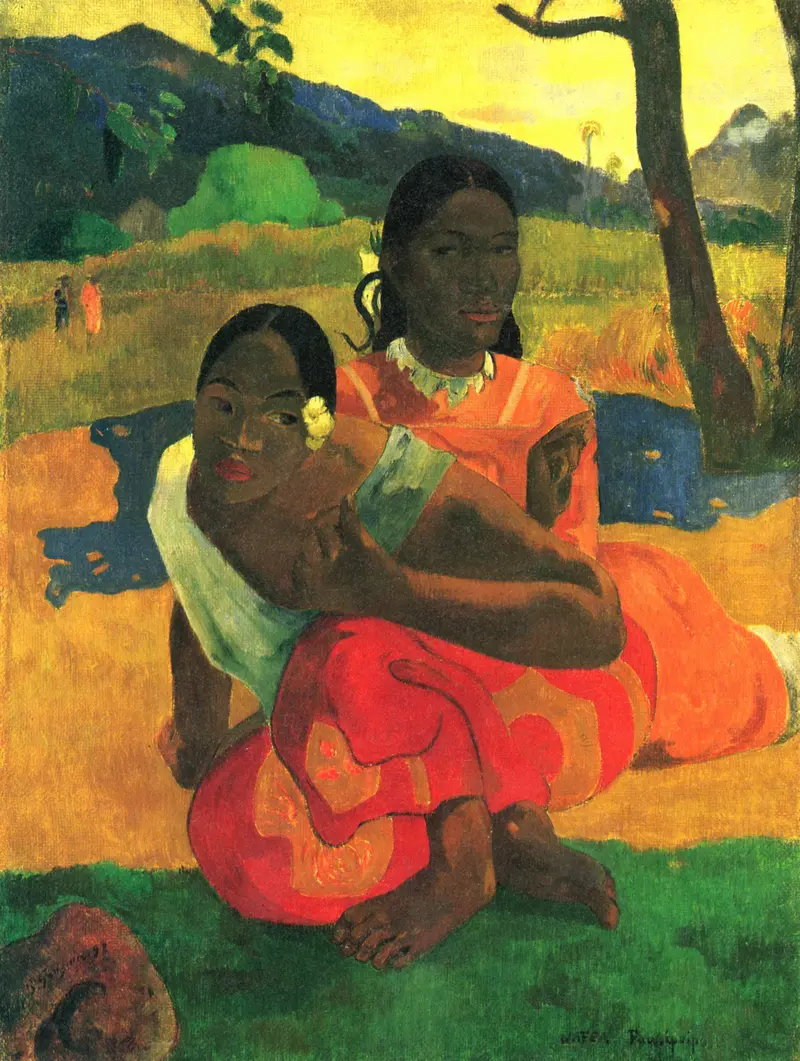
At the Piano — History & Facts
What draws the eye first in At the Piano is the quiet conversation of glances and gestures, suspended in a hush that only music can create. The woman in black, her profile intent and composed, lets her fingers drift across the keys, while the young girl in white leans forward, her small hands resting on the piano’s edge, as if she is both audience and apprentice. The deep red carpet anchors the scene in warmth, while the pale walls and gold-framed pictures above suggest a cultivated, domestic world.
Everything in the room is arranged to focus attention on this intimate exchange: the dark mass of the woman’s dress, the bright clarity of the girl’s frock, the rich wood of the instrument itself. Light falls gently from the left, catching the child’s hair and the curve of the piano, heightening the sense of concentration and care. Painted between 1858 and 1859, this work by James McNeill Whistler belongs to a moment when artists across Europe were fascinated by scenes of everyday life, especially those that captured the rituals of middle-class interiors. Such paintings were often commissioned or cherished by families eager to celebrate education, refinement, and the bonds between generations.
In the late 1850s, the piano was not just an instrument but a symbol of aspiration and gentility—a centerpiece of cultured living rooms. While history has kept few traces of the specific origins of this painting, it now resides in the Taft Museum of Art, where its quiet drama invites us to imagine the music that once filled this room, and to linger over the silent lessons exchanged between teacher and child.
More Artworks by James McNeill Whistler
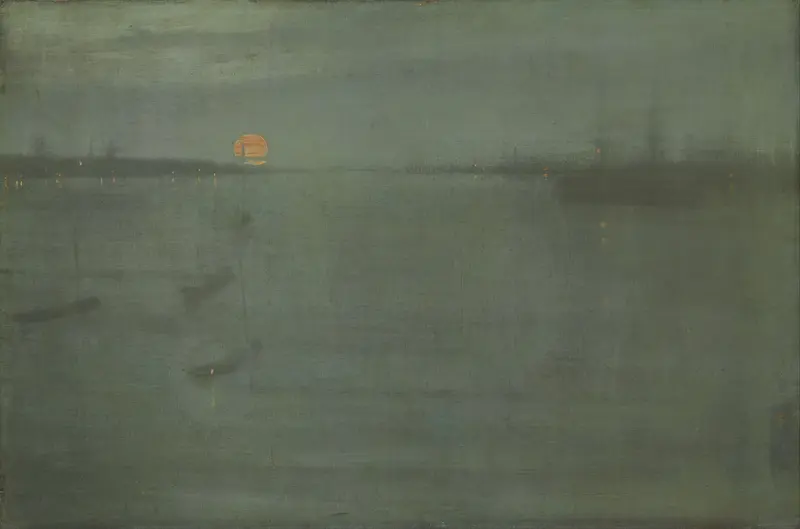
Nocturne: Blue and Gold—Southampton Water
James McNeill Whistler
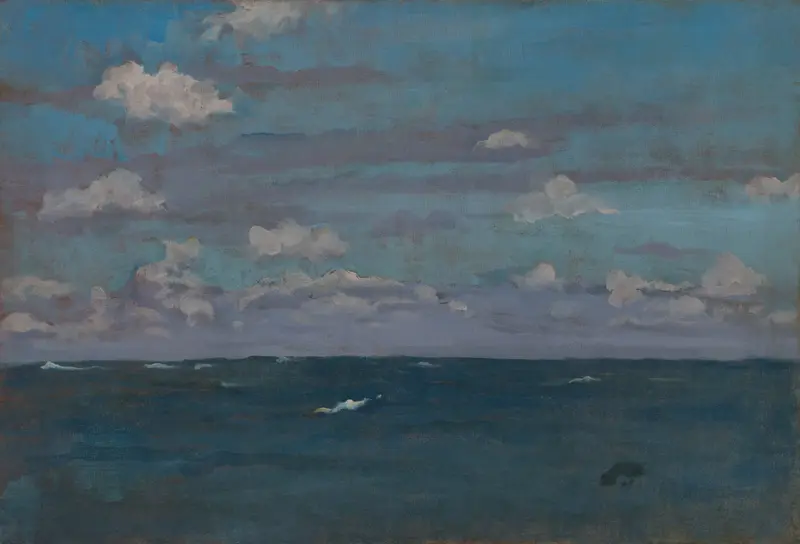
Violet and Silver—The Deep Sea
James McNeill Whistler
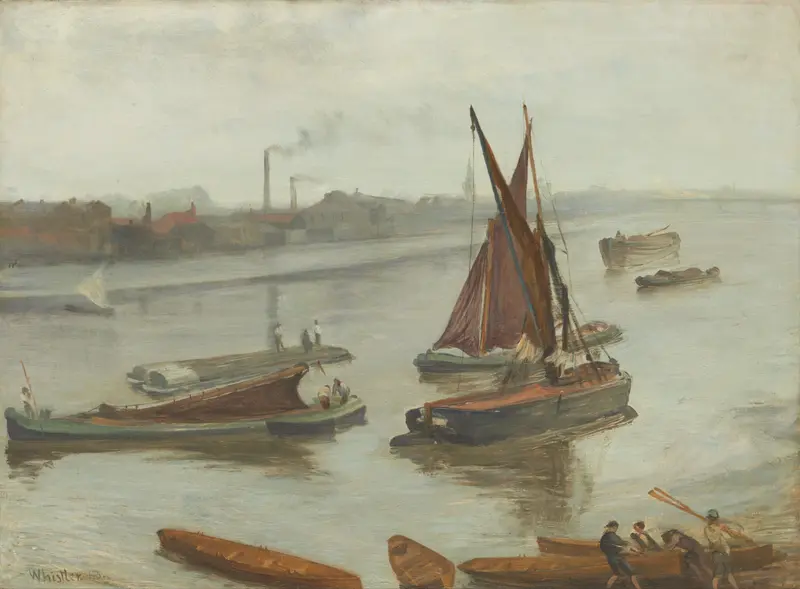
Grey and Silver: Old Battersea Reach
James McNeill Whistler
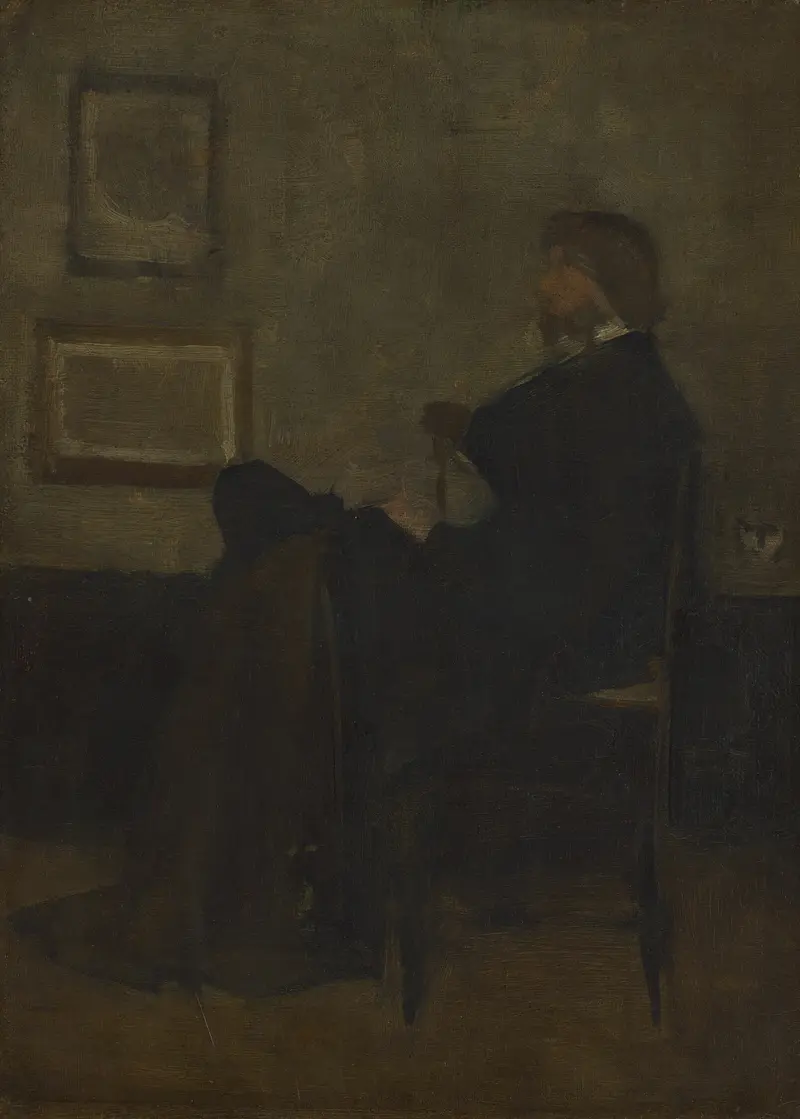
Study for "Arrangement in Grey and Black, No. 2: Portrait of Thomas Carlyle"
James McNeill Whistler
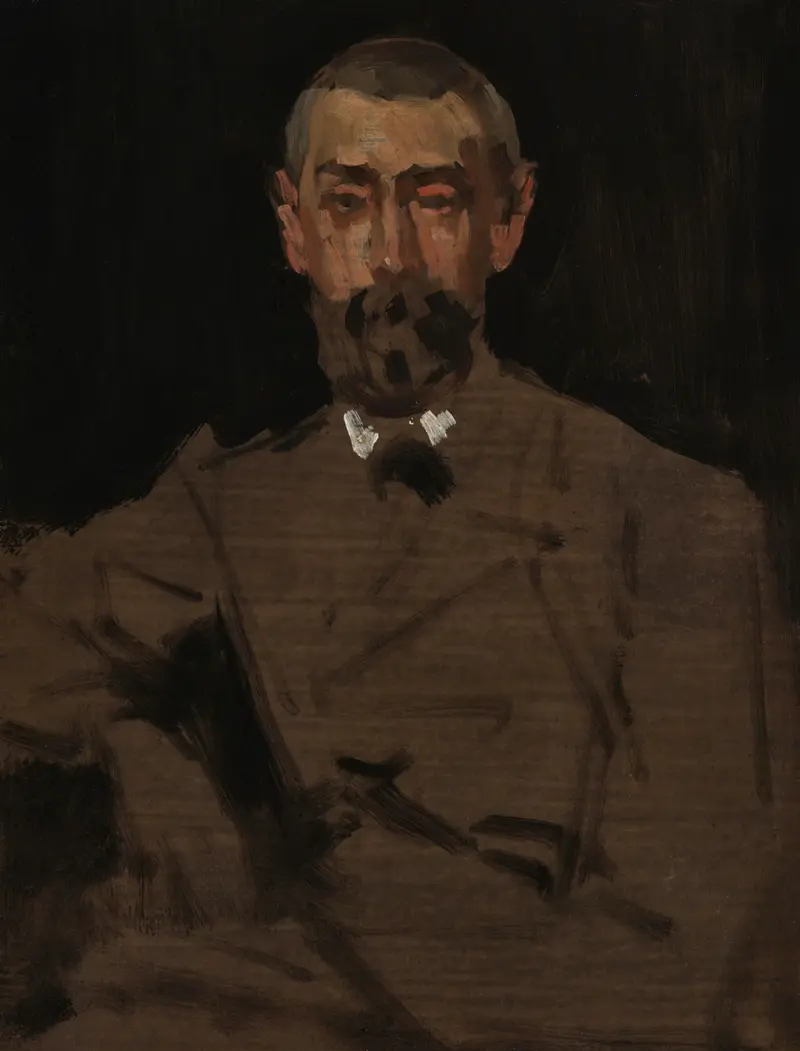
Portrait of M. R. Elden
James McNeill Whistler
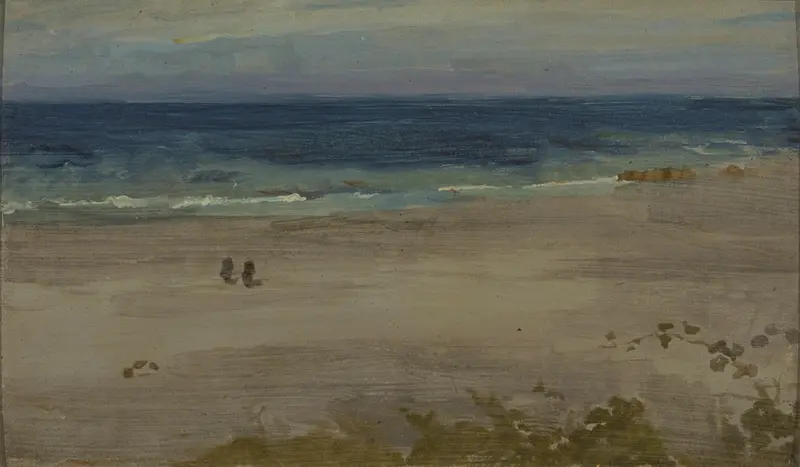
The Blue Sea
James McNeill Whistler
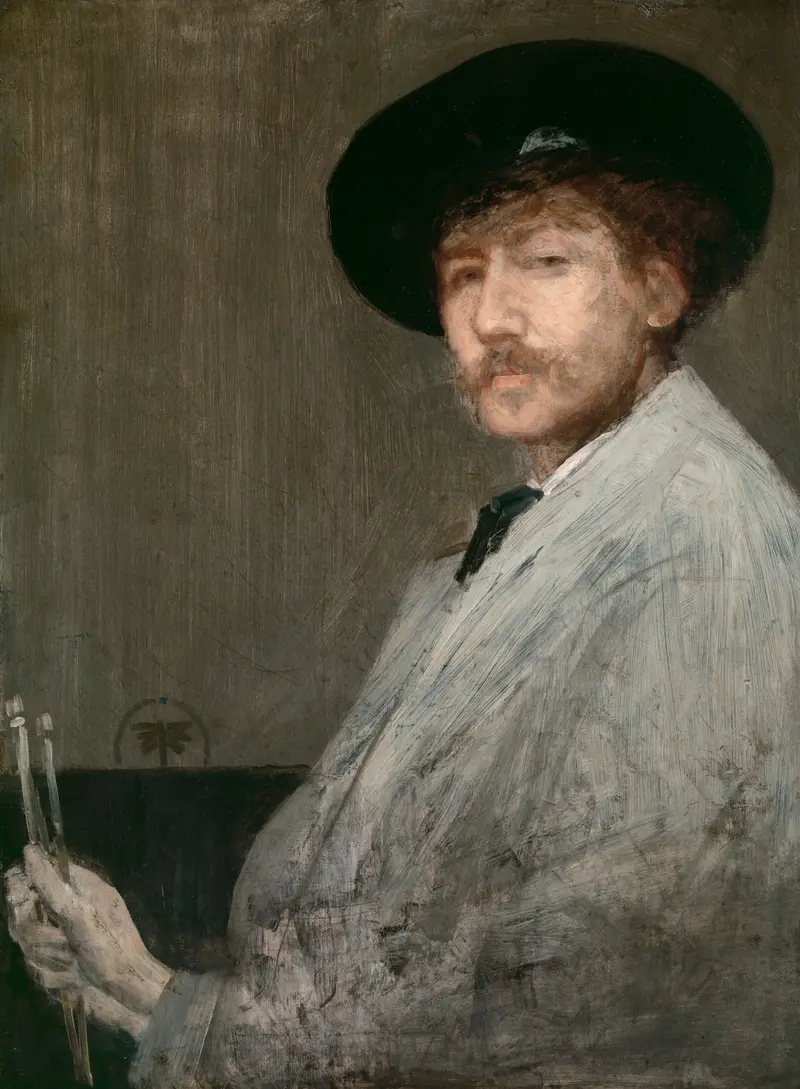
Arrangement in Gray: Portrait of the Painter
James McNeill Whistler
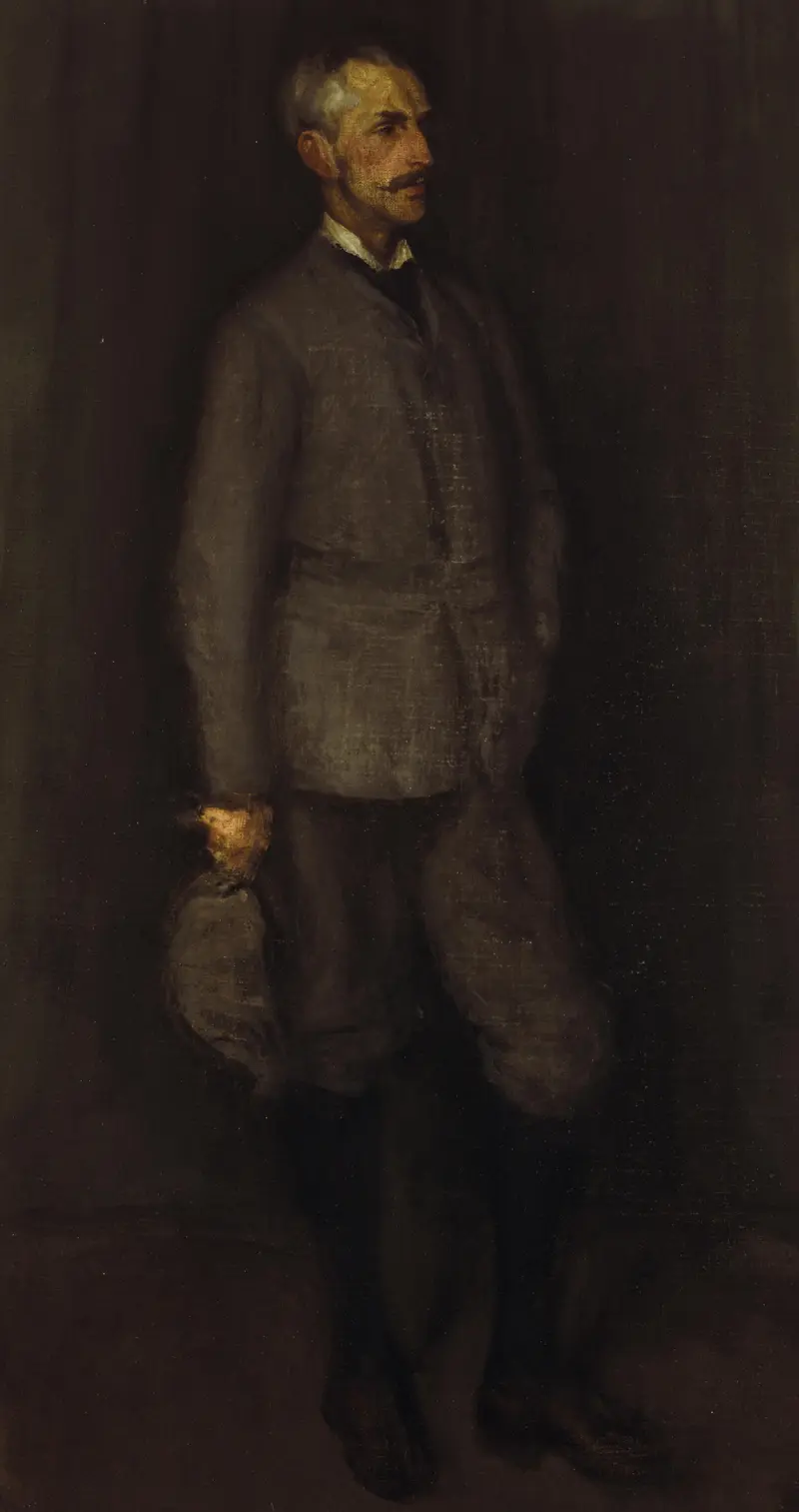
Arrangement in Grey and Green. Portrait of John James Cowan
James McNeill Whistler
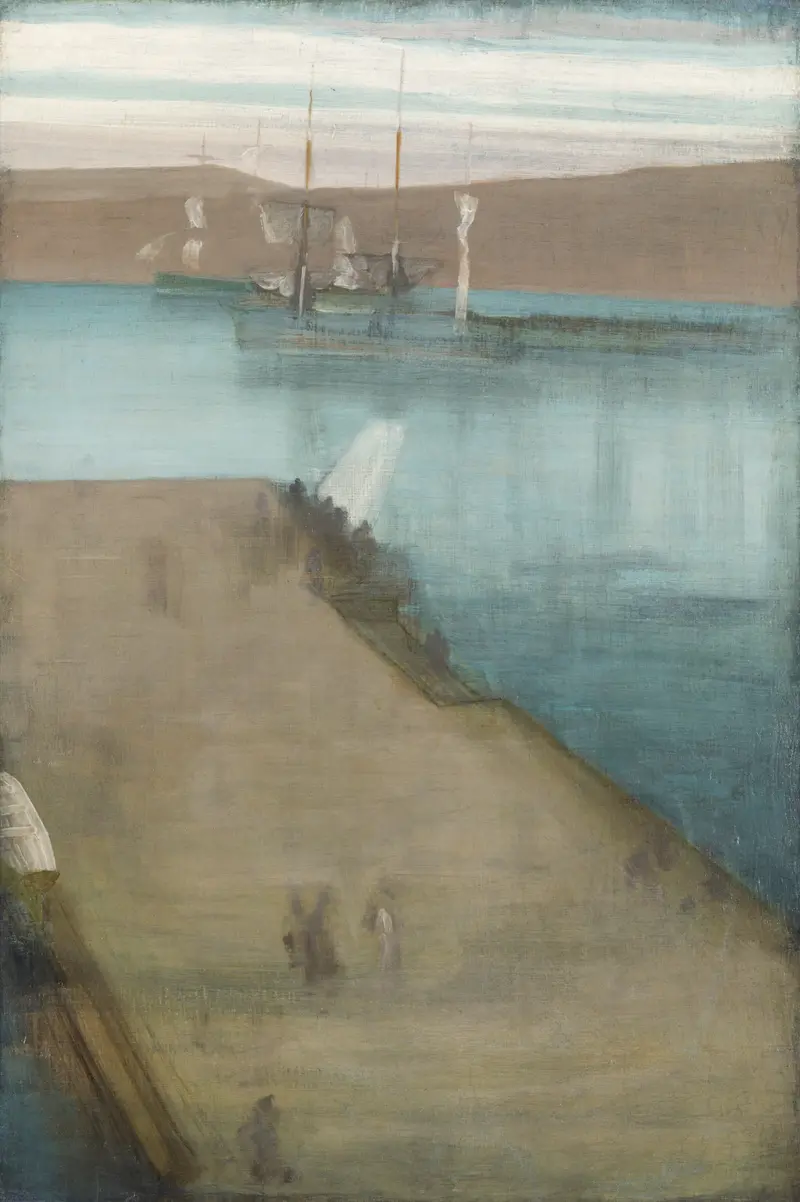
Valparaiso Harbor
James McNeill Whistler
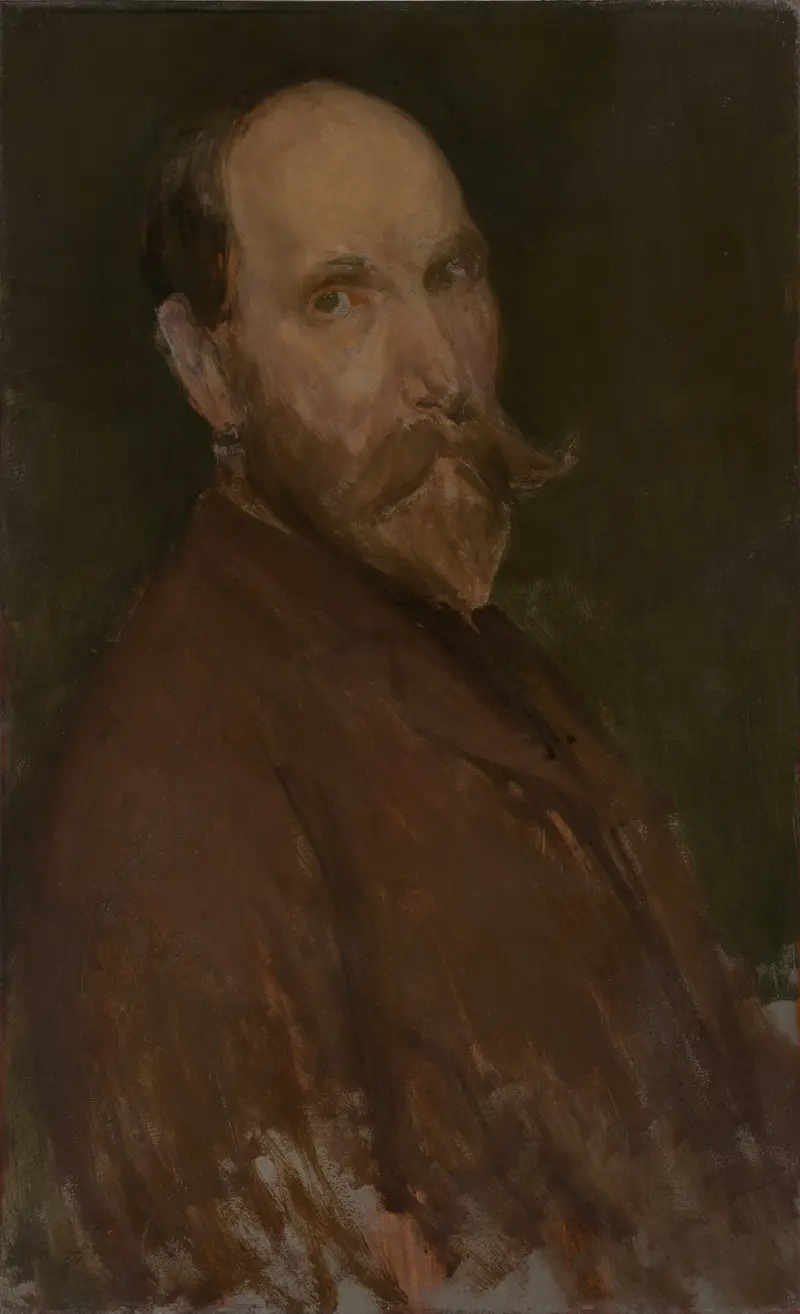
Charles Lang Freer
James McNeill Whistler