
Atlantic Puffin — History & Facts
The first thing that catches the eye in Atlantic Puffin by John James Audubon is the sharp contrast between the bird’s striking orange beak and feet and the soft, muted tones of the northern landscape. The scene is quietly dramatic: one puffin stands alert on the rocky turf, its head turned as if listening for a distant call, while another peers out from the shelter of a burrow, its gaze direct and unblinking. The composition draws the viewer in, from the crisp outline of the standing bird to the dark, inviting hollow of the nest.
Audubon’s attention to detail is not just decorative; the careful rendering of grass, stone, and feather signals a world where survival depends on camouflage and vigilance. The light falls evenly, giving the moment a sense of calm clarity, as if the viewer has stumbled upon this pair in the brief pause between sea and sky. Created between 1827 and 1838, this plate belongs to the celebrated Birds of America series, a monumental project that aimed to capture the diversity of North American birdlife with scientific accuracy and artistic flair. In Audubon’s era, such works were prized by collectors, naturalists, and institutions eager to document the continent’s natural riches.
The University of Pittsburgh now holds this particular print, a testament to the enduring value placed on both knowledge and beauty. History has kept few traces of the individual journeys of each plate, but the spirit of exploration and discovery that shaped Audubon’s world is still visible in every brushstroke—inviting the viewer to linger, to look again, and to imagine the wild coastlines where these birds still nest.
More Artworks by John James Audubon
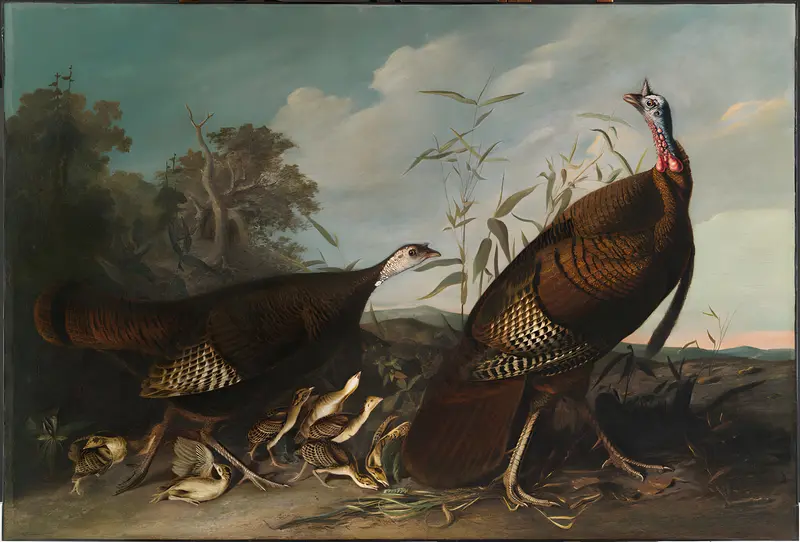
Wild Turkey Cock, Hen, and Chicks
John James Audubon
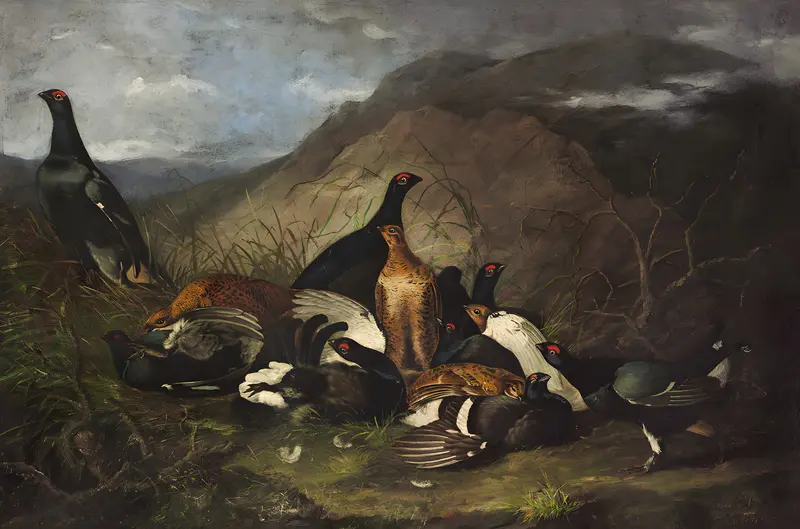
Scottish Black Grouse, Cocks and Hens
John James Audubon
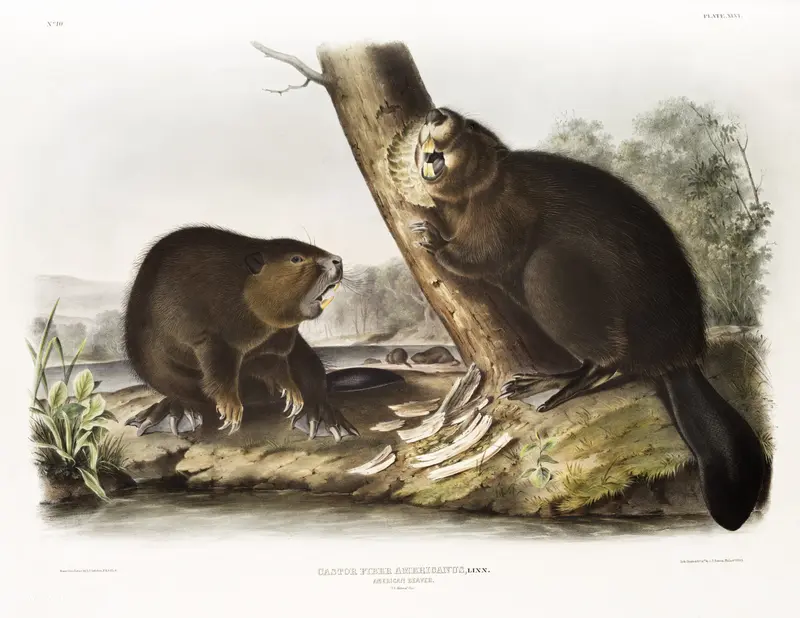
American Beaver
John James Audubon
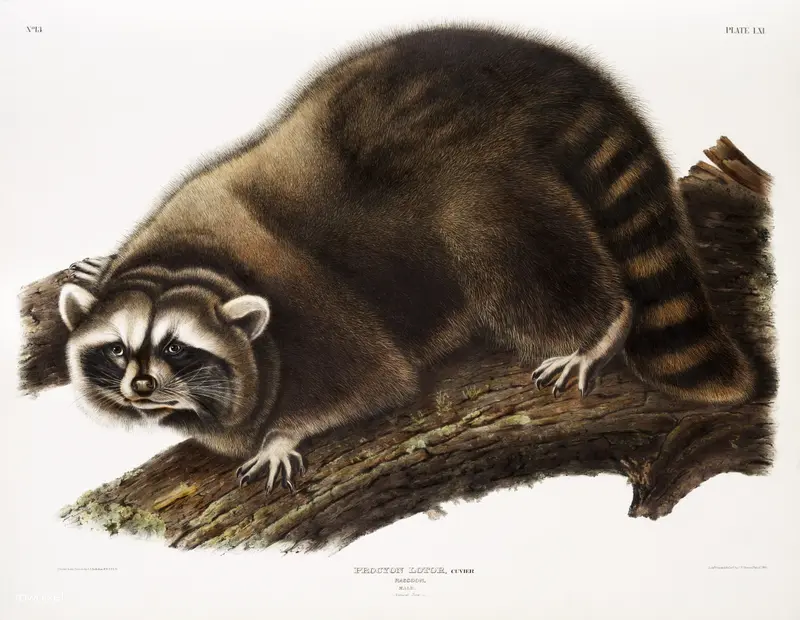
Raccoon
John James Audubon

Magnificent Frigatebird
John James Audubon
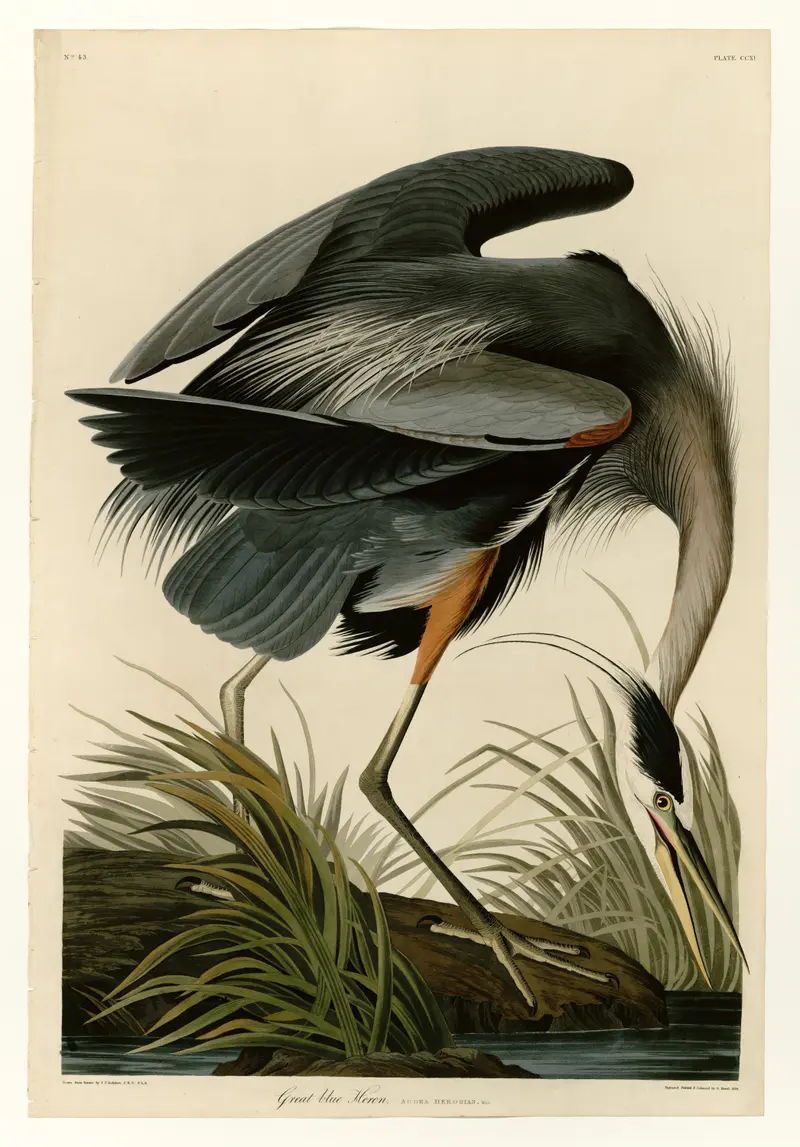
Great Blue Heron
John James Audubon
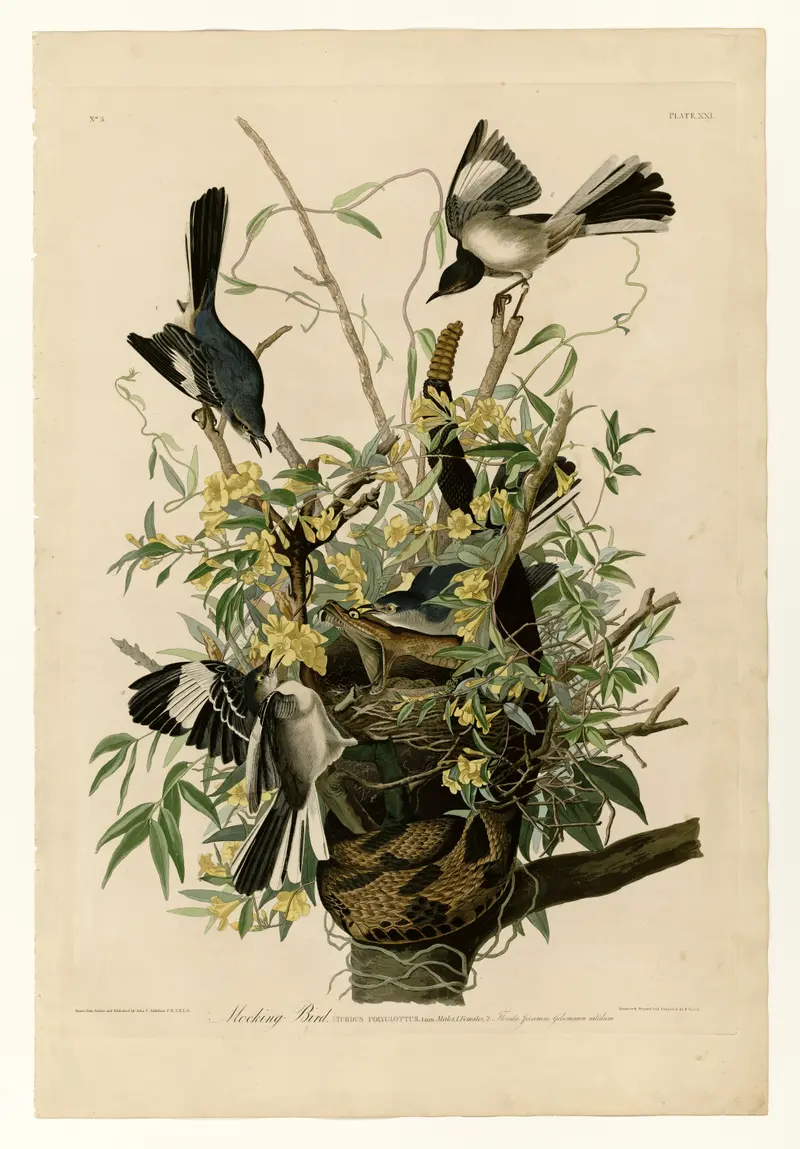
Northern Mockingbird
John James Audubon
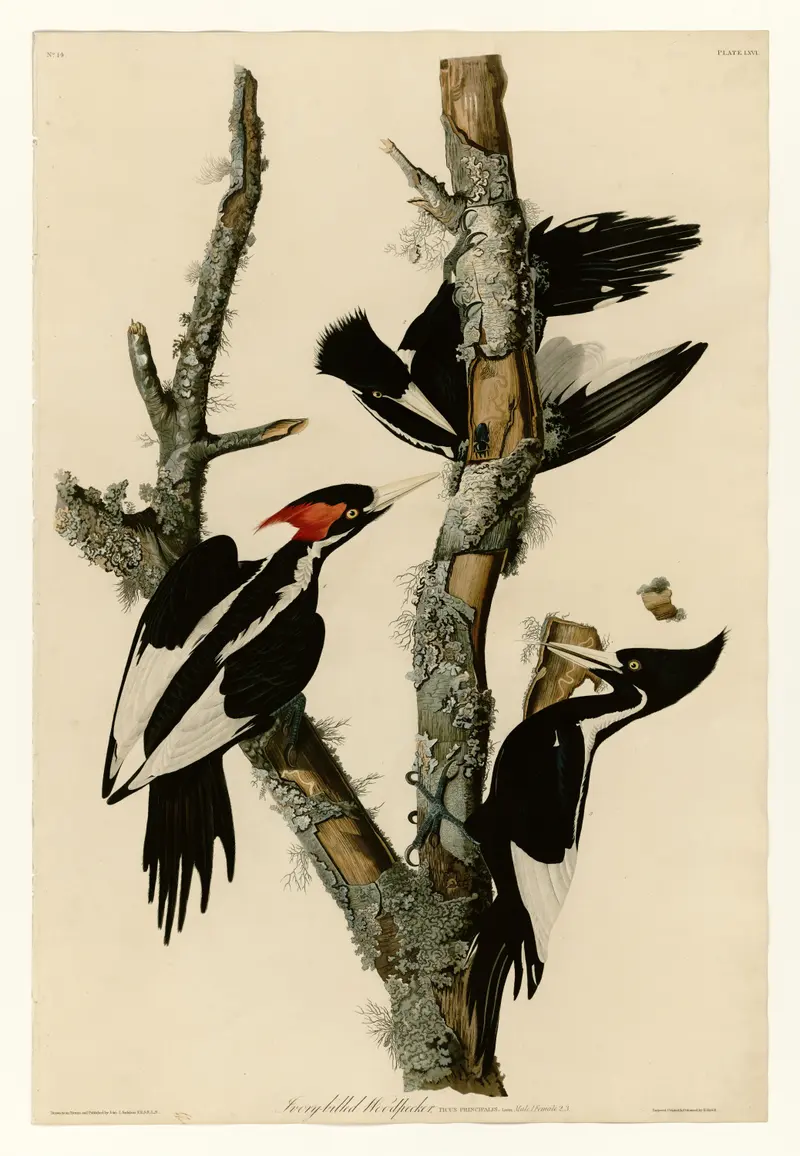
Ivory-billed Woodpecker
John James Audubon
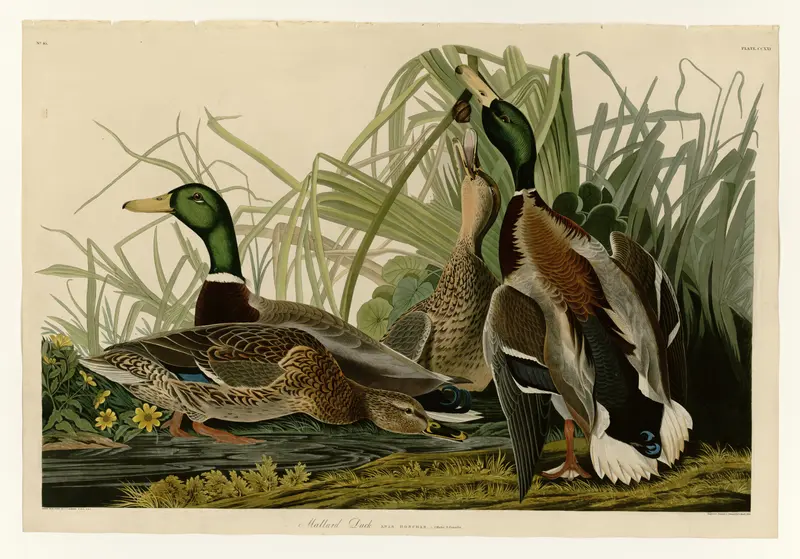
Mallard
John James Audubon
Ruby-throated Hummingbird
John James Audubon





