
Au bois de Boulogne — History & Facts
A single shaft of light seems to slice through the dense, vertical lines of the Bois de Boulogne, but it is the tangle of bodies at the forest’s heart that arrests the eye. Three figures, locked in a struggle, are rendered with urgent, almost frantic strokes, their forms barely distinct from the ground beneath them. The trees rise like prison bars, hemming in the scene and amplifying the sense of danger and secrecy.
The palette is reduced to stark black and white, a choice that sharpens the drama and leaves no room for sentimentality. Every mark pushes the viewer deeper into the woods, where the ordinary and the ominous collide. Created in 1890 and published in Paris by Aristide Bruant, this work belongs to a world where popular song, illustrated sheet music, and the nightlife of Montmartre intersected. The image served as the cover for a chanson by Bruant, a figure celebrated for his gritty, unsparing lyrics about Parisian life.
Such illustrations were not just advertisements but invitations—visual overtures to the stories and moods of the songs they accompanied. In the hands of Théophile Alexandre Steinlen, a master of the Parisian street scene, the everyday became charged with social commentary. History has kept few traces of this specific sheet, but its survival in the Bibliothèque nationale de France lets us step, for a moment, into the shadows of fin-de-siècle Paris—where music, menace, and modernity met.
More Artworks by Théophile Alexandre Steinlen

Village et charrette
Théophile Alexandre Steinlen
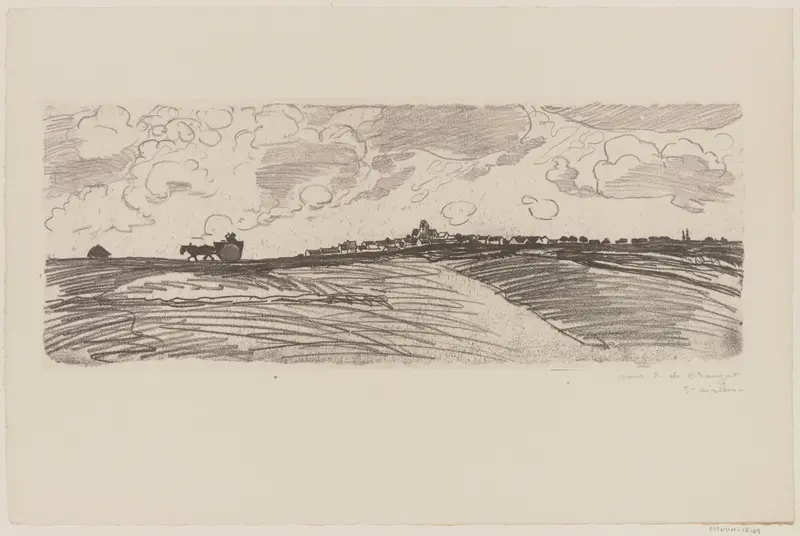
Village et charrette
Théophile Alexandre Steinlen
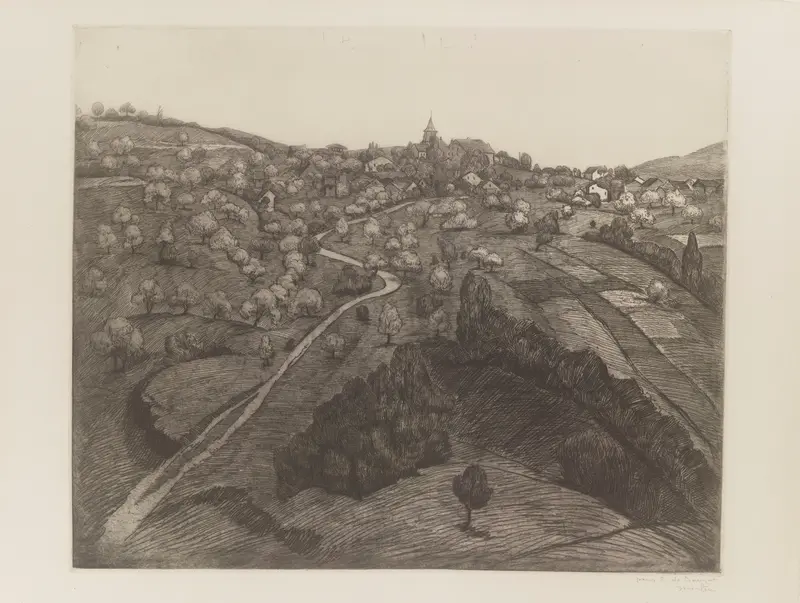
Vue de Belmont, près de Lausanne
Théophile Alexandre Steinlen
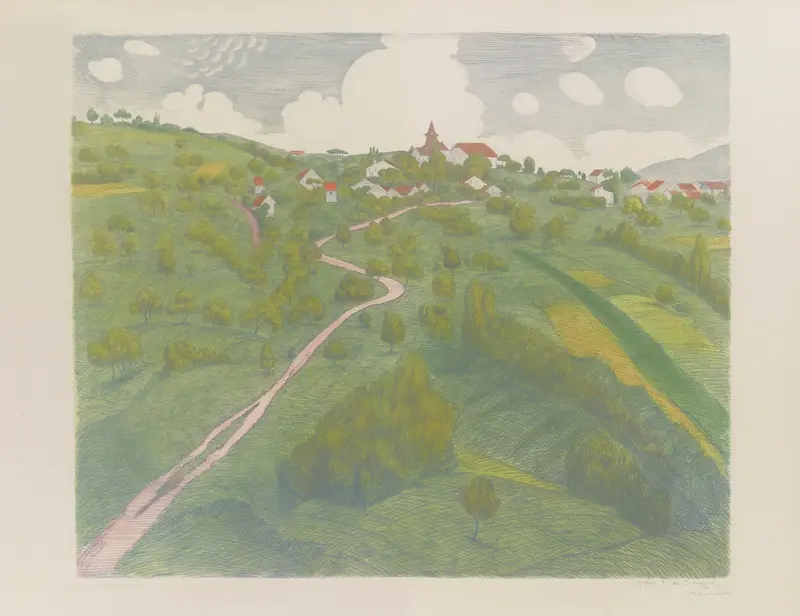
Vue de Belmont, près de Lausanne
Théophile Alexandre Steinlen
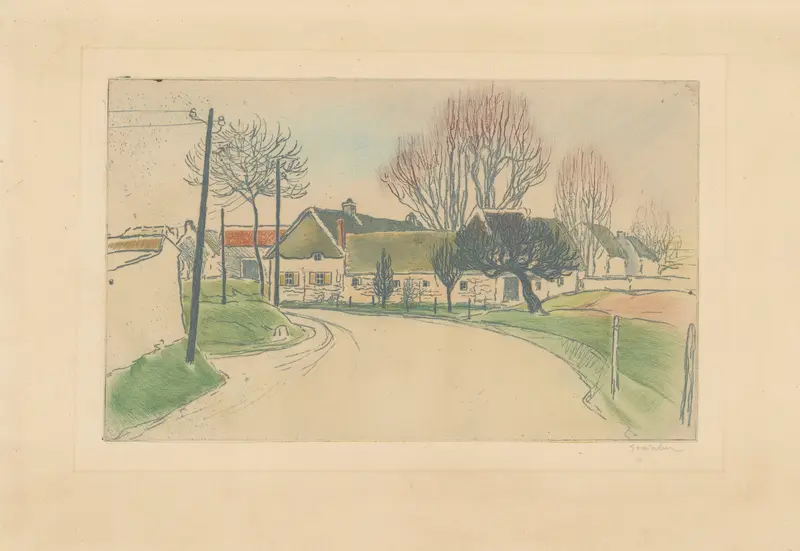
La maison à l’entrée du village
Théophile Alexandre Steinlen
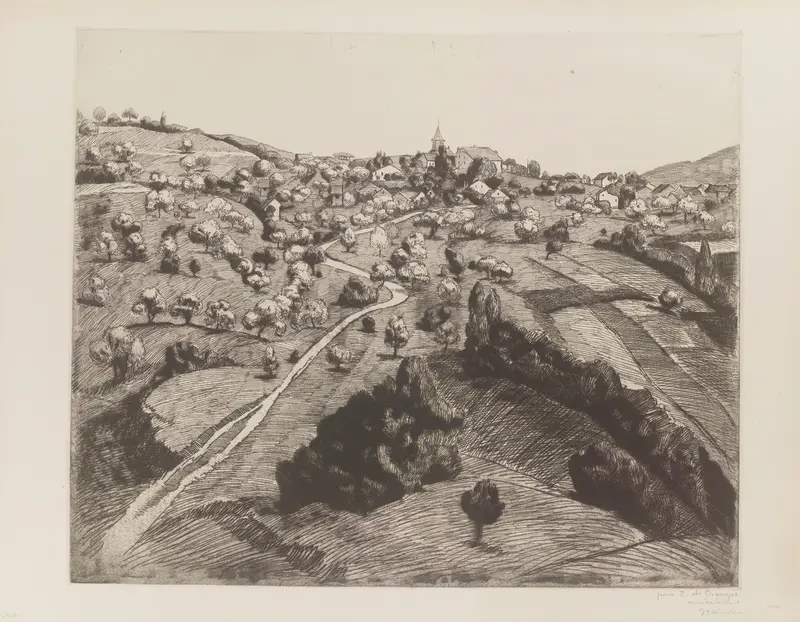
Vue de Belmont, près de Lausanne
Théophile Alexandre Steinlen
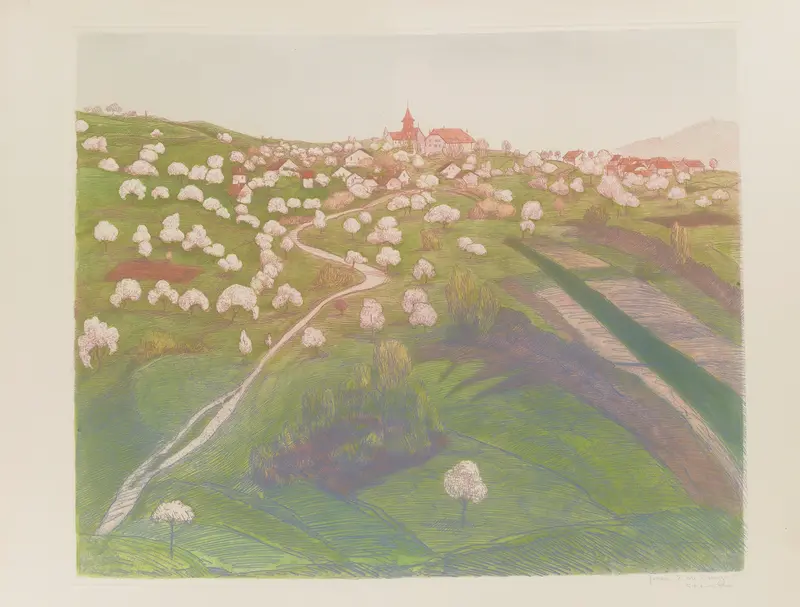
Vue de Belmont, près de Lausanne, n° 2
Théophile Alexandre Steinlen
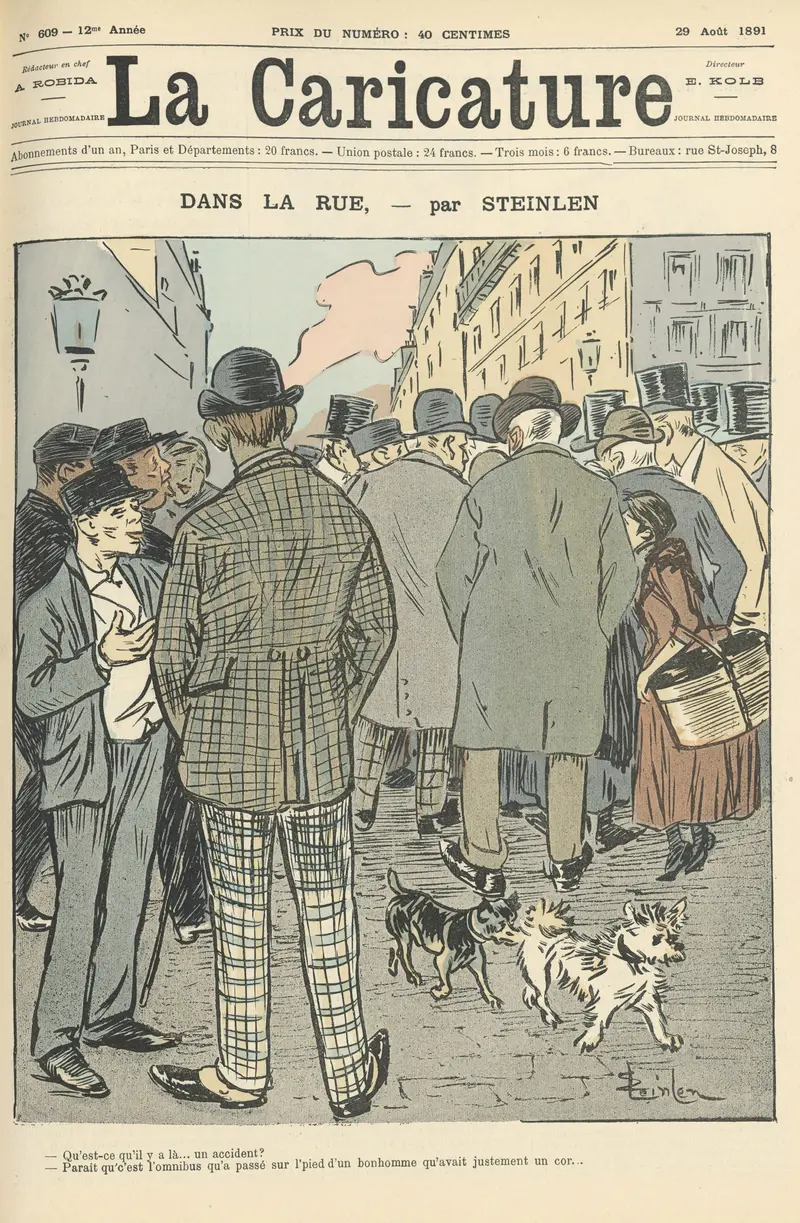
Dans la rue (La Caricature, 29 août 1891)
Théophile Alexandre Steinlen
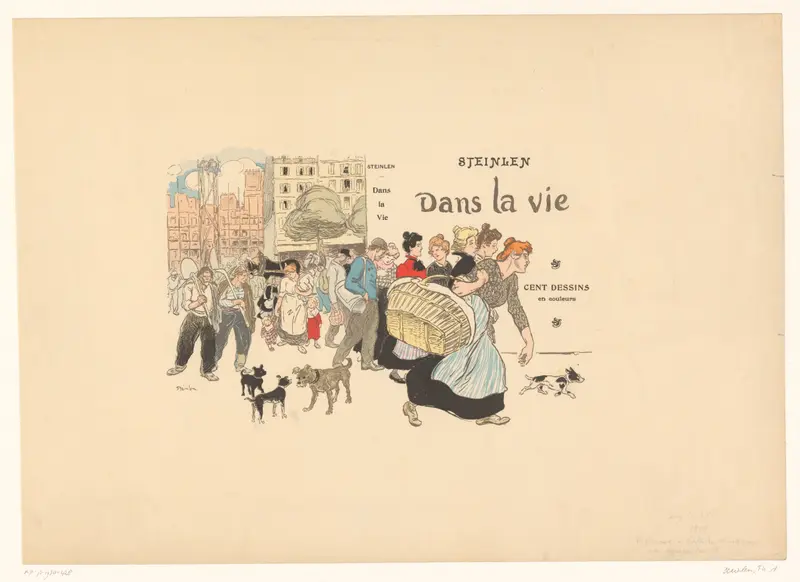
Dans la vie
Théophile Alexandre Steinlen
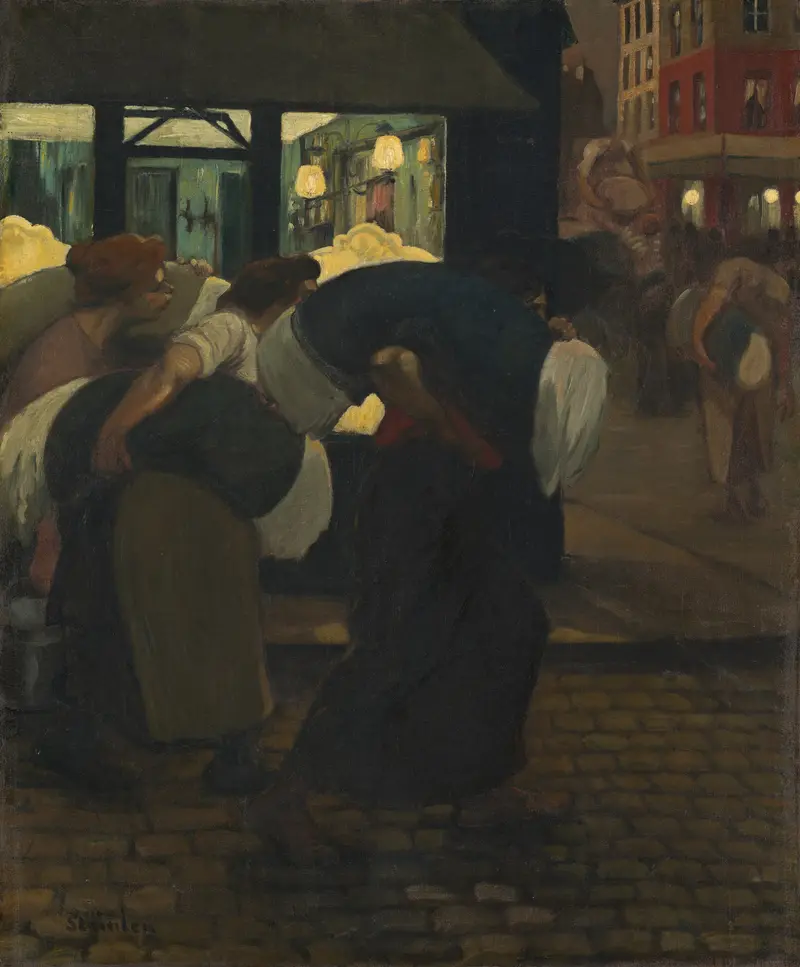
The Laundresses
Théophile Alexandre Steinlen
More Genre Scene Art

Banquet of the Officers of the St George Civic Guard
Frans Hals

Rembrandt and Saskia in the Scene of the Prodigal Son
Rembrandt van Rijn

Bal du moulin de la Galette
Pierre-Auguste Renoir

Quadrille at the Moulin Rouge
Henri de Toulouse-Lautrec

A Burial at Ornans
Gustave Courbet

When Will You Marry?
Paul Gauguin