
Au Bord Du Lac — History & Facts
In that fleeting moment, the viewer is invited to encounter a deeper realm, one woven with illusion and essence. How does a landscape transcend mere representation to become a portal of emotion and contemplation? Look to the left at the gentle undulations of the water, where the surface mirrors the sky—soft blues and whites breathing life into the canvas. Notice how the brushstrokes create a shimmering illusion, capturing the essence of tranquility.
The trees, standing sentinel on the bank, are painted with a meticulous attention to texture, their leaves whispering stories of the wind and time. The interplay of light and shadow dances across this serene lakeside, beckoning the viewer into a world of reflection and calm. Yet within this quiet beauty lies a tension—a contrast between stillness and the life that pulses just beyond the edges of the frame. The delicate hues suggest a fleeting moment, as if time itself holds its breath, while the vibrant pigments evoke an underlying energy that disrupts the peace.
The viewer is left contemplating not just the scene before them, but the ephemeral nature of existence and the illusions we construct to find solace. In 1898, Henri-Joseph Harpignies painted this work during a period when France was flourishing in the arts, yet he chose a path less traveled, focusing on landscapes that conveyed emotional truths. Emerging from the influence of the Barbizon School, his style refined itself amidst the shifting tides of Impressionism, allowing him to capture the essence of nature with an intimate touch that resonated deeply in a world increasingly reliant on industrialization.
More Artworks by Henri-Joseph Harpignies
Browse all →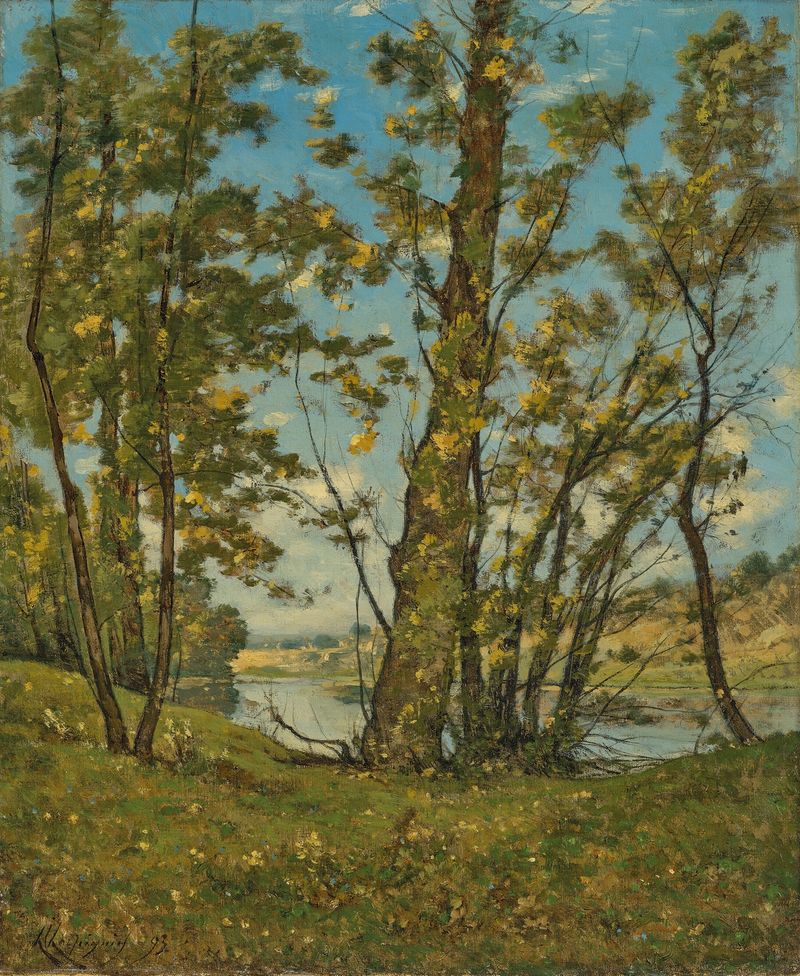
La Loire à Bonny
Henri-Joseph Harpignies
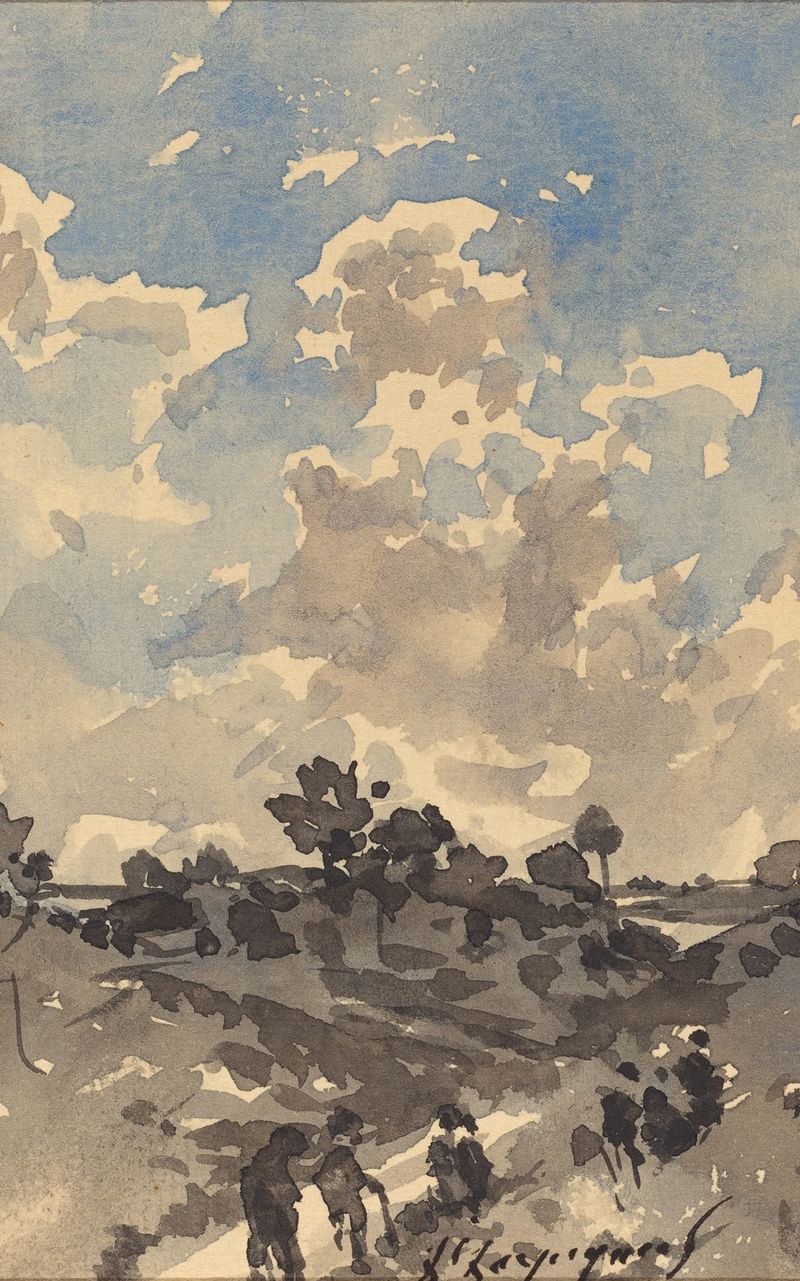
A Landscape with Figures Walking along a Path
Henri-Joseph Harpignies
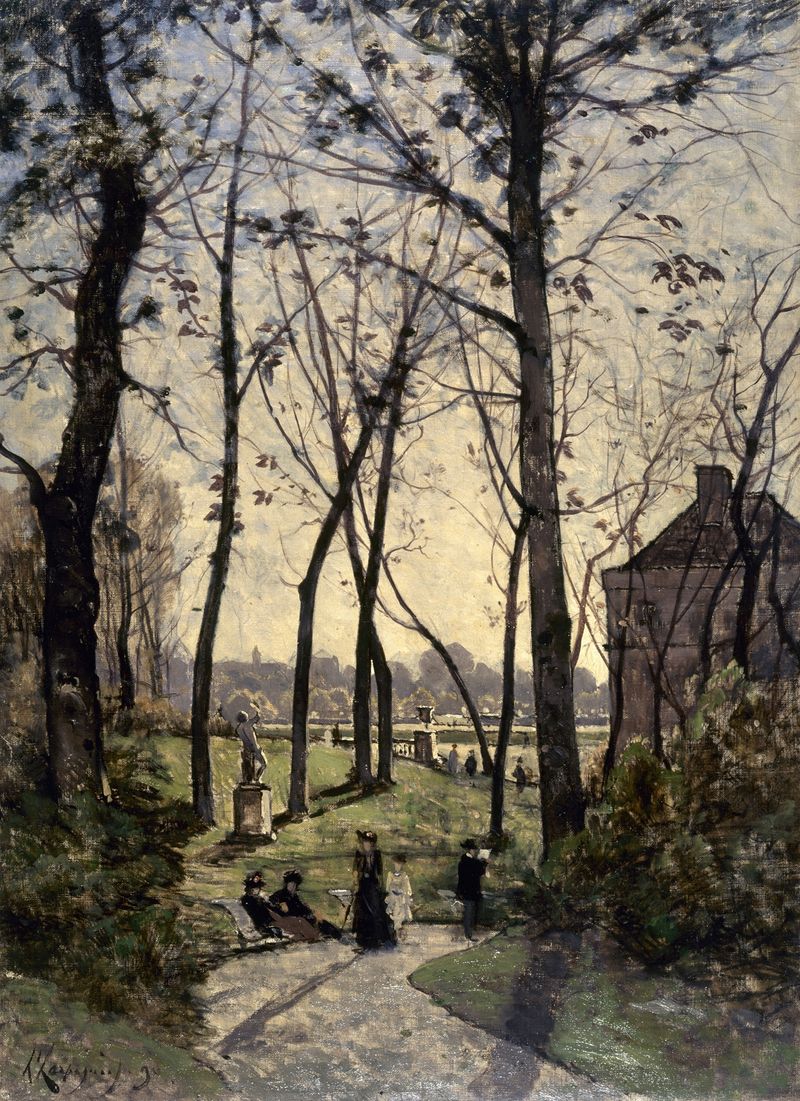
Le jardin du Luxembourg
Henri-Joseph Harpignies
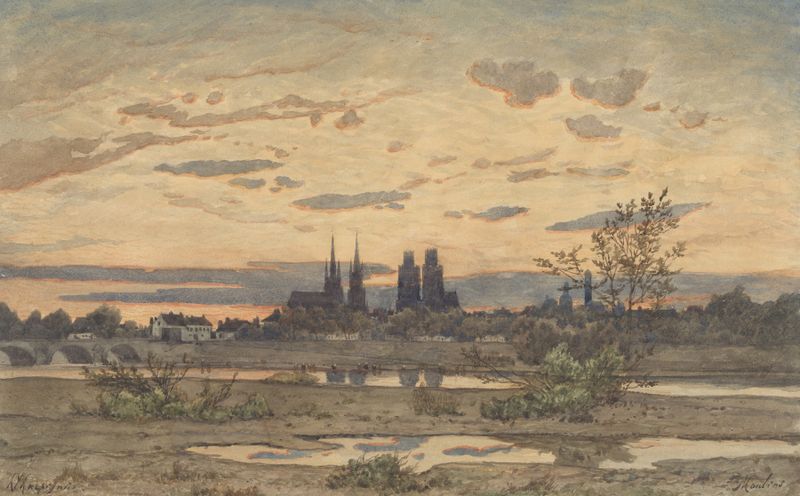
A View of Moulins
Henri-Joseph Harpignies
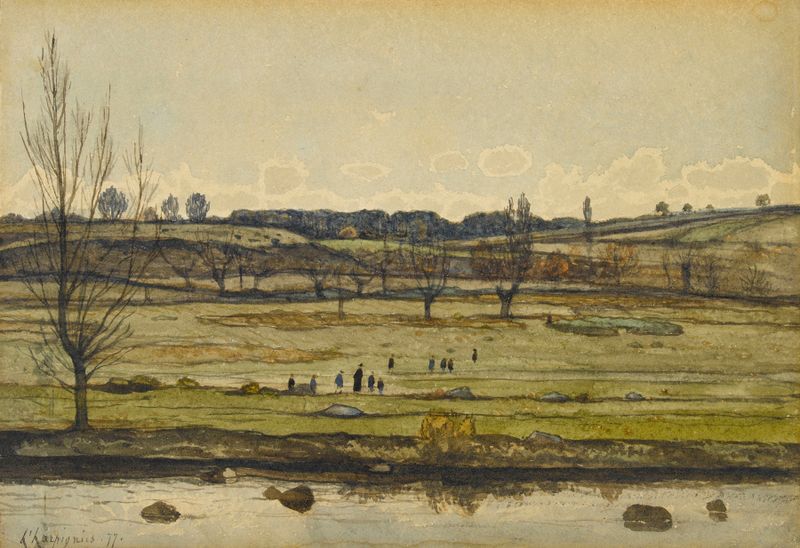
Paysage
Henri-Joseph Harpignies
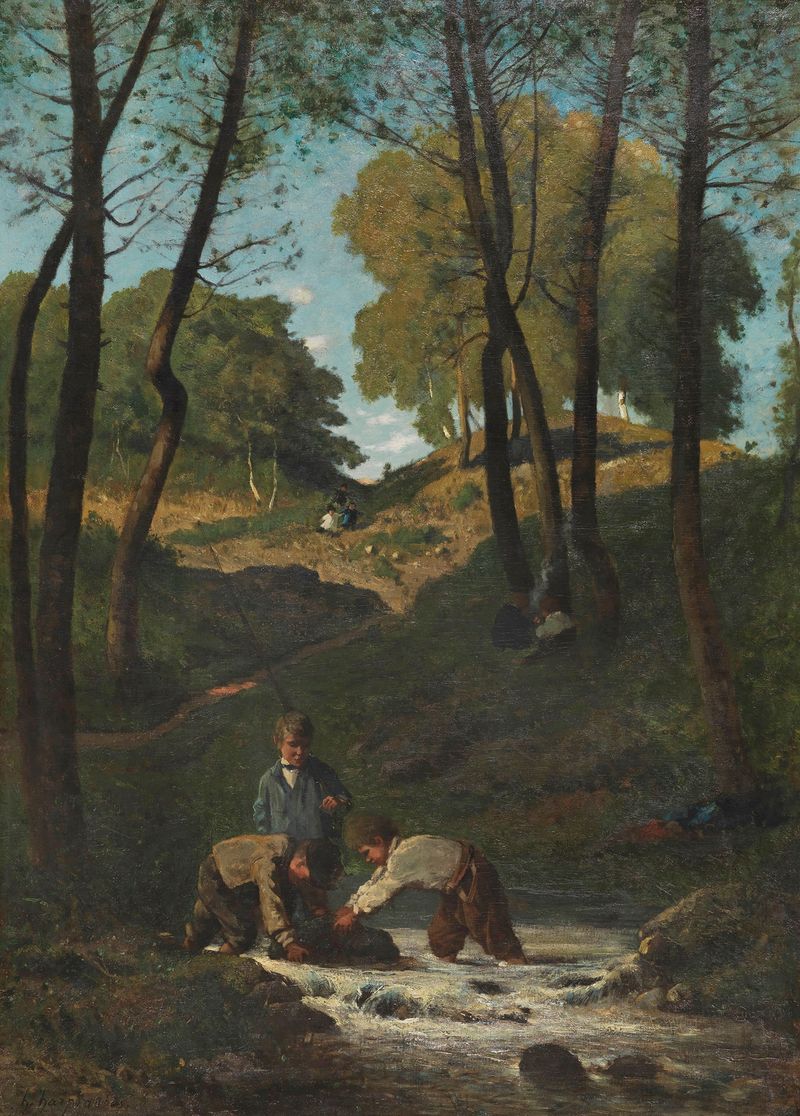
Chercheurs d’écrevisses
Henri-Joseph Harpignies
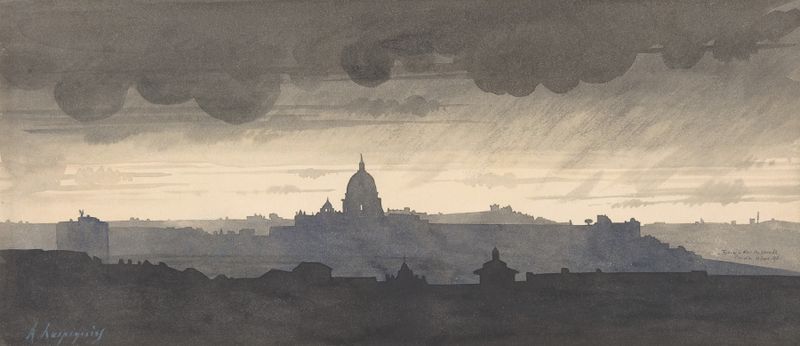
Saint Peter’s Seen From the Pincio, Rome
Henri-Joseph Harpignies
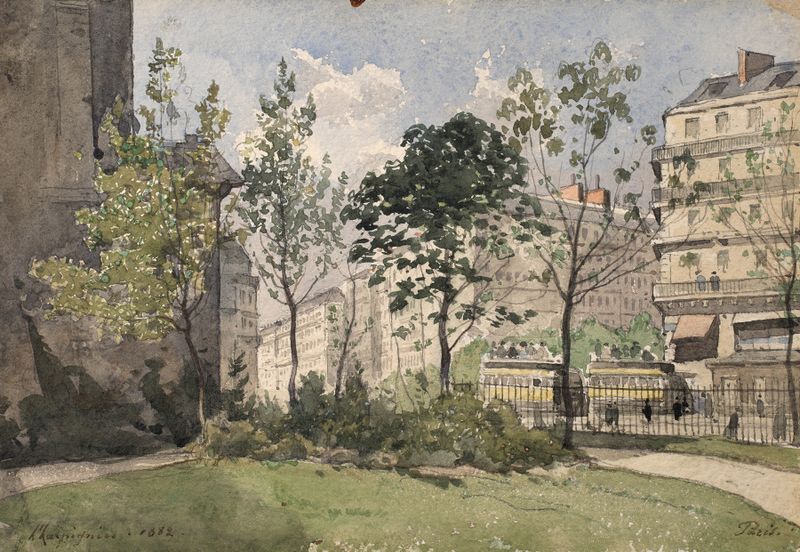
View of the forecourt of the Saint-Germain-des-Prés church
Henri-Joseph Harpignies
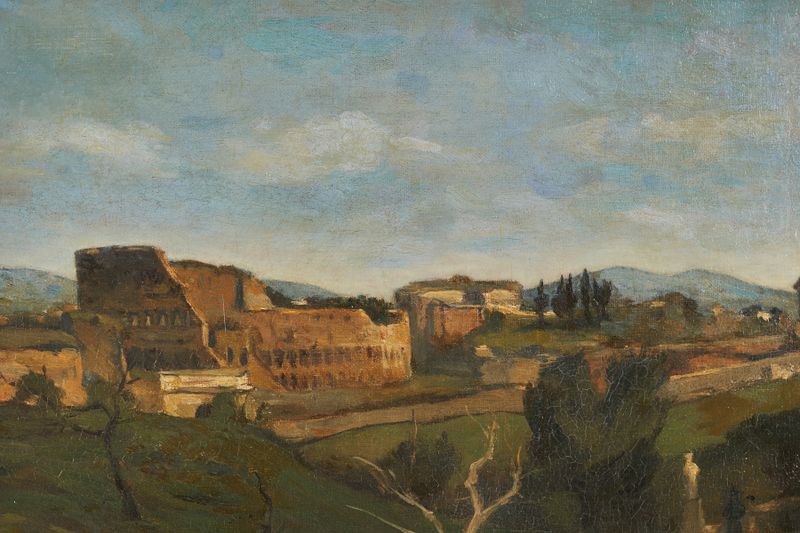
Le Colisée à Rome
Henri-Joseph Harpignies

Villefranche
Henri-Joseph Harpignies





