Aus Etzenhausen – Gartenwirtschaft — History & Analysis
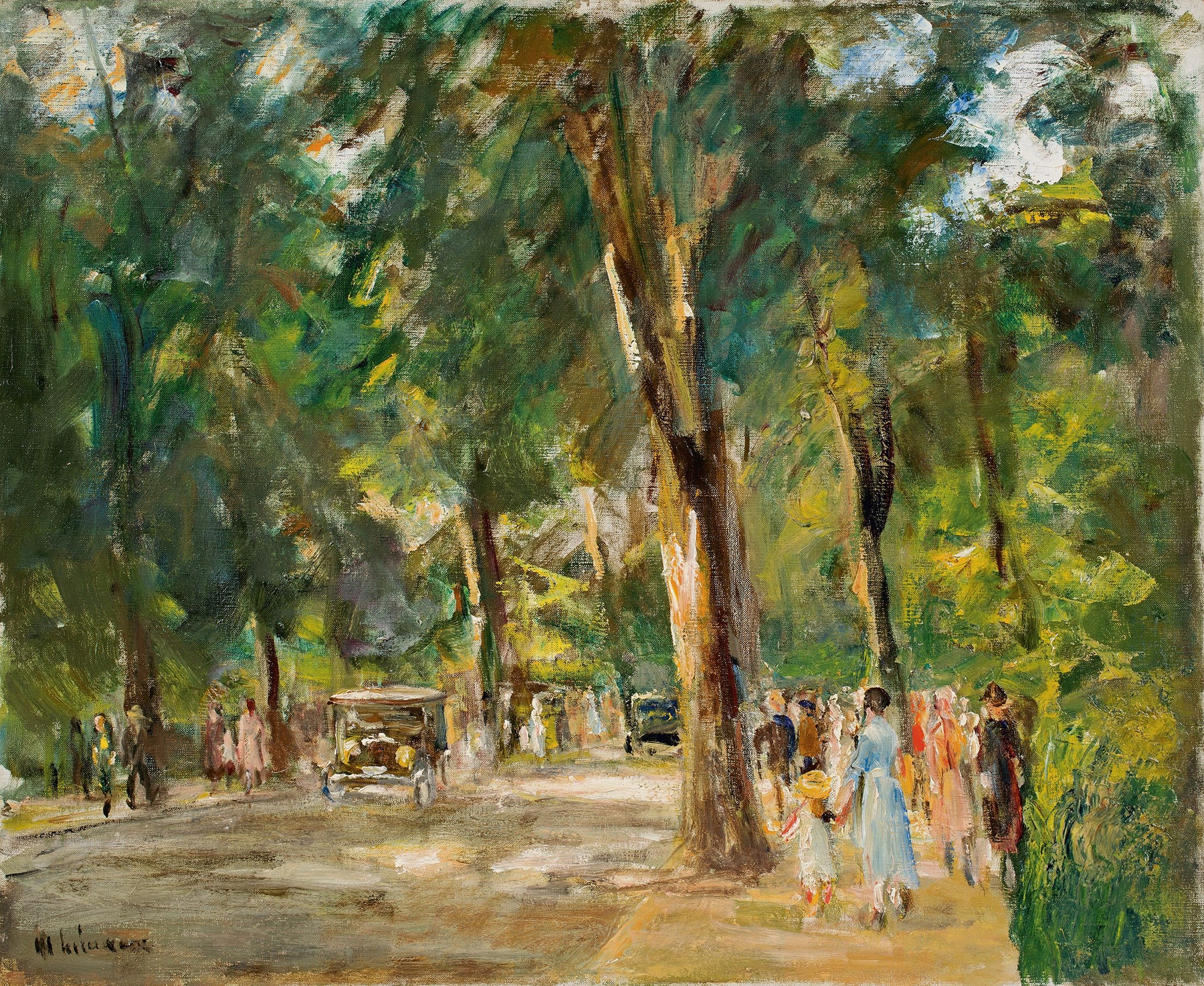
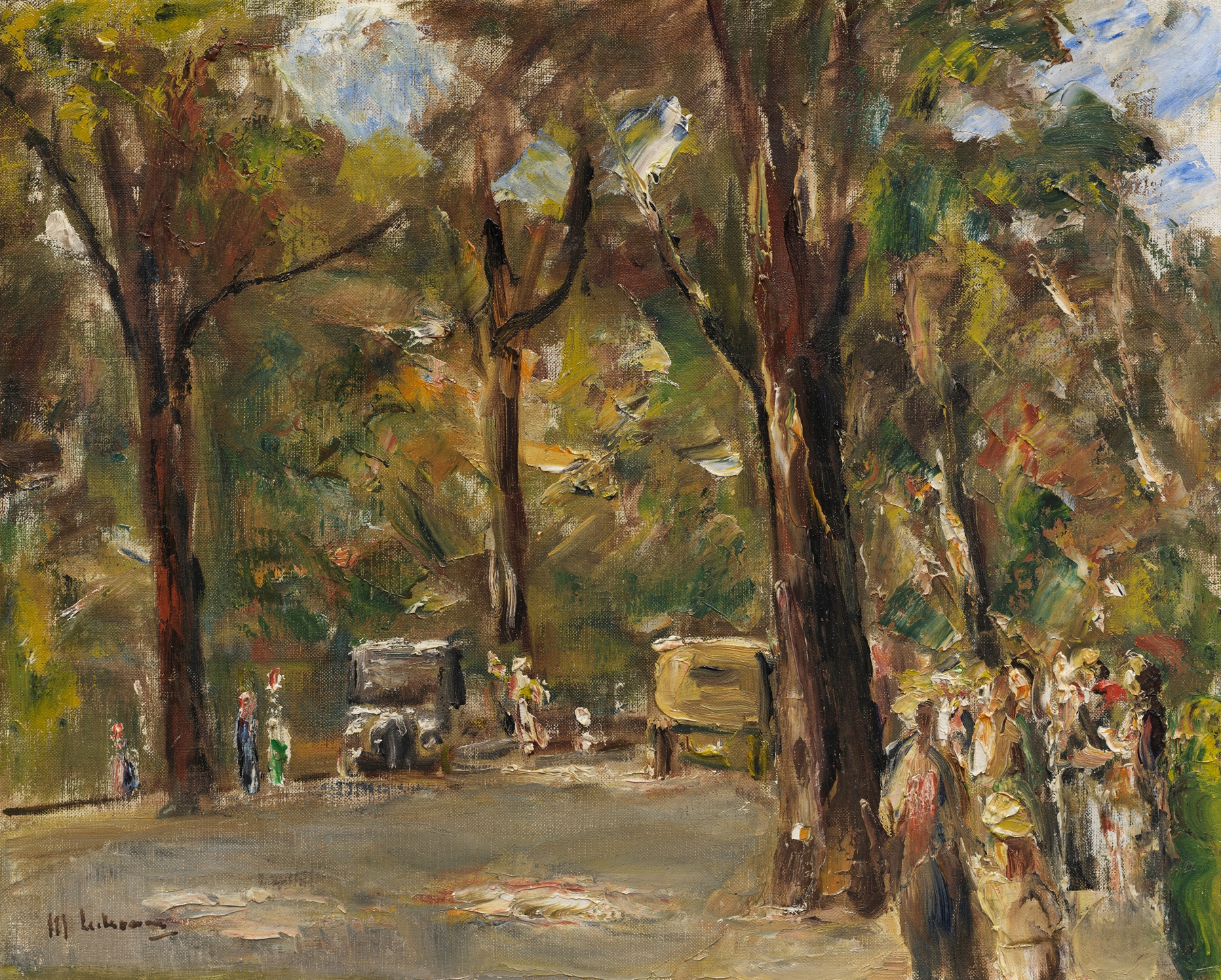
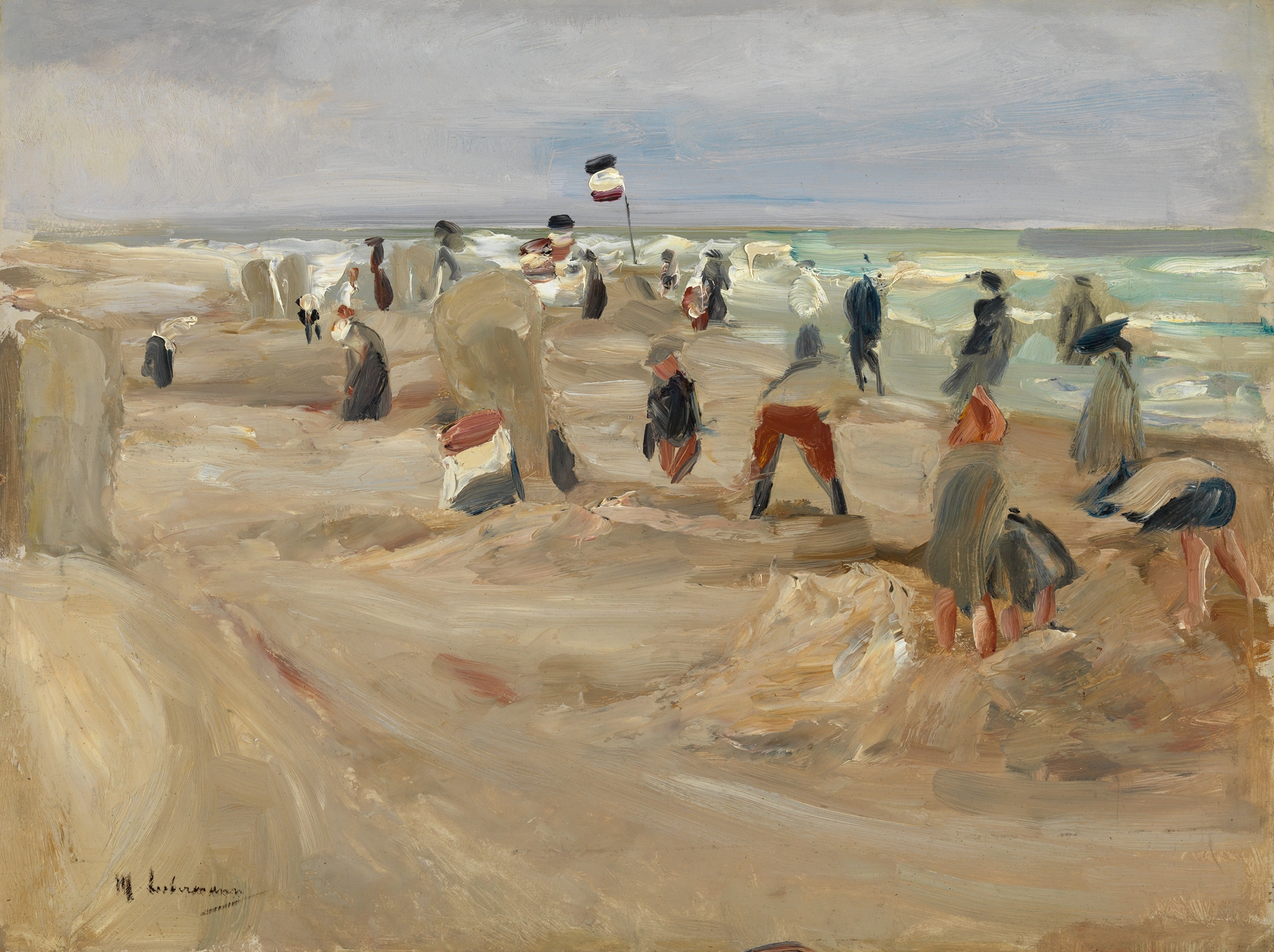
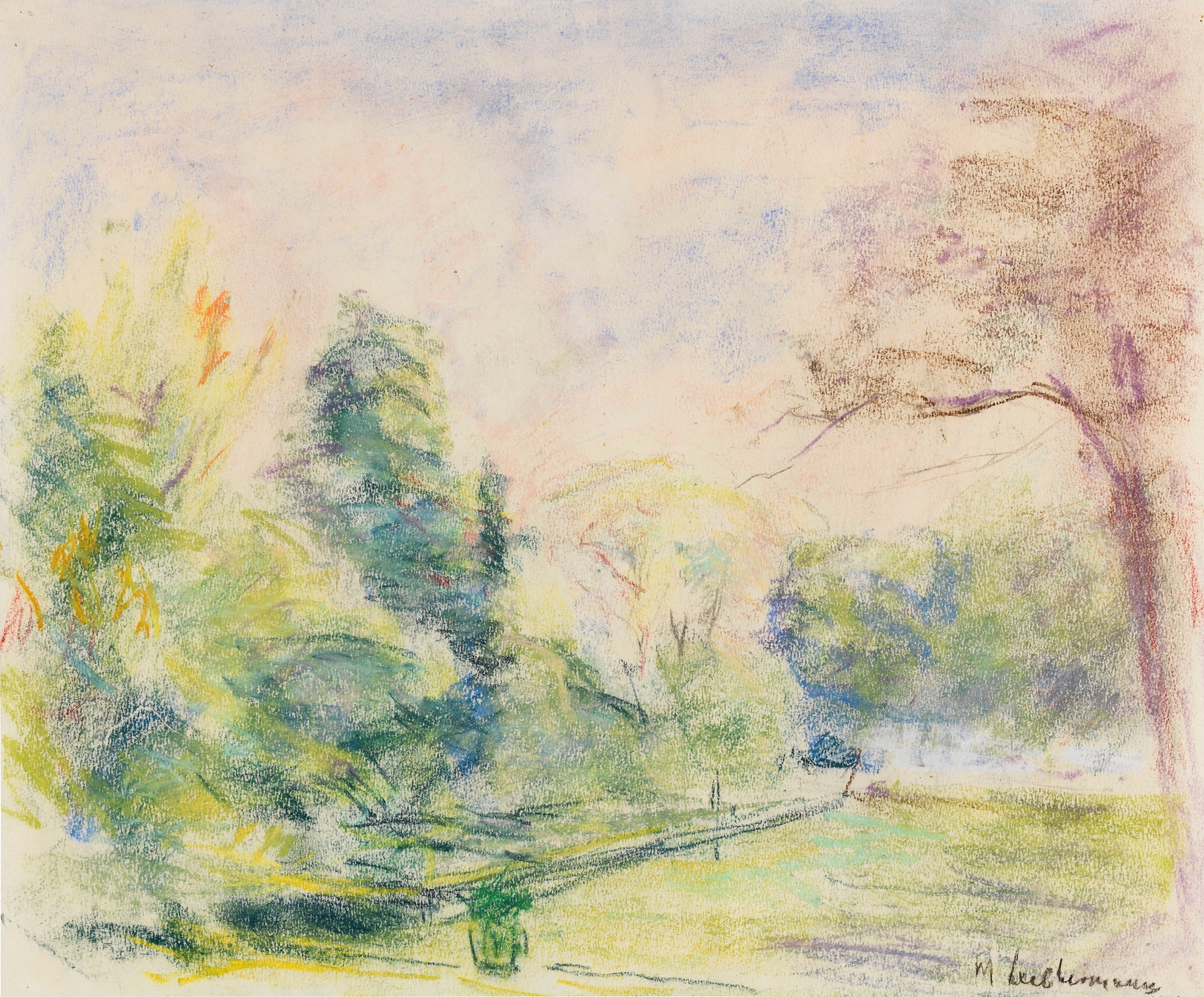
Where does light end, and longing begin? In Max Liebermann’s Aus Etzenhausen – Gartenwirtschaft, the interplay of sunlight and shadow evokes a profound sense of nostalgia, inviting us to ponder our own connections to nature and leisure. Look to the left at the dappled sunlight filtering through lush green leaves, each brushstroke revealing the vibrancy of summer’s embrace. The scene is alive with figures, laughing and conversing, caught in their blissful escape from daily routine. The soft hues of the garden blend seamlessly with the earthy tones of their attire, creating a harmonious tableau that pulls the viewer into a moment of serene joy.
Notice the meticulous detail in the foliage, emphasizing the artist’s deep appreciation for nature's beauty and the tranquil ambiance of a garden café. The composition speaks to contrasts—between light and shadow, laughter and silence, presence and memory. Each figure is a vessel of emotion, embodying life’s fleeting pleasures. The warm color palette suggests a nostalgic glow, hinting at lost moments and forgotten days, while the lush surroundings encapsulate a longing for simpler times.
The depth in the painting fosters reflection on the transient nature of joy and the enduring spirit of community. Painted in 1879, this work emerged during a period of significant transformation for Liebermann. Living in Berlin, he became a key figure in the German Impressionist movement, navigating between traditional techniques and modern expression. This piece captures not only the vibrant life of his time but also a yearning for the pastoral peace of rural settings, bridging the artist’s personal experience with broader cultural currents in art.