
Autumn — History & Facts
A flash of orange draws the eye first: a gentleman in a feathered hat, his cloak vivid against the muted earth and water, gestures as if caught mid-conversation with a young woman on a riverside path. Around them, the world hums with quiet, everyday business—an old woman stoops over her fruit, a boy relieves himself against a wagon wheel, and fishermen labor in boats that catch the low, silvery light. Every figure is absorbed in their own moment, yet the composition ties them together in a tapestry of autumnal life, the season signaled not just by fallen fruit but by the sense of things winding down, settling in, preparing for winter. Painted in 1625, Autumn by Adriaen Pietersz van de Venne belongs to a tradition of Dutch genre painting that delights in the ordinary, yet never treats it as mundane.
The artist’s fine brushwork and careful arrangement of figures invite the viewer to linger, to notice the interplay of social classes, the subtle humor, and the fleeting pleasures of the season. Works like this were often commissioned for prosperous homes, reminders of the cycles of nature and society, and part of larger series—here, one of four representing the year’s turning. History has kept few traces of this painting’s early life, but its place in the Rijksmuseum today lets us step into a world where the gentle bustle of a Dutch autumn is forever in motion.
More Artworks by Adriaen Pietersz van de Venne
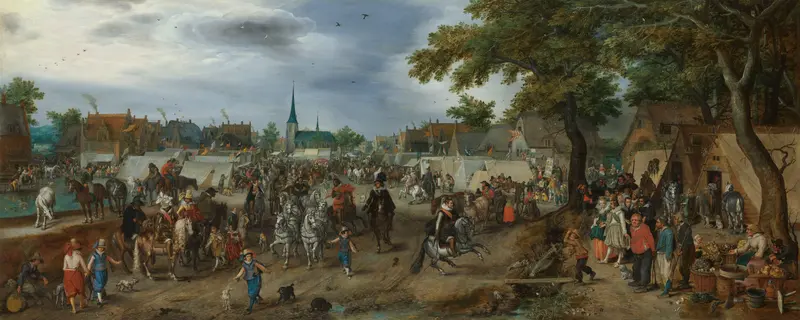
Princes Maurice and Frederick Henry at the Valkenburg Horse Fair
Adriaen Pietersz van de Venne
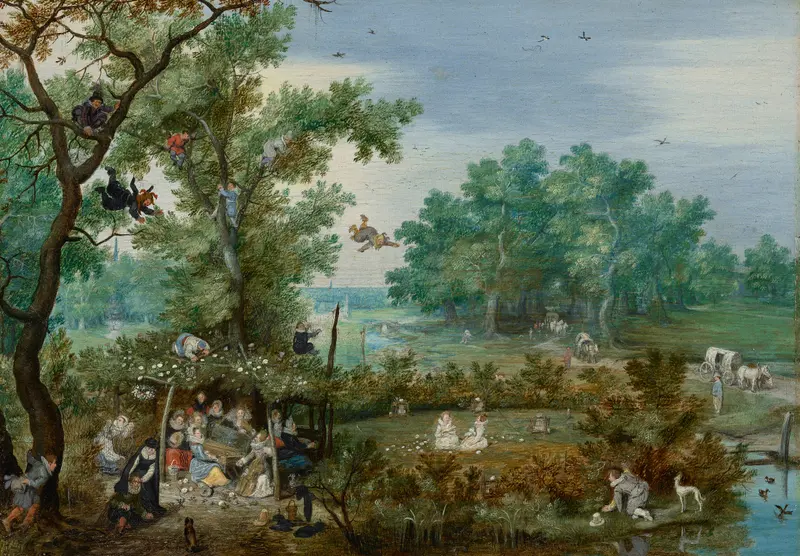
Merry Company in an Arbor
Adriaen Pietersz van de Venne
Princes Maurice and Frederick Henry at the Valkenburg Horse Fair
Adriaen Pietersz van de Venne
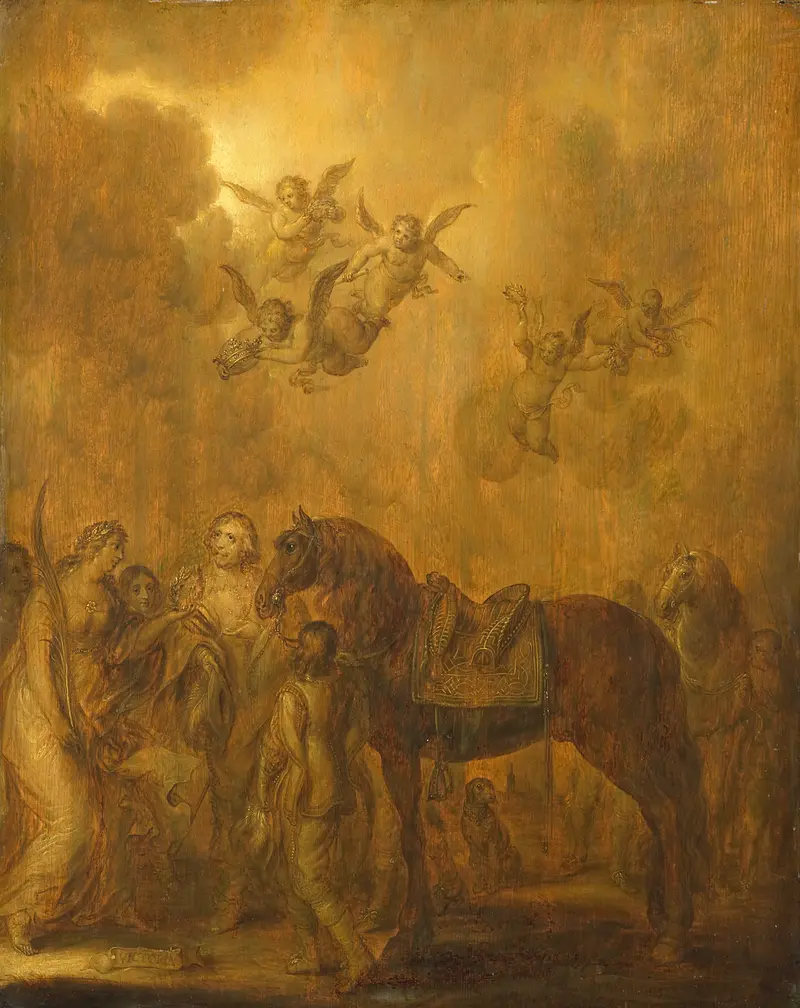
Allegory of the Stadtholdership of Prince Frederick Henry
Adriaen Pietersz van de Venne
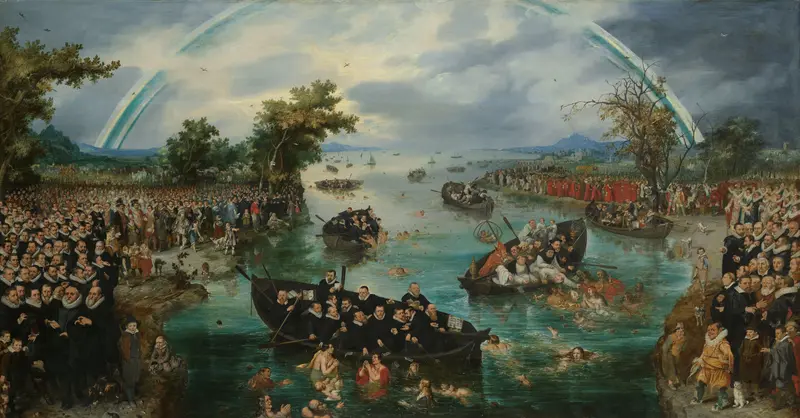
Fishing for Souls
Adriaen Pietersz van de Venne
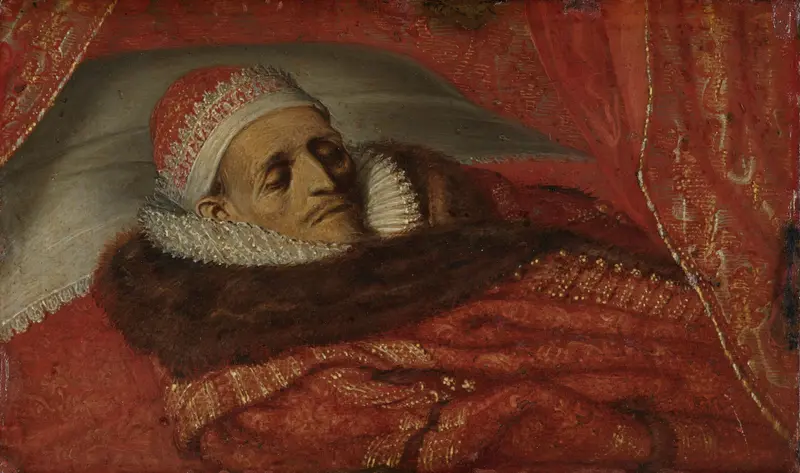
Stadtholder Prince Maurice Lying in State
Adriaen Pietersz van de Venne
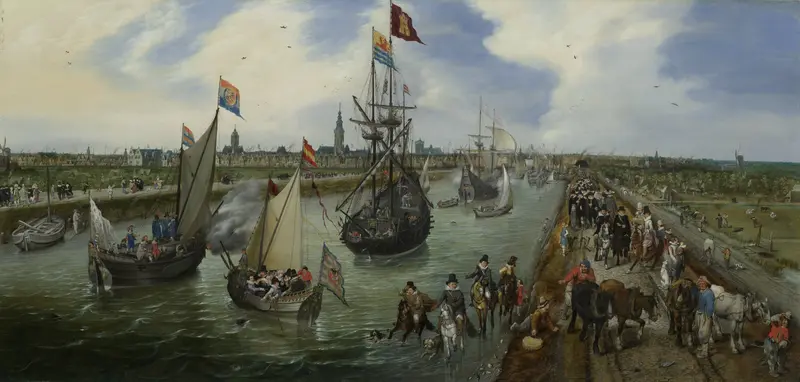
The Departure of a Dignitary from Middelburg
Adriaen Pietersz van de Venne
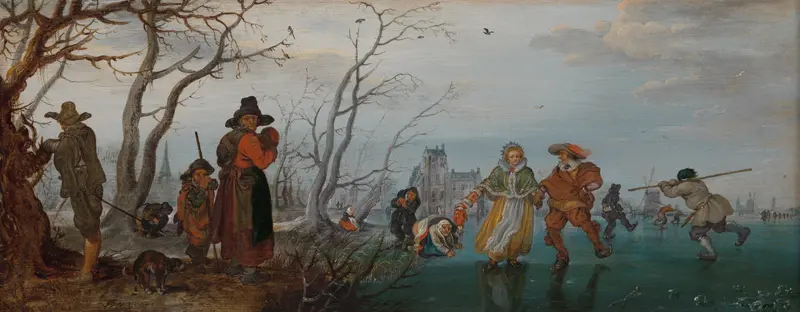
Winter
Adriaen Pietersz van de Venne

A Jeu de Paume Before a Country Palace
Adriaen Pietersz van de Venne
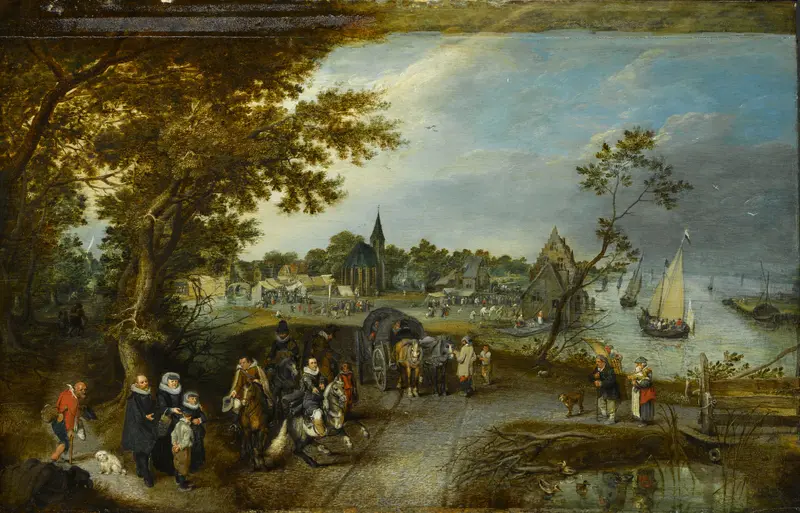
Landscape with Figures and a Village Fair (Village Kermesse)
Adriaen Pietersz van de Venne
More Genre Scene Art

Banquet of the Officers of the St George Civic Guard
Frans Hals

Rembrandt and Saskia in the Scene of the Prodigal Son
Rembrandt van Rijn

Bal du moulin de la Galette
Pierre-Auguste Renoir

Quadrille at the Moulin Rouge
Henri de Toulouse-Lautrec

A Burial at Ornans
Gustave Courbet

When Will You Marry?
Paul Gauguin