
Autumn At Saint-Privé — History & Facts
In its silence, a sense of serenity unfolds, inviting the viewer to step into a tranquil world untouched by the chaos beyond the frame. Each brushstroke whispers a promise of peace, urging us to pause and breathe alongside nature. Look to the left at the gentle curve of the river, its quiet flow mirroring the soft hues of the surrounding foliage. The artist's choice of warm oranges and muted yellows envelops the landscape, creating an inviting atmosphere.
Notice how the light dances through the trees, casting playful shadows that intertwine with the golden foliage, leading our gaze deeper into the scene. The composition pulls us into this moment, as though we could reach out and feel the crisp autumn air. Beneath the surface of the pastoral scene lies a subtle tension between change and constancy. The vibrant colors of autumn signify the fleeting nature of time, while the sturdy trees stand as guardians of this serene sanctuary.
A solitary figure in the distance adds a layer of introspection, suggesting a narrative of solitude amid nature's beauty. It prompts us to reflect on our own journeys, anchored by the inevitability of change yet comforted by the familiar embrace of the earth. In 1890, Harpignies crafted this piece in the midst of a burgeoning Impressionist movement, where artists like him sought to capture the ephemeral qualities of light and atmosphere. Living in France, he sought inspiration from the landscapes surrounding him, embracing a palette that conveyed the subtle transformations of seasons.
This work reflects not only his personal exploration but also a broader artistic dialogue that celebrated the serenity found in nature's cycles.
More Artworks by Henri-Joseph Harpignies
Browse all →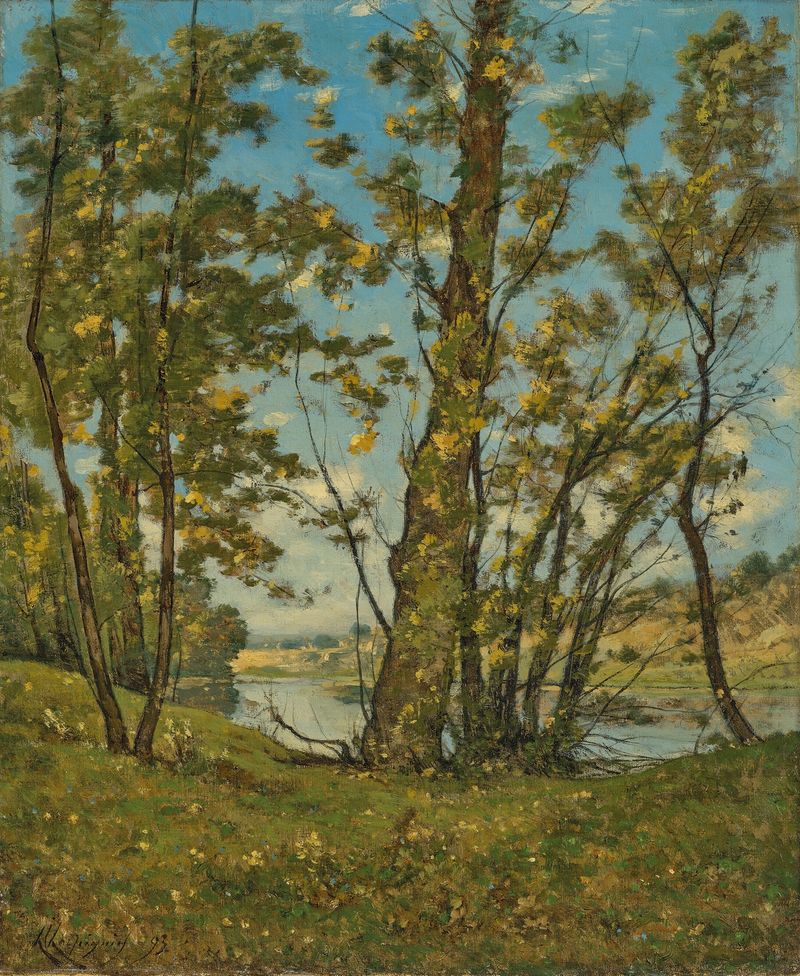
La Loire à Bonny
Henri-Joseph Harpignies
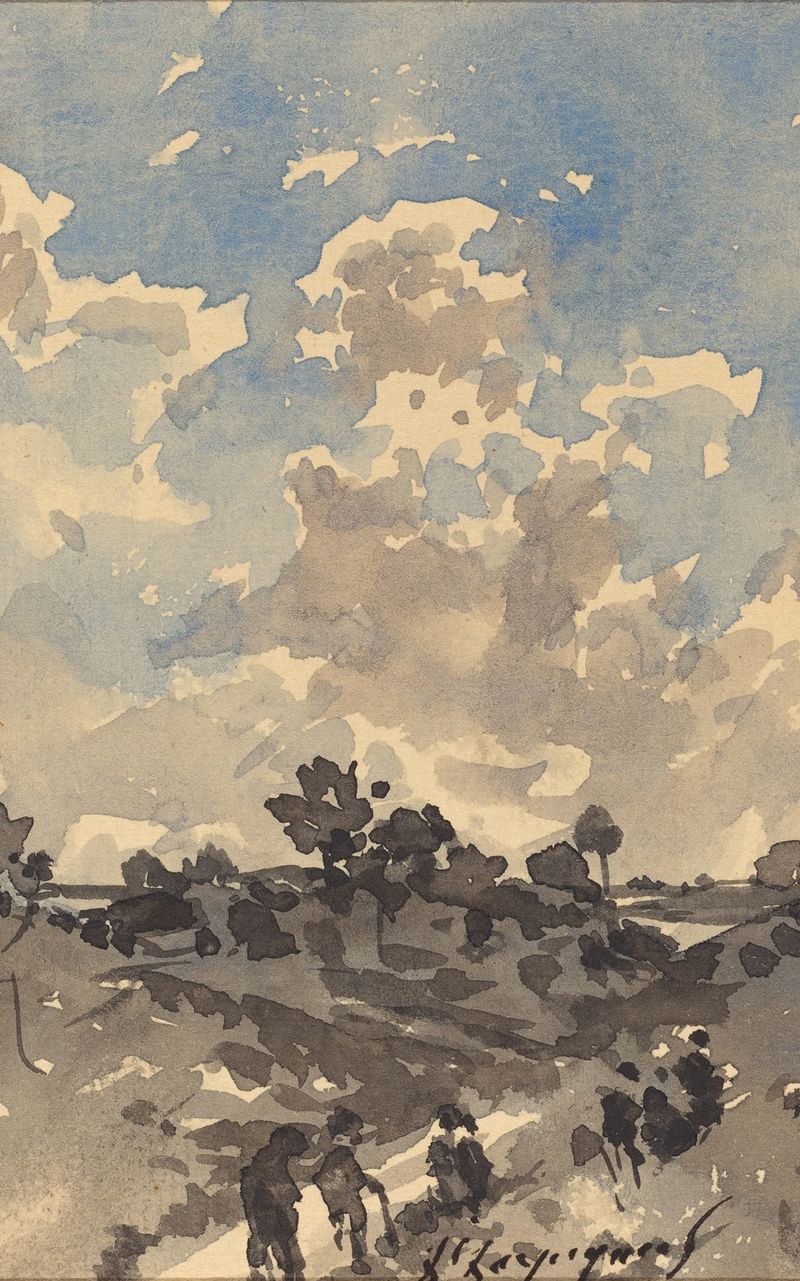
A Landscape with Figures Walking along a Path
Henri-Joseph Harpignies
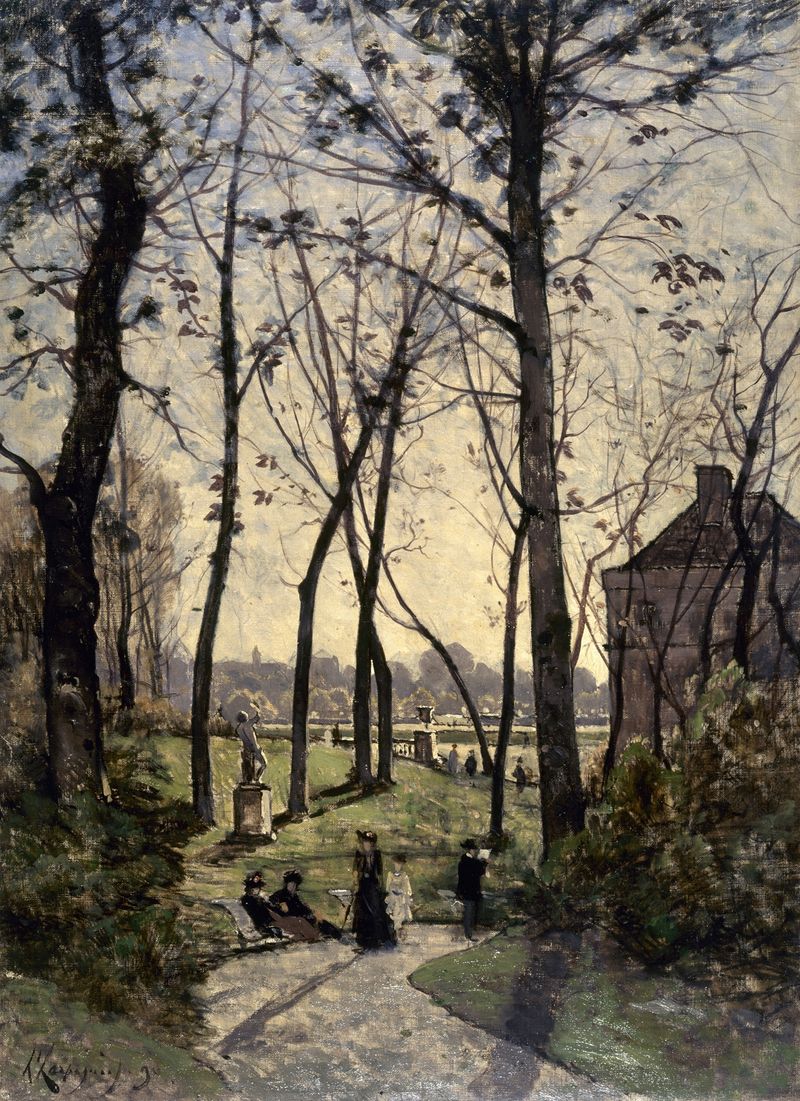
Le jardin du Luxembourg
Henri-Joseph Harpignies
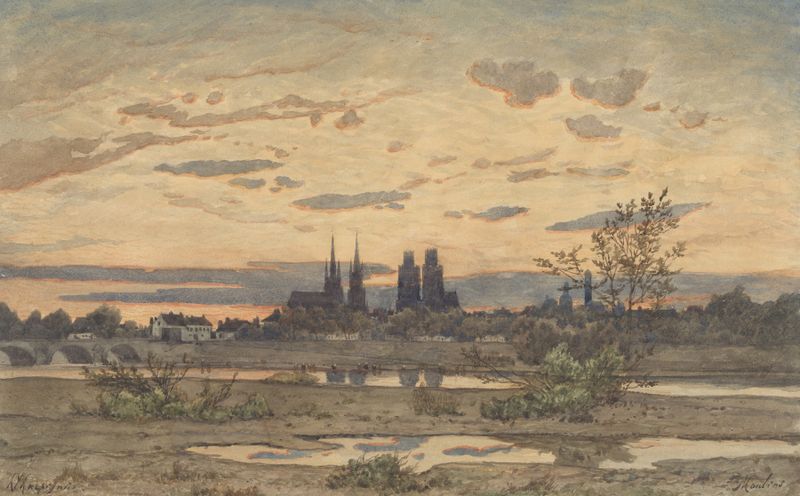
A View of Moulins
Henri-Joseph Harpignies
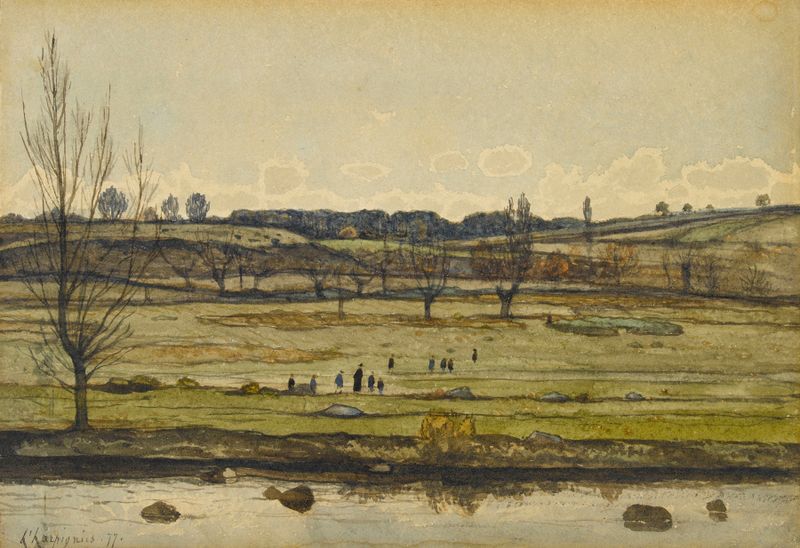
Paysage
Henri-Joseph Harpignies
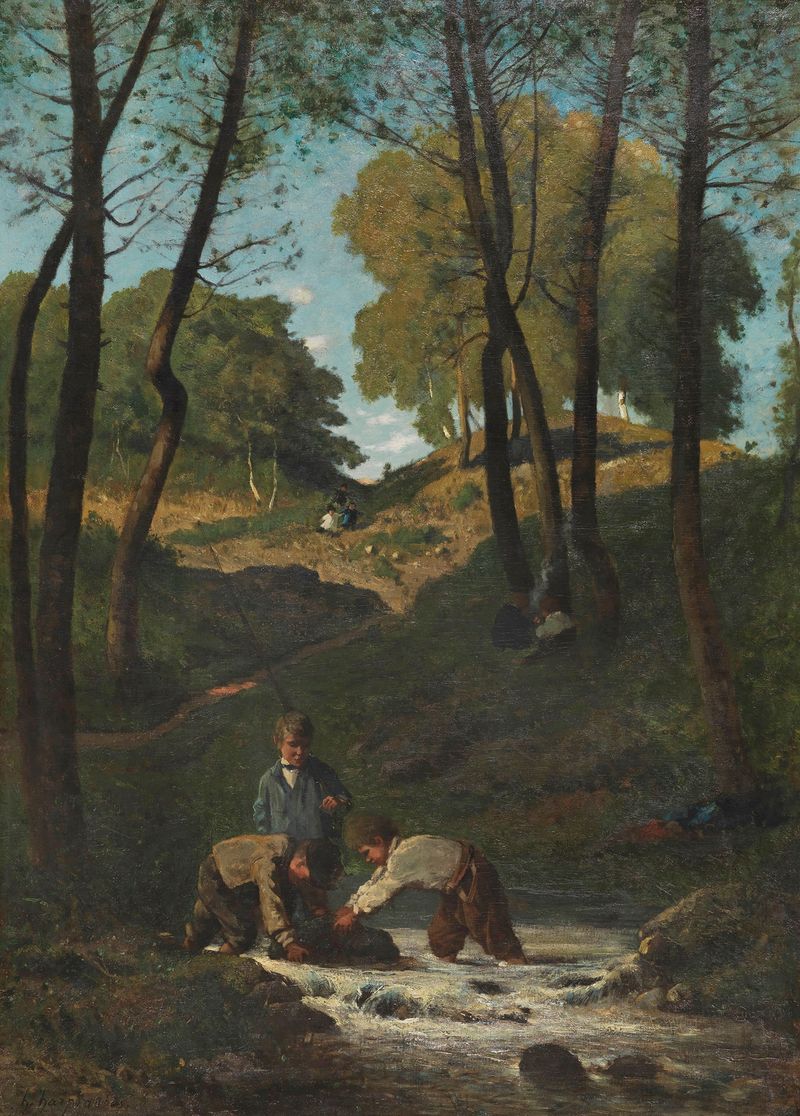
Chercheurs d’écrevisses
Henri-Joseph Harpignies
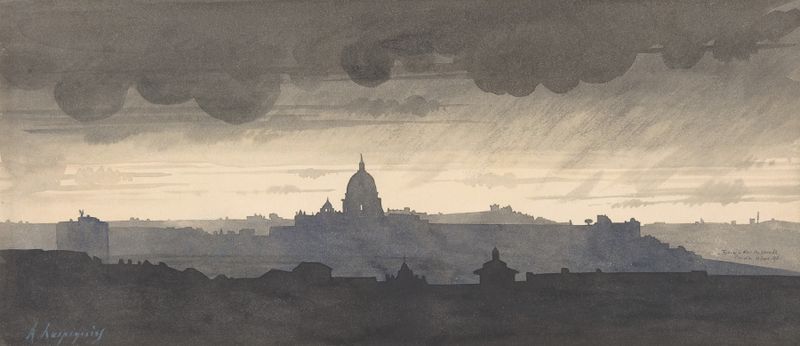
Saint Peter’s Seen From the Pincio, Rome
Henri-Joseph Harpignies
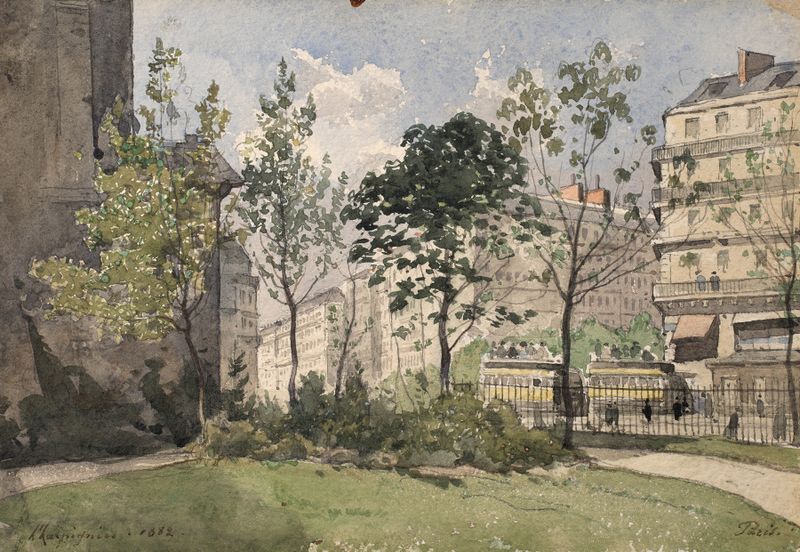
View of the forecourt of the Saint-Germain-des-Prés church
Henri-Joseph Harpignies
Le Colisée à Rome
Henri-Joseph Harpignies

Villefranche
Henri-Joseph Harpignies





