
Autumn; The Woodland Pond — History & Facts
Who listens when art speaks of silence? In Autumn; The Woodland Pond, a realm of yearning unfolds, inviting contemplation and deeper connection to nature's melancholic beauty. Look to the left at the serene pond, a mirror reflecting the vibrant hues of fall’s embrace. The brushstrokes create a gentle ripple across the water, guiding your gaze to the surrounding trees, their leaves a tapestry of burnt oranges and golden yellows. Notice how the dappled sunlight filters through the branches, casting playful shadows that dance on the ground, evoking a sense of tranquility and fleeting moments.
The delicate color palette, balanced between warm tones and earthy greens, evokes a bittersweet nostalgia that resonates deeply. The interplay of light and shadow hints at the passage of time, a reminder that both beauty and stillness are transient. The distant figure, almost lost amid the vibrant foliage, embodies longing, as if searching for something just out of reach—a reflection of our own longing for connection and understanding in an ever-changing world. The artist’s choice to leave the pond’s surface undisturbed speaks volumes, suggesting an inner world filled with unspoken emotions and memories that linger silently in nature. Narcisse-Virgile Diaz de La Peña painted this piece in 1867, a period marked by a growing fascination with the Impressionist movement.
While working in the outskirts of Paris, he was influenced by the beauty of the natural landscape and the changing seasons. This work captures both his mastery of color and his ability to convey emotional depth, a testament to the shifting tides in the world of art at the time.
More Artworks by Narcisse-Virgile Diaz de La Peña
Browse all →
Forest Scene
Narcisse-Virgile Diaz de La Peña
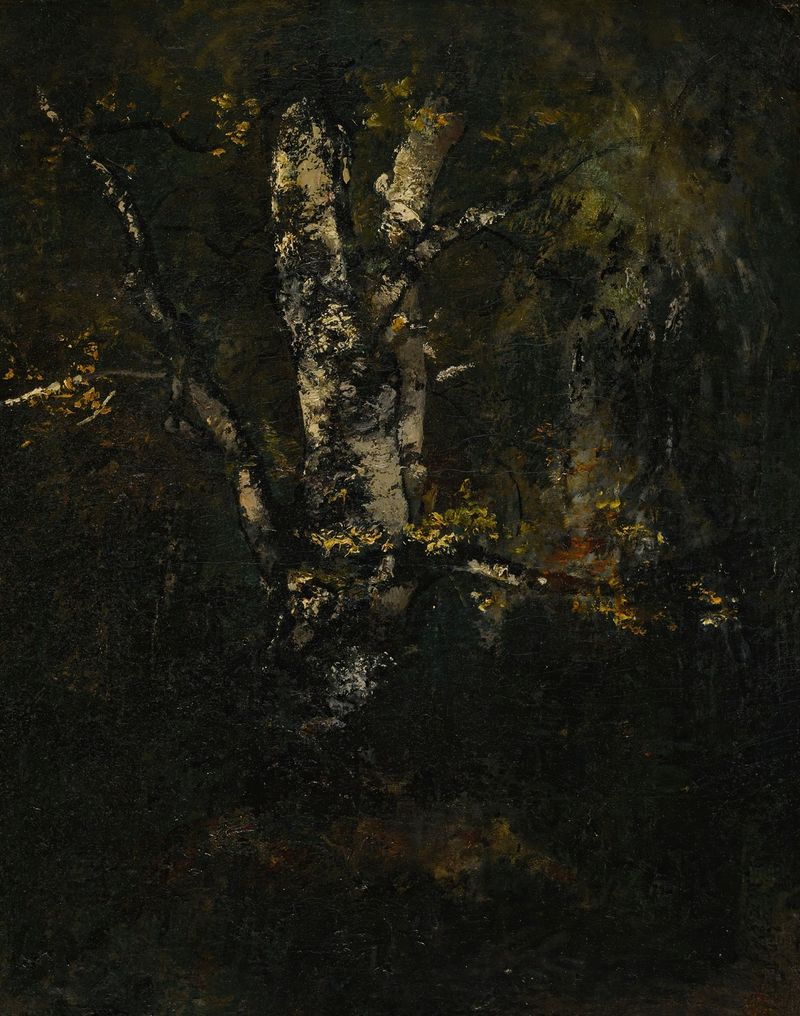
Vieux Troncs De Hêtres
Narcisse-Virgile Diaz de La Peña
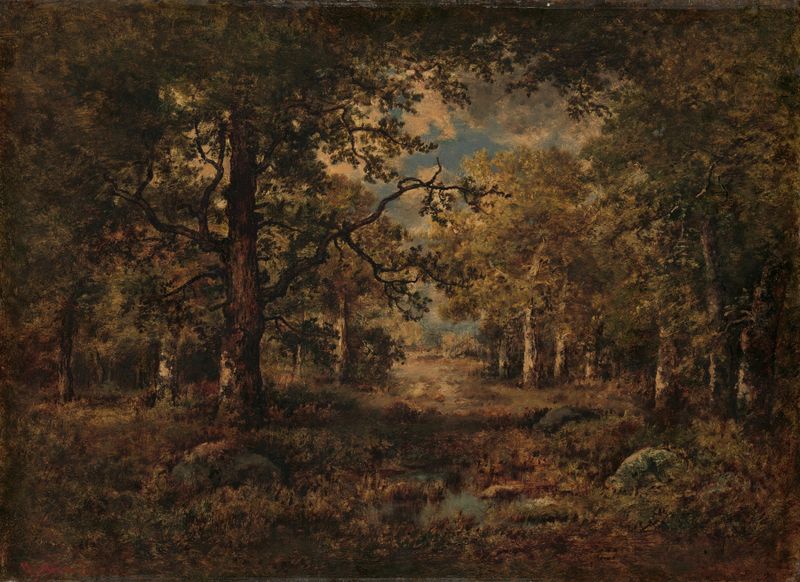
A Vista through Trees; Fontainebleau
Narcisse-Virgile Diaz de La Peña
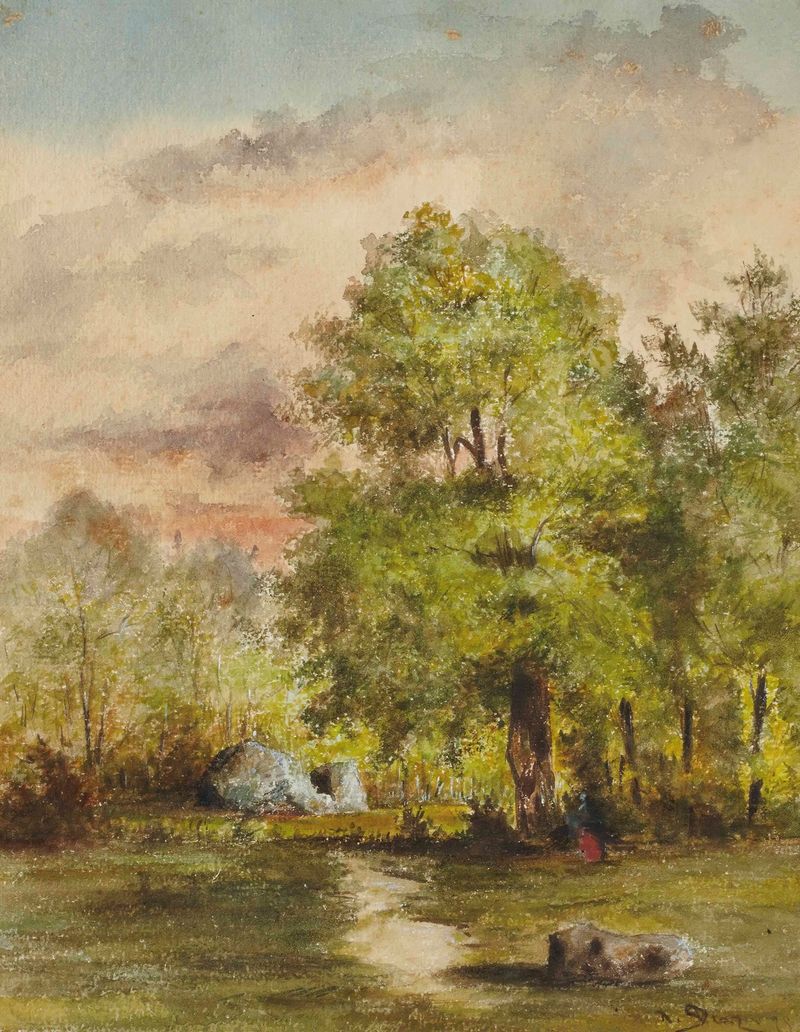
Vue d’une clairière
Narcisse-Virgile Diaz de La Peña

Pond in the Woods
Narcisse-Virgile Diaz de La Peña
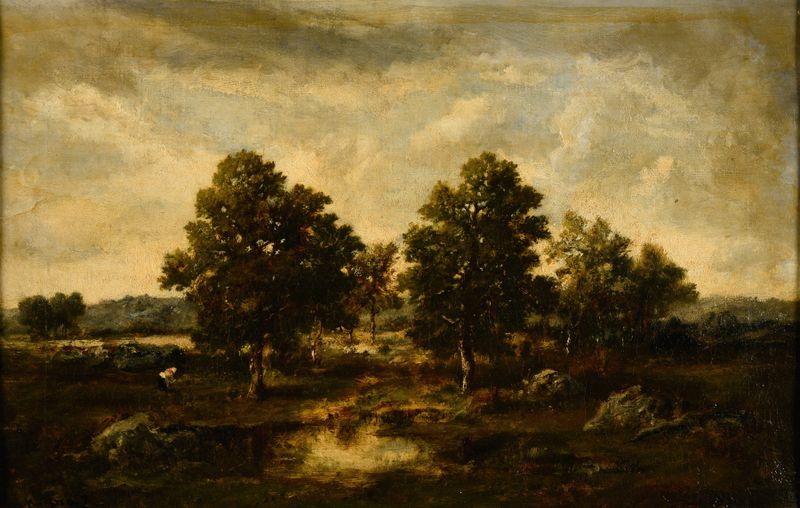
Mare dans une lande
Narcisse-Virgile Diaz de La Peña
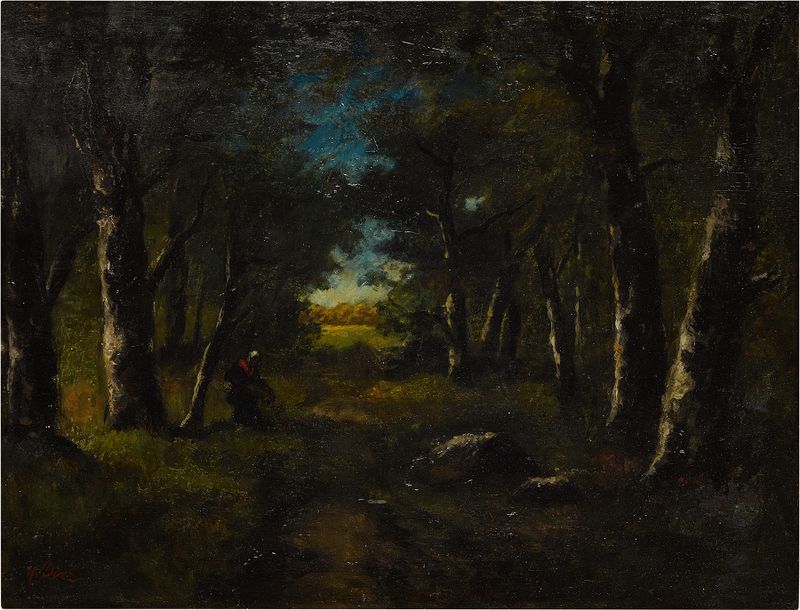
Foraging in the Forest
Narcisse-Virgile Diaz de La Peña
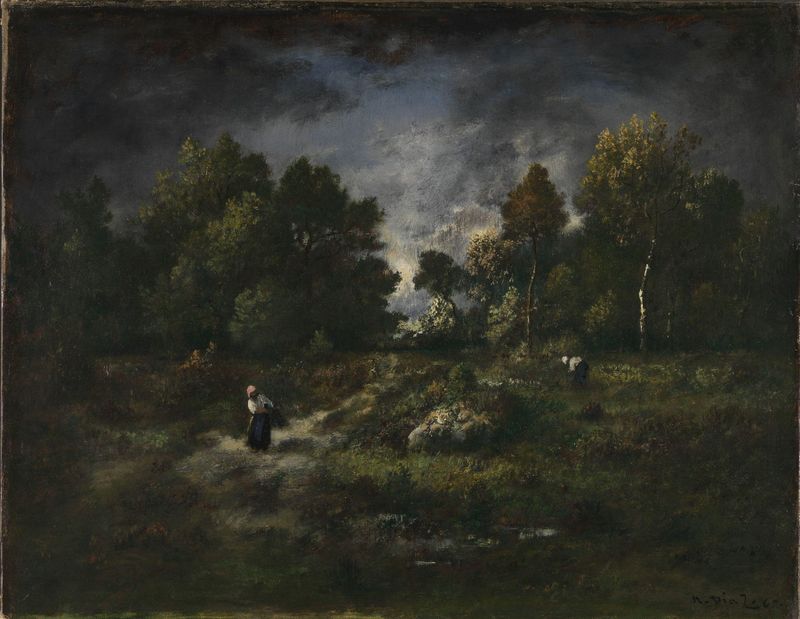
Faggot Gatherers in a Wooden Landscape
Narcisse-Virgile Diaz de La Peña
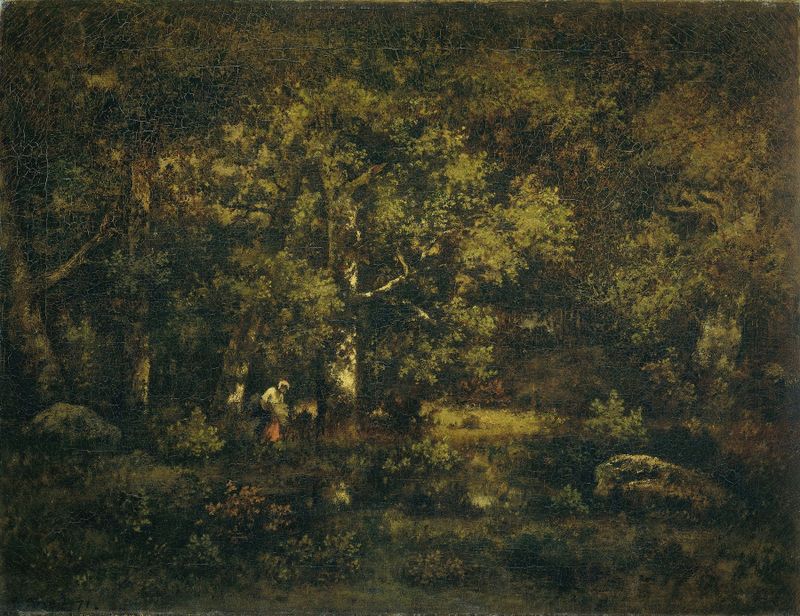
The Forest of Fontainebleau
Narcisse-Virgile Diaz de La Peña

Sous-bois
Narcisse-Virgile Diaz de La Peña





