
Auvers, le Plumets — History & Facts
Did the painter know this moment would outlive them? A fleeting recognition of nature's beauty, immortalized in brushstrokes, whispers of the illusion that life can be captured forever. Look to the left at the gentle undulations of the plum trees, their delicate white blossoms bursting forth against a backdrop of verdant greens and soft ceruleans. The light dances upon the scene, shimmering with an ethereal quality, while broad strokes invite your gaze through the winding dirt path that beckons exploration. Each layer of paint, meticulously applied, creates a textured depth that draws you closer, revealing the simplicity and complexity of rural tranquility. Beneath the surface, the painting evokes a sense of transience and permanence, the ephemeral nature of blossoms suggesting both renewal and the inevitability of decay.
This juxtaposition highlights the tension between life’s fleeting moments and the desire to hold onto them, as the idyllic landscape stands in stark contrast to the human struggle against time. The soft, almost dreamlike quality of the colors enhances this emotional resonance, creating an illusion of serenity that is both comforting and haunting. During this period, Daubigny painted Auvers, le Plumets in the late 19th century, a time marked by rapid change in the French art scene. As Impressionism flourished, he sought to capture the natural world with spontaneity and emotional depth, reflecting a personal journey through a world in transition.
His connection to the Barbizon School fortified his vision, allowing him to explore the relationship between light, landscape, and the human experience with renewed intensity.
More Artworks by Charles François Daubigny
Browse all →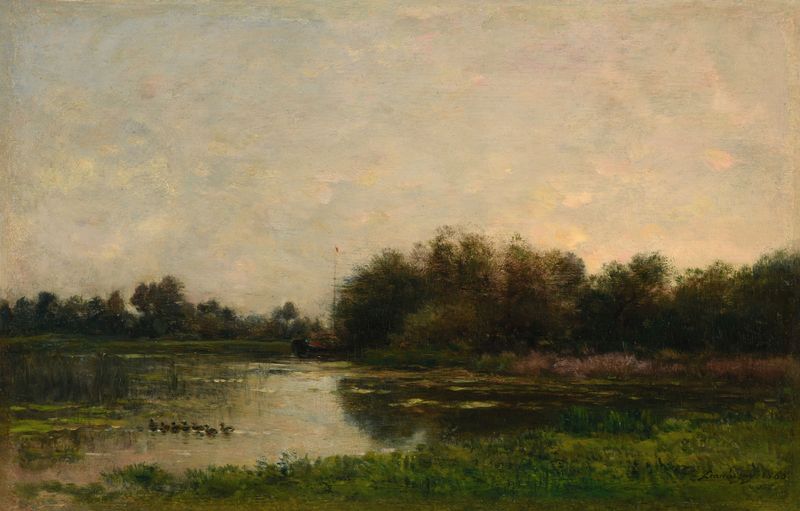
Bords de l’Oise
Charles François Daubigny
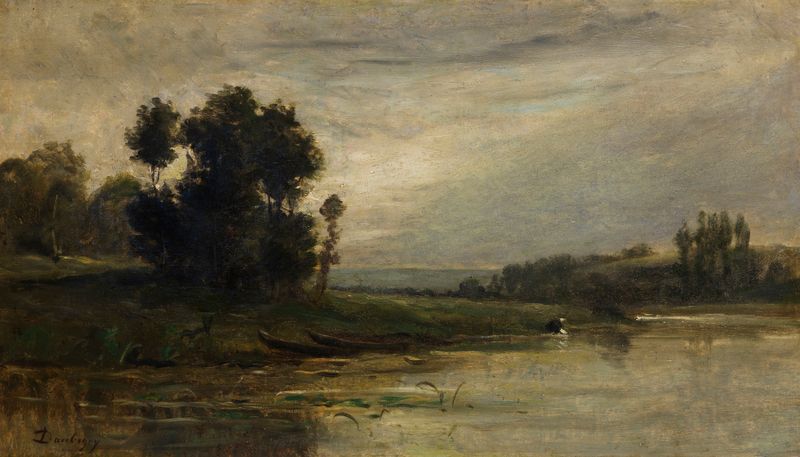
Bords de l’Oise
Charles François Daubigny
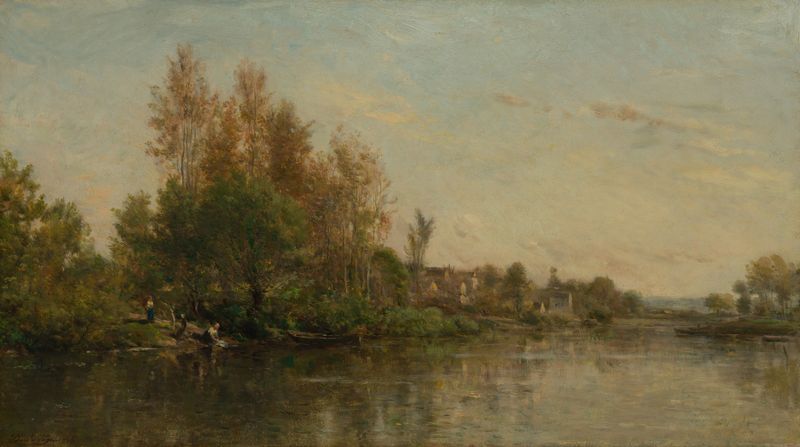
The Banks of the Oise
Charles François Daubigny
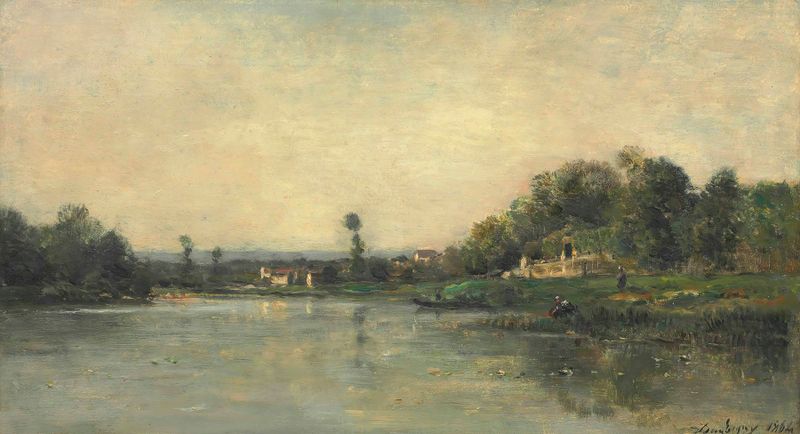
Les Bords De L’oise
Charles François Daubigny
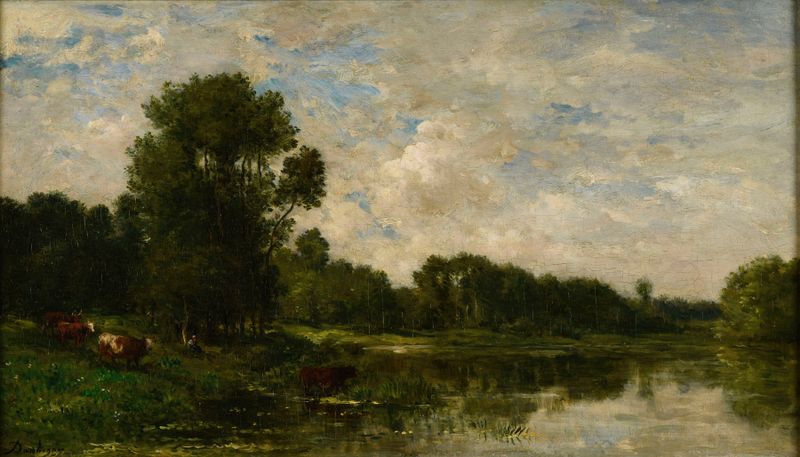
Bords de l’Oise
Charles François Daubigny
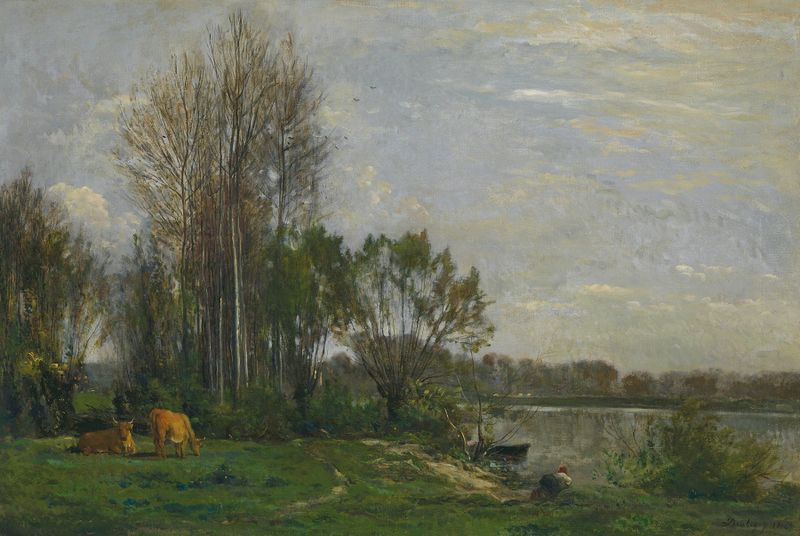
Les Bord De L’oise
Charles François Daubigny
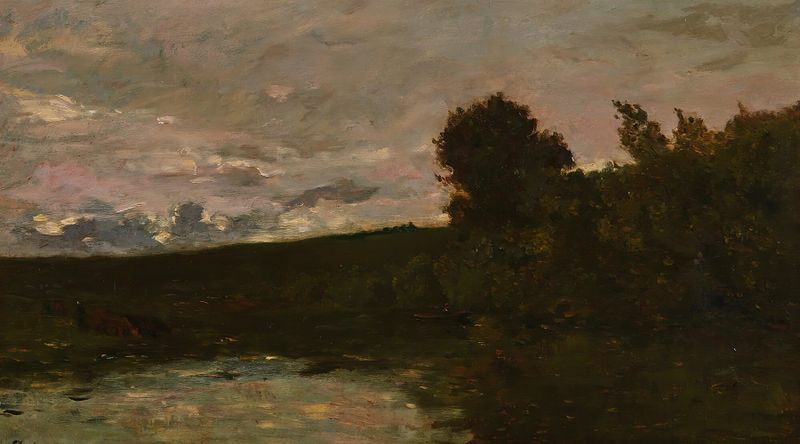
Bord De Riviére
Charles François Daubigny
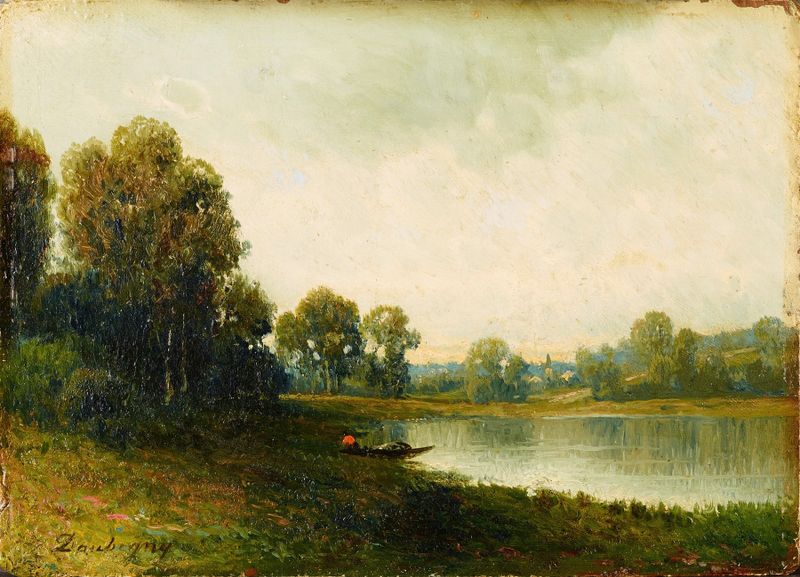
Landscape
Charles François Daubigny
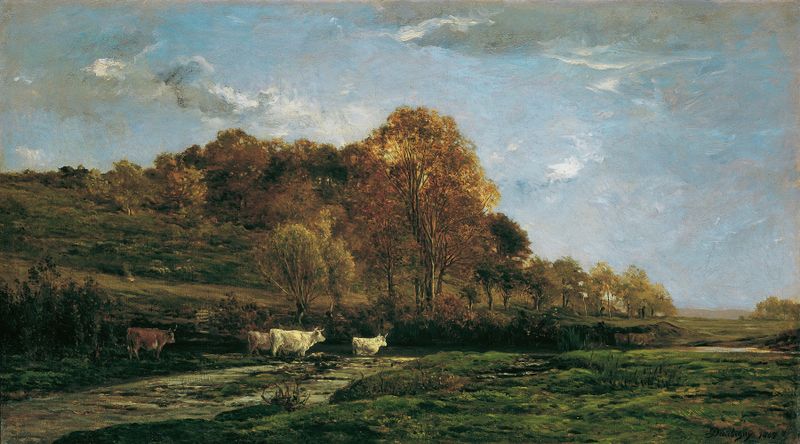
Herbstliche Aulandschaft Abendstimmung
Charles François Daubigny
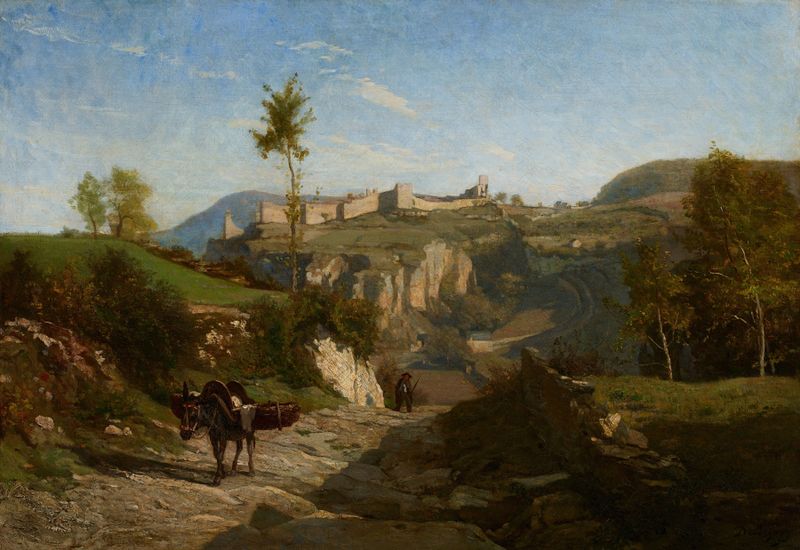
Landscape near Crémieu
Charles François Daubigny





