
Avenche — History & Facts
What secret hides in the quiet of the canvas? A sense of betrayal lingers, deep and profound, as if the colors themselves whisper the untold stories of the heart. Focus on the foreground where the intricate details of the landscape beckon. The rich greens and browns evoke the warmth of a secluded glen, yet an underlying chill permeates the air. Notice how the gentle strokes blend the shadows with the light, creating a delicate twilight ambiance that seems to hold its breath.
The horizon, marked by distant hills, draws the eye upward, while the contrasting darkness of the trees envelops the scene, hinting at hidden depths of emotion. As your gaze wanders, consider the silent tension between nature and the human experience. The juxtaposition of vibrant life against the stillness of the scene suggests a dichotomy of joy and sorrow. Small elements—a solitary figure, perhaps an abandoned object—are laden with significance, each a testament to moments lost or betrayals unspoken.
The painting resonates with a haunting beauty, reflecting the complex tapestry of relationships that weaves through existence. Wagner painted this work between 1840 and 1844, a period marked by personal upheaval and shifting artistic trends. Working in his homeland of Germany, he found himself at the intersection of Romanticism and burgeoning Realism, both of which influenced his portrayal of landscapes infused with human emotion. As he navigated his own tumultuous life, these themes of alienation and introspection emerged vividly on his canvas.
More Artworks by Johann Friedrich Wagner
Browse all →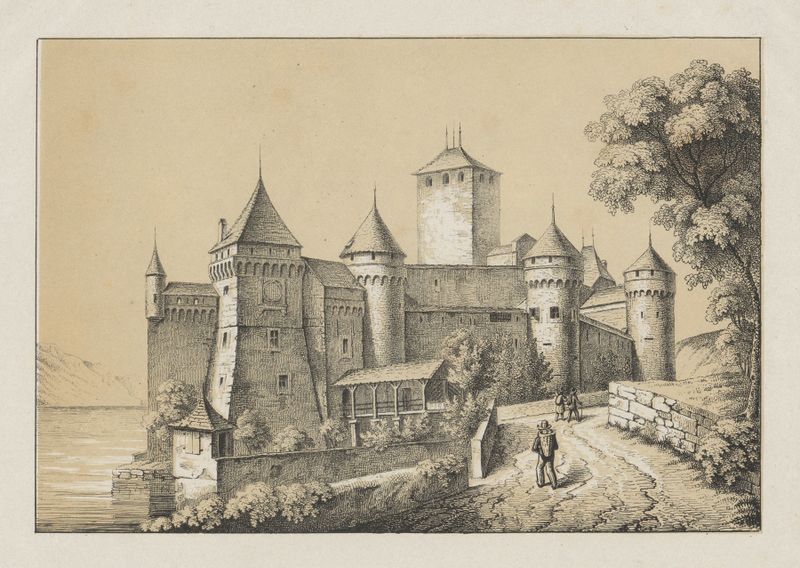
Chillon
Johann Friedrich Wagner

Valangin
Johann Friedrich Wagner
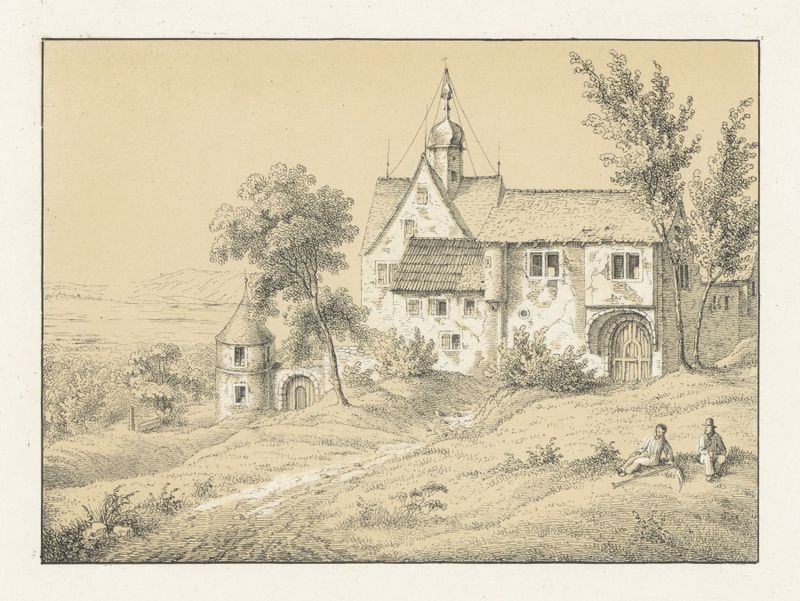
Greifenstein
Johann Friedrich Wagner

Vorburg
Johann Friedrich Wagner
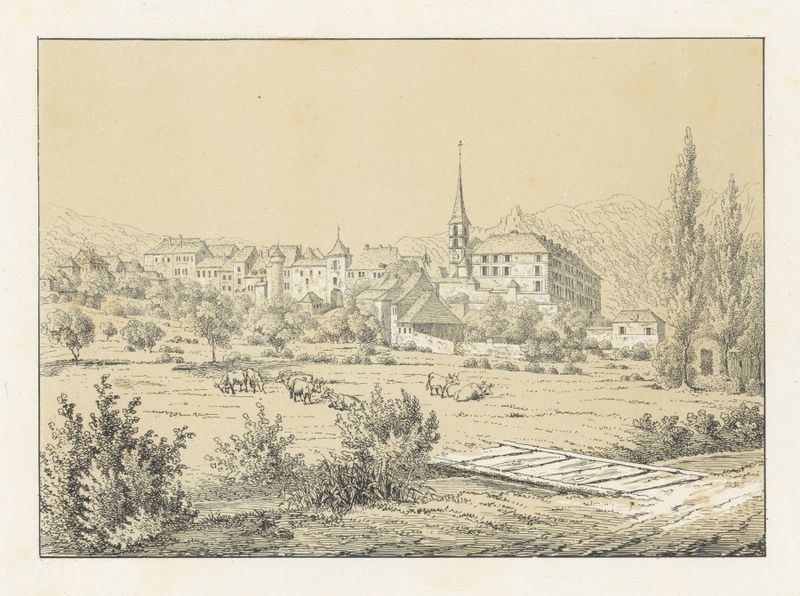
Delémont
Johann Friedrich Wagner

Pleujouse
Johann Friedrich Wagner

Challay
Johann Friedrich Wagner
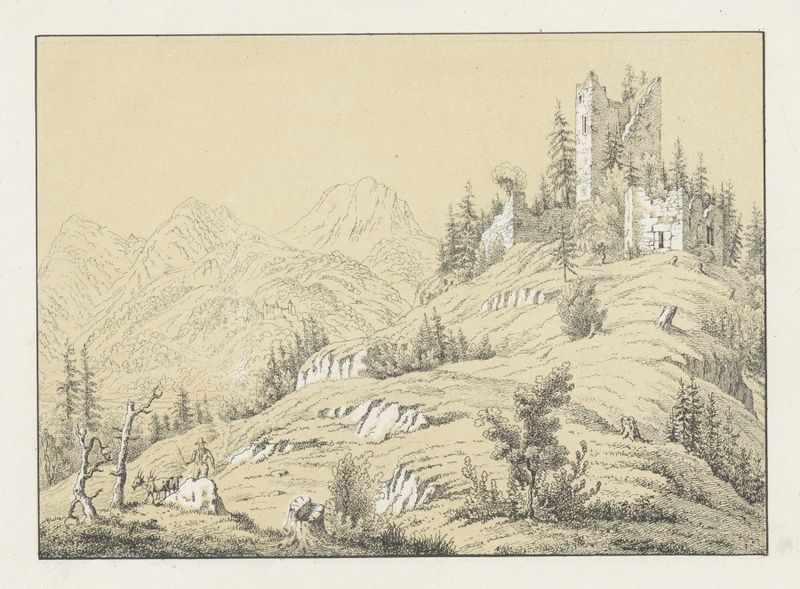
Mont Salvant
Johann Friedrich Wagner
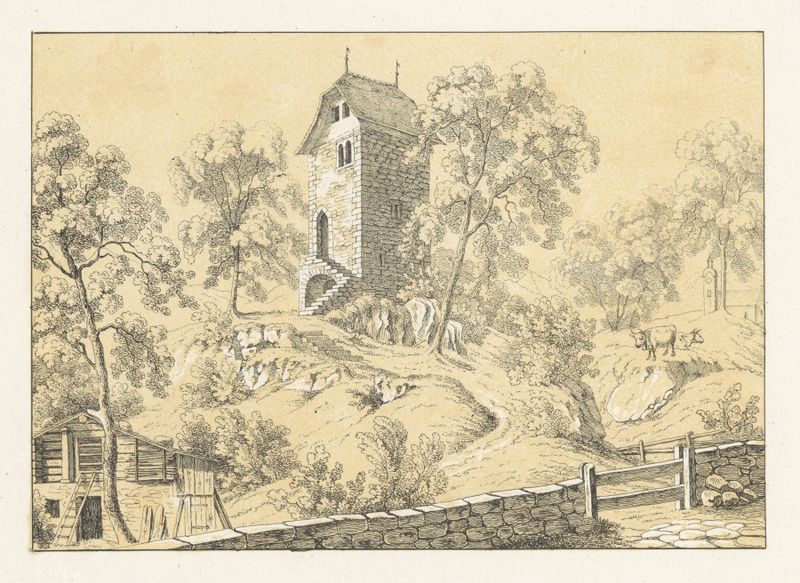
Aha. Od. Untere Burg von Sarnen
Johann Friedrich Wagner
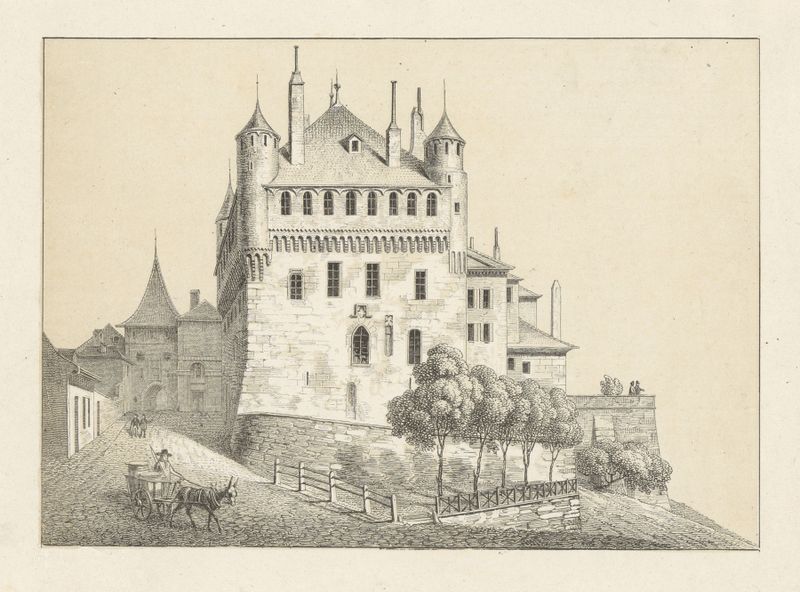
Lausanne
Johann Friedrich Wagner





