
Avond te Verona — History & Facts
When did color learn to lie? The hues we see in Avond te Verona dance with a deceptive allure, beckoning us to question the very nature of reality and perception. Look to the interplay of warm ochres and deep indigos; they create a twilight ambiance that envelops the cityscape. The sun sinks low, casting elongated shadows across the cobblestones, while the architecture stands proud yet softened under the evening light. Notice how the artist captures the reflections in the water, swirling patterns that suggest a world both serene and ephemeral, a moment that exists between the tangible and the dreamlike. Delve deeper into the contrasts at play.
The vibrant sky, with its rich oranges and purples, hints at the transient beauty of the day’s end, while the cool blues of the water evoke a sense of stillness and contemplation. Each brushstroke carries the weight of time—reminding us of fleeting moments, where beauty captures the heart, yet slips through the fingers like the dusk. The figures in the foreground seem absorbed in their own reveries, connecting the viewer to a shared experience of longing and nostalgia. During the years 1873 to 1931, Etienne Bosch navigated a world filled with artistic transformation.
Working in various European cities, he was influenced by the movements of Impressionism and Post-Impressionism, which sought to explore light and emotion in fresh ways. As he painted Avond te Verona, the artists around him were grappling with new techniques and subjects, reflecting a broader cultural shift towards modernity and the complexities of human experience.
More Artworks by Etienne Bosch
Browse all →
Gezicht op de achterkant van de Notre Dame in Parijs Notre Dame
Etienne Bosch
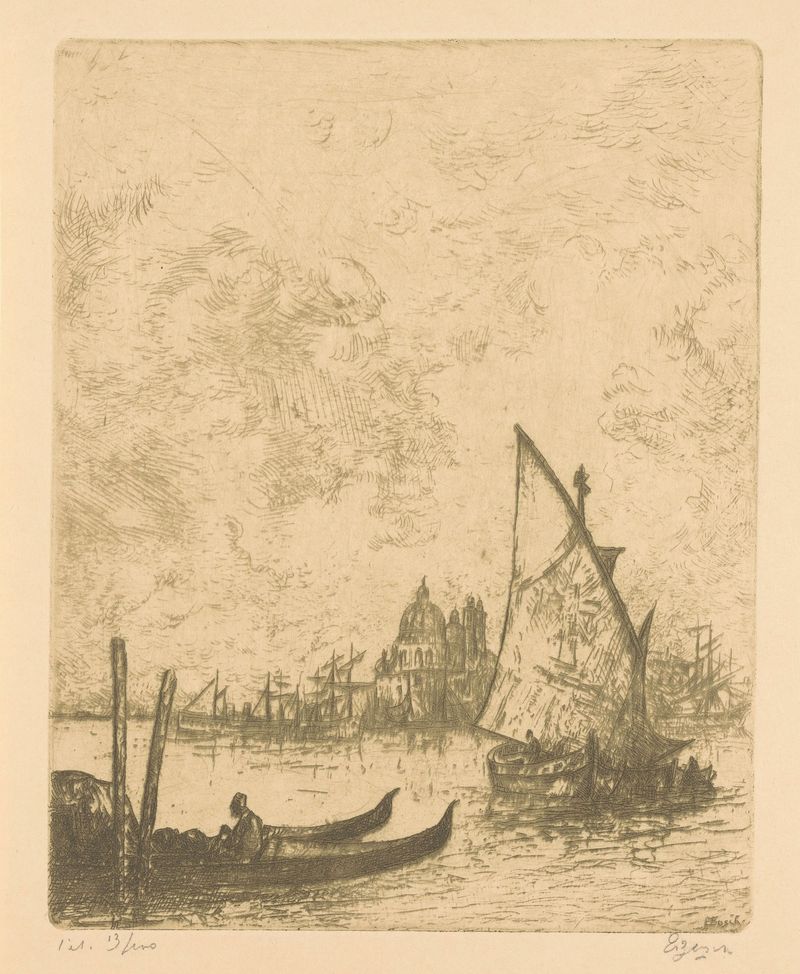
Venetië
Etienne Bosch

Amsterdamse poort te Haarlem
Etienne Bosch

Le Palatin Rome
Etienne Bosch

Landschap bij Rome
Etienne Bosch
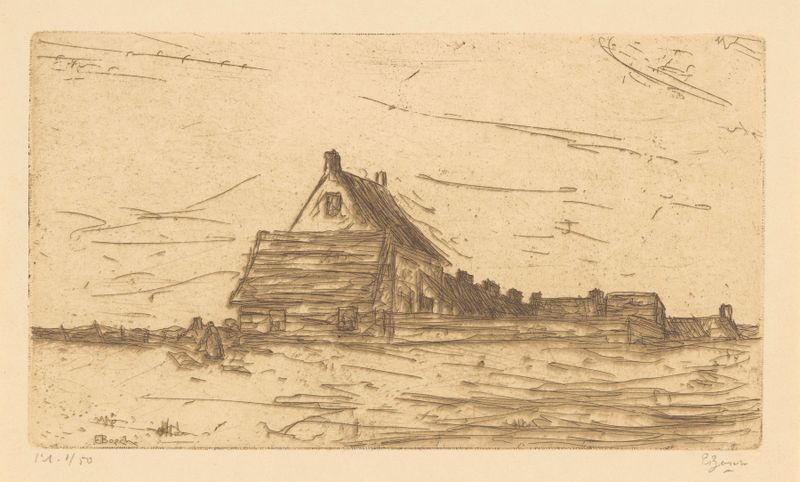
Boerenwoning
Etienne Bosch

Scheveningen
Etienne Bosch
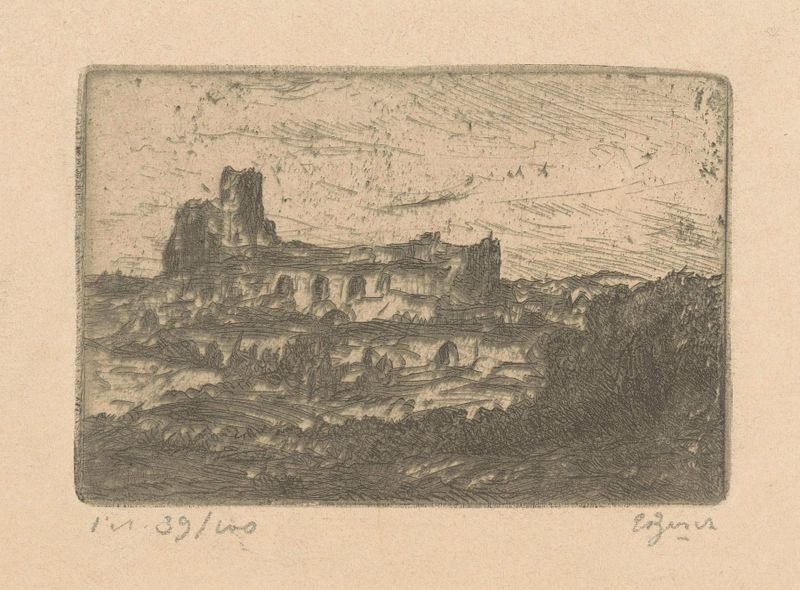
Ruïne Rome
Etienne Bosch
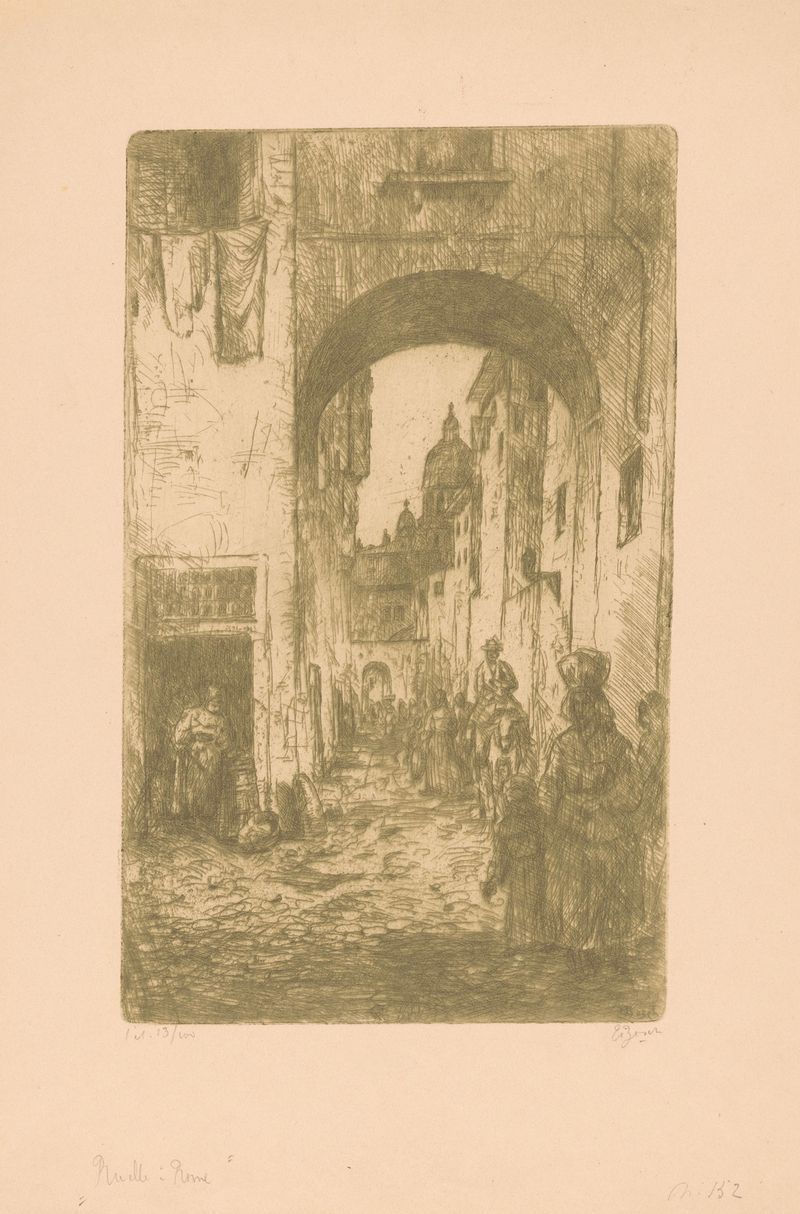
Ruelle, Rome
Etienne Bosch
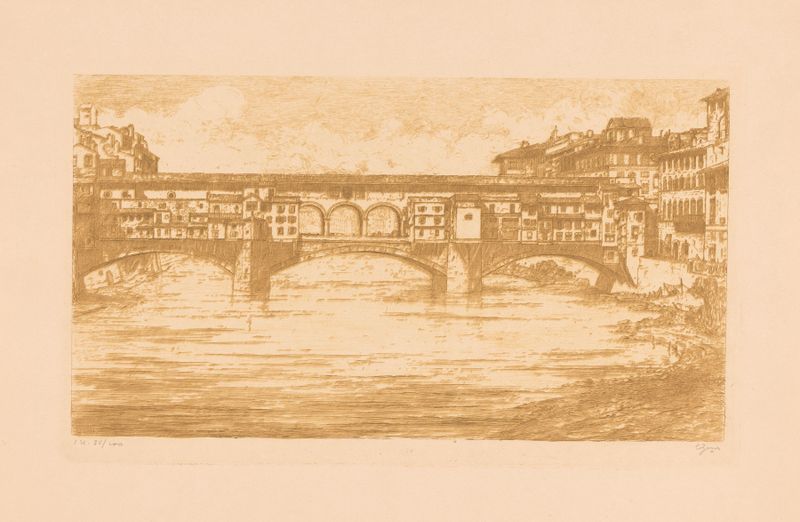
Ponte Vecchio in Florence
Etienne Bosch





