
bab el oued au soleil — History & Facts
The eye is immediately drawn to the dazzling sweep of sunlit rooftops tumbling toward the sea, a city shimmering in the midday heat. Bab el Oued au soleil by Albert Marquet invites viewers to drift above the cityscape, following the rolling green hills as they funnel the gaze toward the blue horizon. The brushwork is loose yet deliberate, blurring the boundaries of buildings into a mosaic of ochre and white, while the Mediterranean glows with an impossible clarity.
Marquet’s palette is both restrained and lush: the greens of the hills pulse with life, the sky expands in a gentle gradient, and the city itself seems to hover between substance and mirage. The composition’s low vantage point gives the sky and sea a commanding presence, as if the city is caught between earth and water, light and shadow. Painted between 1942 and 1943, this work belongs to a world in flux, when artists like Marquet—associated with the Fauves but always his own—sought refuge and inspiration in the landscapes of North Africa. Such city views were often created for collectors longing for distant light, or for the artist’s own pleasure in capturing fleeting atmospheres.
The genre, popular among French painters of the early twentieth century, was shaped by travel, colonial encounters, and the search for new color harmonies. History has kept few traces of the specific journey of this painting, now recorded in a modern auction catalogue, but its sun-soaked vision endures as a testament to the enduring dialogue between artist, place, and light. Stand before it and let your eye wander—Marquet’s city is always just coming into focus.
More Artworks by Albert Marquet
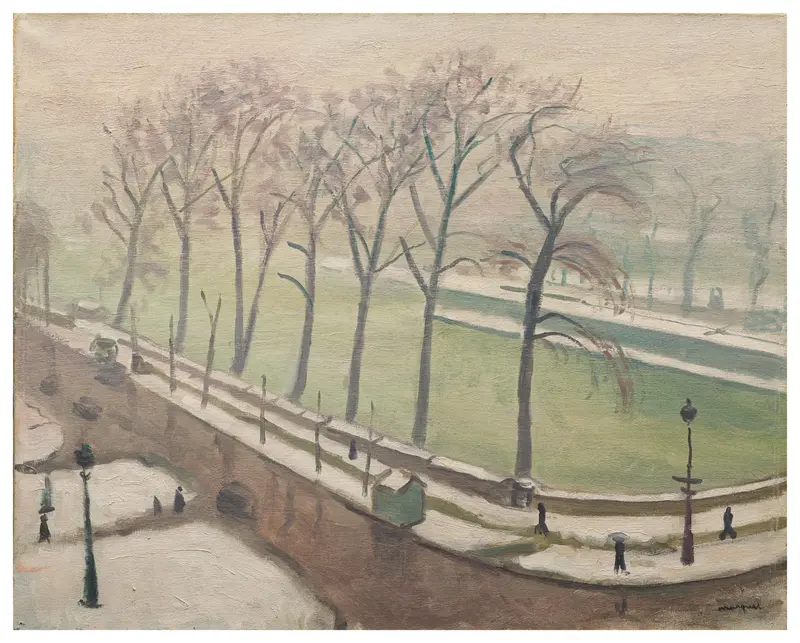
Pont-Neuf sous la neige
Albert Marquet

Le Port d’Alger
Albert Marquet
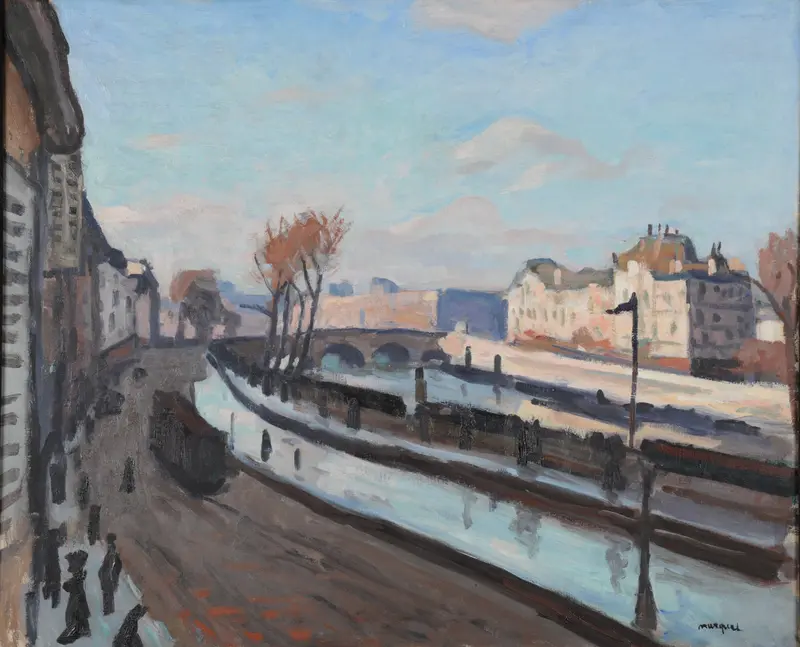
Le quai des Grands Augustins
Albert Marquet

Le jardin à l’Estaque
Albert Marquet
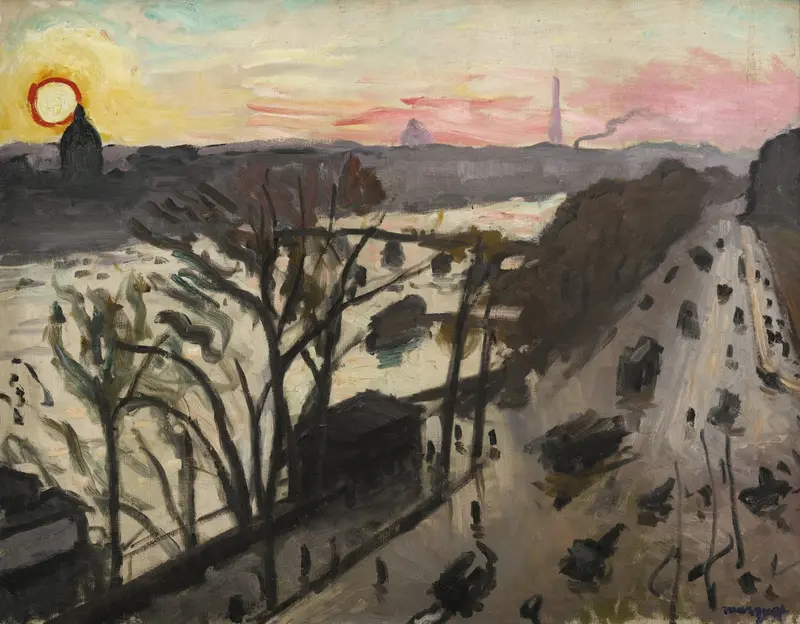
Paris, quai du Louvre, soleil d’hiver
Albert Marquet
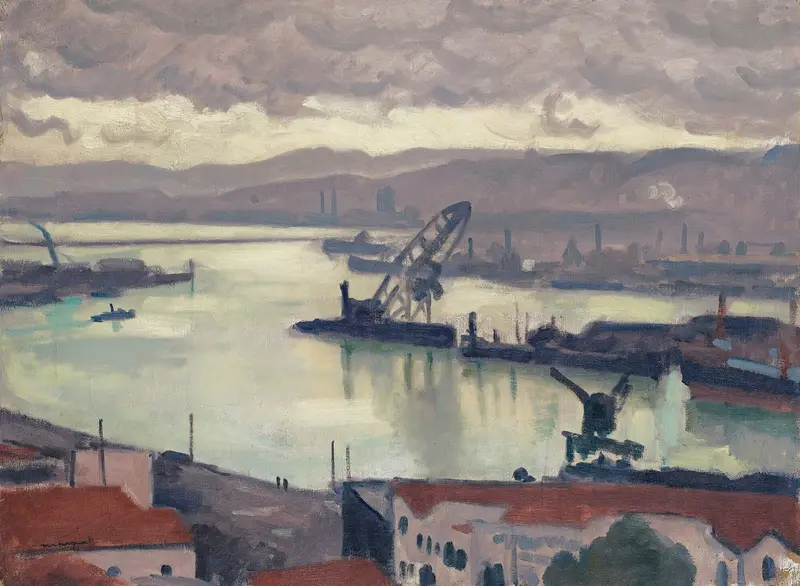
Alger, Temps Gris
Albert Marquet

Berge de la Seine à Méricourt
Albert Marquet
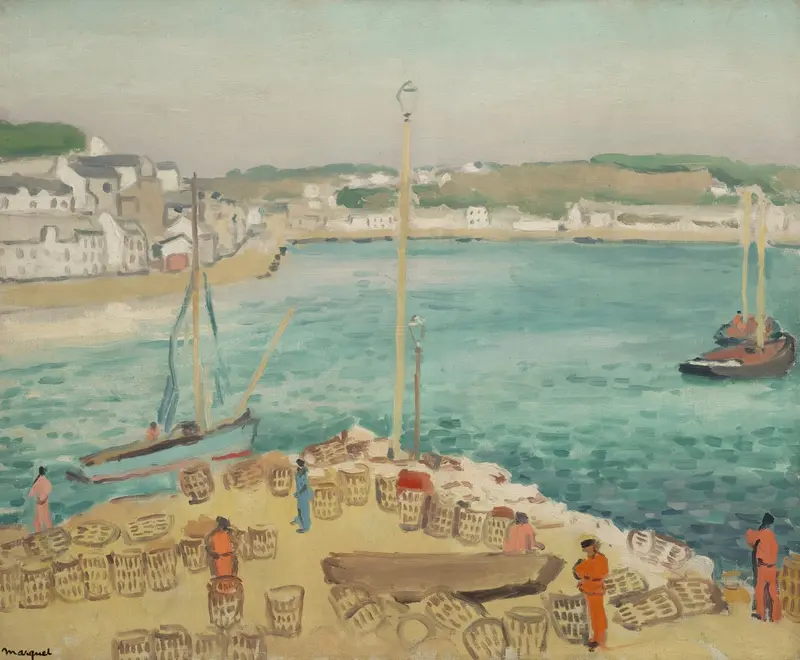
Audierne, les tonneaux
Albert Marquet
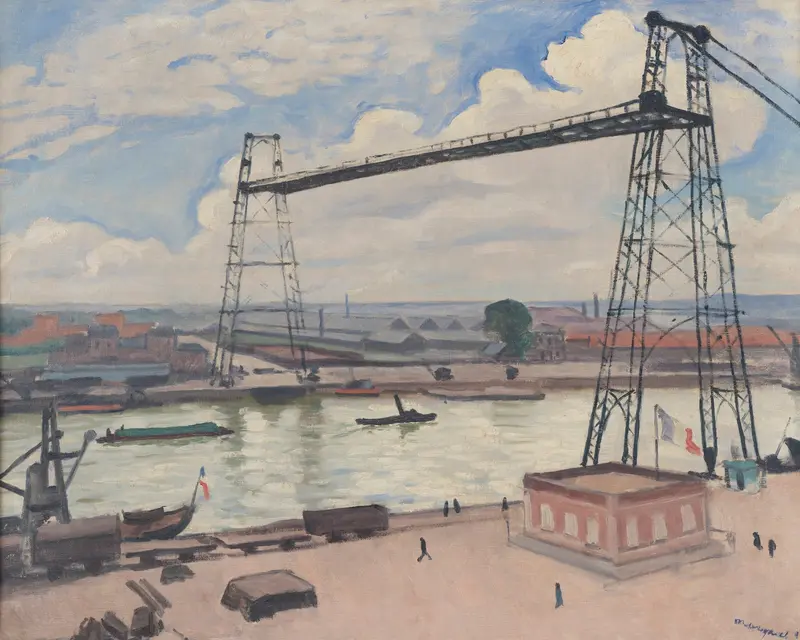
Rouen, le pont transbordeur
Albert Marquet
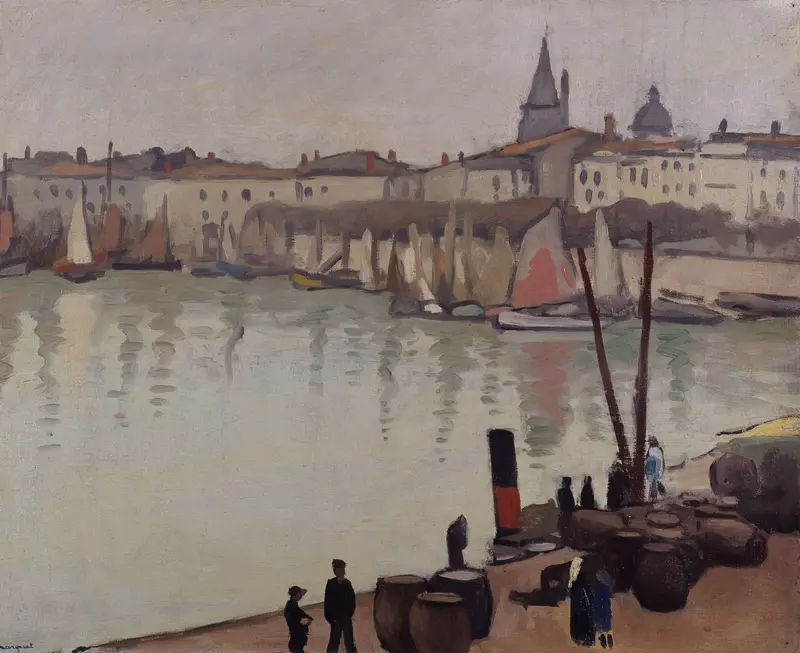
Port of La Rochelle
Albert Marquet
More Landscape Art

The Starry Night
Vincent van Gogh

View of Delft
Johannes Vermeer

Water Lilies
Claude Monet

The Grand Canal, Venice, looking north-west from the Ca' Corner to the Ca' Contarini degli Scrigni, with the campanile of Santa Maria della Carità
Canaletto

Windsor Castle
Canaletto

The Grand Canal looking North-East from the Palazzo Dolfin-Manin to the Rialto Bridge
Canaletto