Bacchus-Apollo — History & Facts
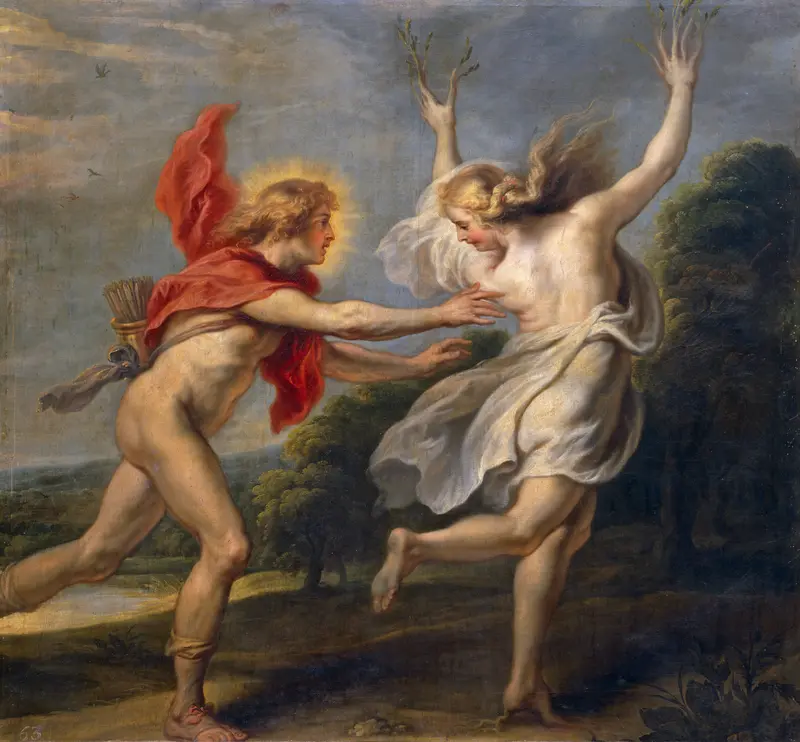
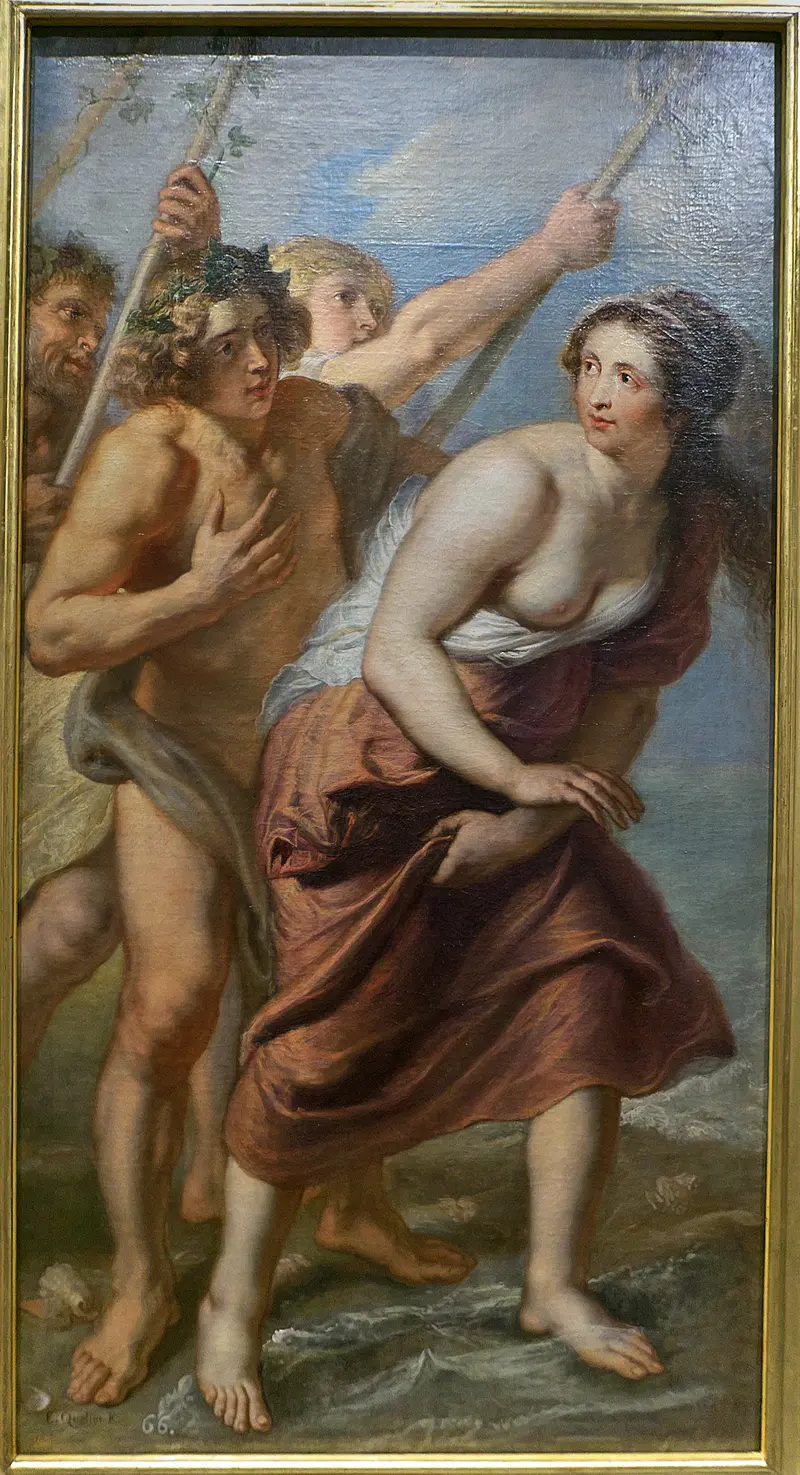
In Bacchus-Apollo, Nicolas Poussin presents a vibrant scene filled with rich colors. The figures of Bacchus and Apollo are central, surrounded by lush foliage and classical architecture. Bacchus, the god of wine, is depicted with a playful demeanor, while Apollo, the god of the sun and music, exudes a more serious presence.
The contrast between their expressions adds depth to the composition. The painting is executed in oil on canvas, showcasing Poussin's skillful brushwork and attention to detail. The use of light and shadow creates a three-dimensional effect, enhancing the figures' presence. The color palette is dominated by earthy tones, with vibrant accents that draw the viewer's eye.
This work exemplifies the Baroque style through its dramatic composition and emotional intensity. Nicolas Poussin was a leading figure in the Baroque movement, known for his classical themes and structured compositions. Bacchus-Apollo reflects his interest in mythology and the interplay of human emotions. An interesting fact about this work is that it was commissioned by a prominent patron, highlighting the importance of art in the cultural landscape of the time.
Poussin's ability to blend classical ideals with Baroque dynamism makes this painting a significant piece in his oeuvre.
More Artworks by Nicolas Poussin

Spring
Nicolas Poussin
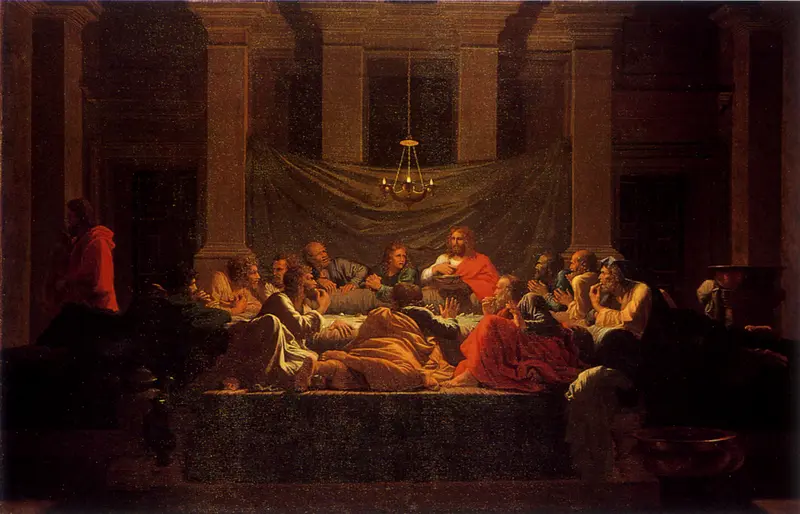
The Sacrament of the Holy Eucharist
Nicolas Poussin
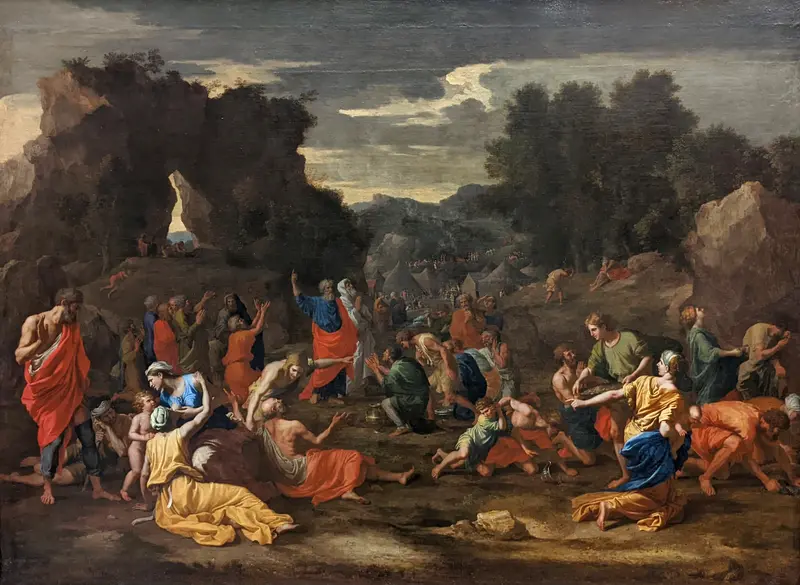
The Israelites gathering Manna in the Desert
Nicolas Poussin
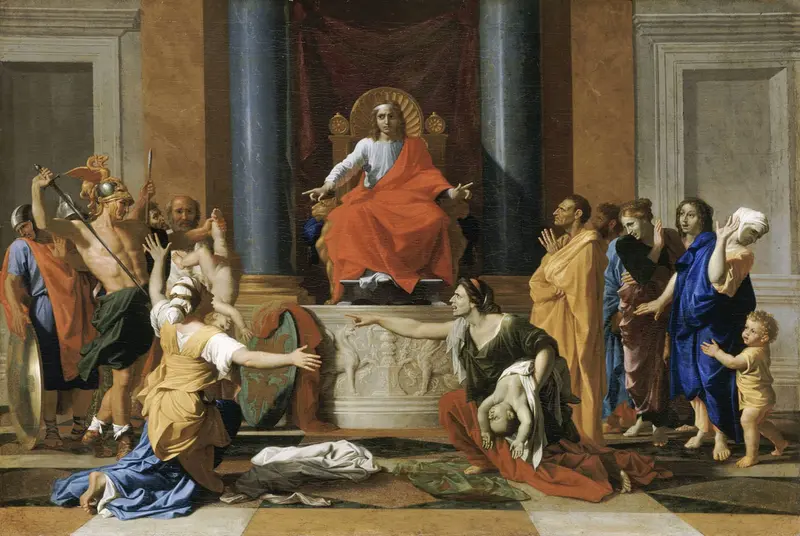
The Judgment of Solomon
Nicolas Poussin
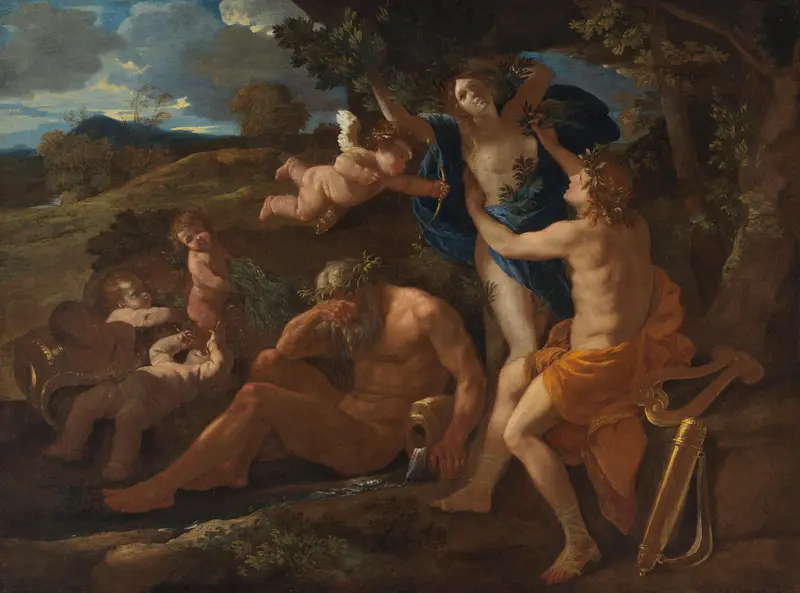
Apollo and Daphne
Nicolas Poussin

The Nurture of Jupiter
Nicolas Poussin

Ordination
Nicolas Poussin
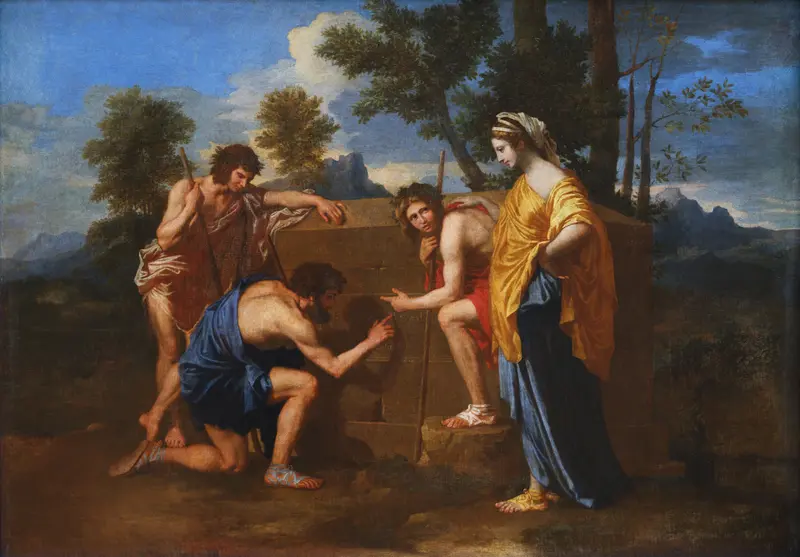
Et in Arcadia ego
Nicolas Poussin
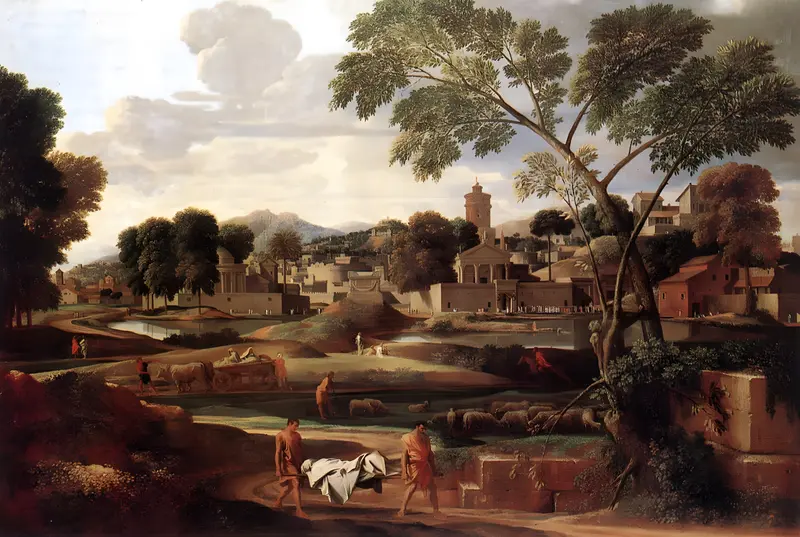
The Funeral of Phocion
Nicolas Poussin
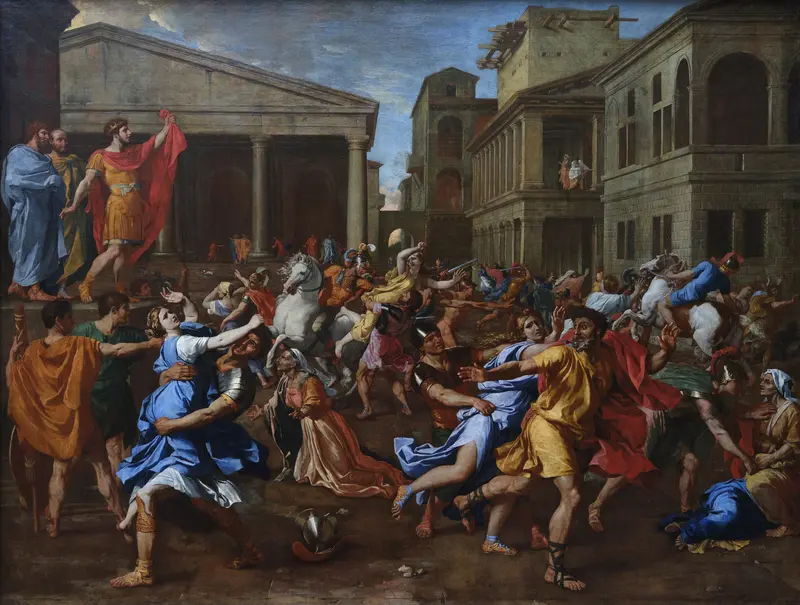
The Rape of the Sabine Women
Nicolas Poussin