
Baker Street — History & Facts
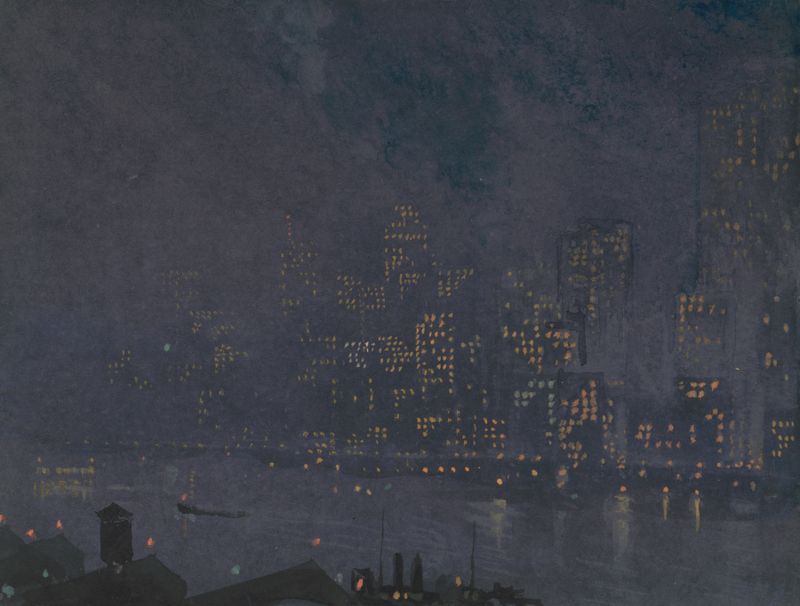
In the shadows of bustling streets, the quiet fear of the unknown lurks behind every elegant facade, waiting to be unveiled. Look to the vibrant hues of gold and ochre that dominate the canvas; they draw you in, inviting exploration of the intricate details that breathe life into the scene. The swirling lines and bold strokes create a dynamic rhythm, guiding your eyes from the architectural grandeur to the fleeting figures that inhabit the space. Notice how the interplay of light and shadow casts an uncertain glow on the cobblestones, evoking a sense of nostalgia tinged with anxiety. Upon closer examination, contrasting elements reveal deeper emotional currents.
The opulence of the buildings suggests prosperity, while the lone figures seem dwarfed by their surroundings, embodying isolation in the midst of abundance. The delicate balance between light and dark hints at a fear of losing one’s identity in a relentless urban tide, where beauty masks the underlying dread that accompanies such splendor. Each brushstroke whispers stories of hope intertwined with doubt. In 1928, Pennell painted this work during a time of rapid urbanization and social change in Britain.
As an artist known for his detailed depictions of city life, he captured the elegant yet daunting character of urban environments. This period was marked by both excitement and uncertainty, and as he navigated these complex emotions, Baker Street emerged as a poignant reflection of the era’s duality.
More Artworks by Joseph Pennell
Browse all →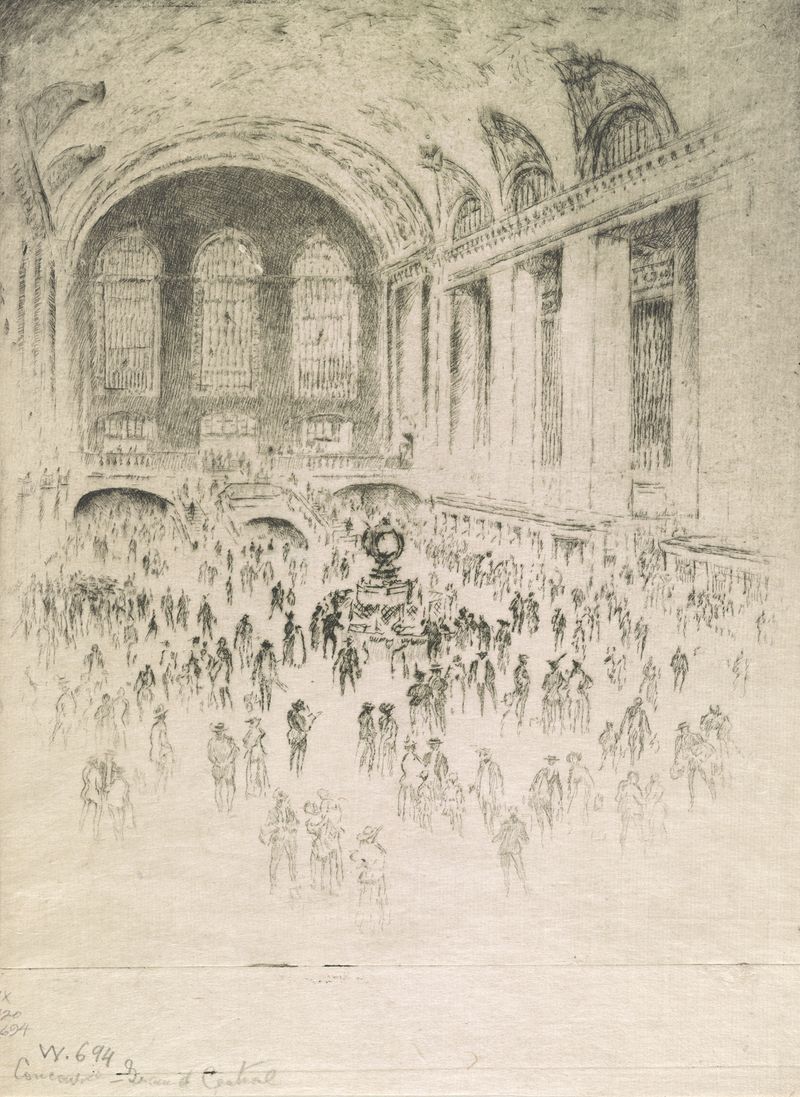
Concourse, Grand Central
Joseph Pennell
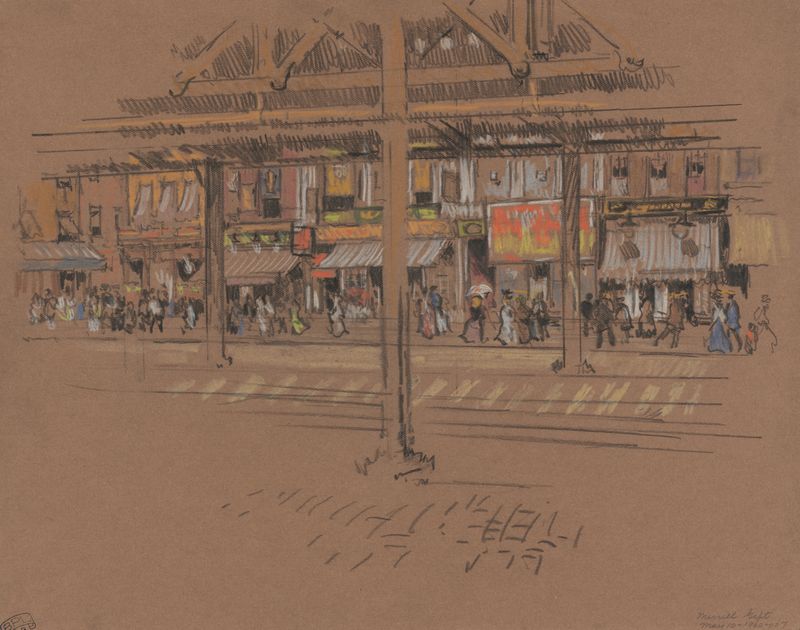
Sixth Avenue
Joseph Pennell
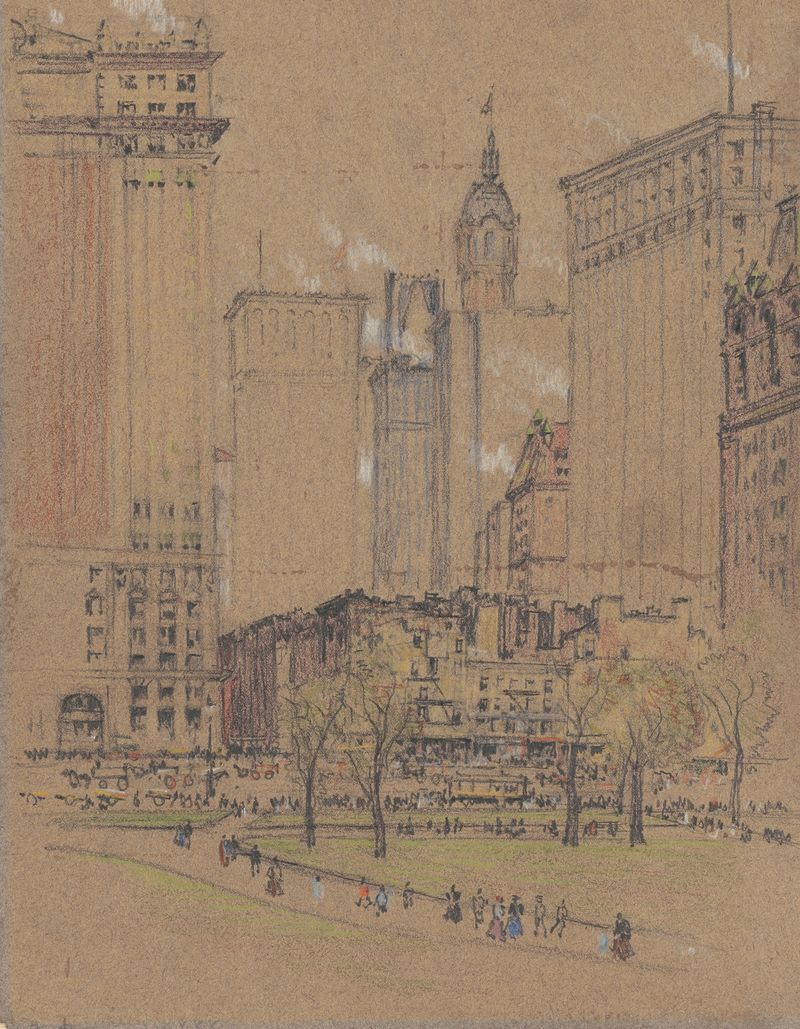
New York,the Old and the New
Joseph Pennell
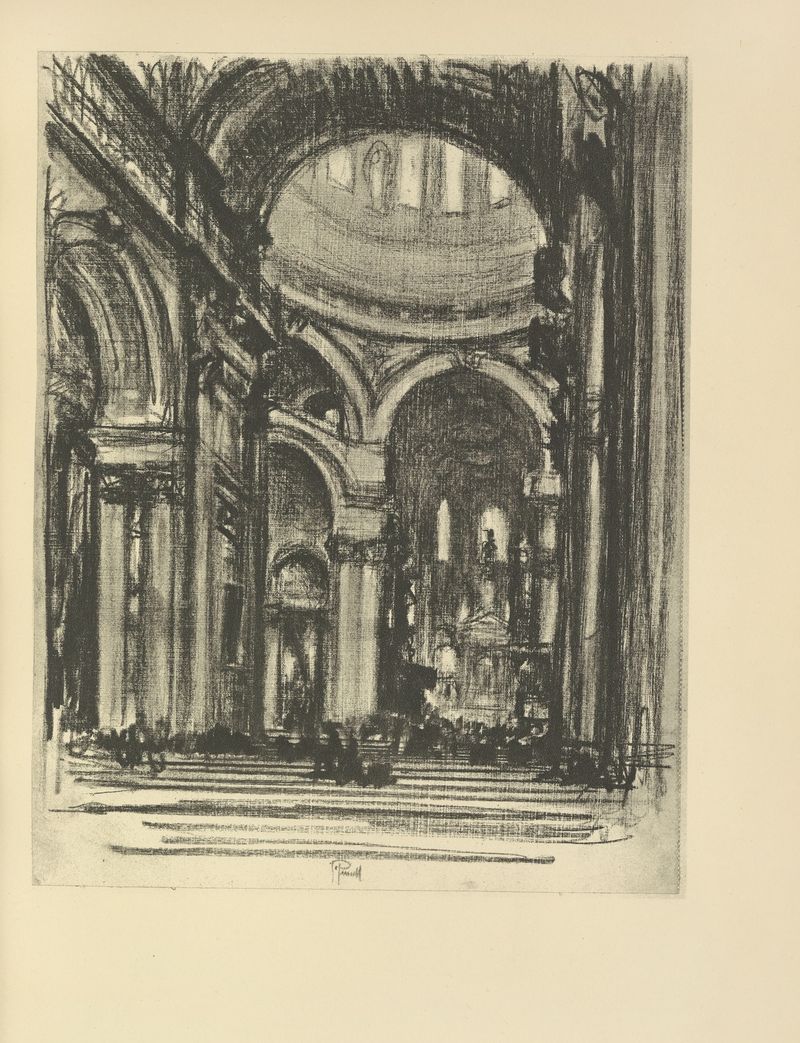
St. Paul’s, The Nave
Joseph Pennell
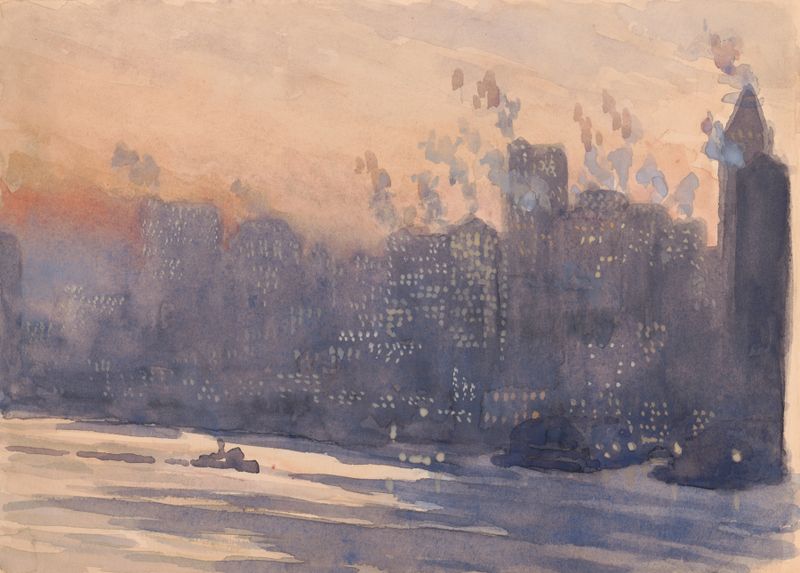
New York City harbor and skyline at night
Joseph Pennell
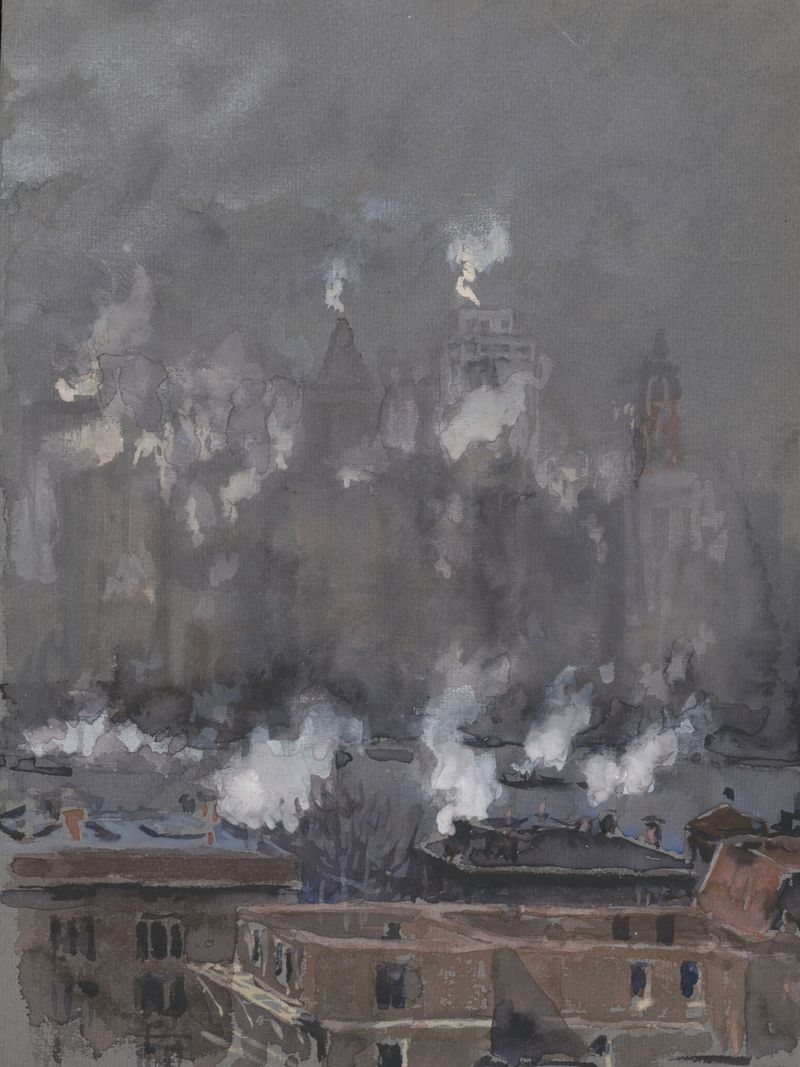
Smoke and fog on gray day, New York City
Joseph Pennell
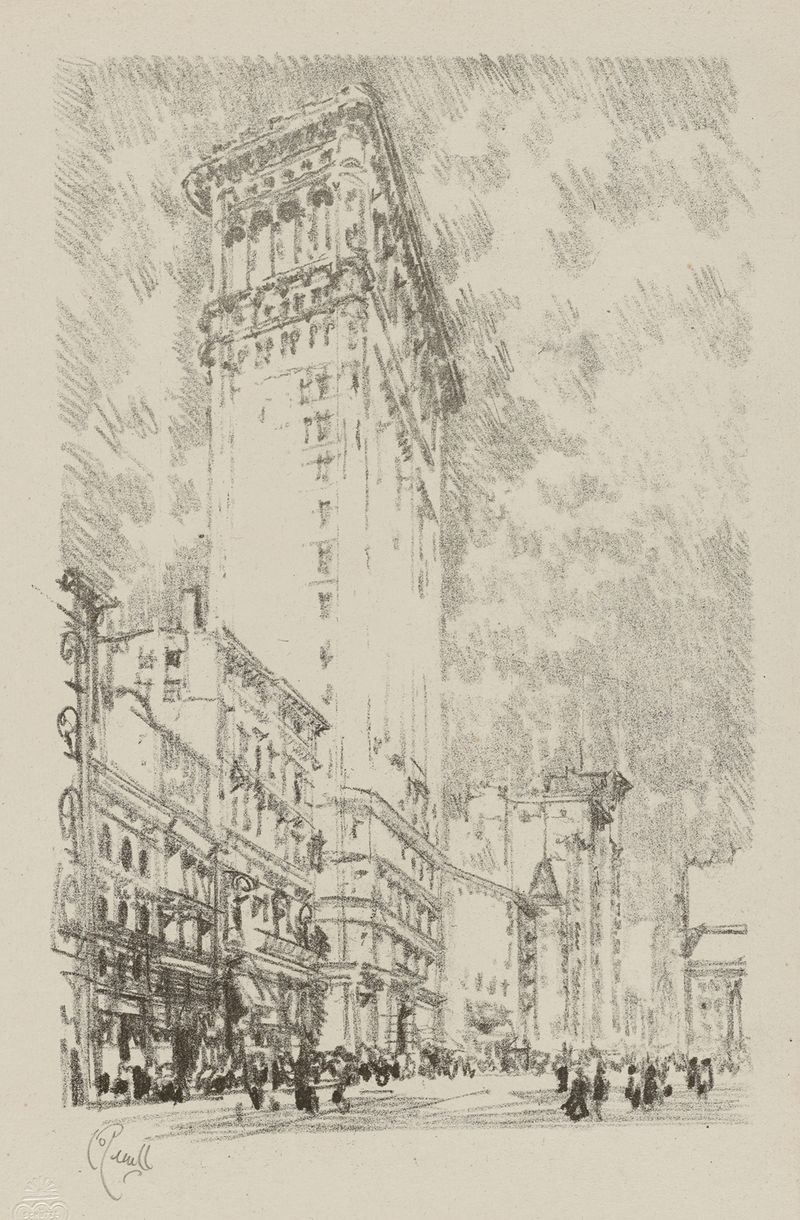
The Flat Iron
Joseph Pennell
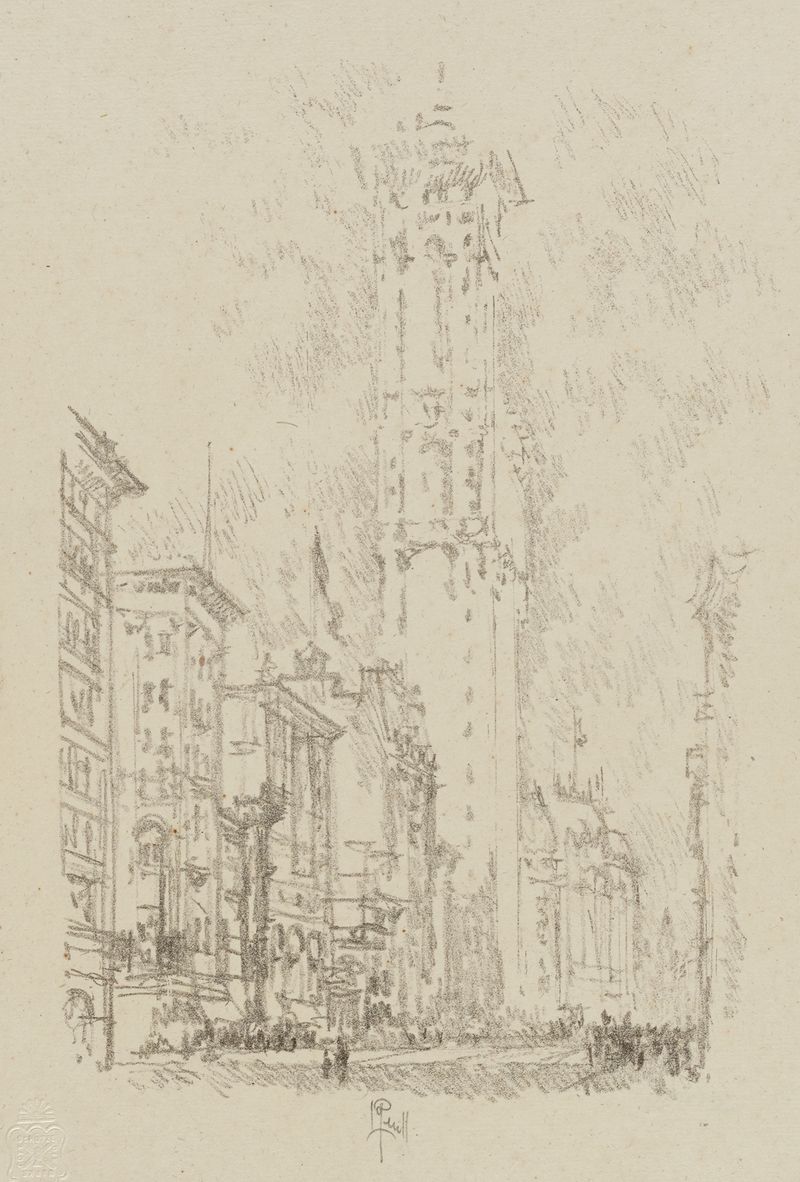
The Times Building
Joseph Pennell
Skyscrapers at night
Joseph Pennell

St. James’ Park
Joseph Pennell





