
Ballplayers in the inn garden — History & Facts
A barrel lies tipped on its side, the ground scuffed with the marks of play, and two men lean into a game that seems as serious as any business. The eye is drawn first to the crouching figure, poised with concentration, then to the casual onlookers at the table, their bodies relaxed, their faces half-lit by the last rays of daylight filtering through the trees. The palette is earthy, the mood unhurried, and the composition invites the viewer to linger, to listen for laughter or the clack of heavy balls on packed earth.
The strong diagonal of the path and the barrel’s placement guide us through the scene, while the sheltering tree overhead suggests both enclosure and openness—an inn garden as stage for daily ritual. Painted in 1660, Ballplayers in the inn garden belongs to a world where scenes of rural leisure were both familiar and quietly radical. In the Dutch Republic, artists like Adriaen van Ostade found their subjects not in grand mythologies, but in the everyday lives of villagers and tradesmen. Such works were often bought by prosperous burghers, who delighted in images that celebrated both the pleasures and the follies of common folk.
The painting now resides in the collection of the Nivaagaard Museum, a testament to the enduring appeal of these glimpses into seventeenth-century life. Look again at the faces, the gestures, the play of light across rough hands and weathered wood—each detail a reminder that history is made not only in palaces, but in gardens and games.
More Artworks by Adriaen van Ostade

Dans in de herberg
Adriaen van Ostade
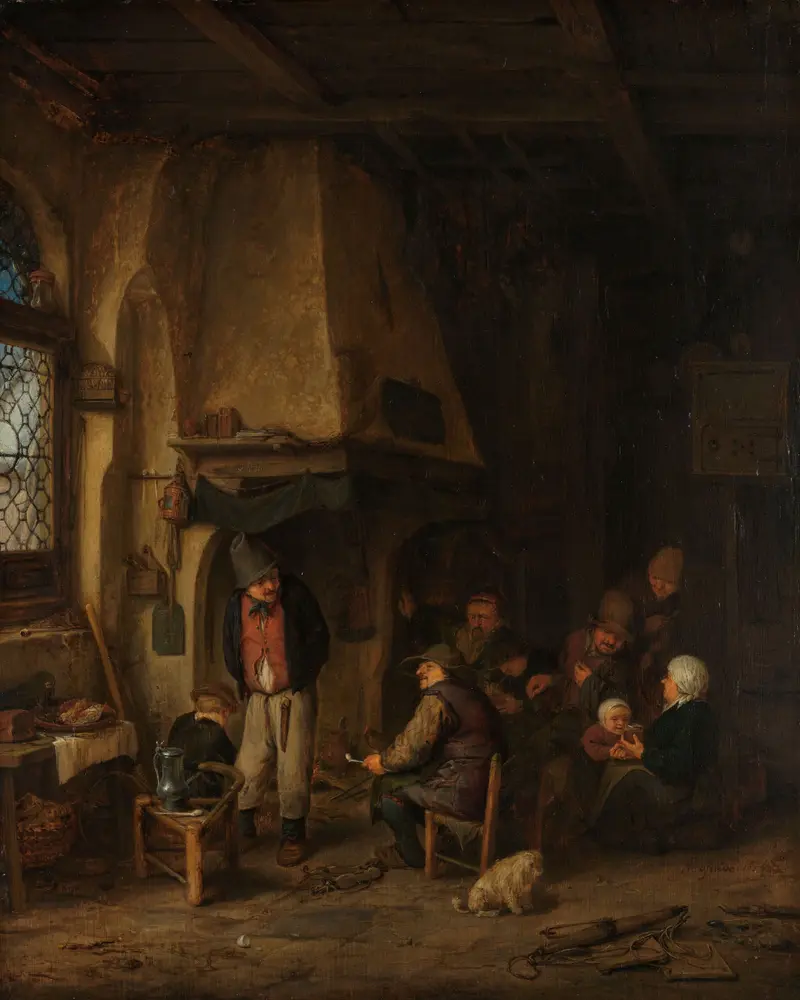
‘The Skaters’: Peasants in an Interior
Adriaen van Ostade
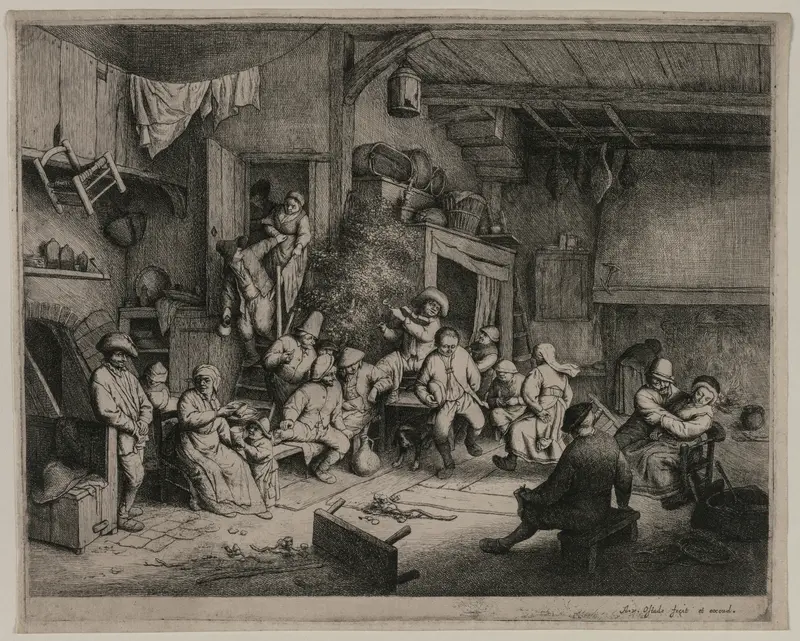
Dance at the Inn
Adriaen van Ostade
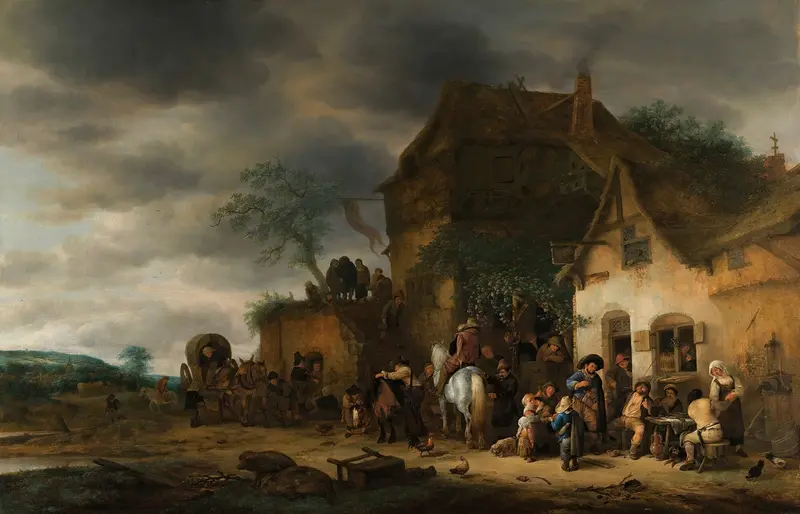
Travellers Halted At A Country Inn
Adriaen van Ostade
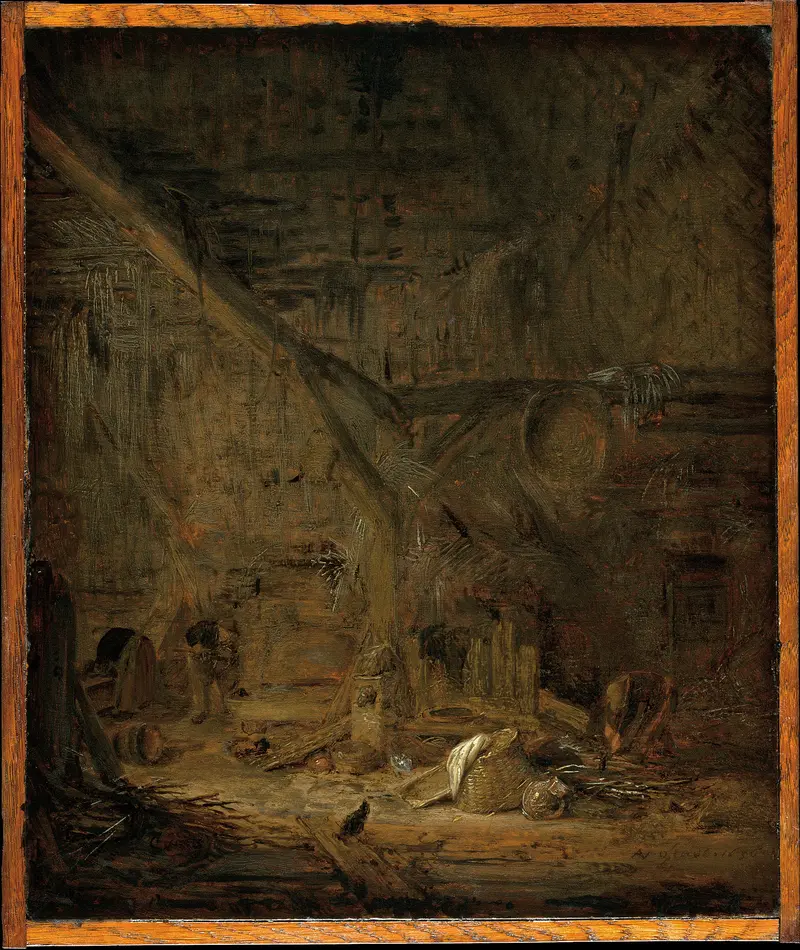
Interior of a Barn
Adriaen van Ostade
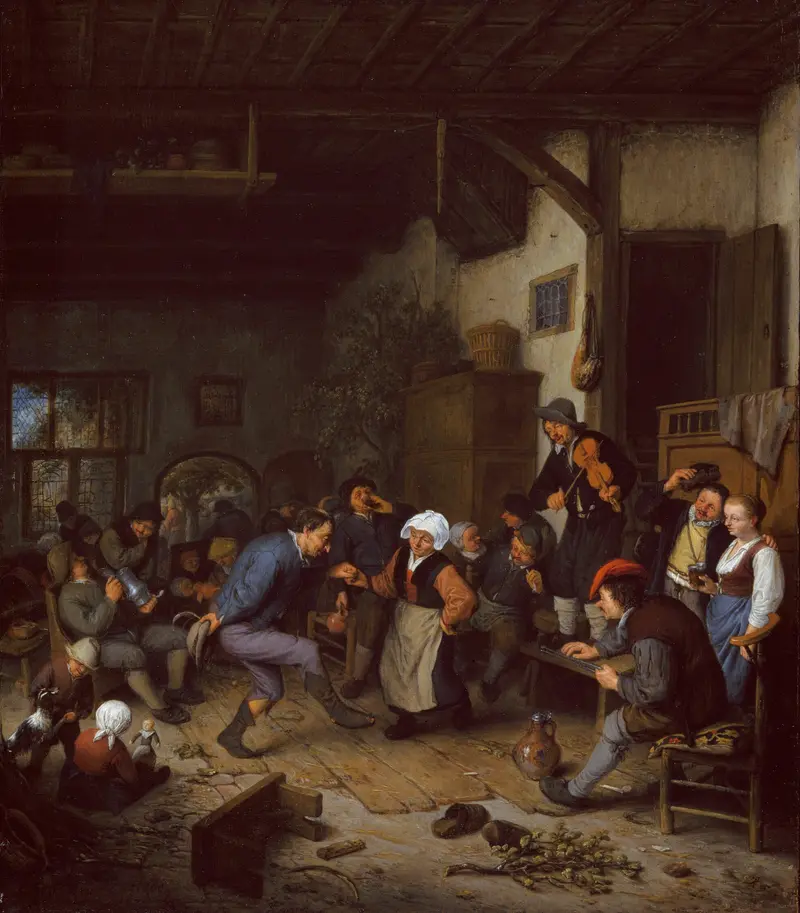
Merrymakers in an Inn
Adriaen van Ostade
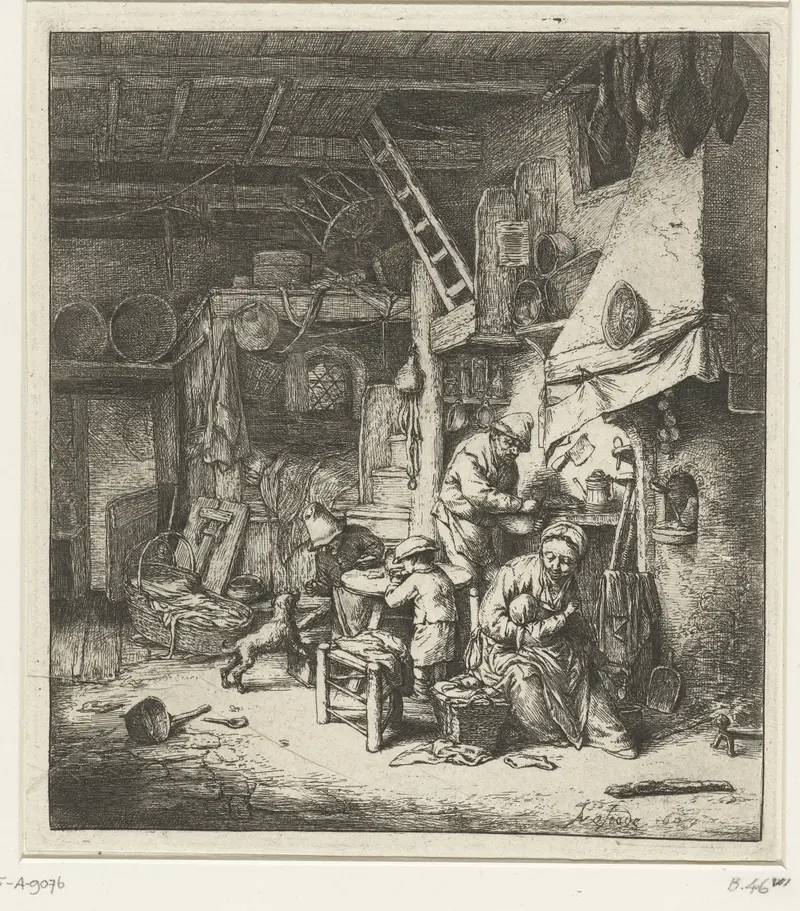
Boerengezin in interieur
Adriaen van Ostade
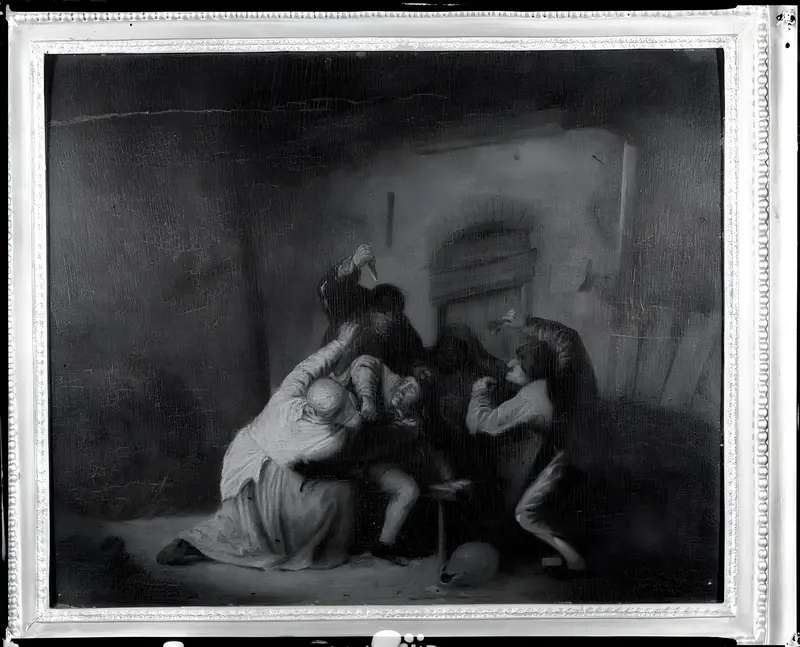
Peasants Brawling in a Tavern
Adriaen van Ostade
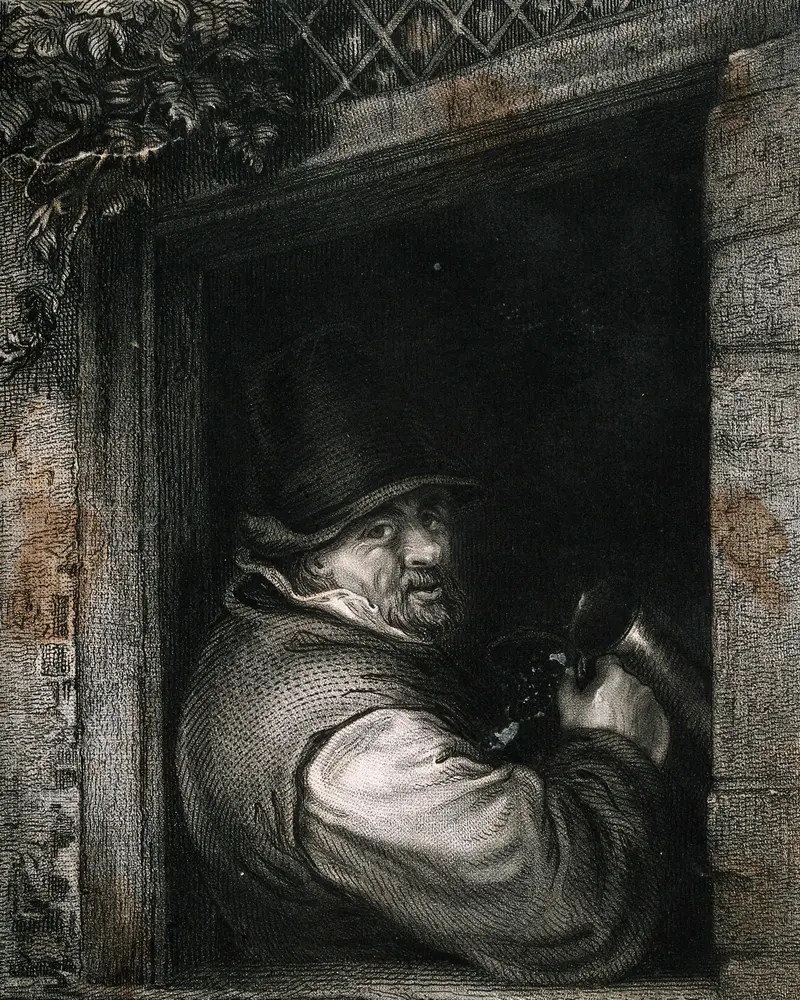
Man with a Tankard at a Window
Adriaen van Ostade
Dans in de herberg
Adriaen van Ostade
More Genre Scene Art

Banquet of the Officers of the St George Civic Guard
Frans Hals

Rembrandt and Saskia in the Scene of the Prodigal Son
Rembrandt van Rijn

Bal du moulin de la Galette
Pierre-Auguste Renoir

Quadrille at the Moulin Rouge
Henri de Toulouse-Lautrec

A Burial at Ornans
Gustave Courbet

When Will You Marry?
Paul Gauguin