
Bamboo in the Four Seasons — History & Facts
Bamboo in the Four Seasons by Tosa Mitsunobu is a pair of six-panel folding screens created in the late 15th to early 16th century, using ink, color, and gold leaf on paper. The work presents a continuous landscape across both screens, featuring bamboo groves depicted in various seasonal states. The artist, active during the Muromachi period, was a leading figure in the establishment of the Tosa school, known for its refined courtly painting style. The composition arranges tall bamboo stalks and leafy branches against a shimmering gold background, with subtle gradations of color indicating changes in season.
Snow-laden bamboo on the left contrasts with the delicate pink blossoms and fresh green shoots toward the center and right, visually narrating the passage of time from winter through spring and summer. The use of gold leaf enhances the luminosity and sense of depth, while the careful brushwork captures the texture and movement of the bamboo leaves. This type of screen painting was highly valued in Japanese aristocratic interiors, serving both decorative and symbolic functions. Bamboo, a traditional symbol of resilience and integrity, was a favored subject in Japanese art.
Bamboo in the Four Seasons is attributed to Tosa Mitsunobu, who served as an official painter to the imperial court and helped define the aesthetic of the Tosa school. The work dates to the late 15th–early 16th century and exemplifies the sophisticated techniques and thematic preferences of its era.
More Artworks by Tosa Mitsunobu

Falling Flowers (Hanachirusato), Illustration to Chapter 11 of the Tale of Genji (Genji monogatari)
Tosa Mitsunobu
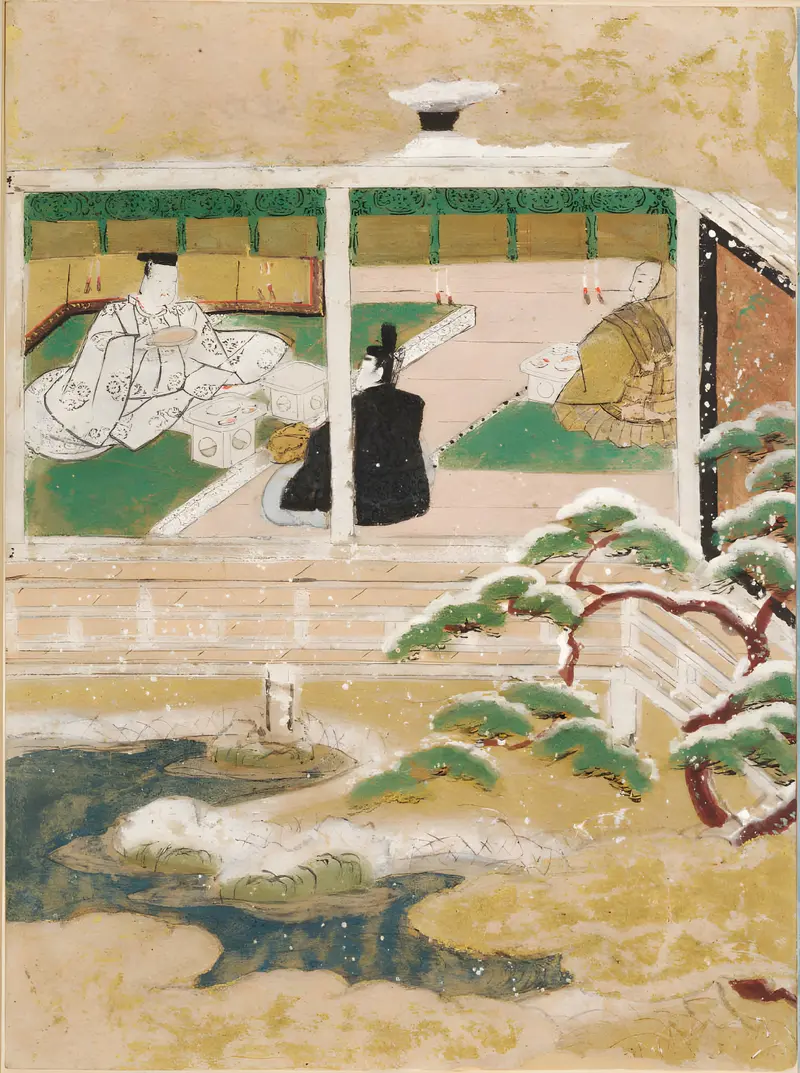
The Seer (Maboroshi), Illustration to Chapter 41 of the Tale of Genji (Genji monogatari)
Tosa Mitsunobu
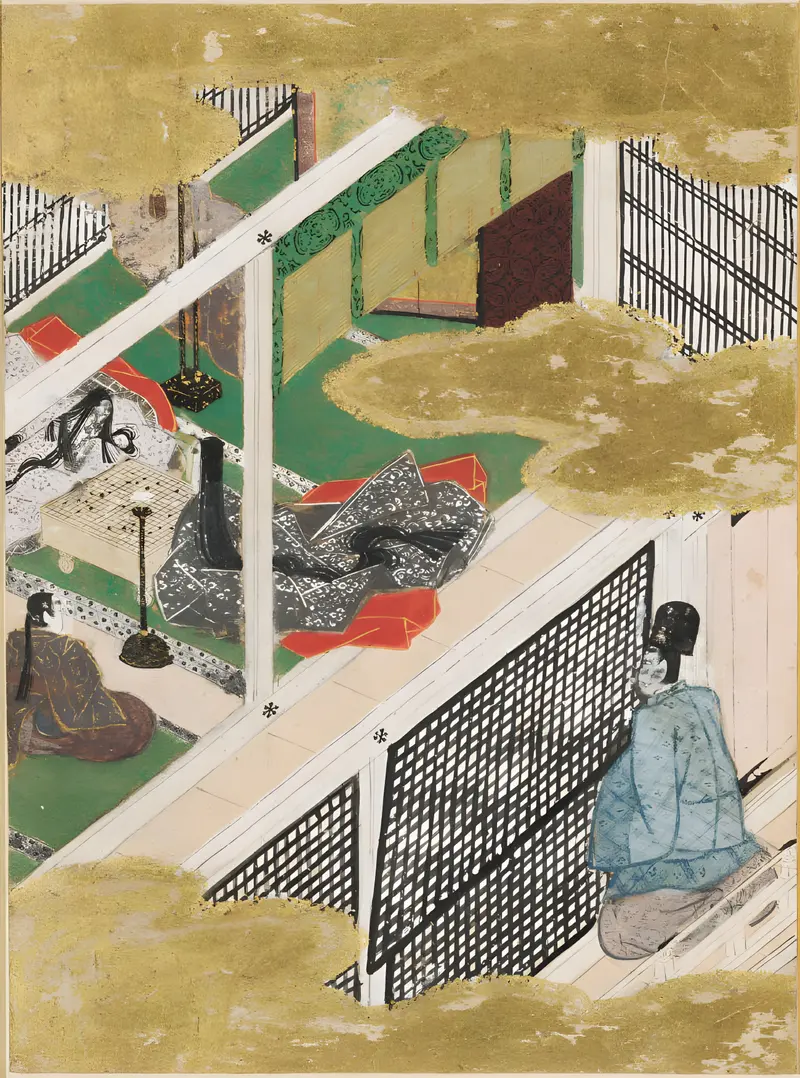
The Cicada Shell (Utsusemi), Illustration to Chapter 3 of the Tale of Genji (Genji monogatari)
Tosa Mitsunobu
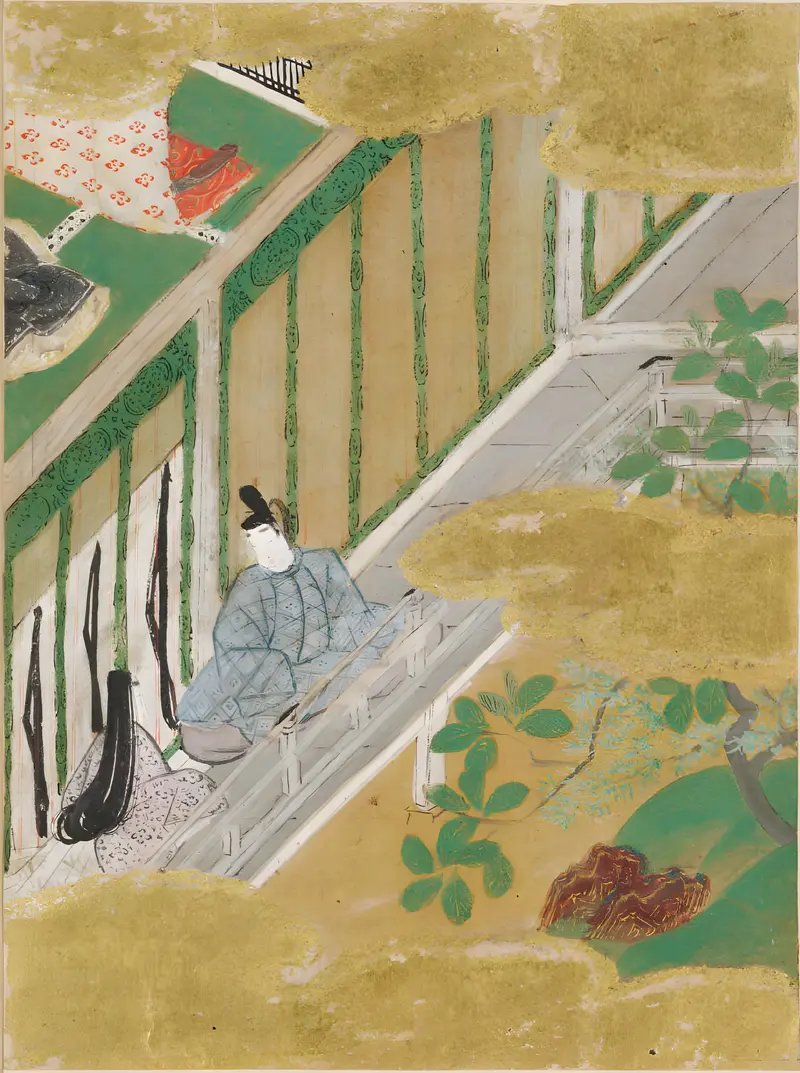
The Oak Tree (Kashiwagi), Illustration to Chapter 36 of the Tale of Genji (Genji monogatari)
Tosa Mitsunobu
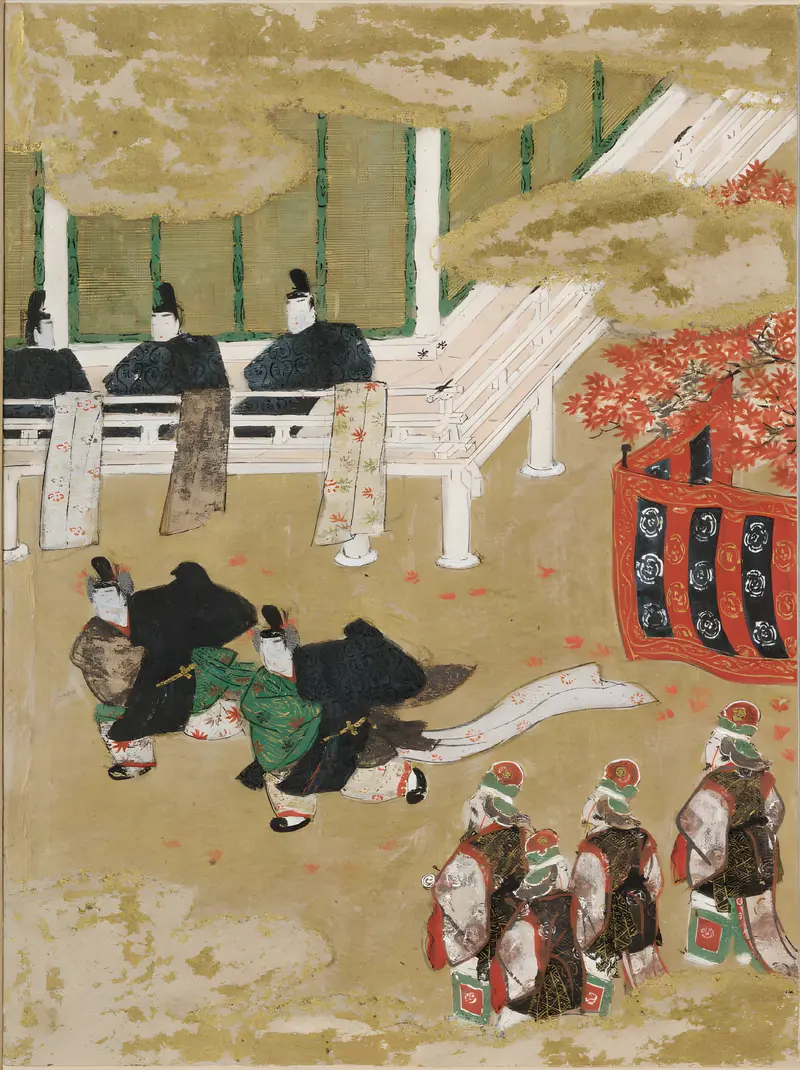
Beneath the Autumn Leaves (Momiji no Ga), Illustration to Chapter 7 of the Tale of Genji (Genji monogatari)
Tosa Mitsunobu
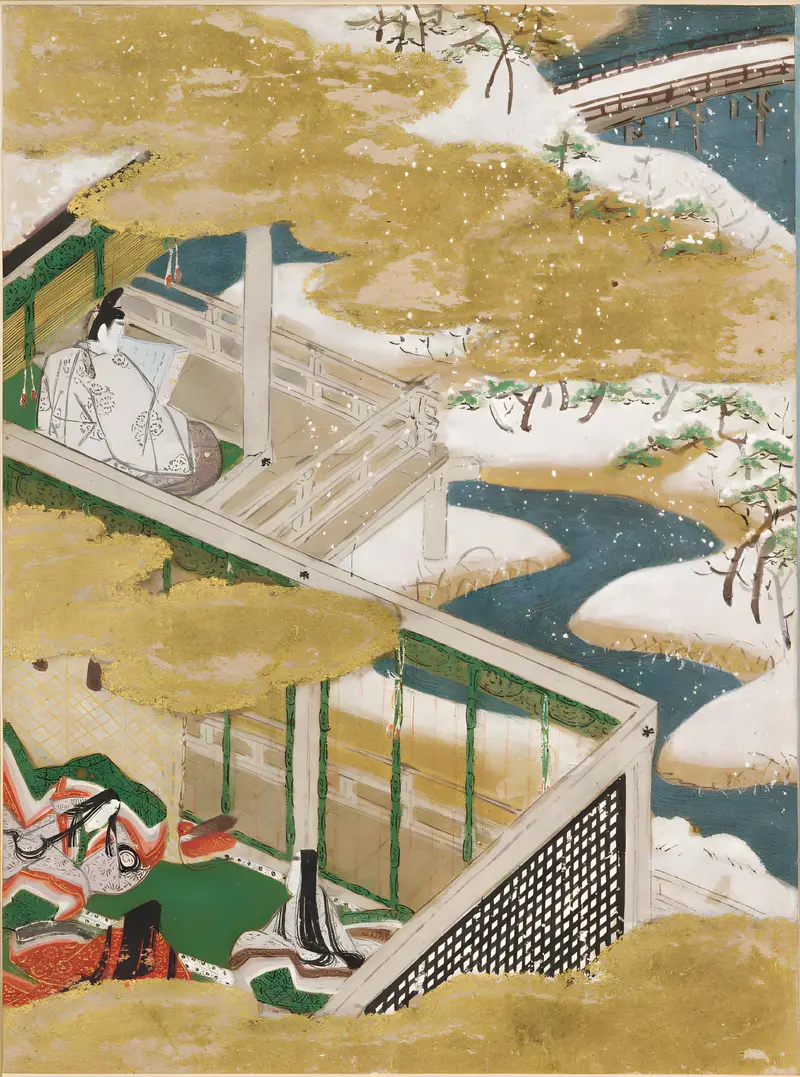
Beneath the Oak (Shiigamoto), Illustration to Chapter 46 of the Tale of Genji (Genji monogatari)
Tosa Mitsunobu
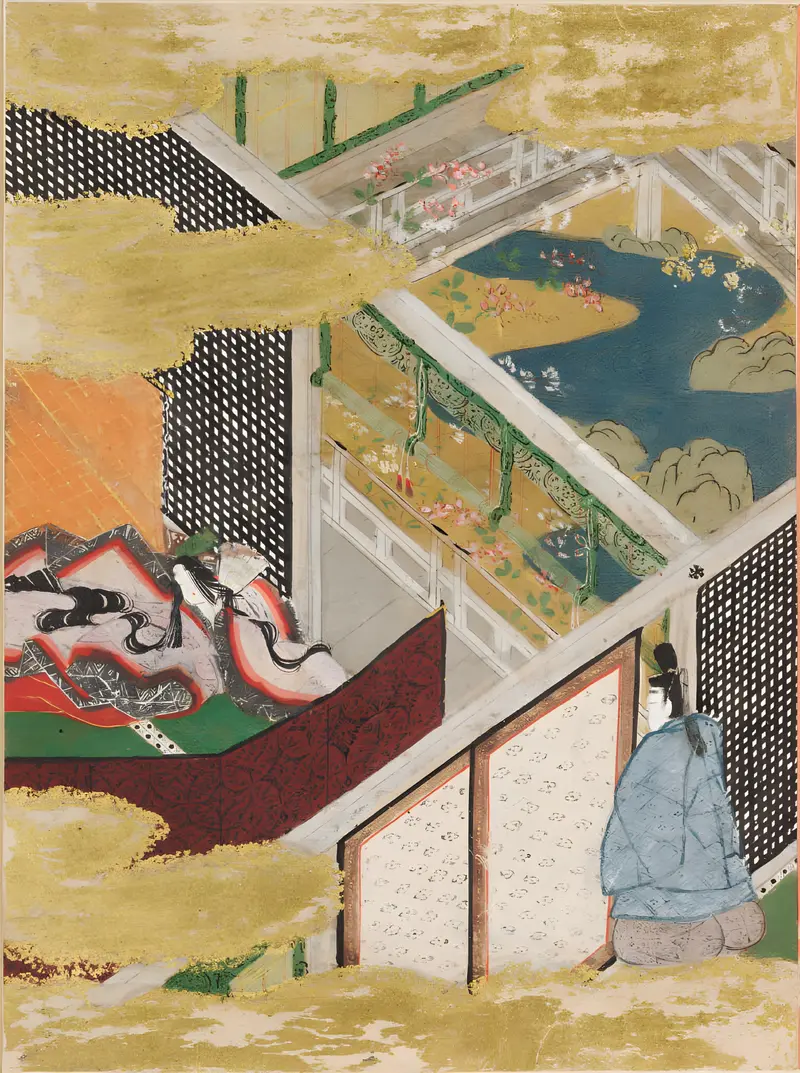
The Eastern Cottage (Azumaya), Illustration to Chapter 50 of the Tale of Genji (Genji monogatari)
Tosa Mitsunobu
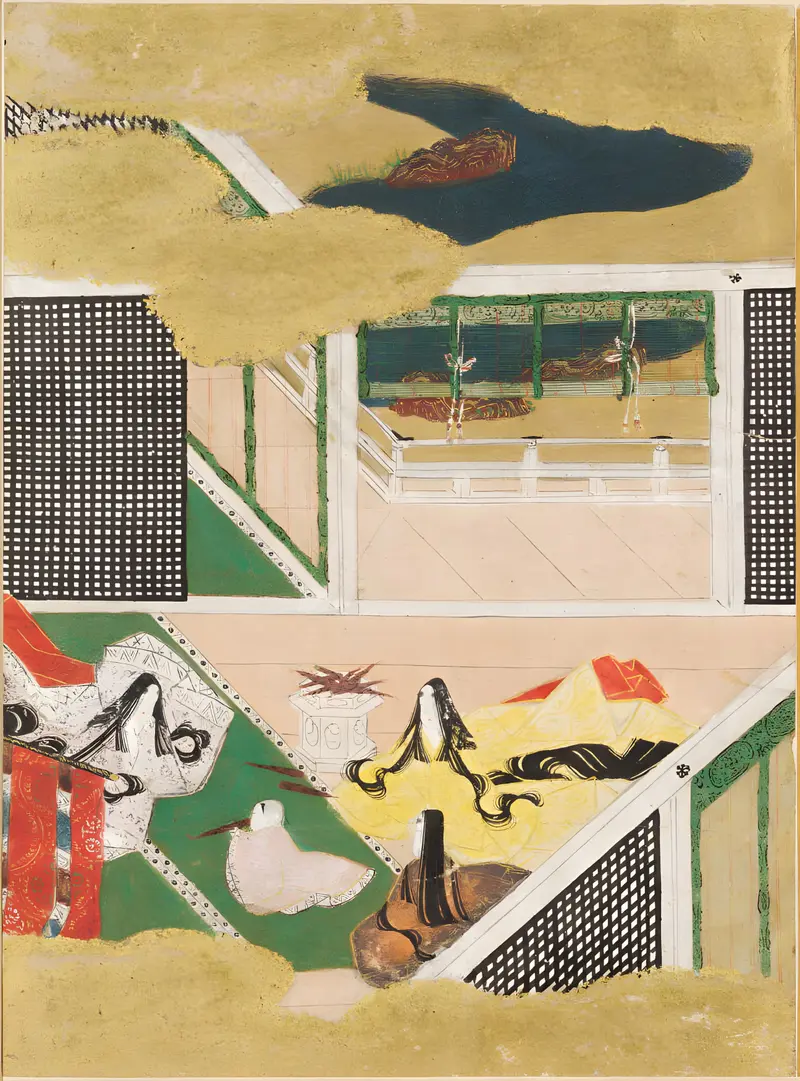
The Flute (Yokobue), Illustration to Chapter 37 of the Tale of Genji (Genji monogatari)
Tosa Mitsunobu

Wisps of Cloud (Usugumo), Illustration to Chapter 19 of the Tale of Genji (Genji monogatari)
Tosa Mitsunobu
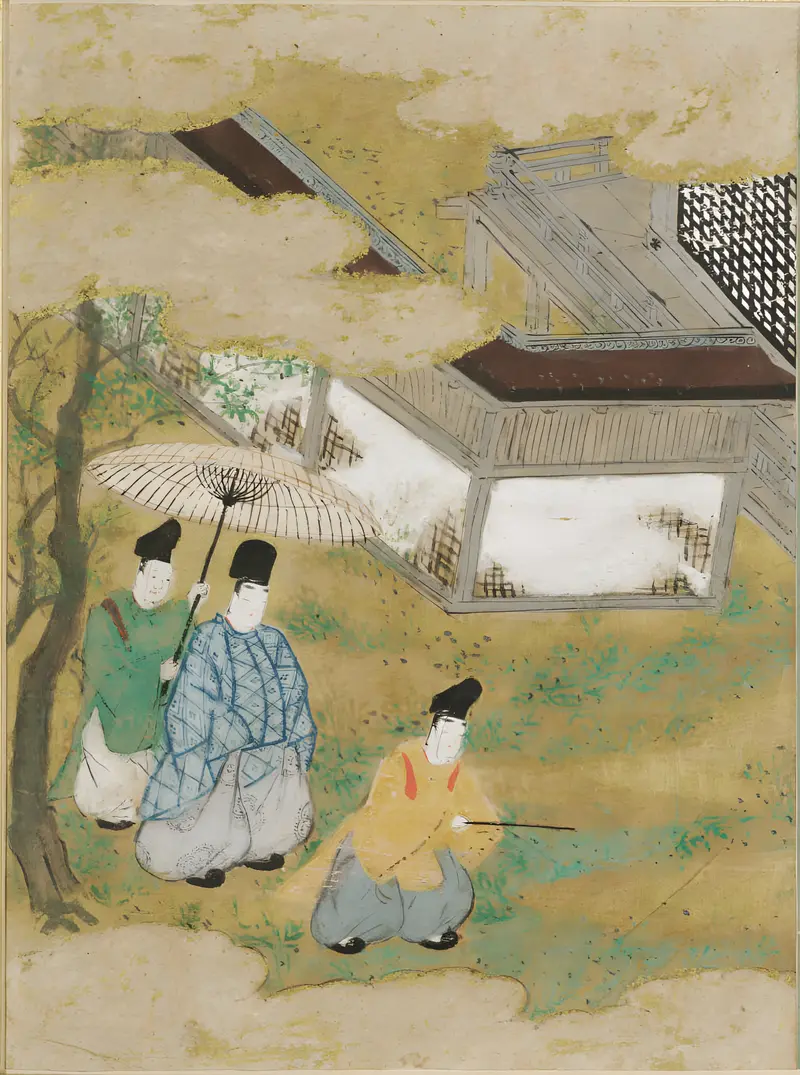
A Waste of Weeds (Yomogiu), Illustration to Chapter 15 of the Tale of Genji (Genji monogatari)
Tosa Mitsunobu





