
Banks of the Oise at Auvers — History & Facts
Who listens when art speaks of silence? In Banks of the Oise at Auvers, the stillness of the scene vibrates with a gentle intensity, inviting reflection on the unspoken and the unseen. Look to the horizon, where the muted greens and blues blend seamlessly into the sky, the soft brushstrokes creating a symphony of tranquility. Notice how the light filters through the trees, casting delicate shadows that dance upon the water's surface. The composition draws the eye across the bank, leading to the distant figure, perhaps a solitary artist, immersed in the landscape, embodying the very essence of solitude and contemplation. Yet, beneath this serene surface lies a tension between nature and human presence.
The quiet elegance of the water reflects both the beauty and the isolation of the scene, suggesting a longing for connection. The lone figure, dwarfed by the expansive landscape, evokes the contrast between the individual and the vastness of the world, a poignant reminder of our place within it. Each stroke captures not just the physical environment, but also the emotional landscape of stillness and introspection. In 1863, at a time when the art world was shifting towards Impressionism, Daubigny painted this piece near Auvers-sur-Oise, a region that would later captivate Van Gogh.
He was navigating the delicate balance between tradition and modernity, using this work to explore the interplay of light, color, and emotion, setting the stage for future generations of artists to delve deeper into the language of nature and silence.
More Artworks by Charles François Daubigny
Browse all →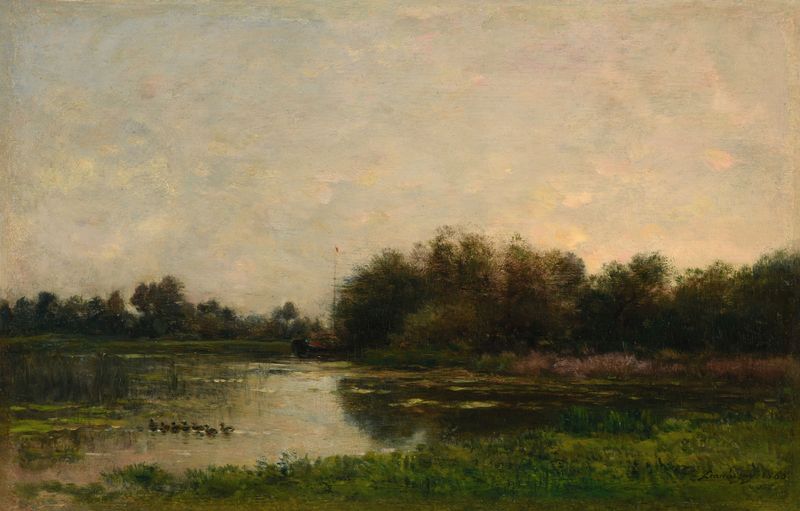
Bords de l’Oise
Charles François Daubigny
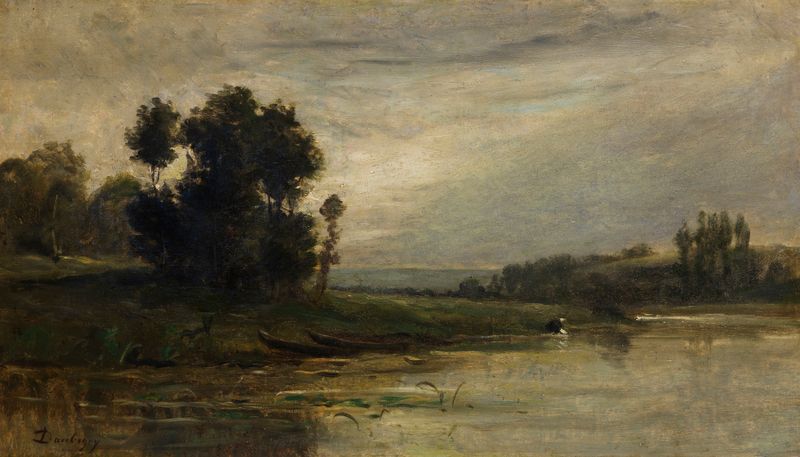
Bords de l’Oise
Charles François Daubigny
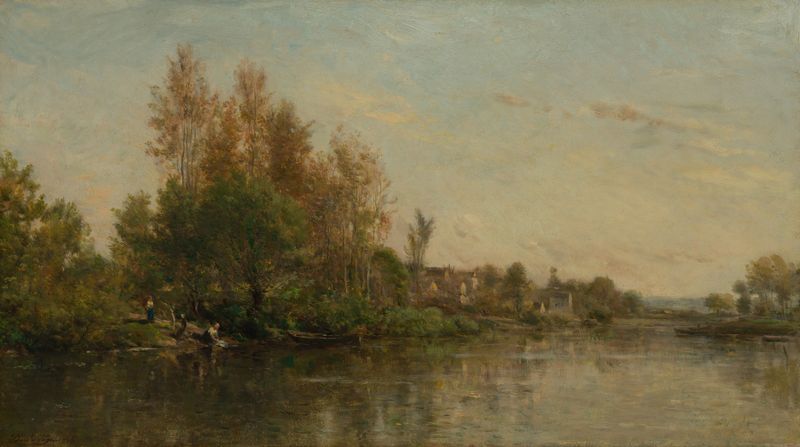
The Banks of the Oise
Charles François Daubigny
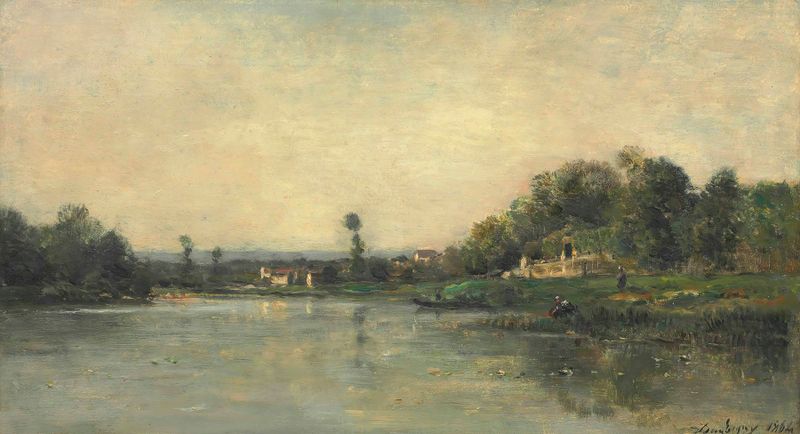
Les Bords De L’oise
Charles François Daubigny
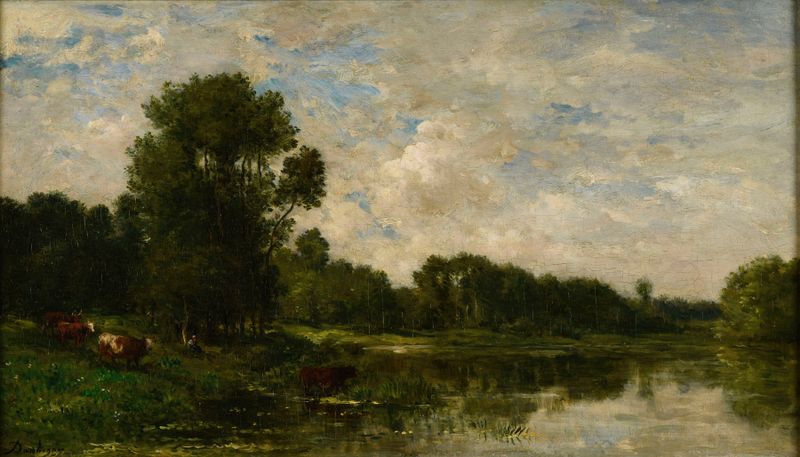
Bords de l’Oise
Charles François Daubigny
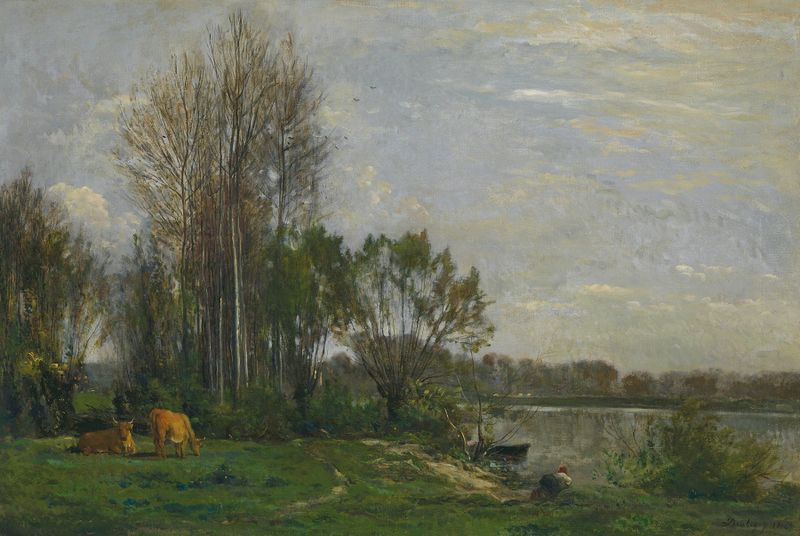
Les Bord De L’oise
Charles François Daubigny
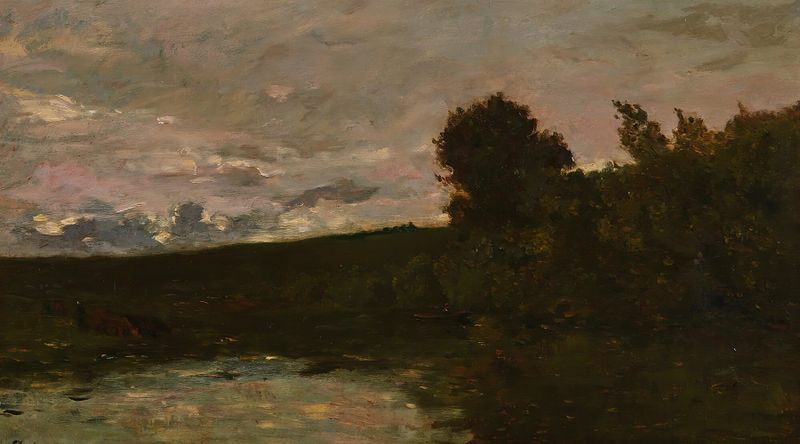
Bord De Riviére
Charles François Daubigny
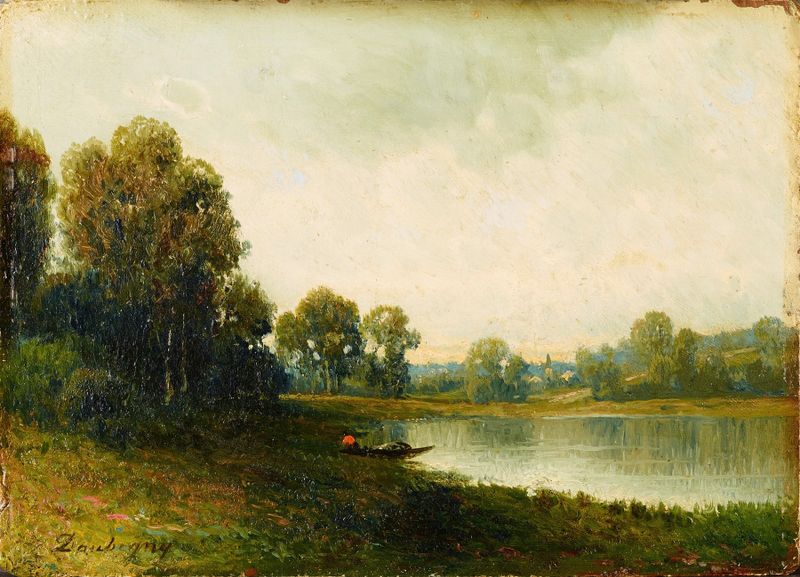
Landscape
Charles François Daubigny
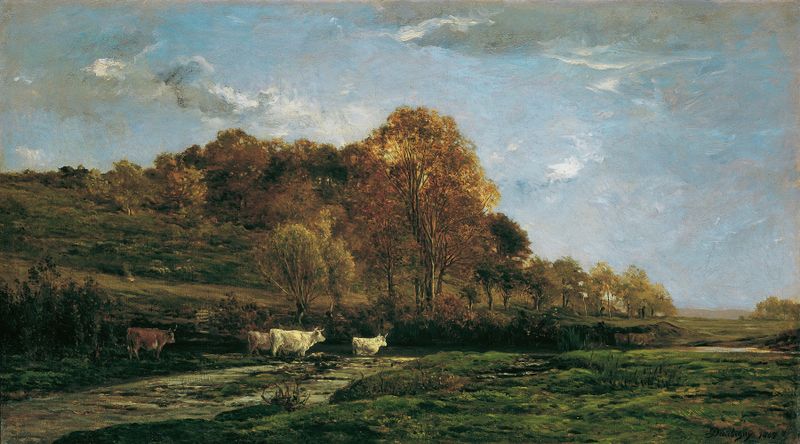
Herbstliche Aulandschaft Abendstimmung
Charles François Daubigny
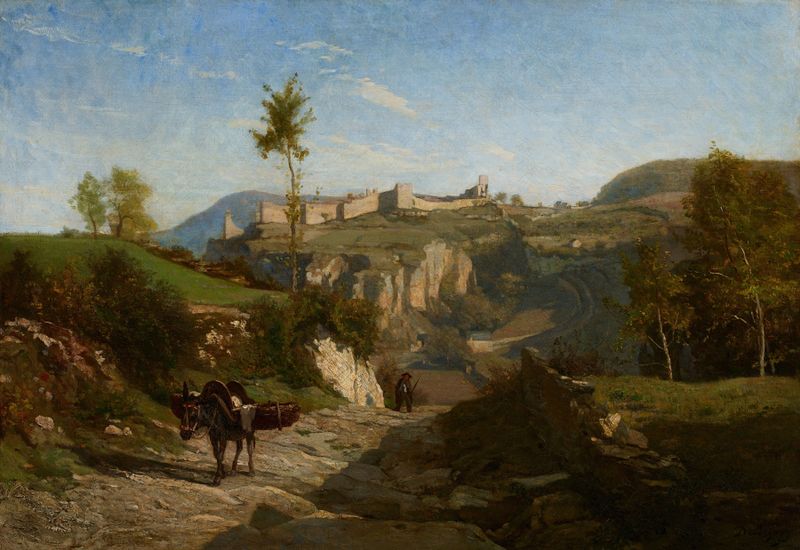
Landscape near Crémieu
Charles François Daubigny





