
Banquet in a Park — History & Facts
No other painting by Frans Hals has sparked as much debate over its true subject as Banquet in a Park. For centuries, scholars have puzzled over whether this lively gathering of well-dressed men and women records an actual Haarlem festivity, a wedding, or is simply an imaginative scene of bourgeois leisure. The absence of any known commission or inscription has left its meaning tantalizingly open—fueling speculation that Hals may have painted it on his own initiative, capturing the spirit of the Dutch Golden Age’s newfound prosperity. At the heart of the scene, a group of elegantly attired figures recline beneath leafy trees, their laughter and gestures frozen at the moment a toast is raised.
The man in black, leaning forward with a raised glass, draws the eye—his confident posture suggesting either the host or a guest of honor. Around him, bright silks and lace gleam in the dappled sunlight, while servants bustle in the background, offering platters and filling goblets. The informality of the guests’ poses, some caught mid-conversation or with a hand on a companion’s shoulder, contrasts with the more staged compositions of Dirck Hals or Jan Steen, whose similar gatherings often carry a moralizing undertone.
Here, the mood is one of conviviality, the pleasures of food, drink, and company celebrated without obvious judgment. The early provenance of Banquet in a Park remains unclear; no contemporary records mention its first owner, and its medium is still debated among experts. It is generally accepted, however, that the work dates from around 1600, placing it among Hals’s earliest known paintings, before his rise to fame as a portraitist. Over the centuries, the painting has passed through several private collections, occasionally attributed to other Haarlem artists before consensus settled on Hals.
Today, it is recognized as a rare example of his engagement with group genre scenes, offering a glimpse into the social world of the early Dutch Republic.
More Artworks by Frans Hals

Banquet of the Officers of the St George Civic Guard
Frans Hals

Portrait of Jacob Pietersz Olycan (1596-1638)
Frans Hals
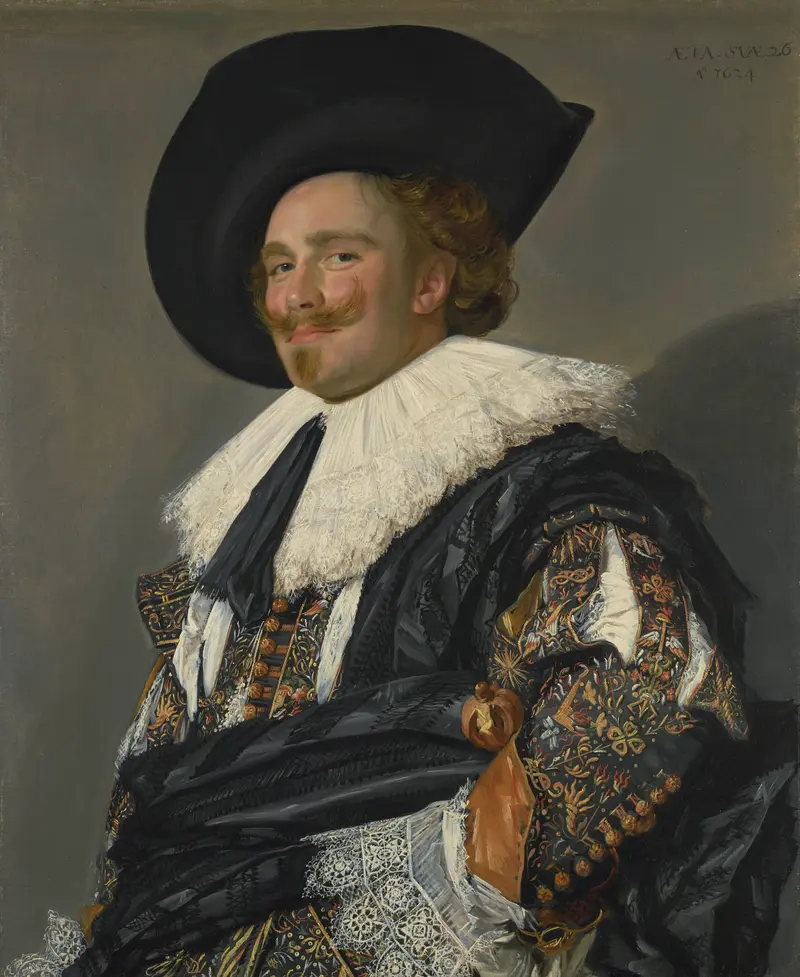
Laughing Cavalier
Frans Hals

Militia Company of District XI under the Command of Captain Reynier Reael, Known as ‘The Meagre Company’
Frans Hals
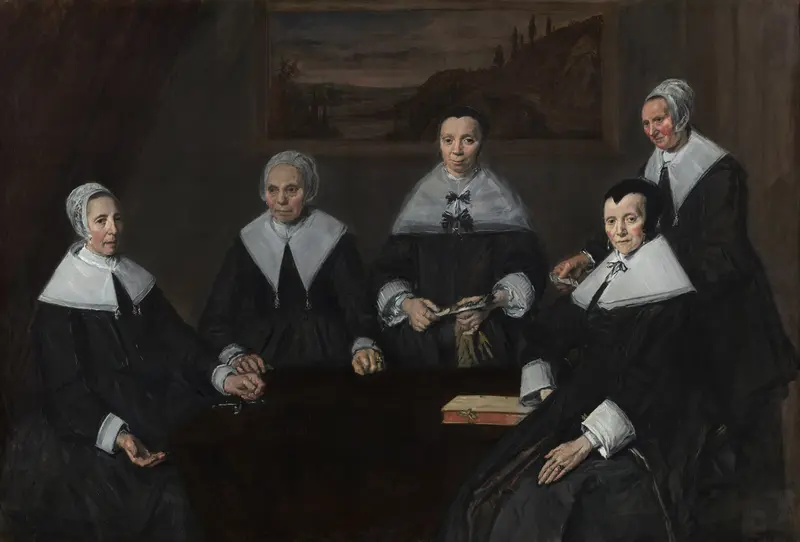
Regentesses of the Old Men's Alms House
Frans Hals
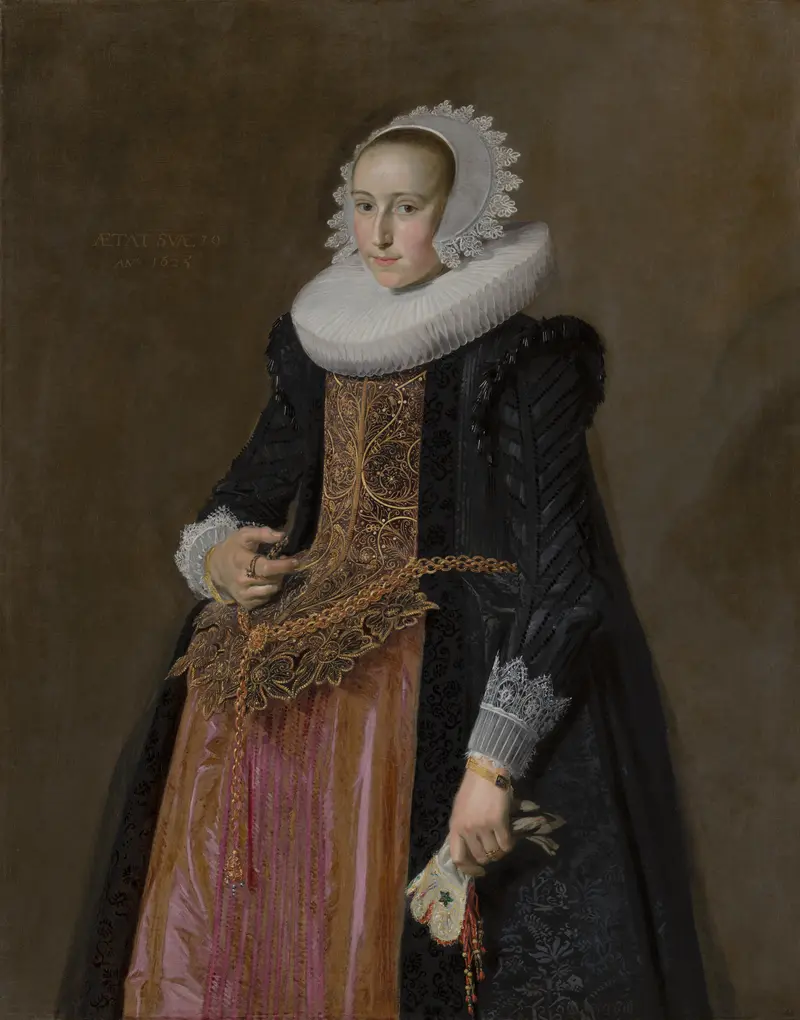
Portrait of Aletta Hanemans (1606–1653)
Frans Hals
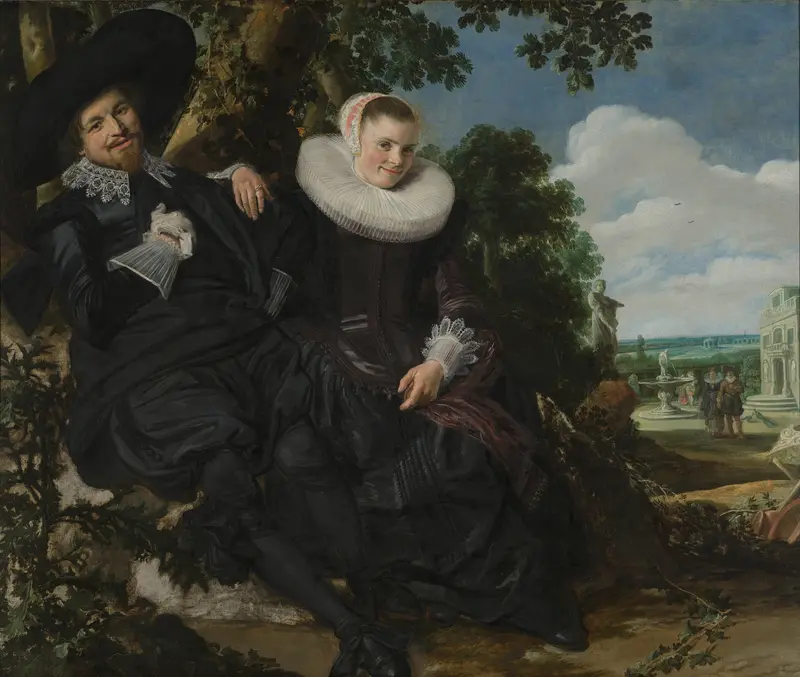
Portrait of a Married Couple, Likely Isaac Abrahamsz Massa and Beatrix van der Laen
Frans Hals
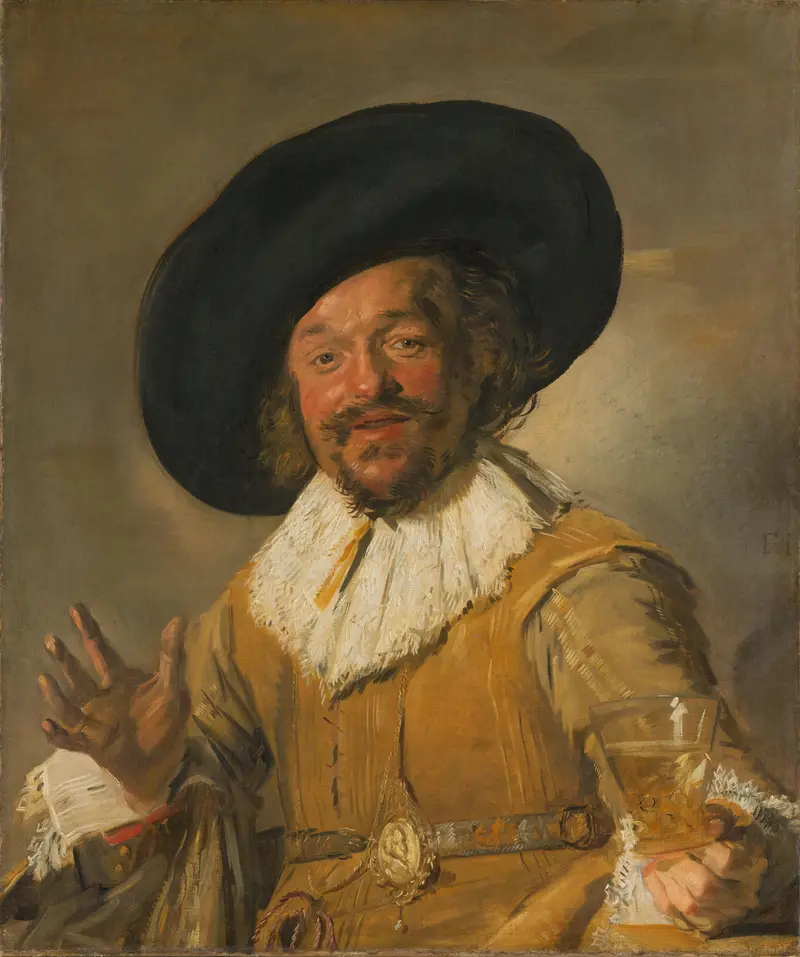
The Merry Drinker
Frans Hals
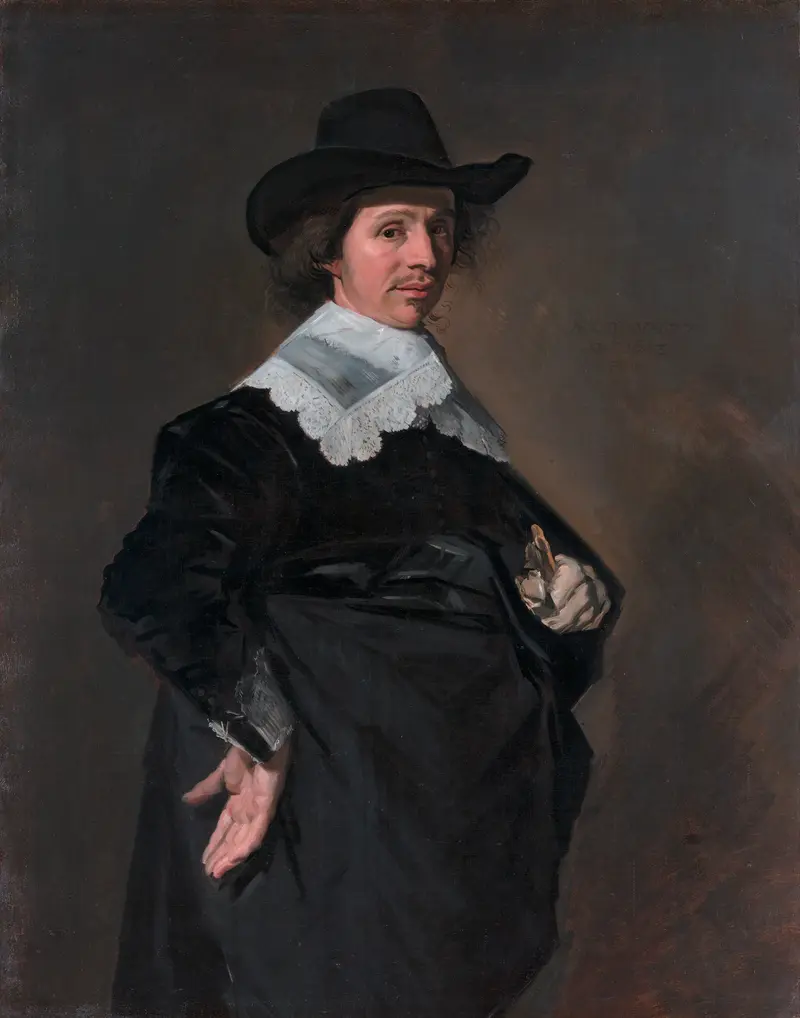
Portrait of Paulus Verschuur
Frans Hals
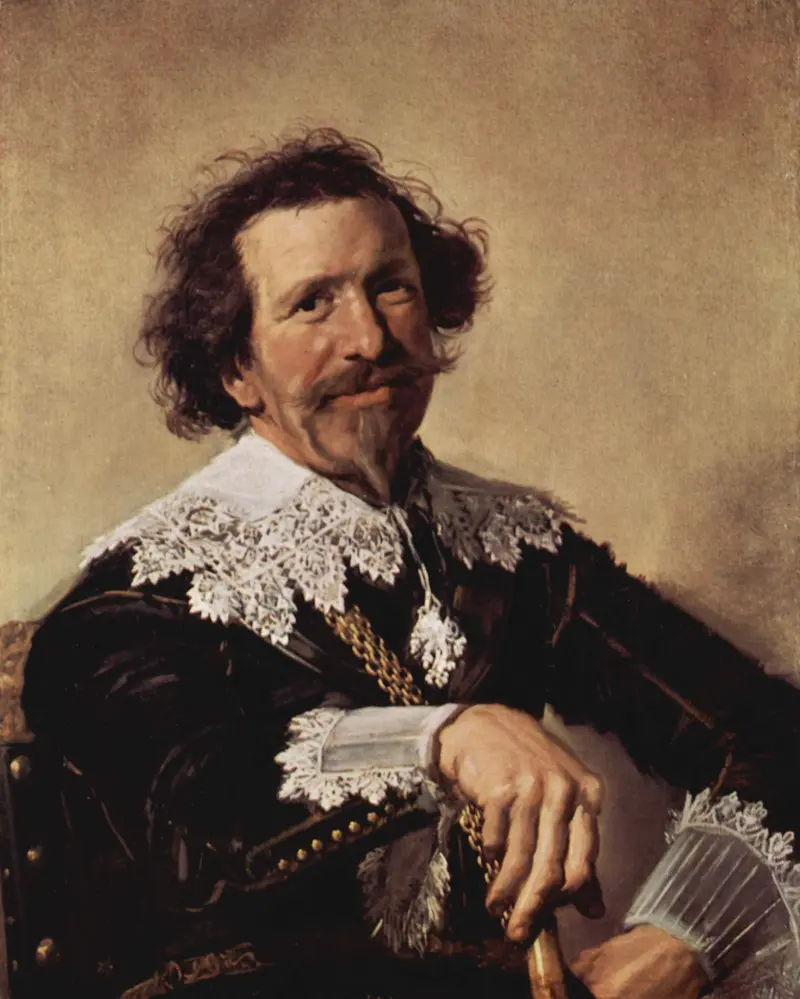
Portrait of Pieter van den Broecke
Frans Hals
More Genre Scene Art
Banquet of the Officers of the St George Civic Guard
Frans Hals

Rembrandt and Saskia in the Scene of the Prodigal Son
Rembrandt van Rijn

Bal du moulin de la Galette
Pierre-Auguste Renoir

Quadrille at the Moulin Rouge
Henri de Toulouse-Lautrec

A Burial at Ornans
Gustave Courbet

When Will You Marry?
Paul Gauguin