
Baptism — History & Facts
In the stillness of creation, each brushstroke holds the potential to reveal profound truths about existence and identity. Look to the center of the artwork, where a serene figure stands immersed in tranquil waters, poised in a moment of sacred transition. The soft blues and greens dominate the scene, evoking a sense of calm that envelops the viewer. Notice how the light dances across the surface of the water, mirroring the gentle ripples that suggest movement and continuity.
The composition draws the eye upward to the luminous sky, where delicate clouds hint at the divine, while the earthy tones at the edges anchor the scene in reality. As the viewer’s gaze lingers, deeper narratives emerge. The figure’s expression, a blend of serenity and anticipation, invites contemplation of faith and rebirth. The contrast between the natural and the spiritual elements reinforces the idea of transformation; the water symbolizes cleansing, while the light suggests enlightenment.
Such tensions remind us that the process of creation is not merely about the physical act but also about the emotional journey intertwined with it. In the 1870s, Chappel created Baptism during a time marked by shifts in societal views on religion and spirituality. Working in an America grappling with its own identity, he sought to capture a moment that resonated deeply within the human experience. The realist movement was gaining momentum, and Chappel’s exploration of subject matter that blended the sacred with the everyday reflected the broader conversations occurring in both art and society.
More Artworks by William P. Chappel
Browse all →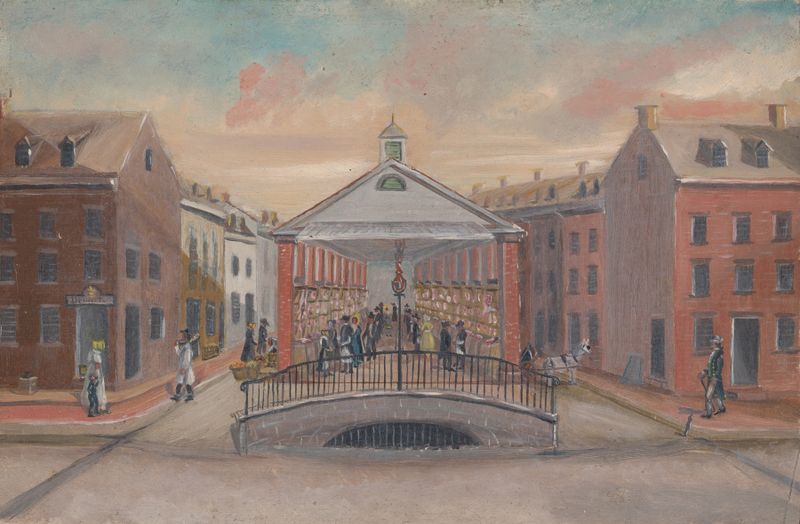
Fly Market
William P. Chappel
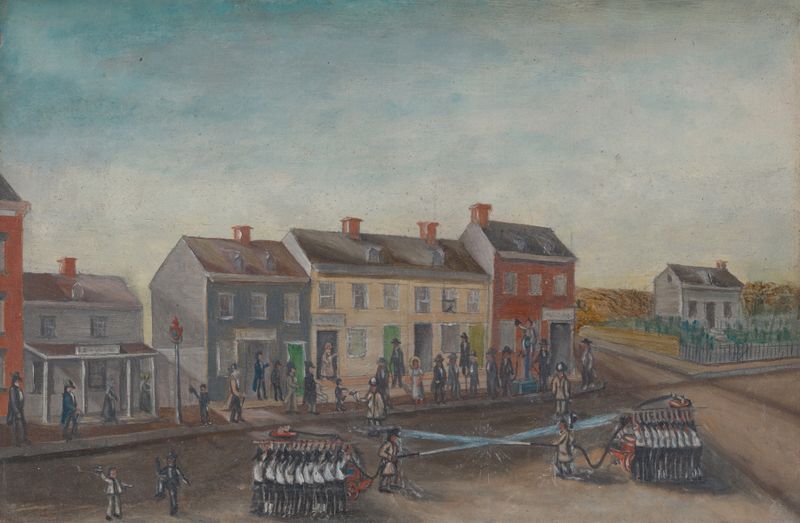
Firemen’s Washing Day
William P. Chappel
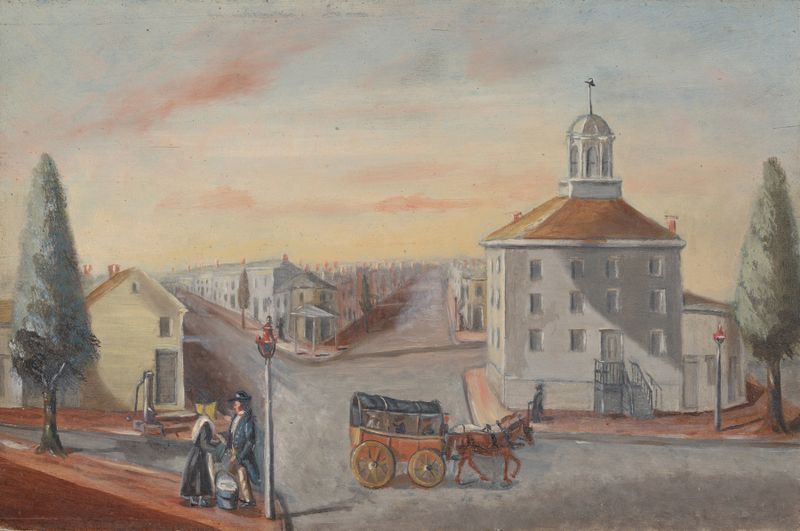
Hot Corn Seller
William P. Chappel
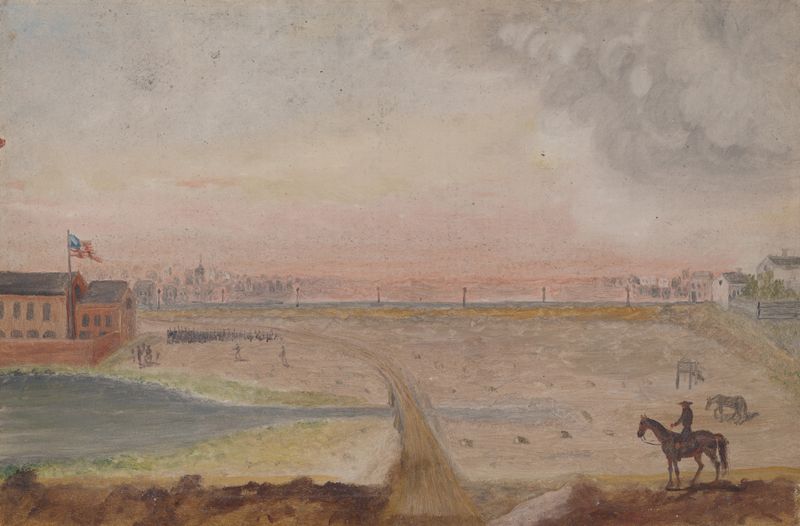
Militia Drilling
William P. Chappel
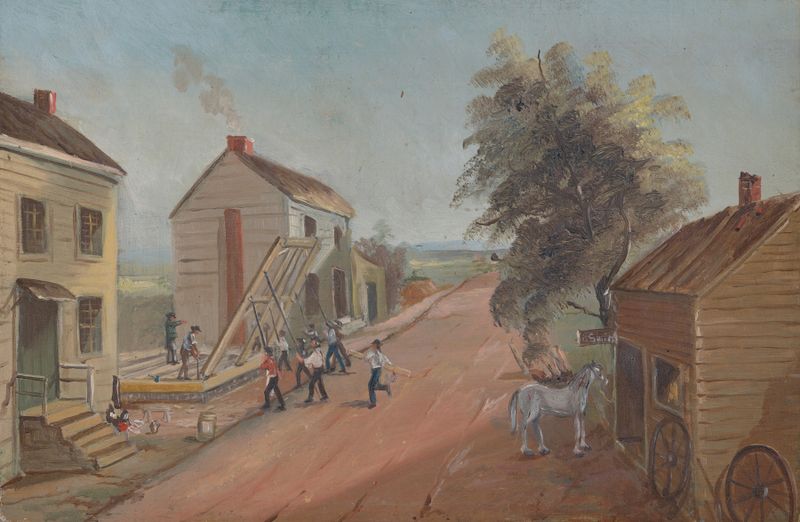
House Raising
William P. Chappel
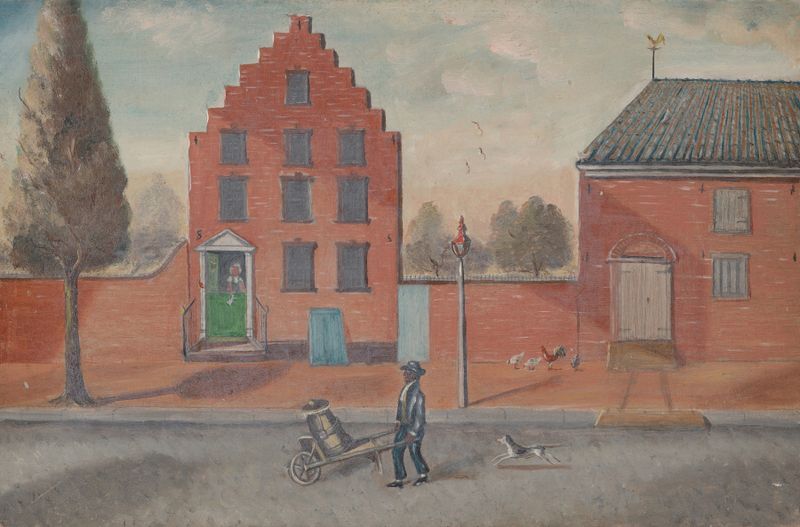
Buttermilk Pedlar
William P. Chappel
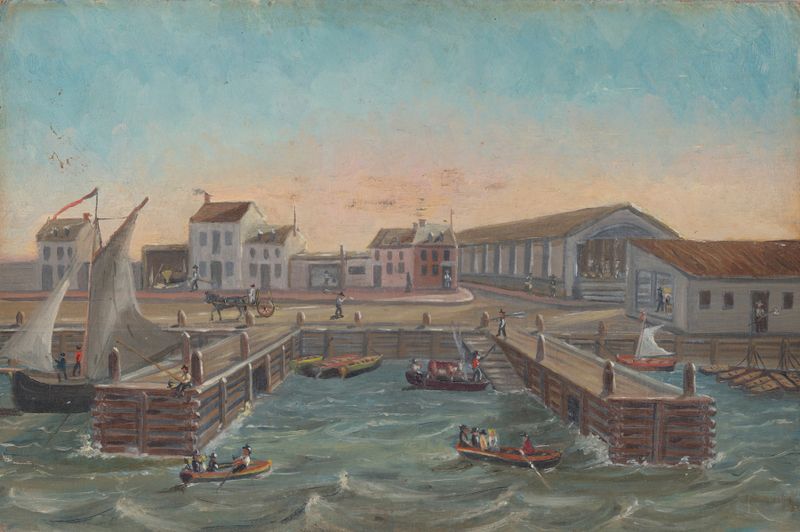
Old Ferry Stairs
William P. Chappel
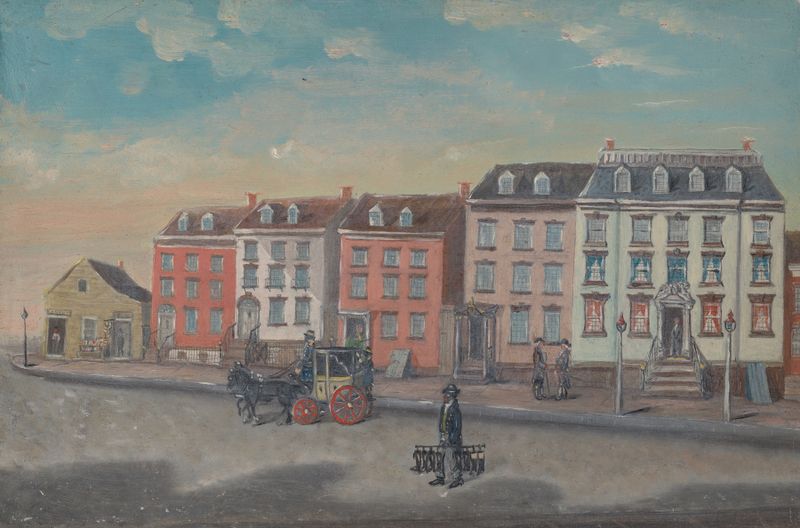
The Boot Black
William P. Chappel
City Watchman
William P. Chappel
Bull’s Head Tavern
William P. Chappel
More Religious Art
Browse all →
The Return of the Prodigal Son
Rembrandt van Rijn

The Garden of Earthly Delights
El Bosco

Count Orgaz’ funeral
El Greco

The Hundred Guilder Print: the central piece with Christ preaching, the plate arched
Rembrandt van Rijn

The Descent from the Cross
Rogier van der Weyden

The return of the prodigal son
Rembrandt van Rijn